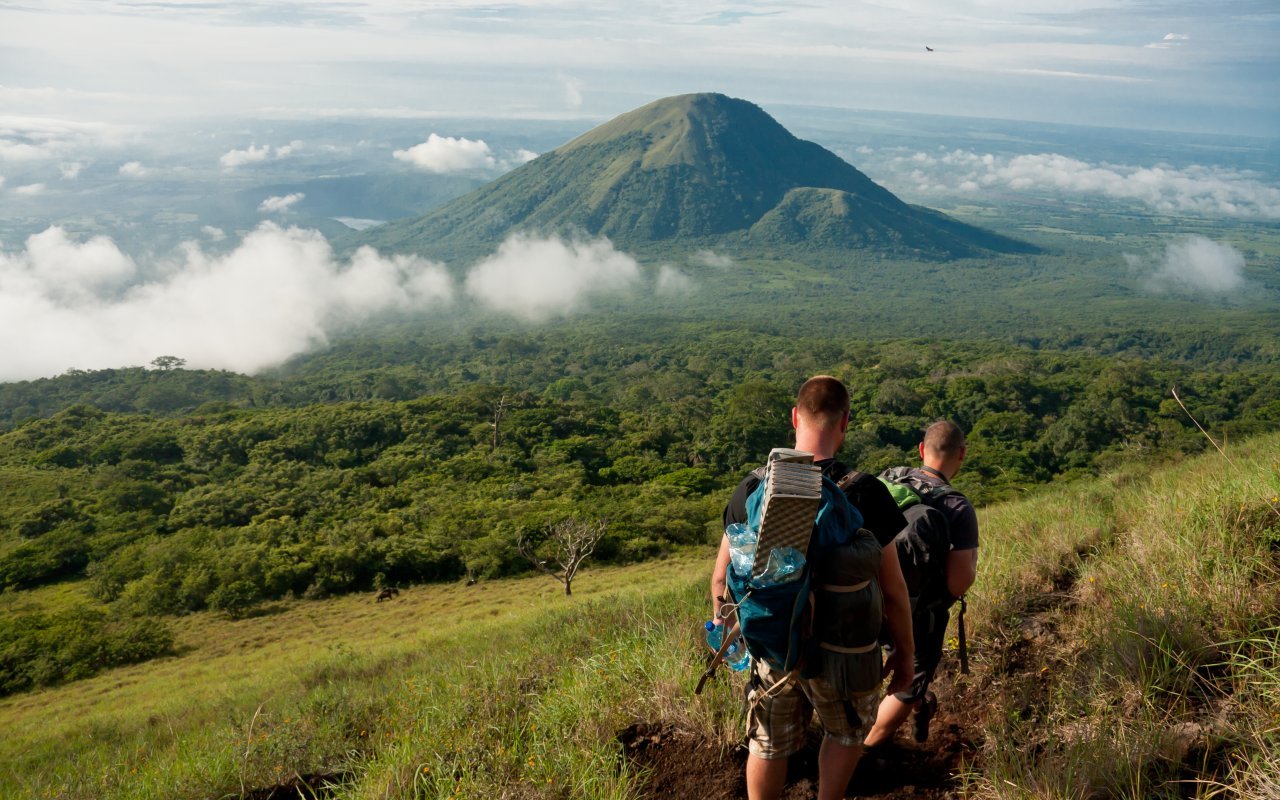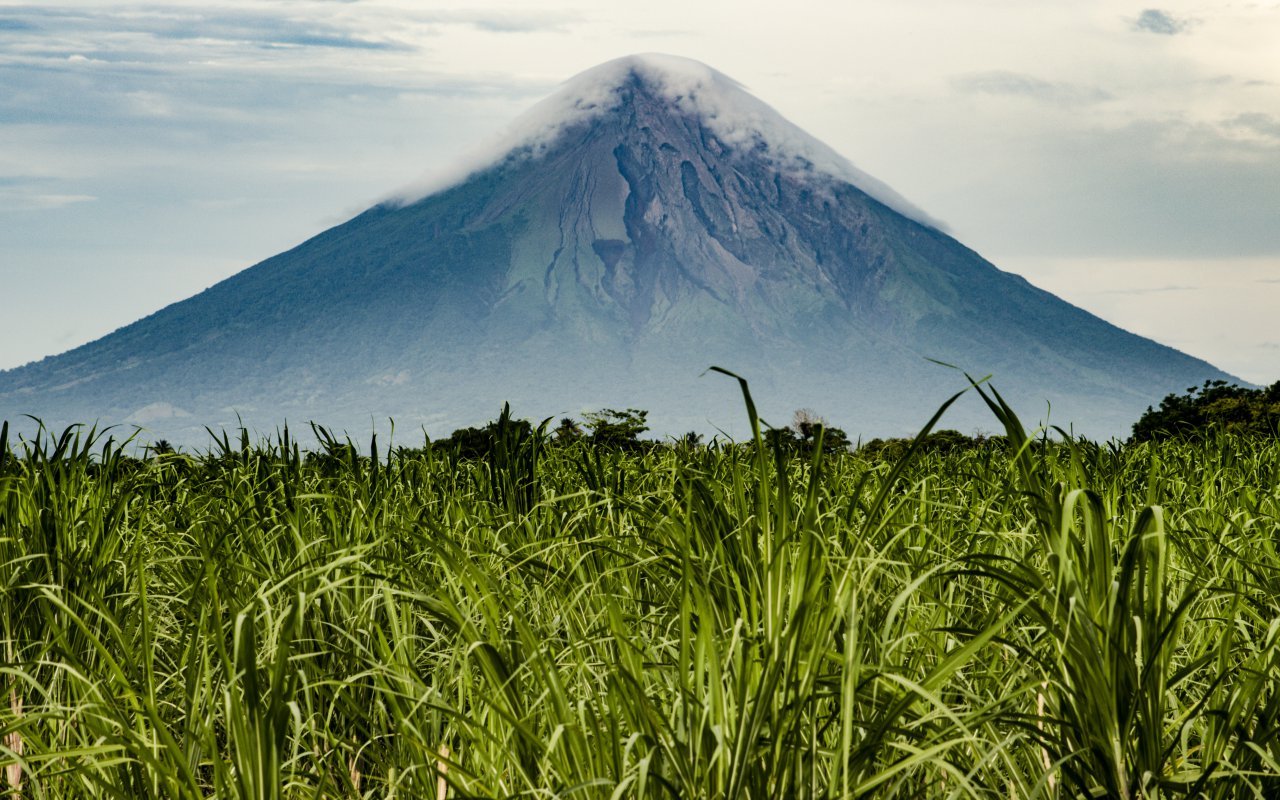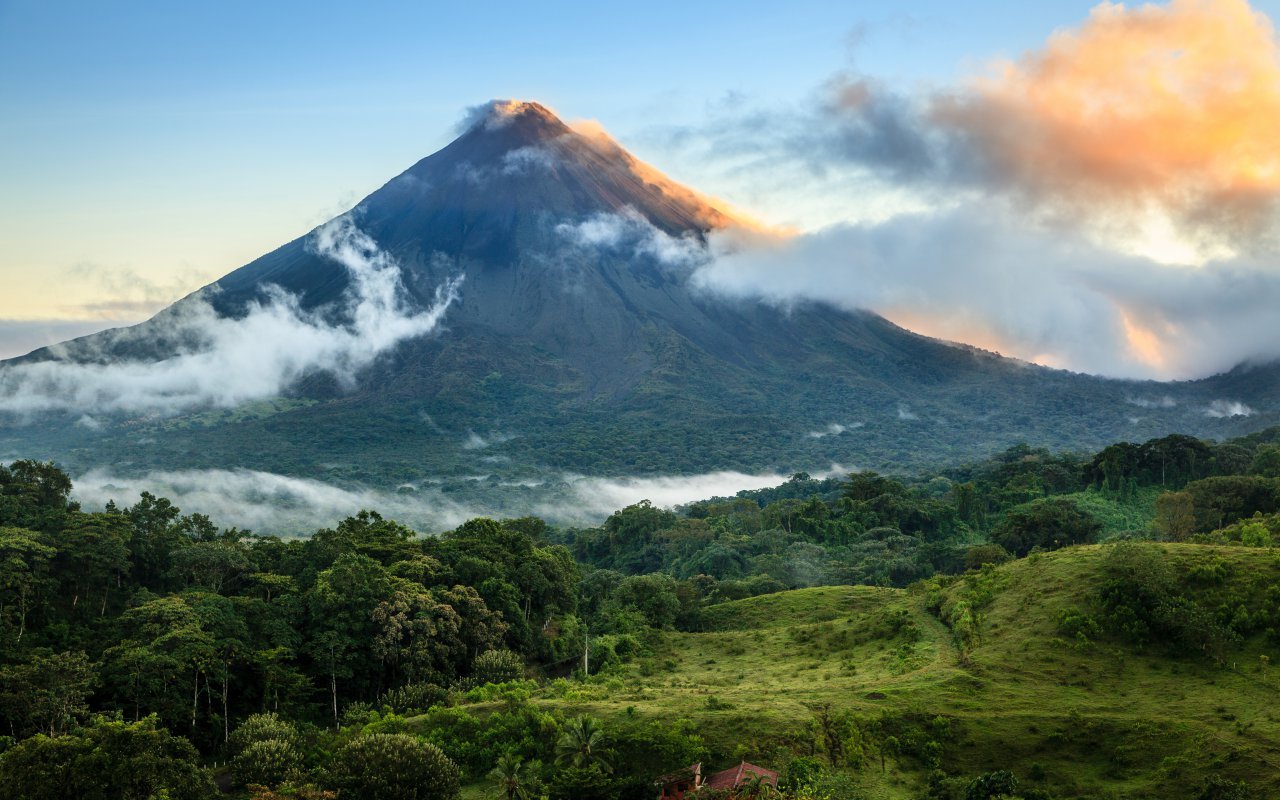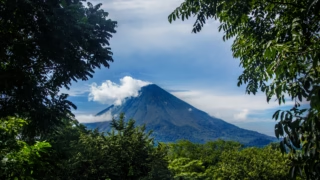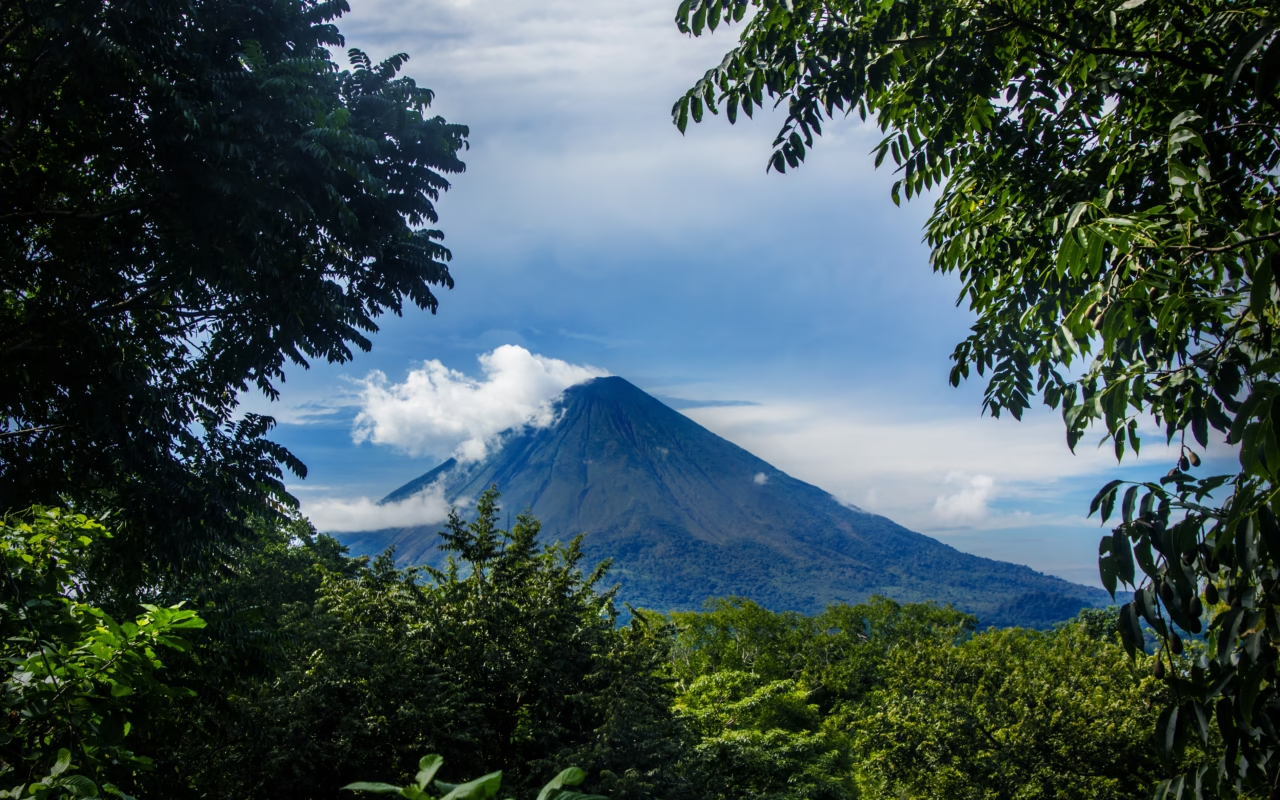
Nicaragua is one of Central America’s best-kept secrets for volcano hiking. With more than a dozen volcanoes stretching along the Pacific coast, most of them active, the country offers an extraordinary range of experiences, from leisurely summit walks to demanding technical climbs. Thanks to its tropical climate, these volcanoes can be visited almost year-round, and every single one can be climbed to the summit, where spectacular views, glowing lava lakes, and stunning sunsets await.
After years of exploring Nicaragua’s trails, mountains, and coastlines, I’ve put together this guide to the 9 best volcanoes to climb in Nicaragua, covering difficulty, terrain, practical tips, and the best time to visit each one.
By Pedro – Nicaragua hiking expert and trail guide
Easy to Intermediate: Volcanoes Near Granada, Managua & León
These three volcanoes are the most accessible and most visited in the country, making them a perfect starting point for any Nicaragua volcano hiking itinerary.
1. Masaya Volcano: Nicaragua’s most visited volcano
Masaya Volcano sits at the heart of Nicaragua’s first national park, established in 1979. Covering 54 km² (20.8 mi²) and rising to 635 meters (2,083 ft) above sea level, it is without doubt the most visited volcano in the country, and for good reason.
A fully paved road leads all the way to the main crater, making Masaya one of the most accessible active volcanoes in the world. Along the way, visitors can admire dramatic lava flows on both sides of the road and stop at Nicaragua’s most comprehensive volcanology museum, which also covers the park’s rich flora and fauna.
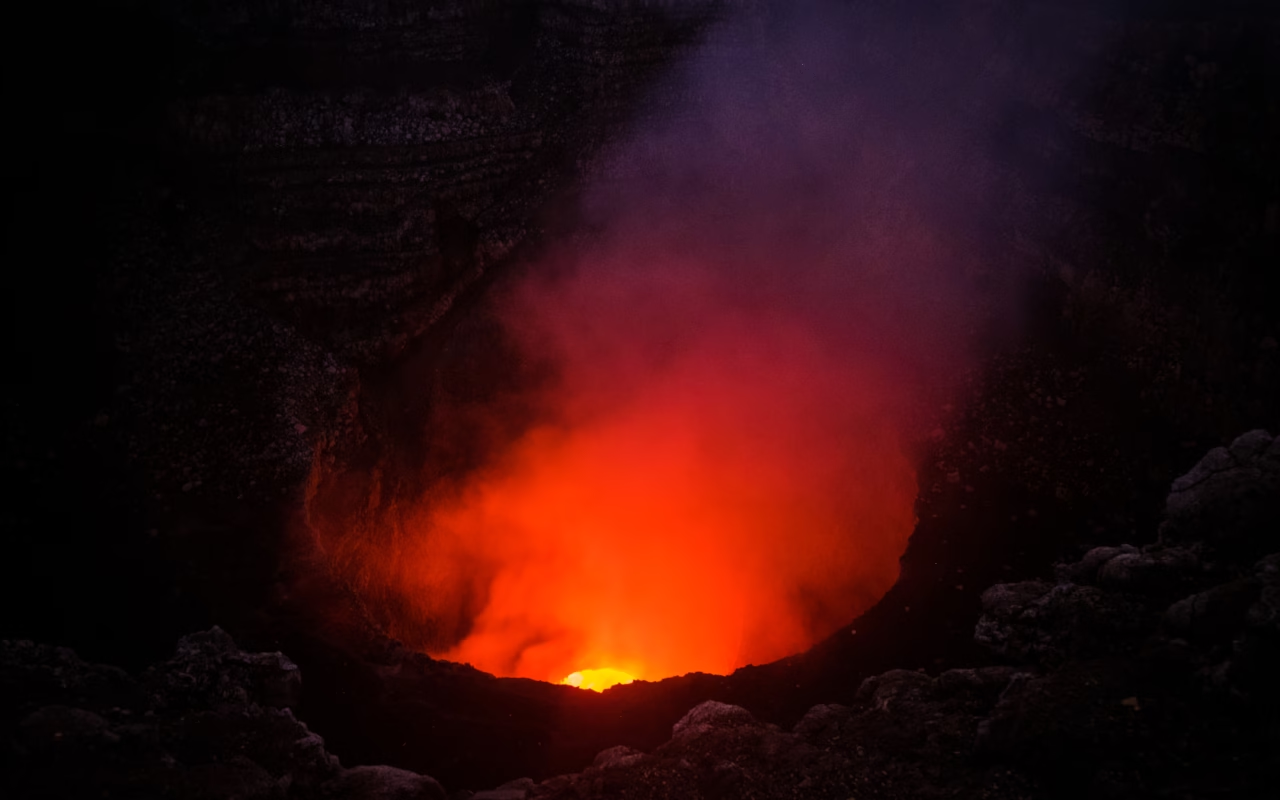
Highlights: The most popular experience is a night visit to the crater, where the glowing red lava lake shimmers in the dark, clearly an unforgettable sight.
Difficulty: Very Easy. Paved road to the summit.
Best for: All visitors, families, first-time volcano tourists.
2. Mombacho volcano: The cloud forest hiking near Granada
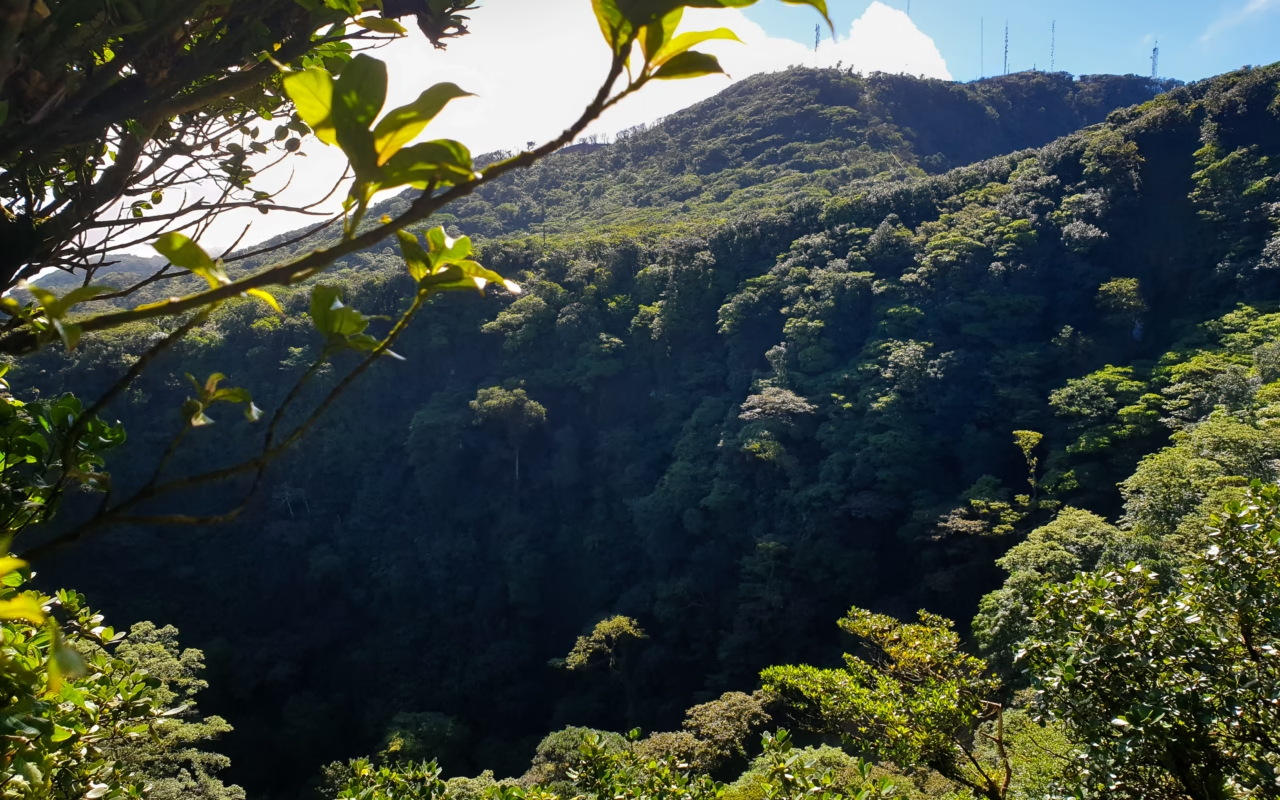
Just 30 minutes from Granada, Mombacho volcano is a must-visit for nature lovers. Rising to 1,345 meters (4,413 ft) above sea level, it is home to one of only two cloud forests on Nicaragua’s Pacific coast. A lush, misty ecosystem full of biodiversity.
A 4×4 vehicle can take you close to the summit, where three trails await depending on your fitness level. From the viewpoints, you can admire the Granada Islets (an archipelago created by a prehistoric eruption), the city of Granada, Masaya Volcano, Apoyo Lagoon, and Lake Nicaragua. All in one panorama!
Recommended trail: El Puma Trail (intermediate to advanced). It passes through the cloud forest, the dwarf forest, and the dead forest zones shaped by volcanic gas emissions.
Difficulty: Easy to Intermediate. 4×4 access to near-summit.
Best for: Nature lovers, birdwatchers, day trippers from Granada.
3. Cerro Negro volcano: volcano boarding in Nicaragua
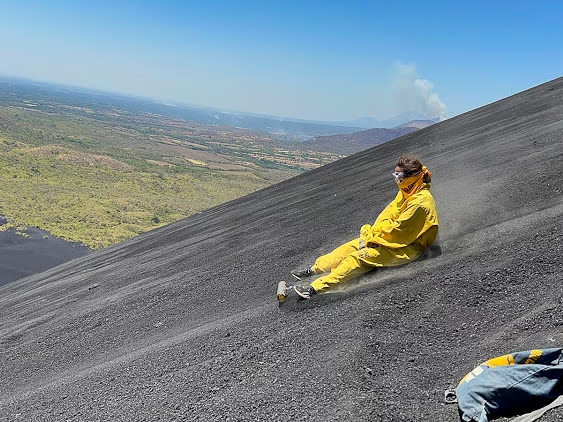
Looking for the most adrenaline-packed experience in Nicaragua? Cerro Negro is what you’re looking for! The youngest volcano in the country, standing at 728 meters (2,388 ft), has become world-famous for one activity above all else: volcano boarding.
Just one hour by 4×4 from León, this striking black ash mountain rises dramatically from the surrounding green fields and forests. The ascent follows a rocky trail from the base to the upper crater, where hikers are rewarded with sweeping views of the Los Maribios volcanic range, named after the Indigenous people who once inhabited the region.
There is two ways to descend:
- Walk back down the same trail to the 4x
- Grab a sandboard and slide down the volcanic slopes at speed, definitely the most popular option!
Extra highlights: Remarkable biodiversity including snakes, hawks, and owls. The volcanic ash also enriches local agriculture, supporting crops like cassava, hibiscus (flor de jamaica), and sesame.
Difficulty: Easy to Moderate. Short ascent, thrilling descent option.
Best for: Adventure seekers, groups, day trips from León.
Overnight camping: volcanoes with stargazing & sunrise views
These next two volcanoes offer something extra special: the option to camp near the crater and experience peaceful nights beneath a sky full of stars, followed by breathtaking sunrises over the volcanic range.
4. El Hoyo Volcano: best camping volcano in Nicaragua
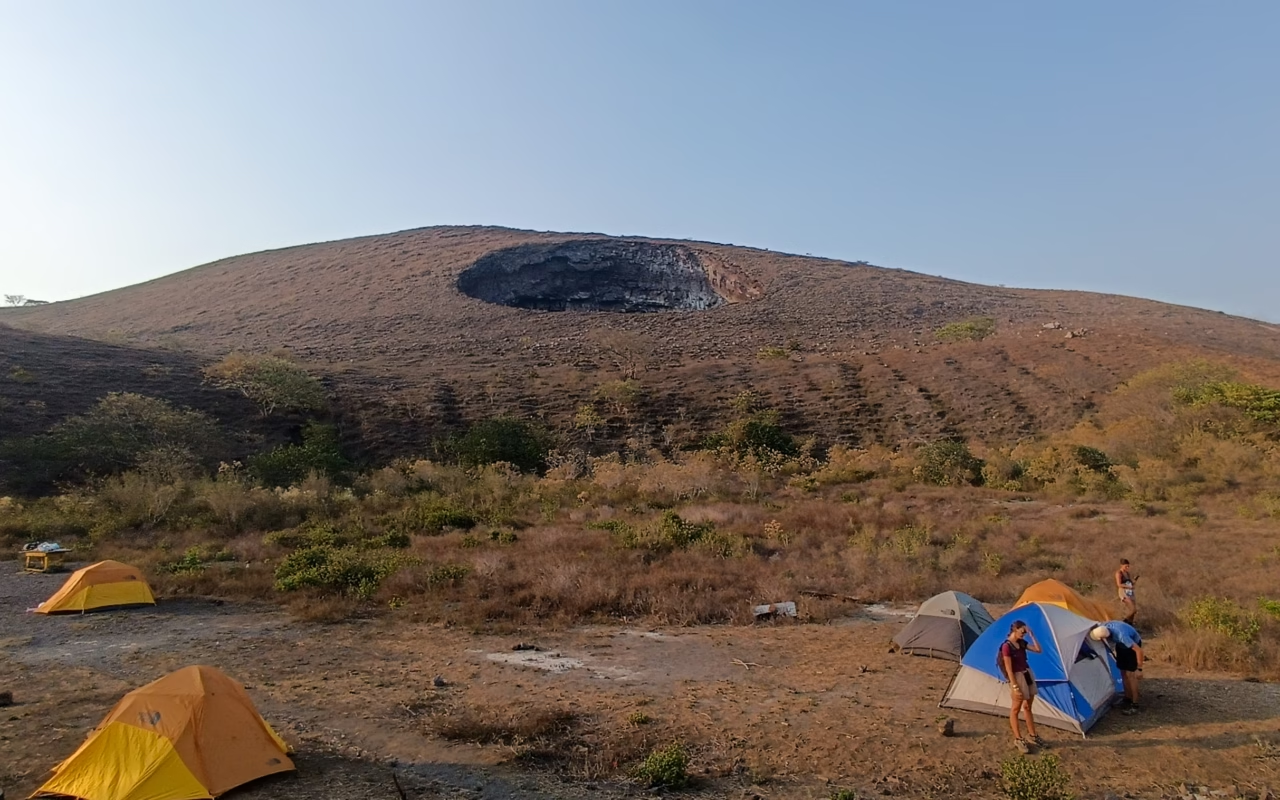
El Hoyo is one of Nicaragua’s best-kept secrets for hikers and campers. This easy-to-intermediate hike reaches the summit after approximately three hours of walking, and the reward is spectacular: panoramic views of Momotombo Volcano and its smoking crater, Lake Managua, and El Tigre Lagoon.
Camping overnight here offers one of the most beautiful sunrises you will ever see: as the sun rises beside Momotombo, it illuminates El Hoyo’s implosion crater in warm golden light. The volcano can also be done as a day hike, either returning the same way or descending toward El Tigre Lagoon.
My recommendation: Camping overnight is absolutely worth it. Don’t miss it!
Difficulty: Easy to Intermediate. Approximately 3 hours to summit.
Best for: Hikers looking for a camping experience, sunrise photography.
5. Telica Volcano: Nicaragua’s most photogenic volcano
Telica has become something of a social media phenomenon and it’s easy to see why. Standing at 1,061 meters (3,480 ft) above sea level, this active volcano erupts regularly, sending ash clouds that dust the crater’s slopes white and can be seen from the road to León.
The full hike to the summit takes about three hours along a dirt and rocky trail with steep sections. In the dry season, the trail can be dusty and hot, but the reward is clear skies and sweeping views of the main crater and neighbouring San Cristóbal Volcano. An alternative is to drive by 4×4 and then hike the final 45 minutes. Making it ideal for a late-afternoon sunset visit.
At night, Telica truly comes alive: the sky fills with stars, and the crater glows red from within, one of the most extraordinary natural spectacles in the country. Around the rim, you’ll find reddish volcanic rocks scattered from past eruptions.
Difficulty: Moderate. 3-hour hike or 4×4 + 45 min walk.
Best for: Sunset visits, night crater viewing, social media enthusiasts.
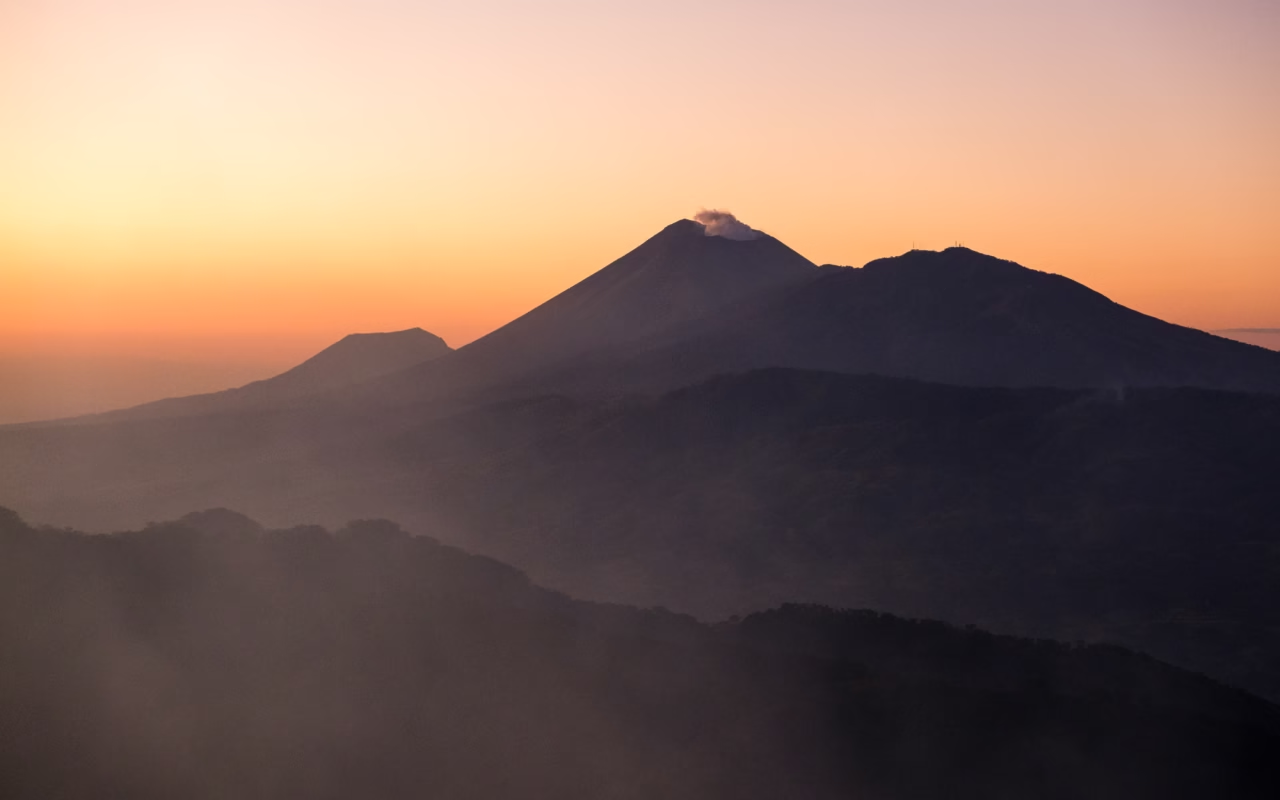
Half-Day Option: Cosigüina volcano in Chinandega
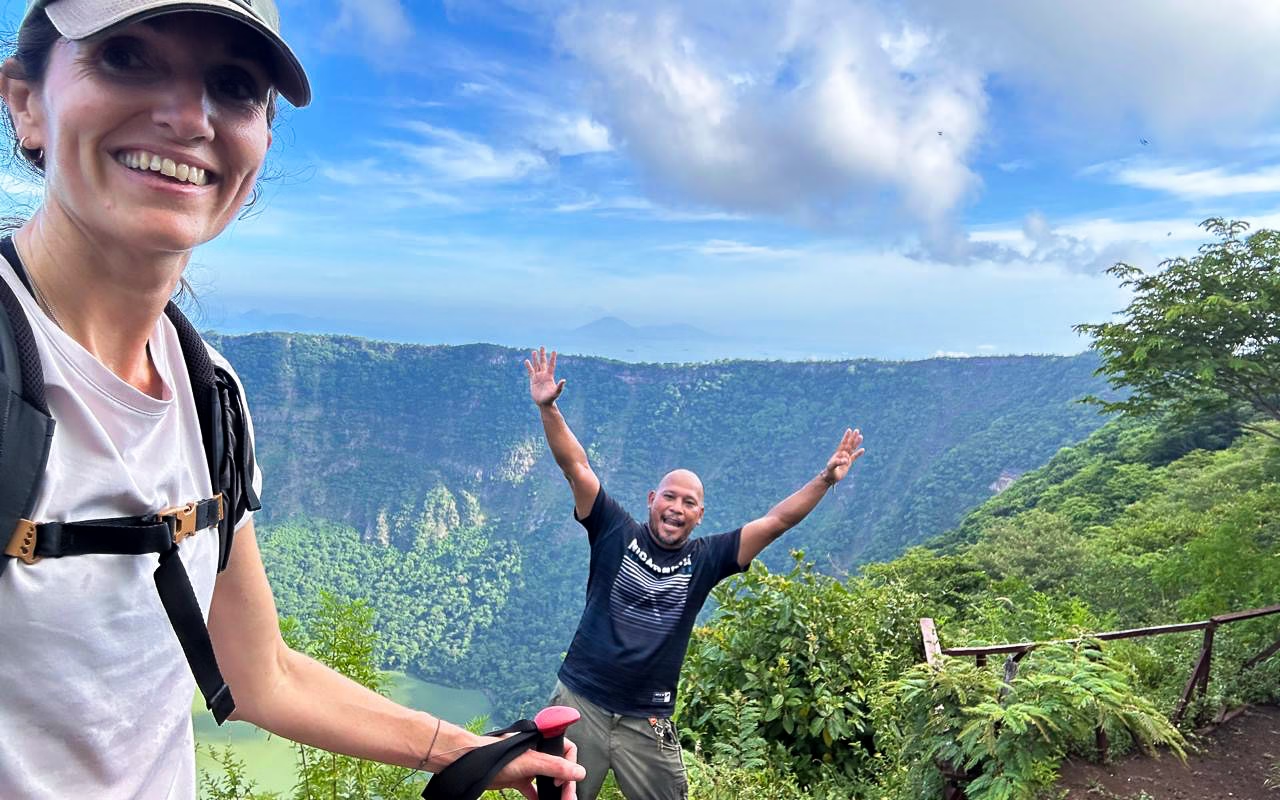
6. Cosigüina volcano: a hidden gem with a dramatic history
Cosigüina is one of Nicaragua’s lesser-known volcanoes, but its story is one of the most dramatic in the country’s geological history. It is believed that Cosigüina was once the tallest volcano in Nicaragua, until a violent eruption in 1835 blew off more than half its original height. Historical accounts report that ash from the explosion reached as far as Mexico and Jamaica!
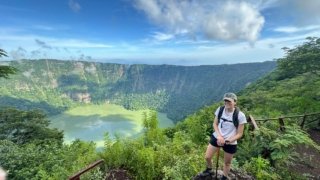
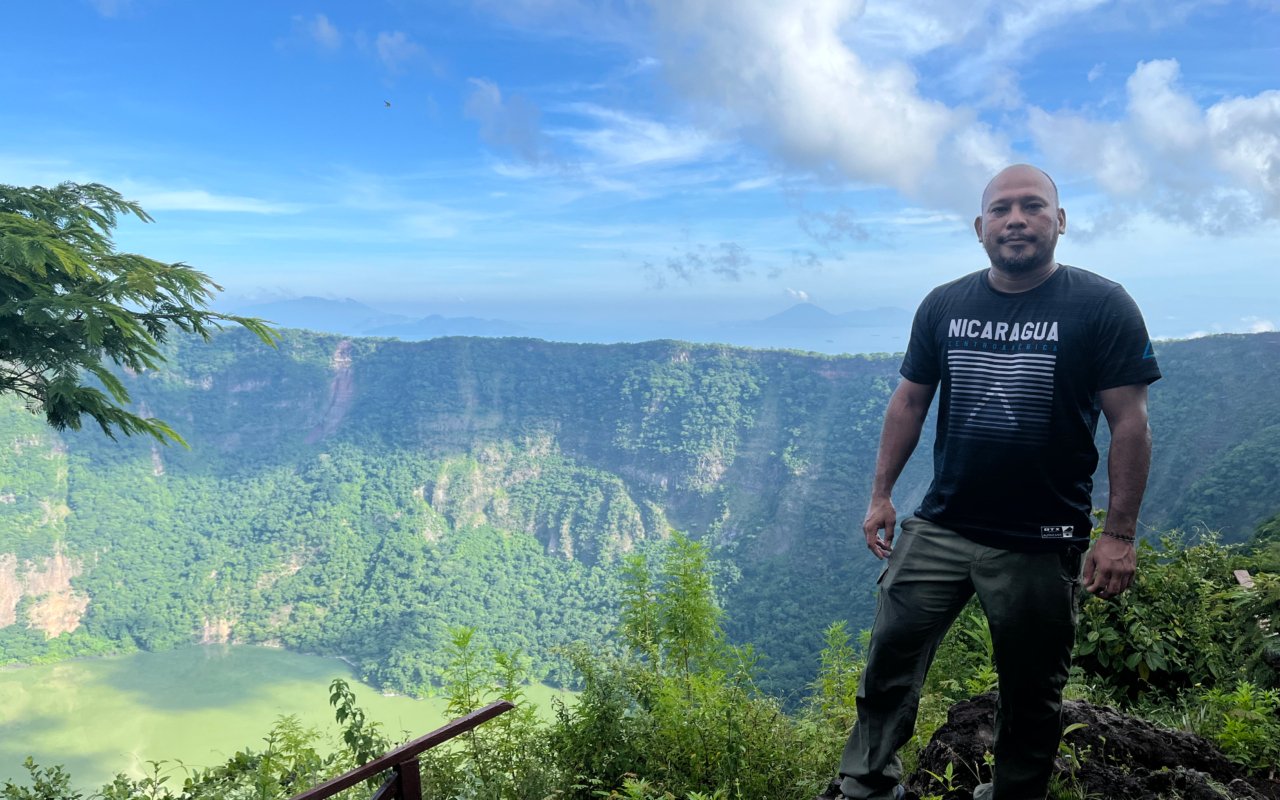
Today, the truncated crater makes for a fascinating and very accessible hike of less than one hour. At the rim, you are rewarded with one of the finest viewpoints in the Chinandega department: the lagoon inside the crater, and on clear days, volcanoes in El Salvador and Honduras across the Gulf of Fonseca. The trail crosses both dry and transitional forest ecosystems.
My recommendation: If you are in Chinandega and have half a day free, this is an excellent choice and not to be missed.
Difficulty: Easy. Less than 1 hour to the crater rim.
Best for: Half-day excursions from Chinandega, history buffs.
Advanced hikes: Maderas & Concepción in Ometepe Island
Ometepe is a volcanic island rising from Lake Nicaragua (also known as Lake Cocibolca) in the southern part of the country. Covering 276 km² of fertile land, famous for its plantain exports, the island is formed by two volcanoes, both of which can be climbed in full-day hikes of 7 to 9 hours.
Good physical condition is essential for both summits. Heat, humidity, altitude, and challenging terrain all come into play.
7. Maderas volcano: the cloud forest hike to a crater lagoon
Maderas Volcano hosts the second cloud forest on Nicaragua’s Pacific coast. Multiple trails lead to the lagoon hidden inside the main crater, all beginning among banana, bean, or rice plantations and passing through dry forest, transitional forest, and finally dense cloud forest. Along the way, monkeys and a wide variety of bird species can be spotted, and several viewpoints offer postcard views of Concepción Volcano and Lake Nicaragua.
Reaching the lagoon takes 3 to 4 hours along trails carpeted with volcanic rocks and roots. The cloud forest environment means fog, rain, and mud are regular companions on this route. The lagoon is sometimes fully visible at the summit. At other times, only parts of it emerge through the mist.
The return involves climbing back up before descending along slippery, muddy trails, making this a genuine physical challenge.
Difficulty: Advanced. 7 to 9 hours, steep and muddy terrain.
Best season: Dry season (December to early May) – March and April offer the best chances of seeing the lagoon clearly.
Best for: Experienced hikers, wildlife enthusiasts, cloud forest lovers.
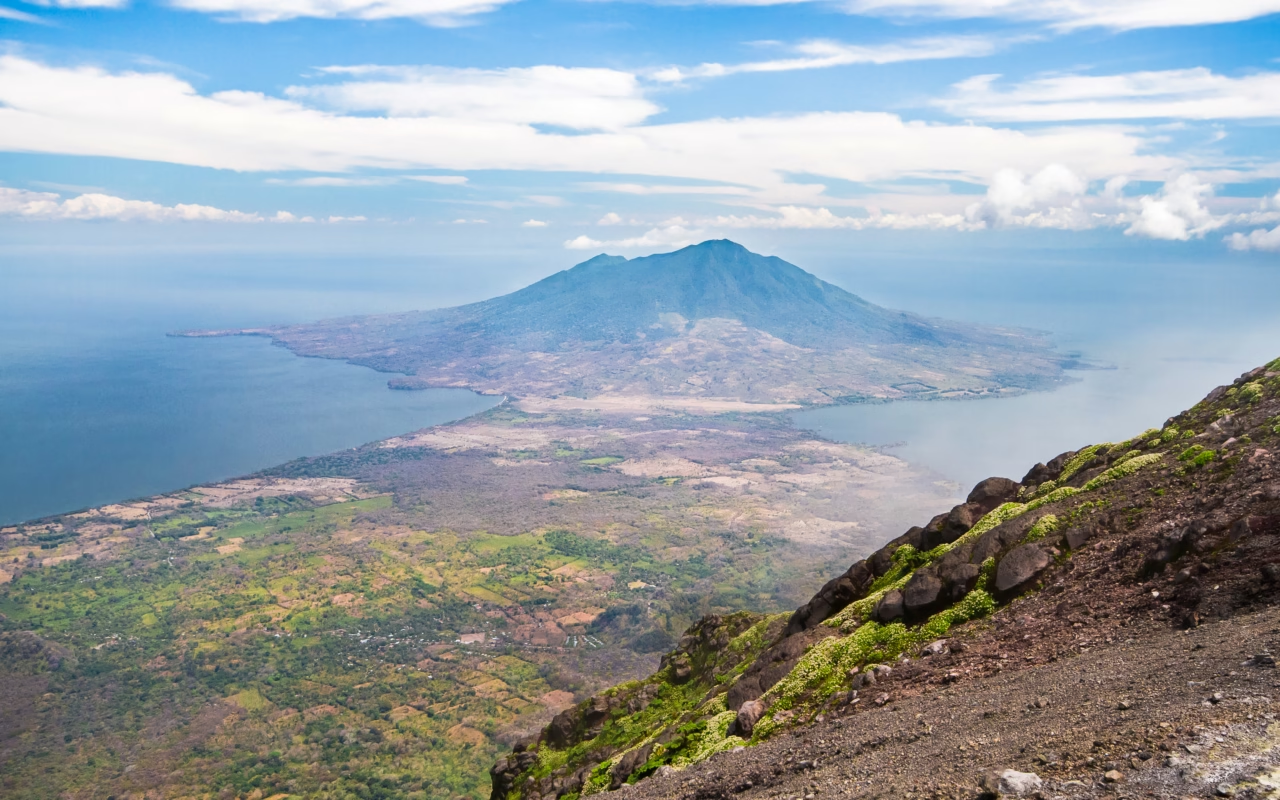
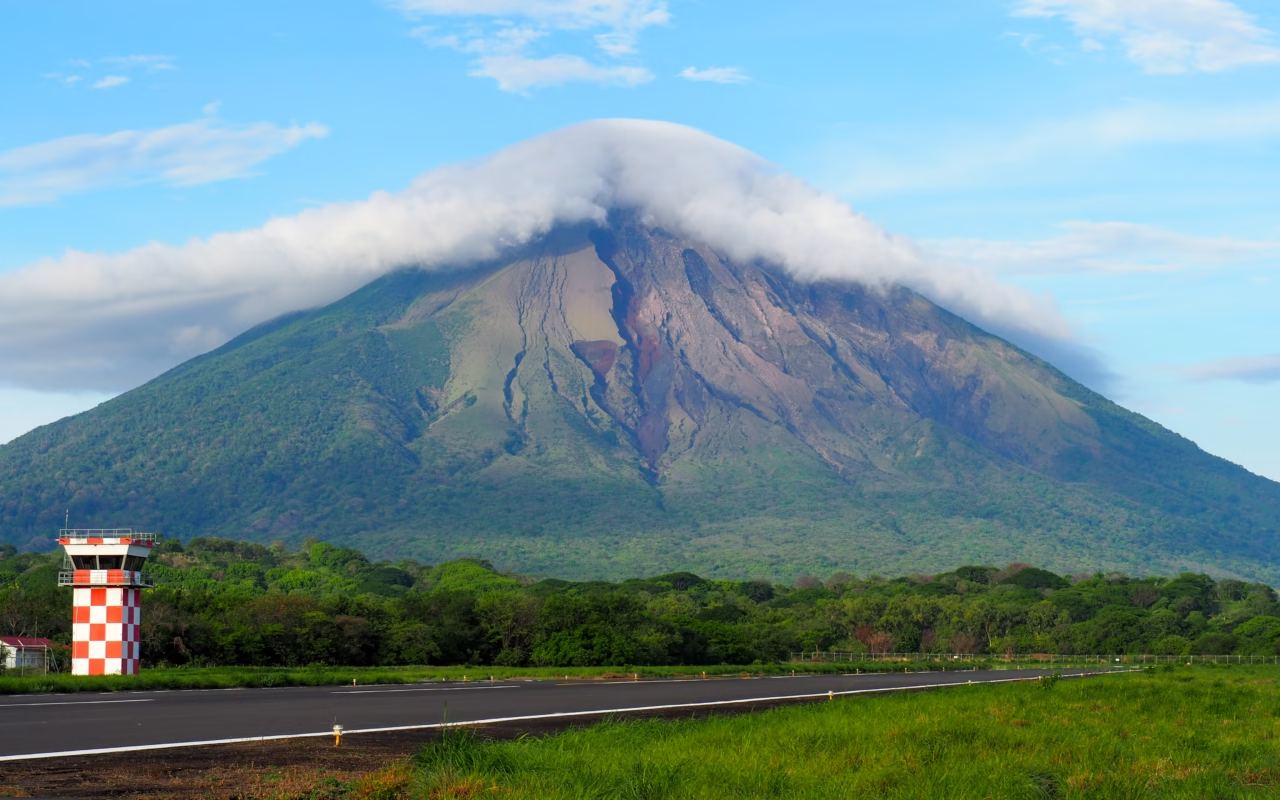
8. Concepción volcano: Ometepe’s highest summit
Concepción is one of the most demanding hikes in Nicaragua: a full-day commitment that takes between 8 and 10 hours. The trail begins at approximately 500 meters above sea level and climbs relentlessly to the summit at 1,610 meters. There are no flat sections.
The first half follows dirt and gravel paths through dry forest, with much of the route exposed to direct sun, meaning that heat management is crucial. The upper section shifts to rocky terrain winding through bromeliads and giant gunnera plants. The summit itself is devoid of vegetation and exposed to strong and cold winds.
On clear days, hikers can look directly into the crater, observe volcanic gas emissions, and enjoy uninterrupted views of Maderas Volcano and Lake Nicaragua. In certain atmospheric conditions, up to three concentric rings of clouds can form around the crater which makes a truly extraordinary spectacle.
Difficulty: Very Advanced. 8 to 10 hours, steep, exposed, technically demanding descent.
Best for: Experienced hikers seeking a serious physical challenge.
The ultimate challenge: San Cristóbal volcano
9. San Cristóbal volcano: Nicaragua’s highest active volcano
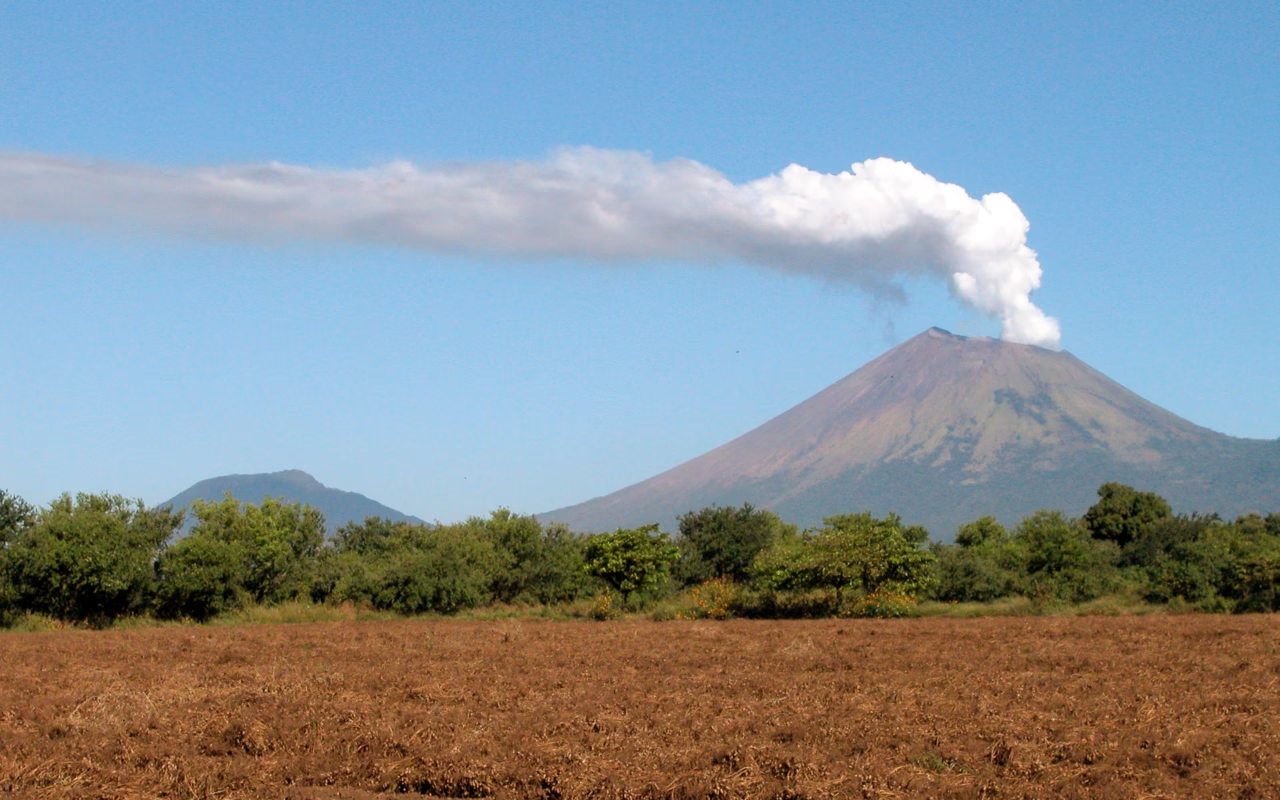
San Cristóbal is, arguably, the most technically demanding volcano hike in Nicaragua and also the most rewarding. Standing at 1,745 meters (5,725 ft) above sea level, it is the highest active volcano in the country, and climbing it is a true achievement.
The trail begins on rugged ground covered with roots and rocks before entering dry tropical forest. The slope is steep and relentless, and more than half the route is open and exposed: loose volcanic sand and small stones demand careful, deliberate footwork with every step. Dead trees along the way are a haunting reminder of forests destroyed by volcanic gases and ash emissions.
The ascent takes 3 to 4 hours. Near the summit, larger rocks provide more stable footing, and a remarkable variety of insects, adapted to thrive in the volcanic environment, can often be spotted. The view into the crater is spectacular, and on a clear day the entire Los Maribios volcanic chain stretches out before you.
Difficulty: Very Advanced. Loose volcanic terrain, fully exposed, 3 to 4 hours ascent.
Best for: Experienced hikers, peak baggers, those seeking Nicaragua’s ultimate volcano challenge.
FAQ: Volcano hiking in Nicaragua
What is the best time of year to hike volcanoes in Nicaragua?
The dry season, from December to April, is generally the best time for volcano hiking in Nicaragua. You’ll enjoy clear skies, less mud on trails, and better summit visibility. However, most volcanoes (particularly Masaya, Cerro Negro, Mombacho, and Telica) can be visited year-round. The Ometepe volcanoes (Maderas and Concepción) are best tackled in the dry season due to very challenging muddy conditions during the rains.
Is it safe to hike volcanoes in Nicaragua?
Yes! When done with proper preparation or a reputable guide. All nine volcanoes in this guide are regularly visited by hikers and tourists. Some active volcanoes like Telica and San Cristóbal should be checked for recent eruption activity before visiting. Hiring a local guide is strongly recommended for the more challenging hikes, particularly Concepción, San Cristóbal, and Maderas.
How difficult is volcano sandboarding at Cerro Negro?
Volcano boarding at Cerro Negro is accessible to most visitors in reasonable physical condition. The ascent (approximately 45 minutes to 1 hour) is the most demanding part. The descent on a sandboard is fast and exciting (speeds can reach 80 km/h!) but guides provide full protective gear and instruction before you go. They will also tell you before the descent how to go slower if you prefer. No prior experience is needed.
Do I need a guide to hike Nicaragua’s volcanoes?
For Masaya, Mombacho, and Cerro Negro, trails are well-marked and accessible without a guide, though guided tours add significant value. For El Hoyo, Telica, Cosigüina, Maderas, Concepción, and San Cristóbal, a local guide is highly recommended, both for safety and to enrich your experience with knowledge of the local ecosystem, history, and geology.
Can I combine multiple volcanoes in one trip?
Absolutely. A one-week Nicaragua itinerary can comfortably include 3 to 4 volcanoes. A popular combination: Masaya or Mombacho (day 1 to 2, Granada based), Telica and Cerro Negro (day 3 to 4, León base), and Ometepe Island with Maderas or Concepción (day 5 to 7). With more time, add El Hoyo, Cosigüina, or San Cristóbal.
Ready to climb? Start planning your Nicaragua volcano trek!
Nicaragua’s volcanoes offer something for every level of hiker, from the family-friendly stroll to Masaya’s lava lake, to the gruelling summit push on San Cristóbal. Whatever your fitness level, there is a volcano waiting for you here.
The best way to explore these volcanoes safely and with maximum insight is with a knowledgeable local guide. At Terra Nicaragua, we offer guided hikes to all the volcanoes in this list, tailored to your pace and interests.
Explore our Nicaragua volcano hiking tours and start planning your adventure today!
Nature & Volcanoes of Nicaragua and Costa Rica