Nicaragua travel information you need to know before setting off
Located in the heart of Central America, Nicaragua is a little-known destination. The main point of entry for travel to Nicaragua is the Augusto C. Sandino International Airport in Managua. Sandino International Airport in Managua, which handles the majority of flights from the USA, Mexico and Panama. Internal connections from this airport facilitate access to remote regions, such as the Corn Islands in the Caribbean Sea or the Rio San Juan on the country’s southern border.
For travellers from French-speaking Europe, routes systematically require at least one stopover, often in North America or via regional hubs in Latin America. These itineraries extend travel time, but offer flexibility in terms of airlines and fares, which are subject to seasonal variations.
Before planning your itinerary, it’s essential to be aware of the logistical and regulatory particularities involved in entering Nicaraguan territory, so as to anticipate formalities, time differences, climatic conditions and the equipment required for a comfortable and safe stay.
International and domestic flights in Nicaragua
International flights
Nicaragua’s main airport is theAugusto C. Sandino International Airport in Managua.Sandino International Airport in Managua. Flights from Central America and the northern United States converge here. Domestic flights to the Corn Islands and Rio San Juan also depart from here
To get to Nicaragua from France, Switzerland or Belgium, you ‘ll need to make a stopover. Many airlines operate these routes. You can fly with Air France, Iberia, American Airlines, Delta Airlines or AeroMexico. Prices vary according to the season, from €600 to €1,200 for a trip lasting a minimum of 15 hours, with a stopover of around 3 hours. The time difference is 7 hours in winter and 8 hours in summer.

National flights to get around the country during your trip
From Managua’s Augusto C. Sandino International Airport in Managua, domestic flights mainly serve the Caribbean coast and southern border areas. The most frequent destination is the Corn Islands archipelago, some 70 kilometers off Bluefields. This journey, which takes just over an hour, avoids the long land and sea journey required to reach these islands.
Another notable link is San Carlos, on the shores of Lake Nicaragua and close to the Rio San Juan, the natural border with Costa Rica. Flights to this region provide easy access to the tropical jungle and nature reserves of southeastern Nicaragua. Most of the airlines operating these routes are local, such as La Costeña, which operates small aircraft adapted to the region’s short runways.
These domestic flights are subject to weather conditions, particularly during the rainy season, when delays and cancellations are frequent. For travelers, they offer considerable time savings and access to authentic territories far from the main tourist routes.
Here is a selection of local airlines operating in Nicaragua, with an emphasis on their reliability and online contact details. The choice is limited, as the country has only a small number of carriers for domestic routes.
La Costeña
This is Nicaragua’s main local airline. A subsidiary of Honduran carrier Avianca Regional for several years, La Costeña is now independent, and remains the benchmark for domestic flights. It serves the Corn Islands, Bluefields, San Carlos and Bilwi (Puerto Cabezas).
-
Official website: www.lacostena.com.ni
-
Note: small fleet of Cessna Caravan aircraft, regular maintenance, well adapted to local conditions.
Avianca (regional operations)
Although not Nicaragua’s national airline, Avianca’s regional operations provide flights from Managua to neighboring countries, notably Honduras and El Salvador. It is often chosen to combine domestic and regional flights in the same booking.
-
Official website: www.avianca.com
-
Note: useful if you are planning combined connections with destinations in Central America.
It should be noted that La Costeña is currently the only strictly national airline for domestic flights. The air network is very limited, and there are currently no regular or more reliable local alternatives. The other airlines present in Managua mainly operate international or regional flights.
Inspiration to create your trip to nicaragua
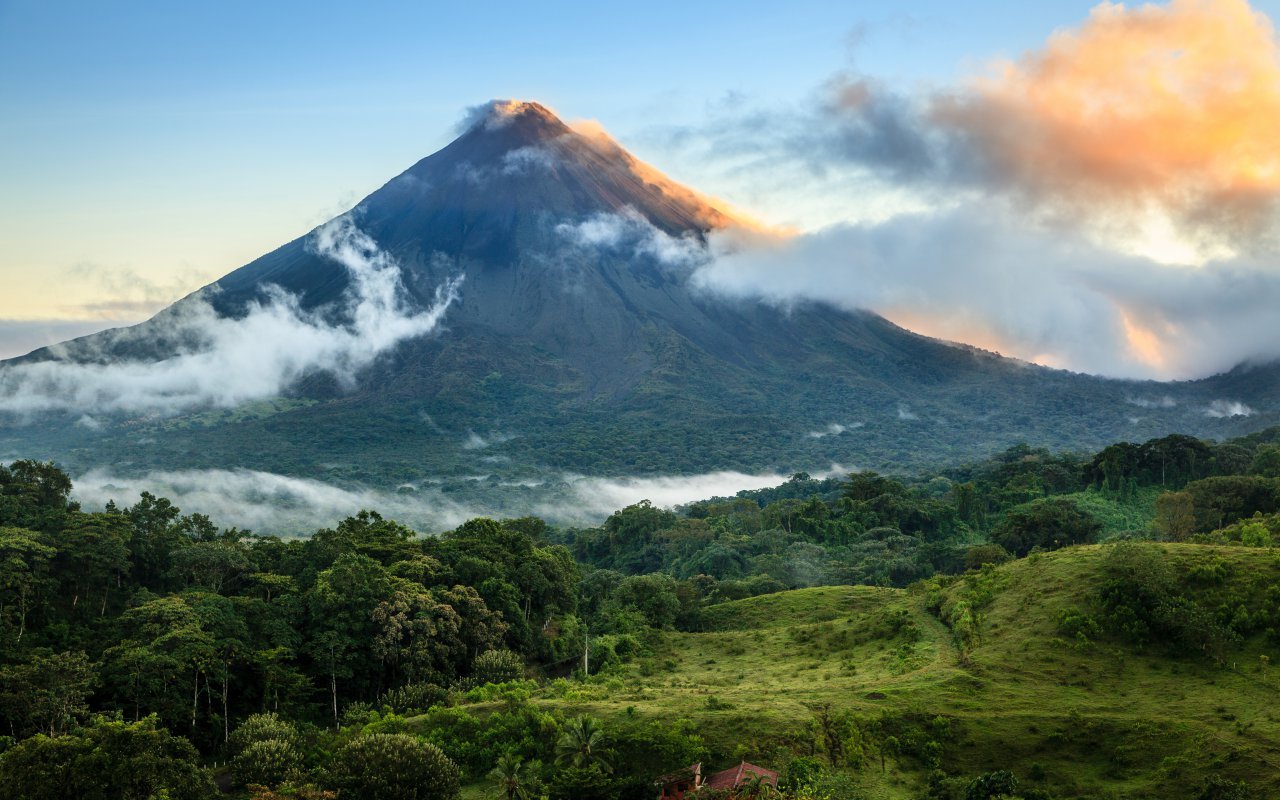
Travel to Nicaragua via Costa Rica
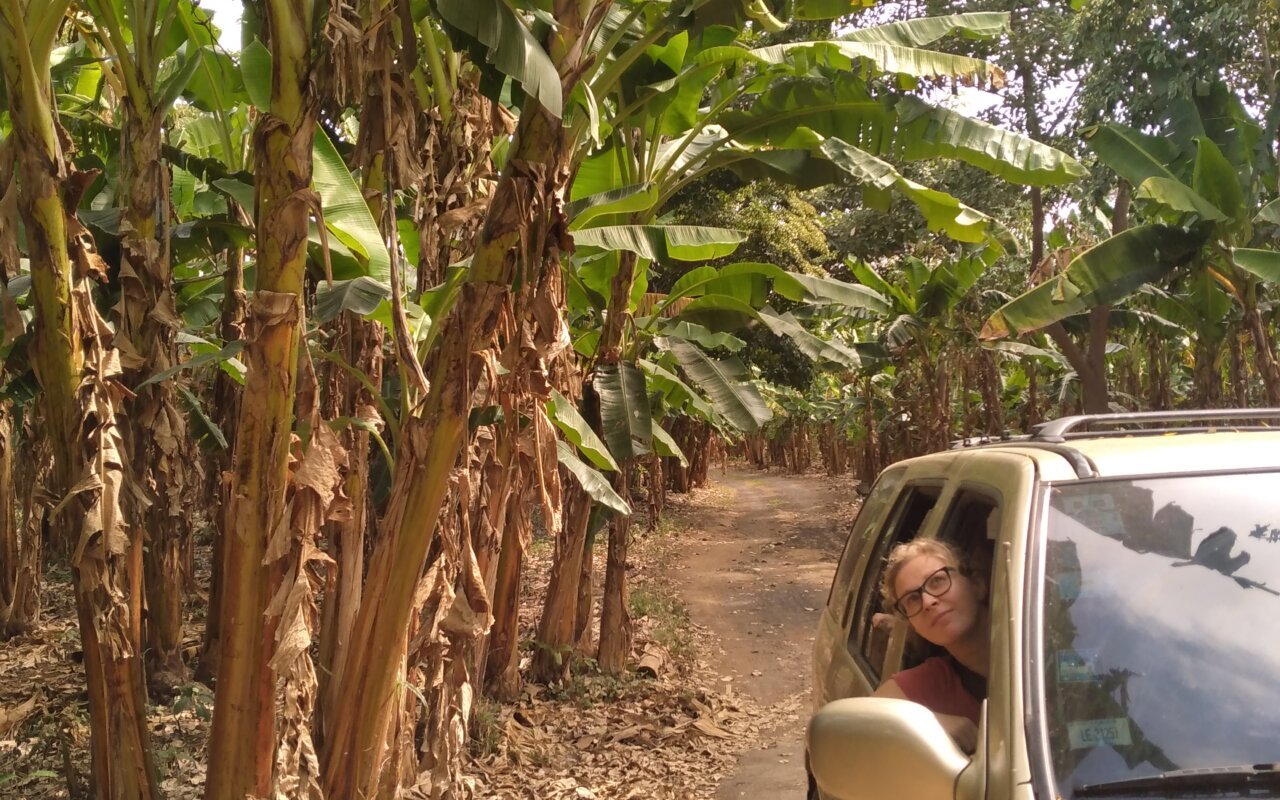

The Highlights of Nicaragua in 2 weeks A 14 days trip
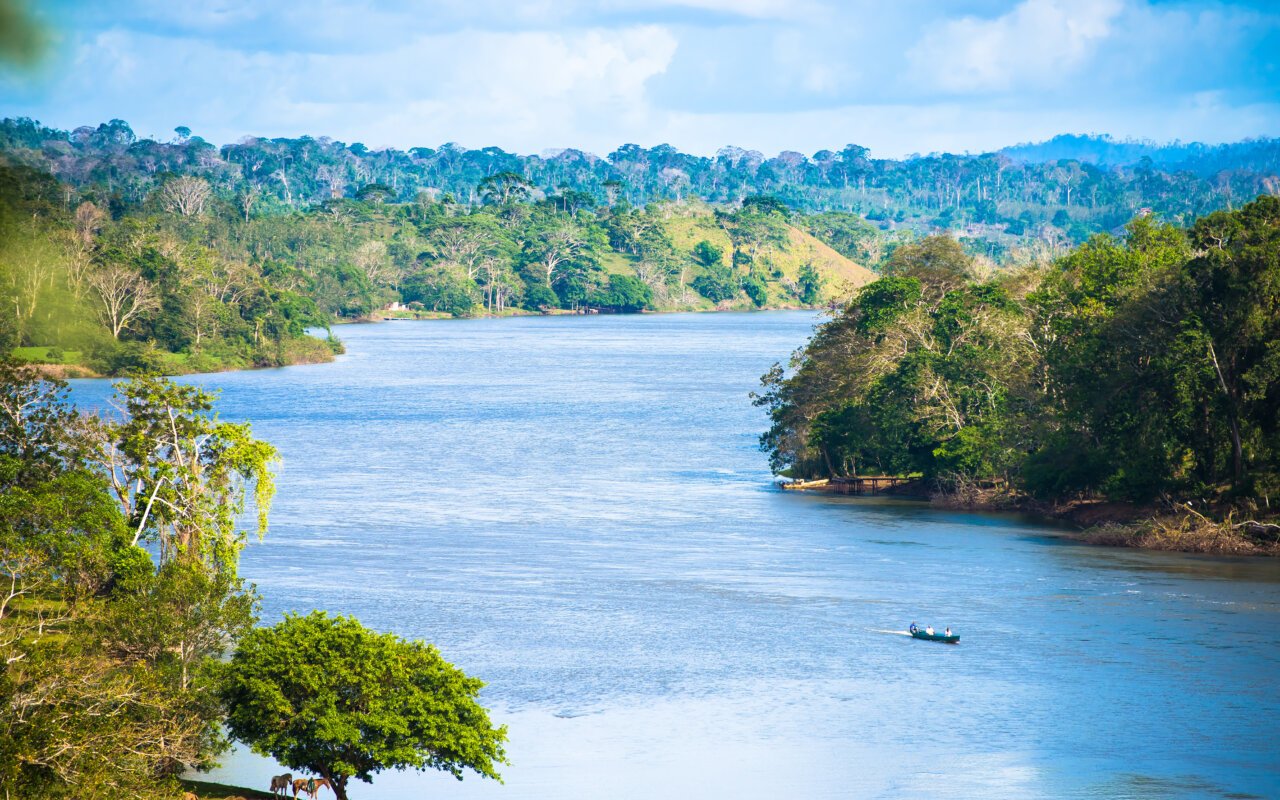
Great Nicaragua Crossing

Travel to Nicaragua: Colonial cities and active volcanoes
Is it necessary to use an agency to travel to Nicaragua?
Local agencies like Terra Nicaragua are French-speaking and locally based. They draw on years of in-depth knowledge of the terrain, enabling them toanticipate unforeseen weather conditions or the country’s sometimes limited infrastructure. They select tried-and-tested accommodation and service providers, guaranteeing a level of reliability difficult to achieve by booking alone. Finding competent French-speaking guides can also prove complex: agencies have direct contacts and long-standing partnerships to accompany travellers in their own language. They also coordinate travel arrangements, including internal transfers and domestic flights, which are often subject to last-minute changes. When you use an agency, you benefit from controlled organization and solid local support throughout your trip.
What should you pack for Nicaragua?
Luggage allowance varies by airline, but is usually between 21 and 23kg. We recommend you take a suitcase or large backpack with clothes you feel comfortable in. Whatever the season in which you travel to Nicaragua, we recommend that you pack
- a small backpack that you can take with you on daily excursions.
- comfortable, breathablesummer clothes. Lightweight cover-ups to protect you from the sun or mosquitoes in the evening.
- a raincoat and sweater for travel in the north of the country
- hiking or sportsshoes for long-distance walking / all-terrain sandals
- sun and mosquito protection adapted to a humid tropical zone
- medical kit with paracetamol, anti-diarrhea and anti-allergy medication
- photocopy of your passport and yellow vaccination booklet
- an international adapter (male connector with two plugs, similar to the USA).
When to visit Nicaragua
Climate and weather
Nicaragua’s climate is tropical, meaning hot and humid. There are two distinct seasons: the dry season (called summer here) and the wet “green” season (called winter). The rains of the green season are tropical and therefore punctual: they do not prevent you from visiting Nicaragua in good conditions. To benefit from more stable weather, we recommend that you visit Nicaragua during the dry season from November to April. April is the hottest month, with temperatures regularly exceeding 40°C.
Rainy season
The rainy season extends from May to October in the western part of the country, and lasts until January on the Caribbean coast. It’s during these months that you’re most likely to encounter rains, floods and other climatic disasters. Indeed, even if the rains are punctual (1 hour in the afternoon), the quantities of water can be impressive. The months of January to May are the ideal time to go and enjoy the paradisiacal Caribbean beaches.For hiking, we recommend the dry season, as sometimes the paths and tracks become impassable due to the amount of water that has fallen. The in-between season is ideal, with open, passable paths, lush green landscapes and abundant waterfalls.
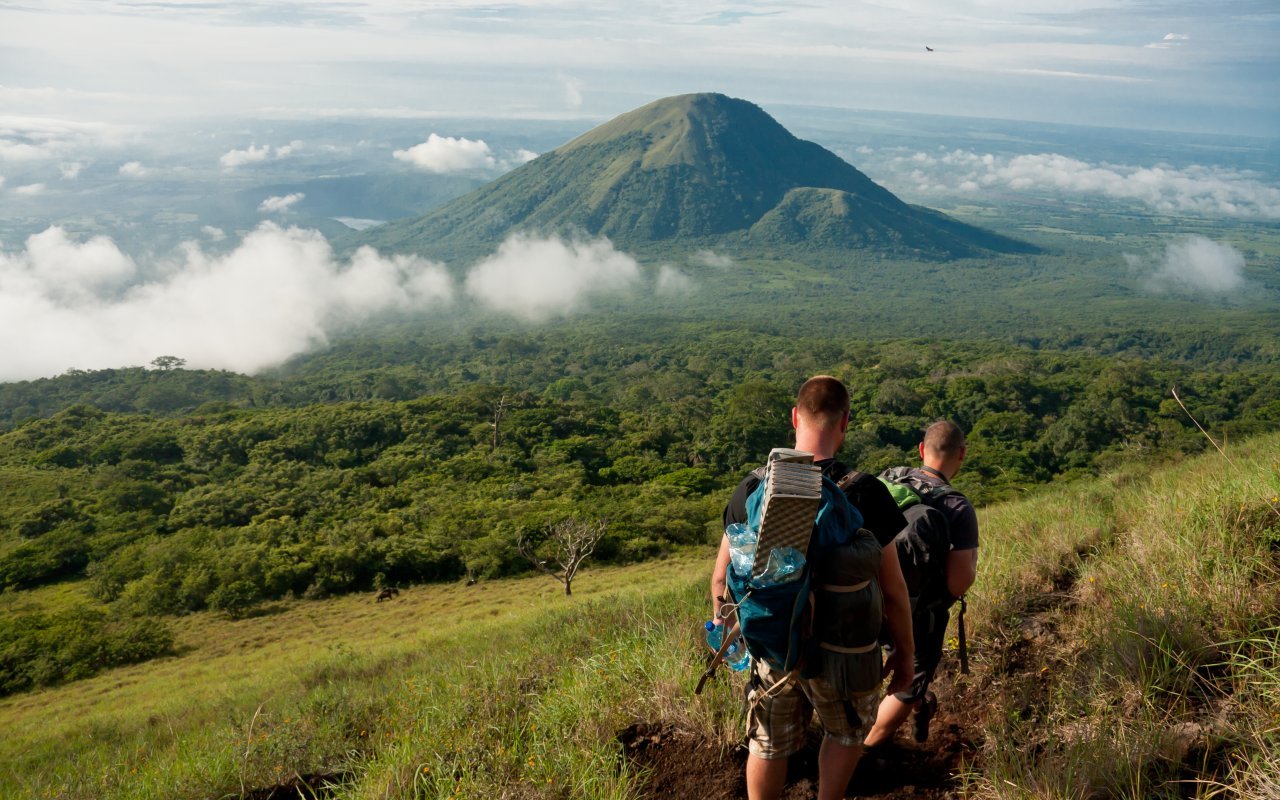
Administrative formalities and entry form
To enter Nicaragua
- valid passport expiring within 6 months of your return date
- proof of exit (plane ticket)
- no visa required for European and North American nationals
- entry tax of 10 usd to be paid directly to customs on arrival
- Complete the entry form and send it 36 hours before arrival to: preyes@migob.gob.ni and solitudes@migob.gob.ni (make a copy)
These conditions are subject to change. Check with the Nicaraguan consulate in your country before departure.
Vaccines for travelling to Nicaragua
Before leaving for Nicaragua, make sure your international vaccinations are up to date. In addition to the classic DTPP and hepatitis B vaccines, we recommend that you have up-to-date Hepatitis A and Typhoid vaccines before you leave. Yellow fever vaccination is compulsory only for travellers coming from (or having lived or stayed for a long time in) high-risk areas such as Panama, South America and certain sub-tropical African countries.