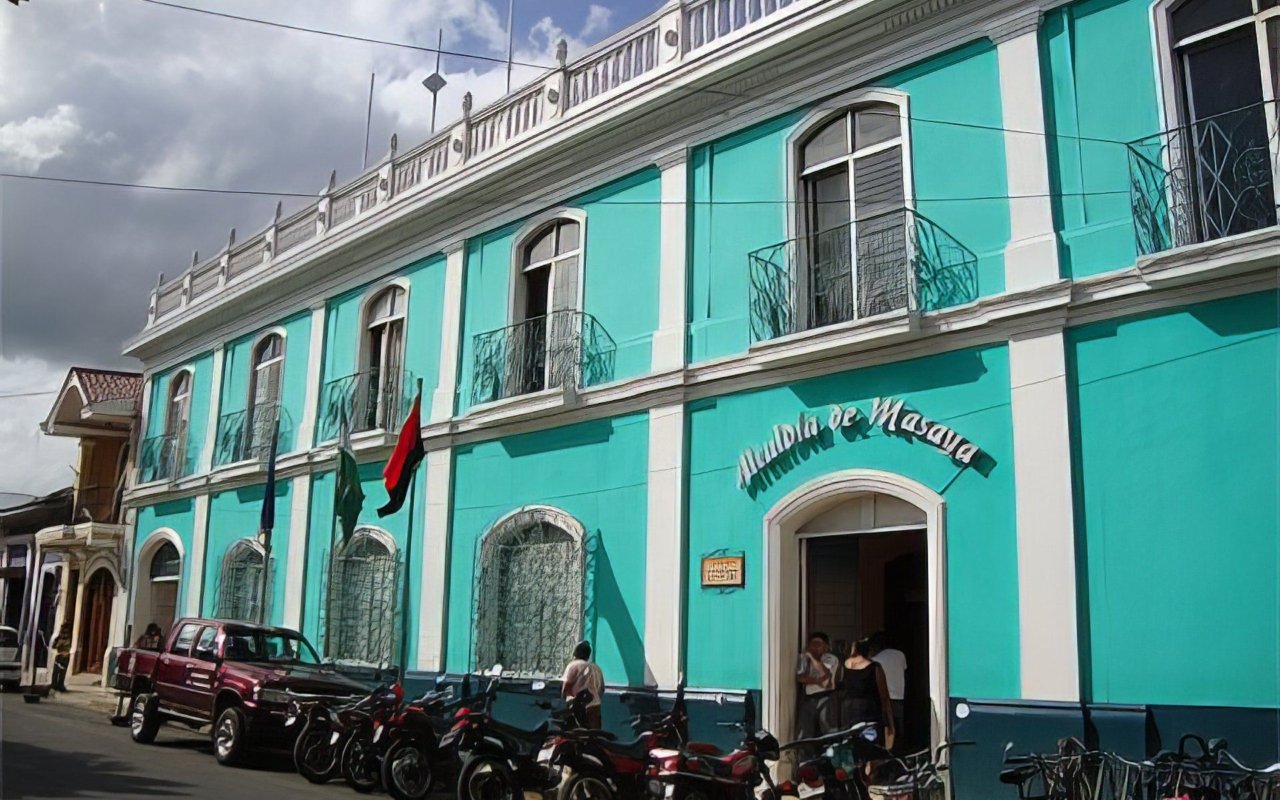
Located some 30 kilometers from Managua, the town of Masaya is considered the cultural and craft capital of Nicaragua. While today it attracts visitors for the beauty of its handmade objects and thecolorful atmosphere of its markets, this craft tradition has its roots much further back, in thecountry’s pre-Columbian history.
A strong craft tradition
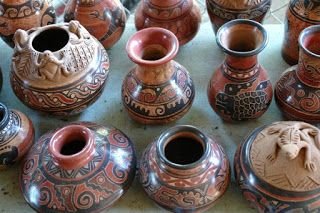
Long before the arrival of the Spanish, the indigenous peoples of the Masaya region, notably the Chorotegas and Niquiranos, practiced various forms of handicraft. They mastered pottery, wood carving, weaving and jewellery-making from shells, bones and volcanic stones. These objects often had a ritual or utilitarian function, but also carried a strong symbolic charge, linked to beliefs and the cycles of nature
Spanish influence
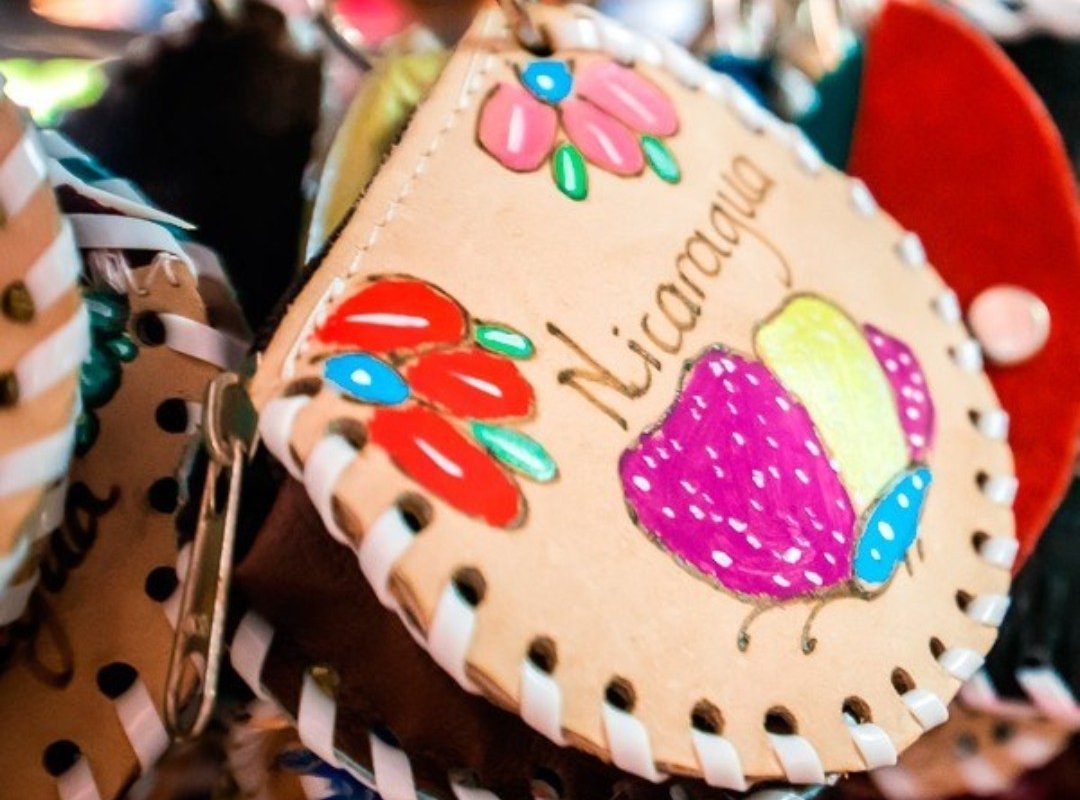
With colonization, these traditional practices were partially transformed underSpanish influence. New techniques were introduced, such as leatherwork and certain forms of embroidery, while indigenous crafts adapted, integrating new materials and styles. But despite these changes,Masaya’s craft identity has remained deeply rooted in its indigenous origins, andover the centuries Masaya has become a key center for the country’s artisans. Each family and community has preserved its own specialties, handed down from generation to generation. Even today, it’s not uncommon to see children learning the skills of their parents or grandparents, perpetuating a know-how that is both ancient and alive
The Masaya hammock
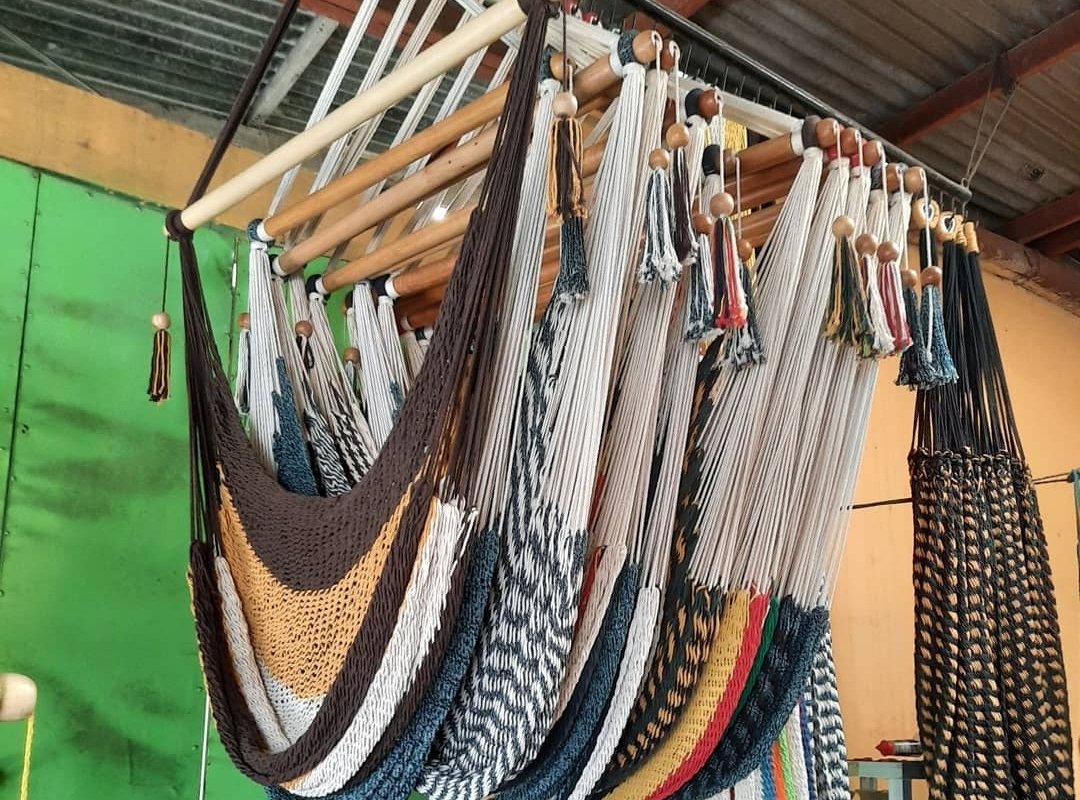
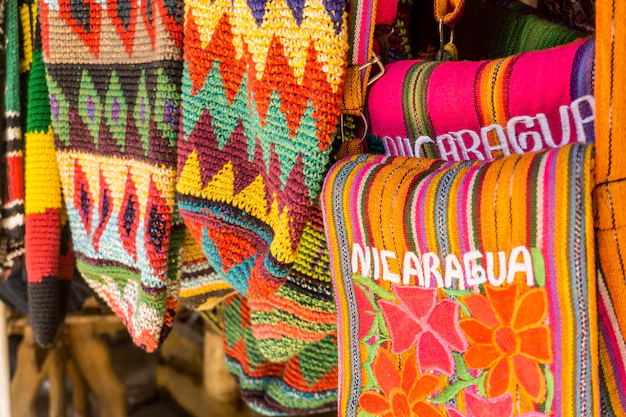
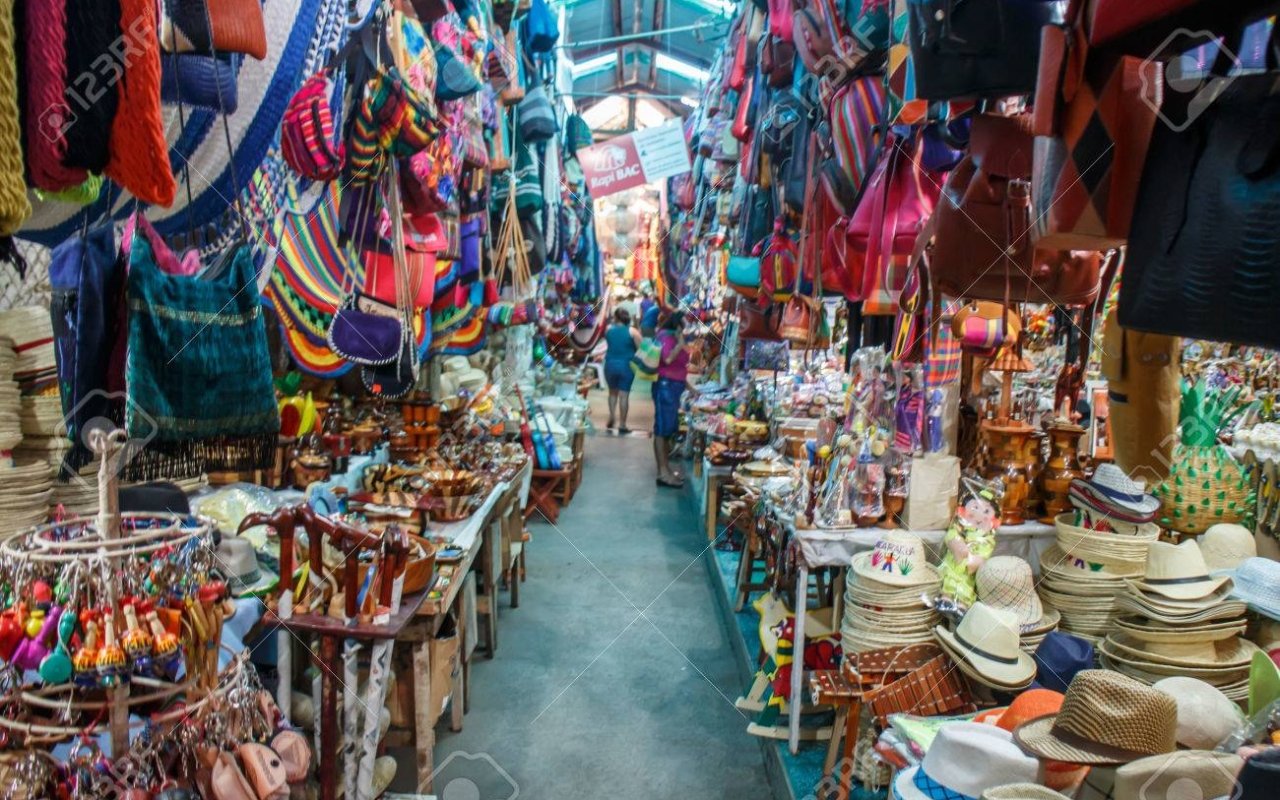
One of the most emblematicsymbols of this tradition is the Masaya hammock. Hand-woven using ancestral techniques, it combines comfort, solidity and aesthetics. The region also produces a wealth of ceramics, embroidered textiles and traditional masks used in folk dances, as well as leather and finely carved woodenobjects.
The Masaya craft market
The Masaya craft market, housed in a former colonial barracks, is today the main meeting point for artisans and visitors. But beyond this market, it’s in the neighborhood workshops, sometimes modest and open to the street, that the daily lives of these creators are lived. The work is often collective, family-based, and deeply rooted in the community
A cultural expression
In Masaya,craftsmanship is not just an economic activity: it is a cultural expression, a living heritage, a way of telling the story of Nicaragua through the hands of those who shape it. That’s what makes this town so unique, where tradition and creativity meet in the interplay of colors, textures and shapes.
And if you too dream of cozying up in a hand-woven hammock under the Masaya sun , don’t hesitate to contact us at contact@terra-nicaragua.com. We’ll take care of everything!