Masaya volcano: the active volcano reopens!
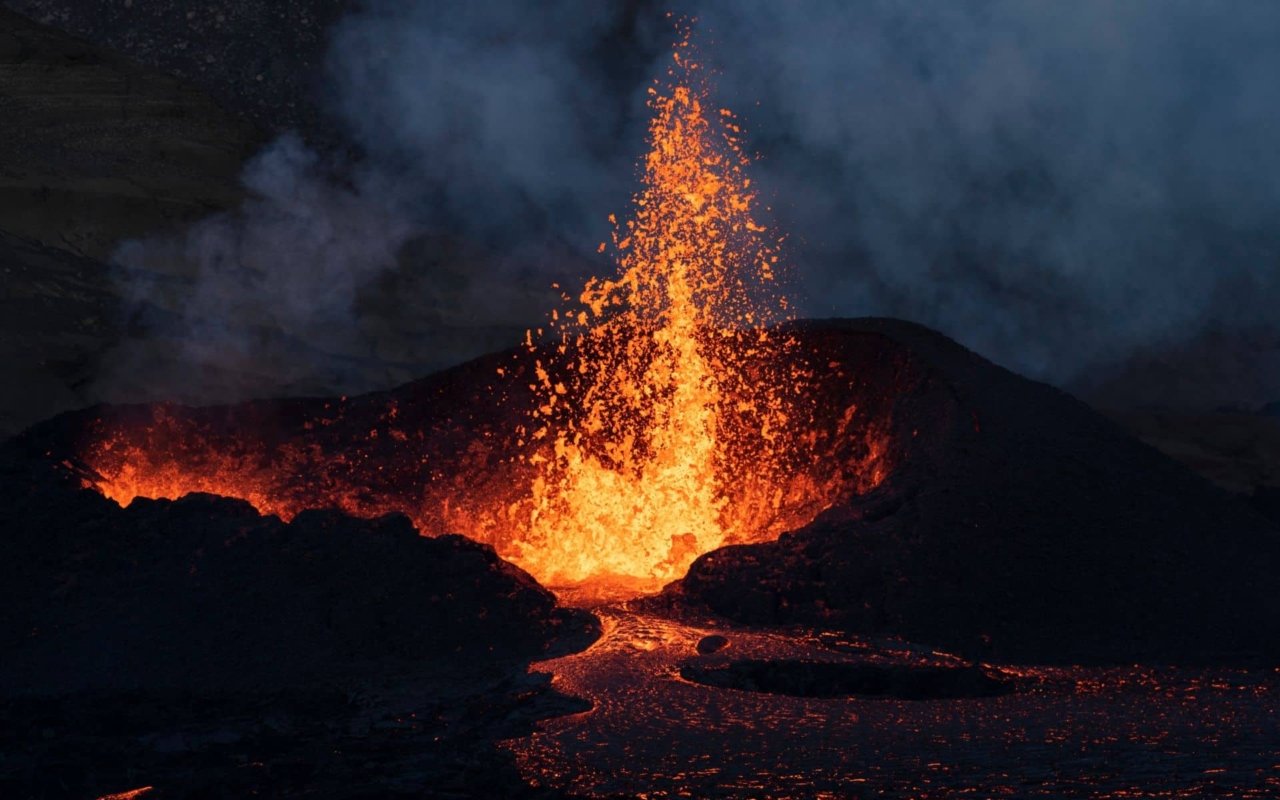
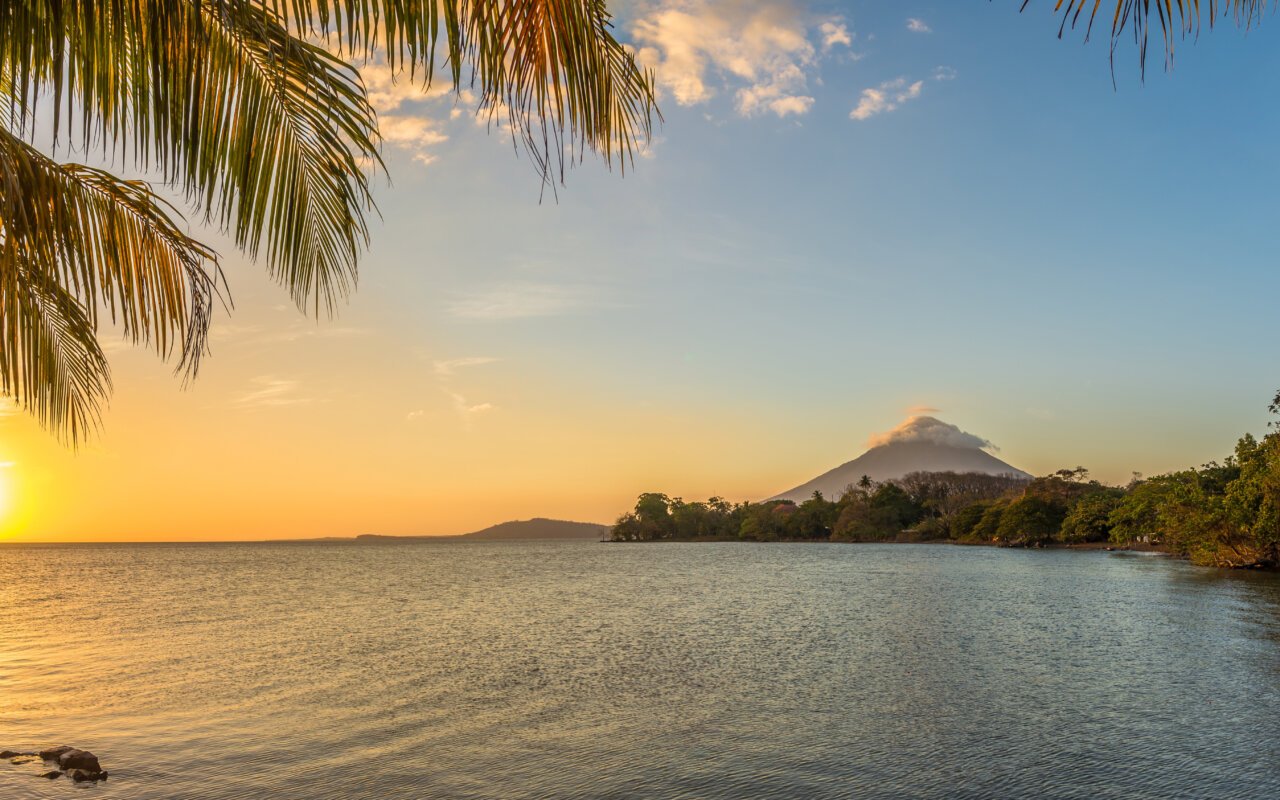
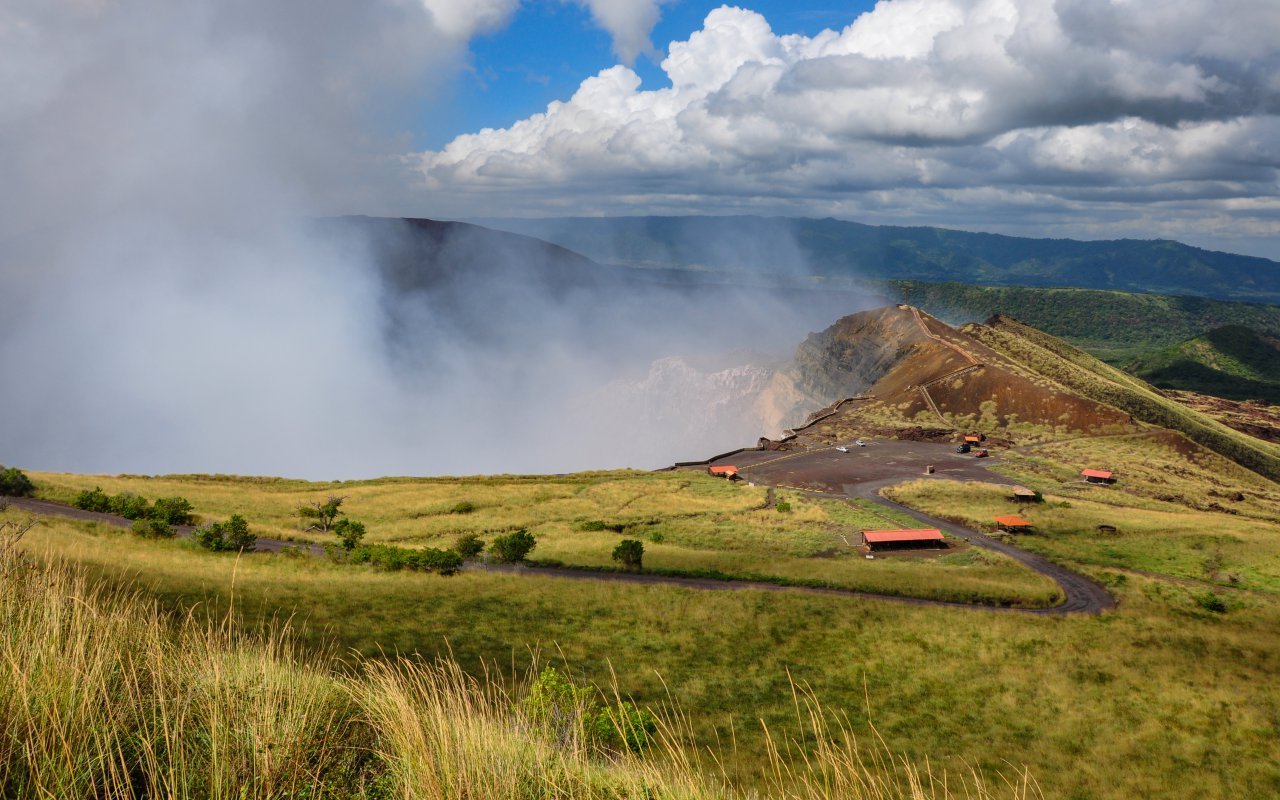
the Masaya volcano, one of Nicaragua’s most emblematic natural sites, recently reopened access to its famous Santiago crater, a unique site of its kind. This reopening once again offers visitors a rare and spectacular experience: that of contemplating an active lava lake, just a few metres away. Few places in the world allow such proximity to the raw forces of nature, and Masaya remains one of the very few active volcanoes accessible by vehicle to the very rim of the crater. Day or night, the spectacle of glowing magma is as fascinating as it is awe-inspiring.
In brief: schedule & rates


A pioneering national park
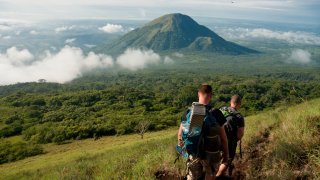
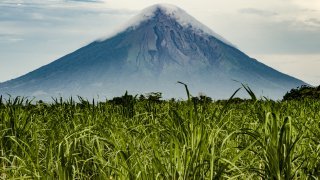
Created in 1979, Parque Nacional Volcán Masaya is one of Nicaragua’s very first national parks. Its creation marks a strong desire to preserve the country’s unique volcanic landscapes and to regulate access to an exceptional natural area. The park covers more than 50 km² and protects much more than the famous Santiago crater. It also encompasses several secondary volcanic cones – including Masaya, Nindirí, San Fernando and San Pedro – as well as vast fields of solidified lava, evidence of past eruptions, and an impressive network of underground lava tunnels, some of which are accessible to the public on guided tours.
Despite ongoing volcanic activity and sometimes extreme conditions, the park is home to an astonishing biodiversity. Over 200 species of birds have been recorded, including green parakeets that nest directly in the walls of the active crater, a phenomenon unique in the world. Other animals include black iguanas , snakes, white-tailed deer, coyotes, armadillos and numerous bats. The flora, too, has adapted to the poor volcanic soil, with a dry vegetation composed ofresilient shrubs, pioneer plants andtrees adapted to arid soils.
The Masaya volcano also plays a key scientific role. It is considered a veritable open-air laboratory. Volcanologists from Nicaragua and around the world are constantly studying the volcano’s behavior, including the active lava lake, gas emissions, micro-earthquakes, internal collapses and the environmental impact of this activity on ecosystems. It is one of the few volcanoes in the world offering such accessible and continuous observation of these geological phenomena.
The park is also a valuable educational tool. It regularly hosts educational programs for schools, students, visitors and researchers. By combining environmental preservation, secure access, scientific research and public education, Masaya volcano represents a model of sustainable management of an active natural site.

A driving force for tourism
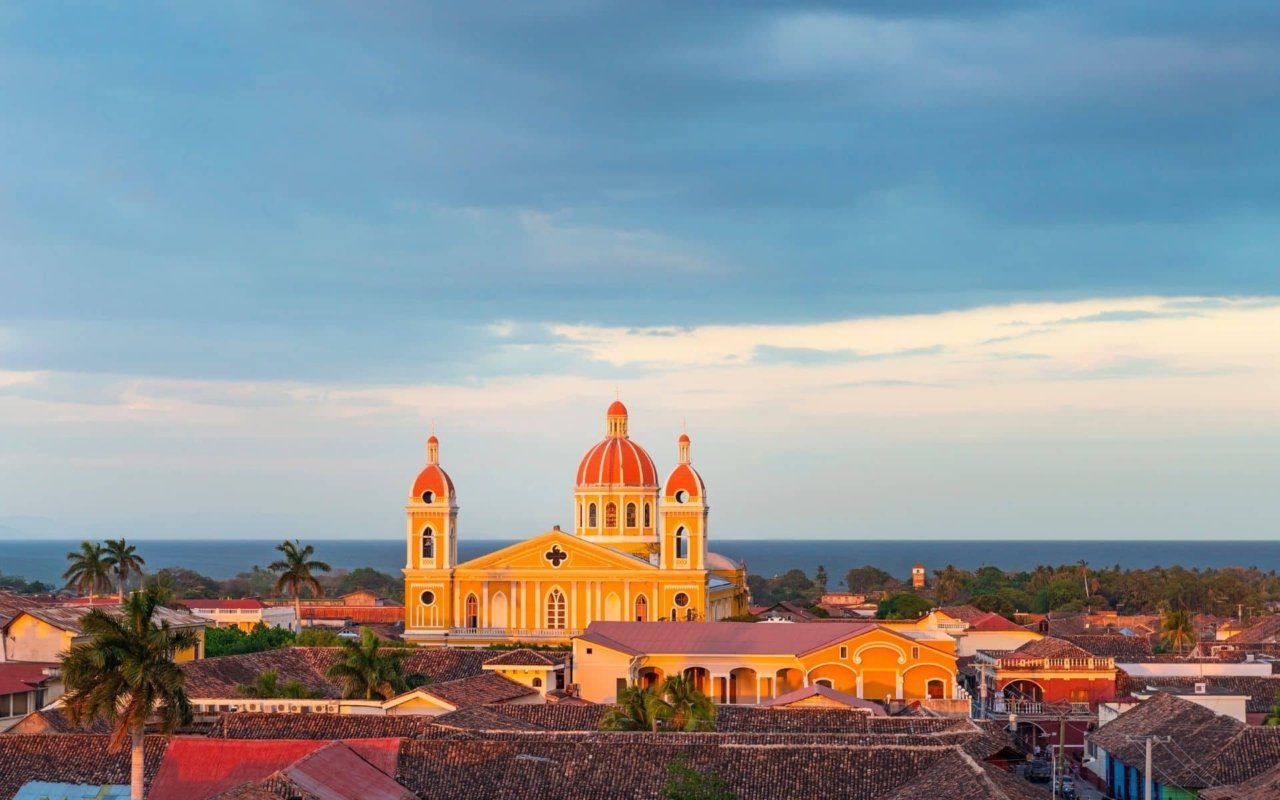
The Masaya volcano is one of Nicaragua’s most visited tourist sites. Every year, it attracts tens of thousands of visitors, both foreign and local. Its proximity to Managua (30 minutes), Masaya and Granada makes it a must-see excursion, ideal for half-day or organized evening visits.
It’s not just a spectacular landmark: the Masaya volcano plays a central economic role for the surrounding communities. Hundreds of families make their living directly or indirectly from tourism linked to the park: local guides, drivers, craftsmen, restaurants, accommodation… .
The park’s reopening is eagerly awaited not only by travellers, but also by a whole local fabric whose income was severely impacted during the closure.
The park is also helping to enhance Nicaragua’s international image. At a time when the country is banking on sustainable tourism, focusing on nature, adventure and sites still untouched by mass tourism, the Masaya volcano acts as a natural and strategic emblem, often highlighted in brochures, documentaries and social networks.
A closure imposed by nature
In March 2024, Santiago crater experienced a notable geological event: an internal landslide. Part of the wall collapsed inside the crater, causing a partial obstruction of the active lava lake. This type of event is not uncommon in open volcanoes, but here it had immediate and visible consequences: the lava became temporarily less visible, the release of gas intensified, and instabilities were detected on the crater rim.
A few months later, in December 2024, the authorities observed major new cracks on the crater’s southern and eastern walls, in an area close to several observation points. This situation alerted experts from INETER (Nicaraguan Institute for Territorial Studies), who classified the site as potentially dangerous for visitors. As a precautionary measure, access to the crater rim has been completely suspended.
During the closure, technical teams from INETER, in collaboration with the national park and geotechnical experts, carried out a series of assessments: wall stability measurements, gas detection, seismic monitoring, and visual inspection by drone. They also installed or updated movement sensors to anticipate possible new subsidence.
A long-awaited reopening
Good news: the Santiago crater, at the heart of Parque Nacional Volcán Masaya, is once again open to the public. After several months of closure for safety reasons, visitors can now return to admire this rare and spectacular phenomenon, day and night.
It’s important to note that, for safety reasons and due to volcanic fumes, access to the crater rim is strictly limited to 5 minutes per group. This ensures a quick but intense visit, where every moment counts.
The reopening of Santiago Crater is an opportunity not to be missed. Whether you’re a geology enthusiast, a nature lover or simply curious, the Masaya volcano promises an unforgettable face-to-face encounter with the raw power of the Earth, in a setting both dramatic and steeped in history.
Don’t hesitate: our team will be delighted to accompany you on this unique experience and discover one of Nicaragua’s most impressivenatural wonders.
For reservations and information, please contact us at contact@terra-nicaragua.com.
The Terra Nicaragua team