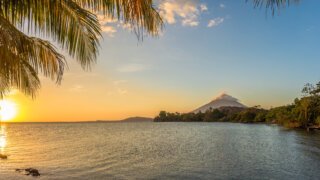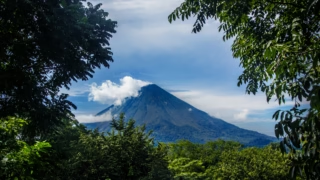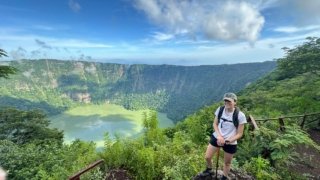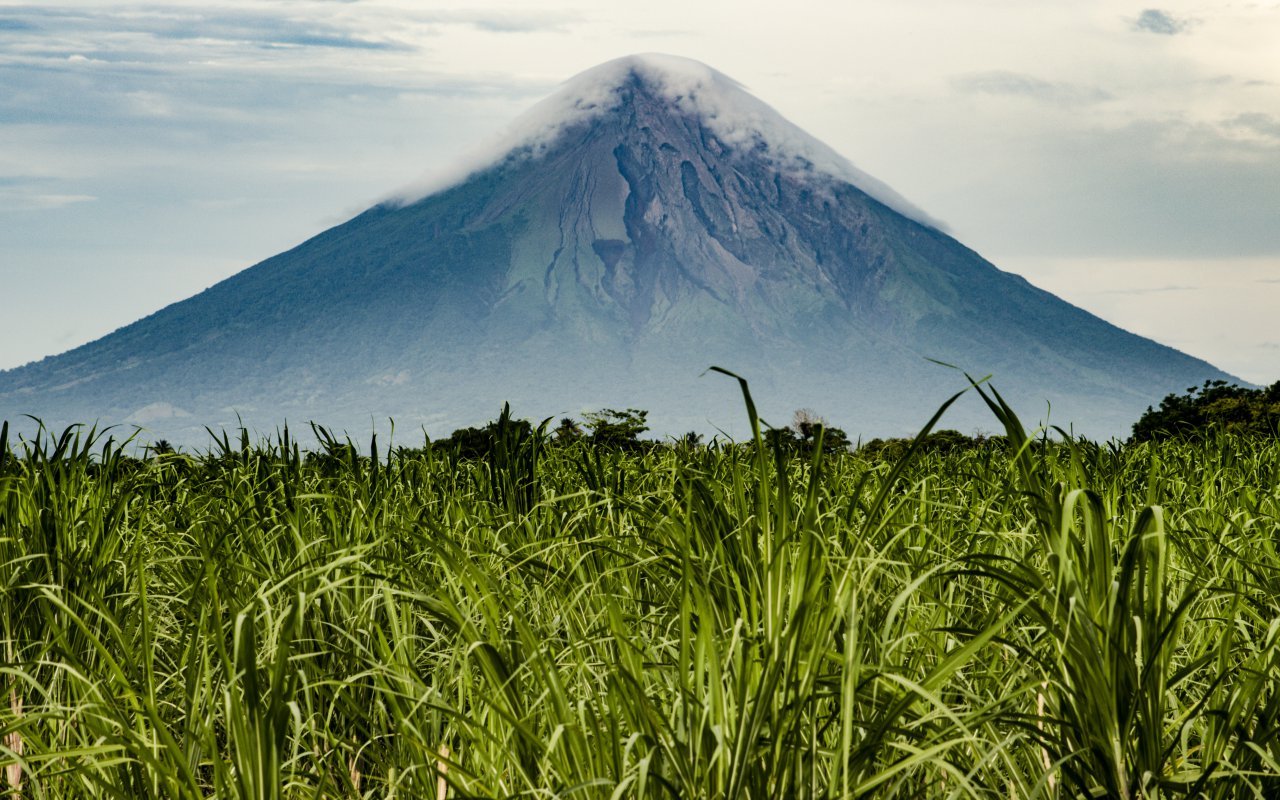
In the department of Rivas, in the middle of Lake Nicaragua, two volcanoes form the island of Ometepe. Facing each other, one sleeps while the other is still awake and active. The Concepción and Maderas volcanoes are two side-by-side but different giants worth discovering.
Concepción volcano
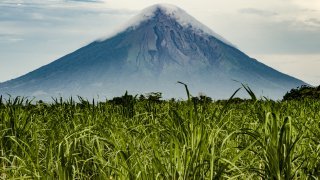
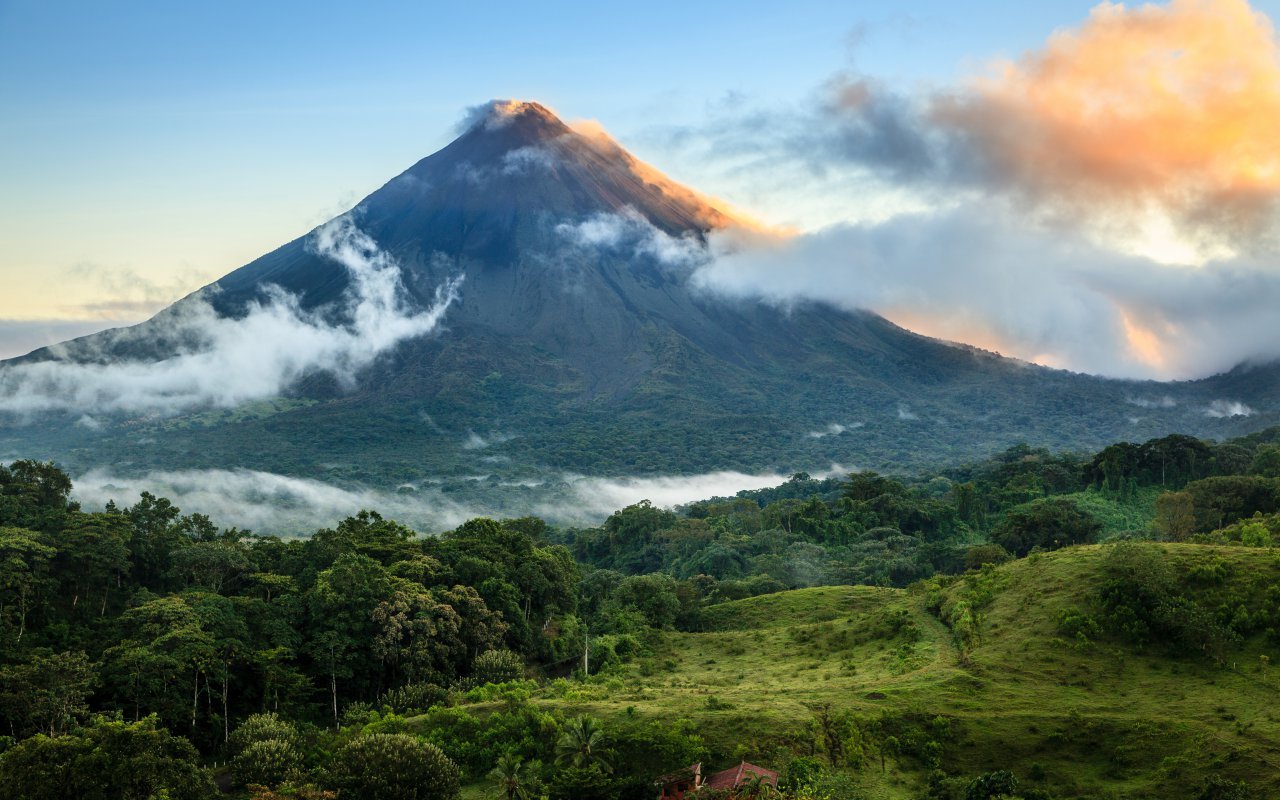
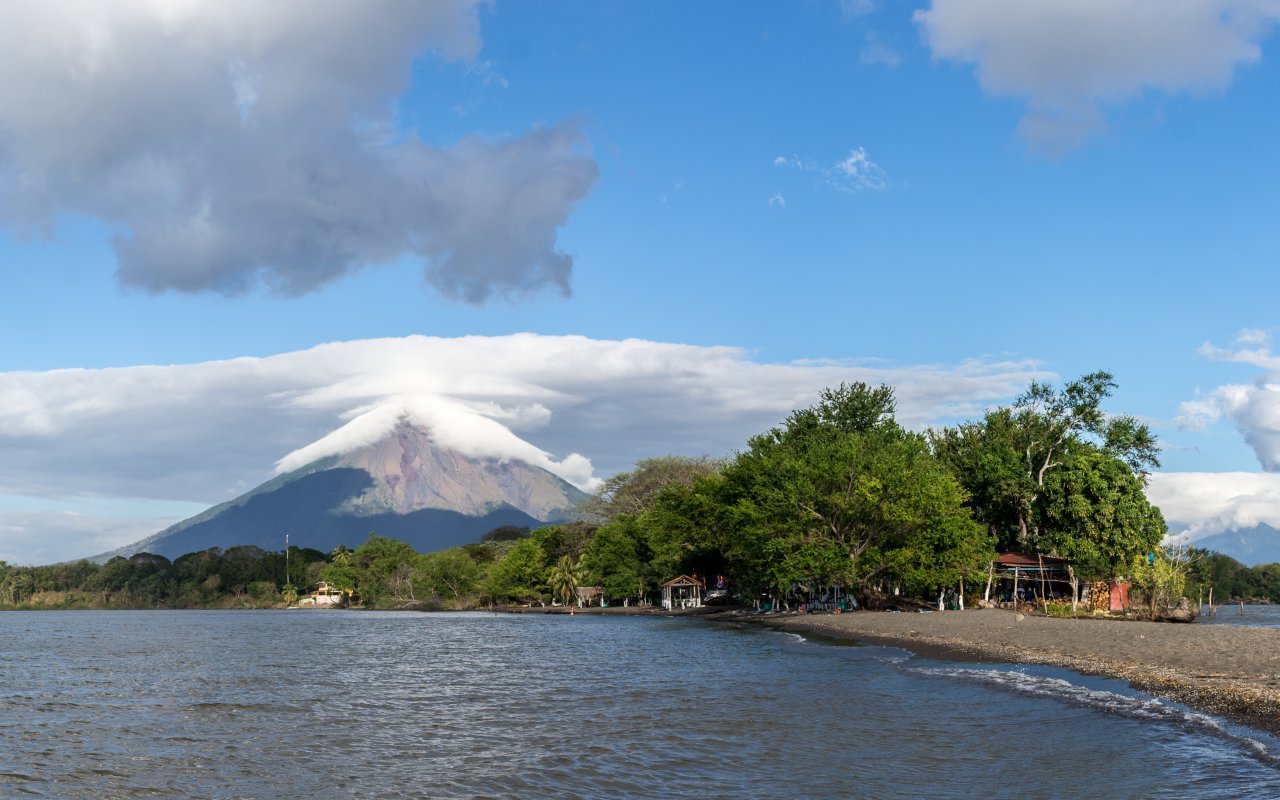
Few travellers can forget the volcano Concepción, with its near-perfect cone. One of the two volcanoes on the island of Ometepe, alongside its sister volcano Maderas, it is Nicaragua’s second-highest volcano, after the San Cristóbal volcano near León and Chinandega, with a height of 1,610 metres.

The Concepción volcano is active and fully awake, with smoke rising from its crater and fumaroles on its slopes. Its explosive eruptions are fairly frequent, most recently in 2006 and 2007, but not very violent. On its slopes, lava flows can be seen from eruptions of centuries past.
Hiking up Concepcion volcano
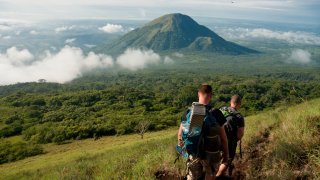
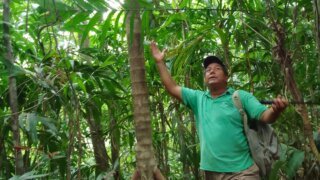
The ascent of the Concepción volcano is one of the most difficult in Nicaragua, due to its height and steep slopes. Accompanied by a local guide (don’t forget that not everything in Nicaragua is signposted!), you’ll set off at dawn to be back before dark, and walk for between 7 and 9 hours.
You start the trek in banana and plantain plantations, then pass through dense rainforest. As you ascend, the vegetation becomes thinner and thinner due to the gases emanating continuously from the crater, and the summit is even devoid of them.
Be careful where you set foot!At the summit, which is often cloudy and windy, your efforts will soon be rewarded by pride in your achievement, by the sensations and emotions you will feel, combining the coolness of the wind with the warmth of the crater, and by the panoramic view that awaits you. If by chance the summit is clear of clouds, you’ll be able to enjoy a magnificent view over the whole ofOmetepe Island, Lake Nicaragua and the mainland.
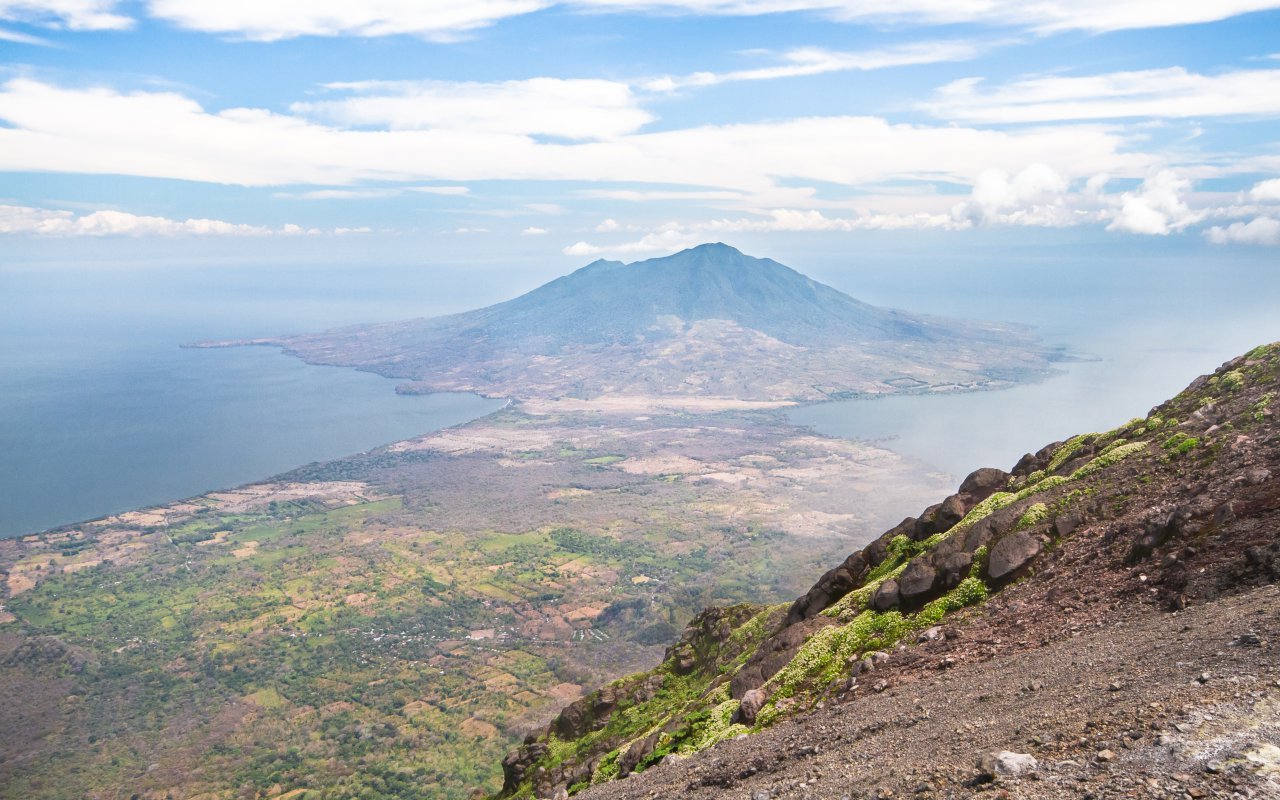
Maderas volcano
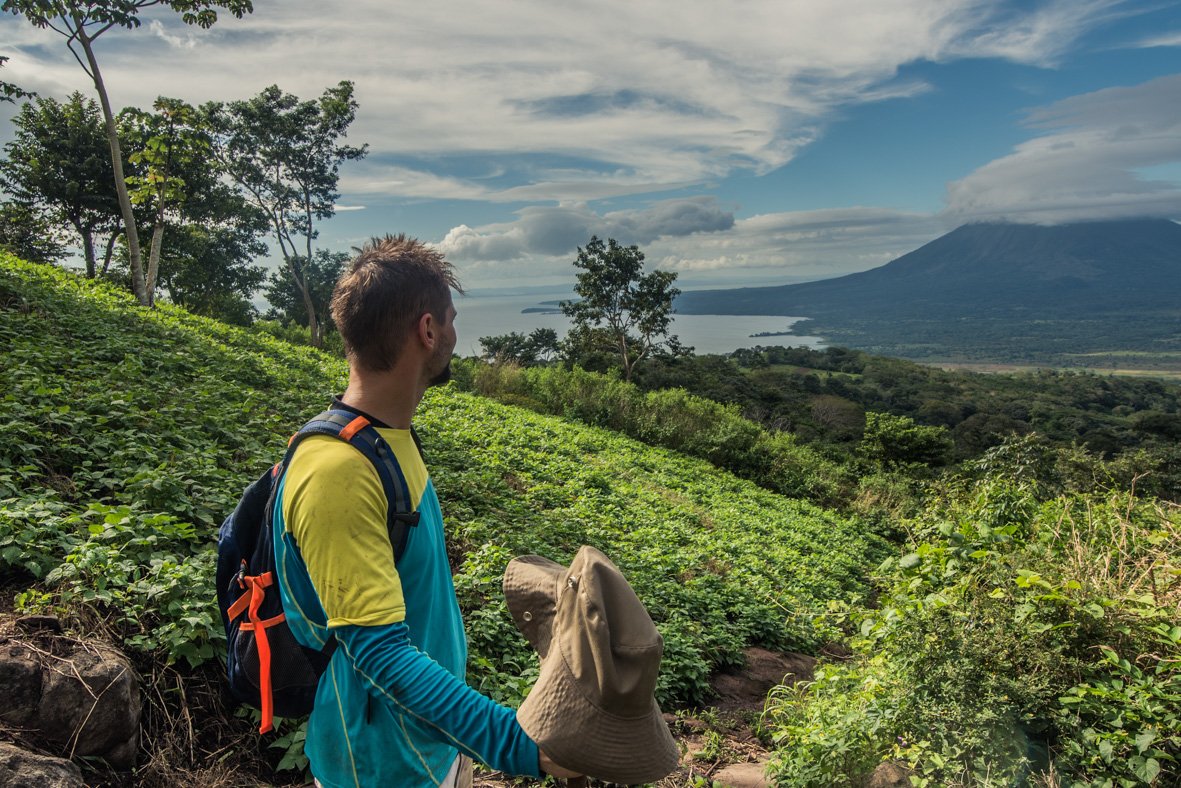
The Maderas volcano is the second largest volcano on theisland of Ometepe. Slightly smaller than its neighbor, the 1400-metre-high Maderas volcano is still considered a large volcano.Inactive for over 800 years, a small lagoon has formed in its crater, as well as waterfalls on its slopes, the San Ramon waterfalls. Climbing to the top of this volcano is difficult. You must be accompanied by a local guide. Between coffee plantations and selva de lluvia (a rare phenomenon so close to the Pacific that can only be found on the Mombacho volcano), it’s very wet and the paths are often muddy and slippery.
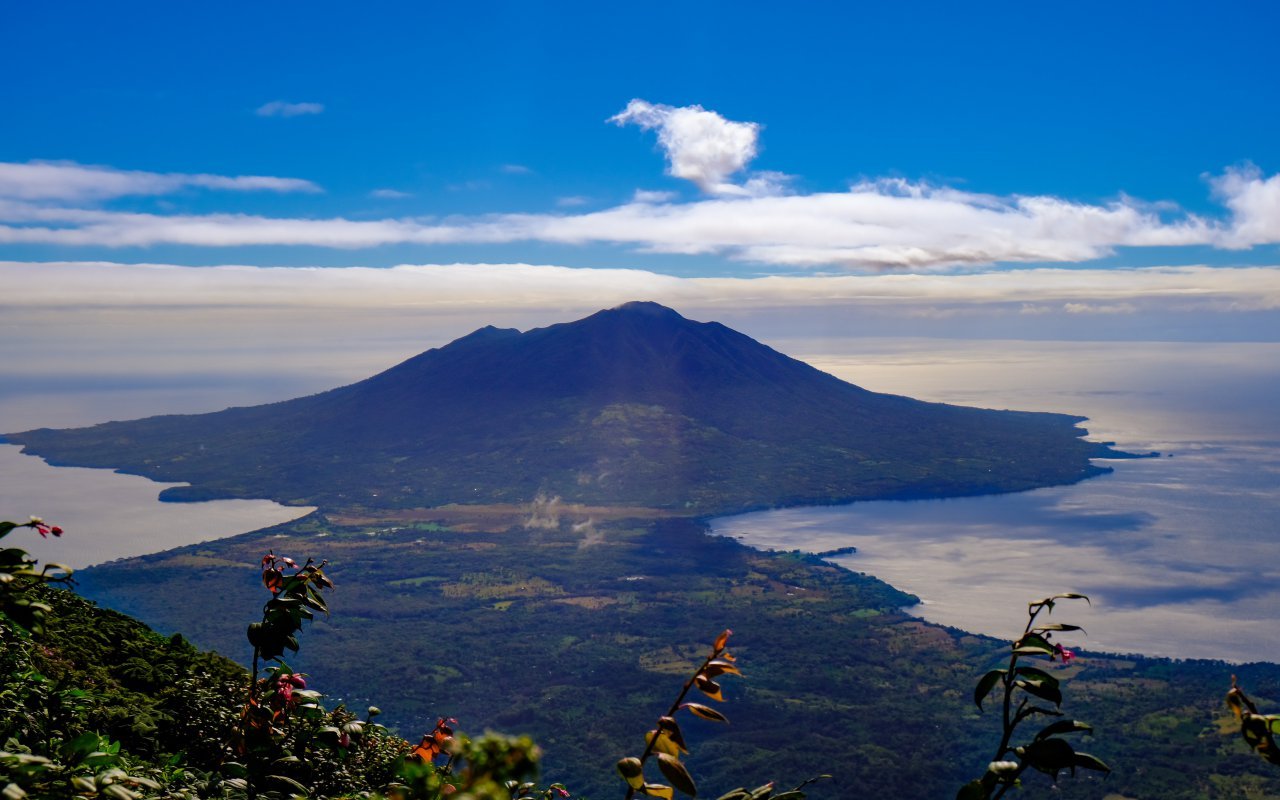
Humid as it is, the walk is surrounded by trees in a thousand shades of green, to the sound of howling monkeys and with your head in the clouds. Incredible!Without going all the way to the summit, you can enjoy a pleasant hike on this volcano, observing petroglyphs along the way and taking in the different views it offers of Lake Nicaragua and the Concepción volcano.
Discover Nicaragua's volcanoes with our original tours!