The capital of the Nicaraguan Revolution
Santiago de los Caballeros de León
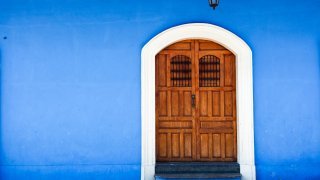
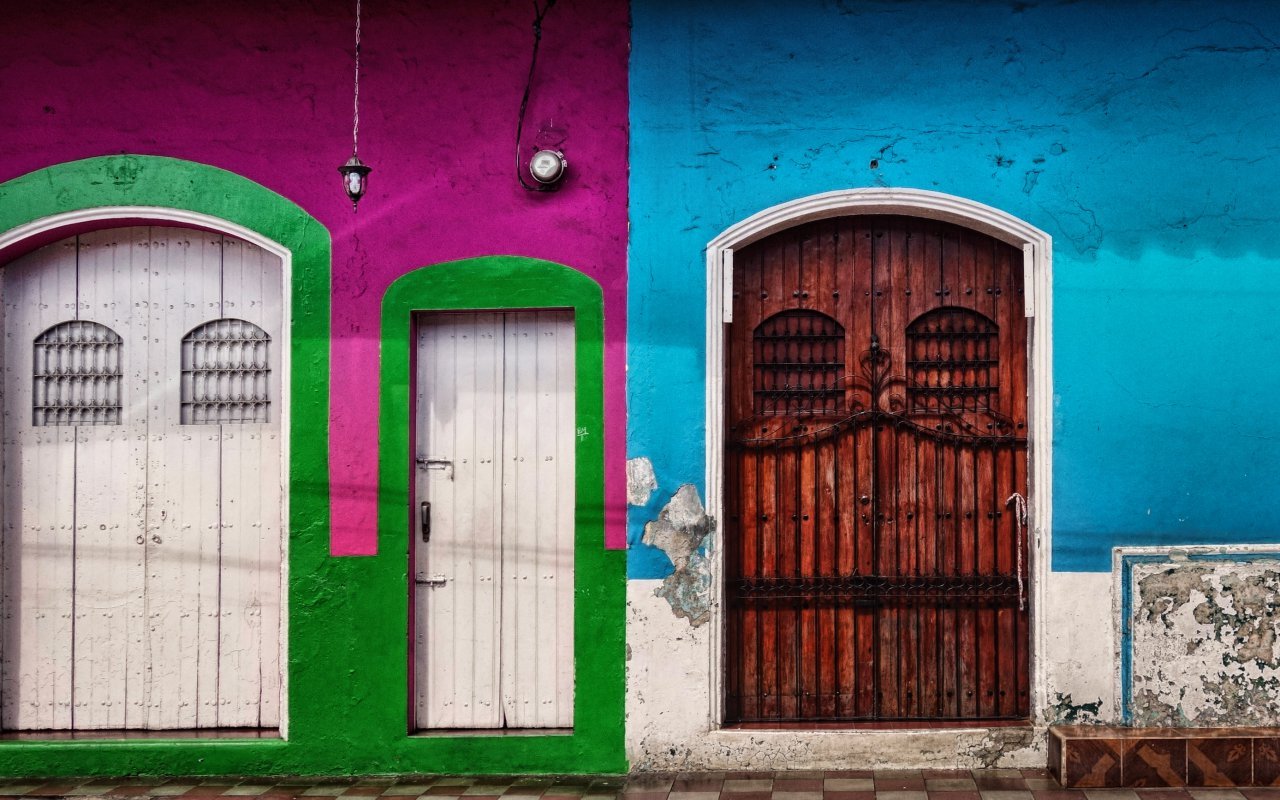
León or Santiago de los Caballeros de León is like a capital for Nicaragua. This colonial-style city is warm and welcoming thanks to its climate, its history and the close contact with its inhabitants. You quickly feel at home.

Capital of the Sandinista revolution
This famous capital of the Sandinista revolution is today a popular student city, in stark contrast to the chic and conservative Granada. You can still feel the history and gunpowder in the city’s walls and facades. It’s almost a pilgrimage for some Sandinistas or those melancholy for the red American central cause.
Leon, a religious city
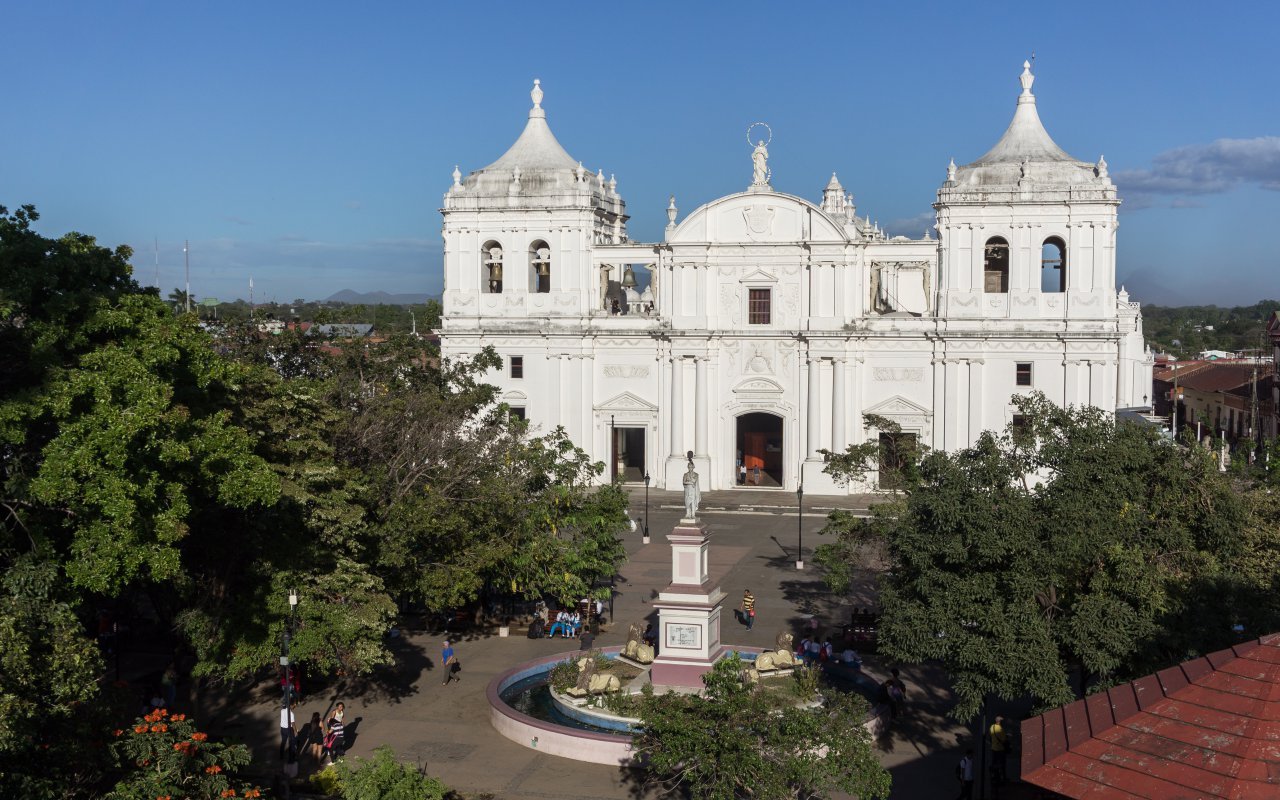
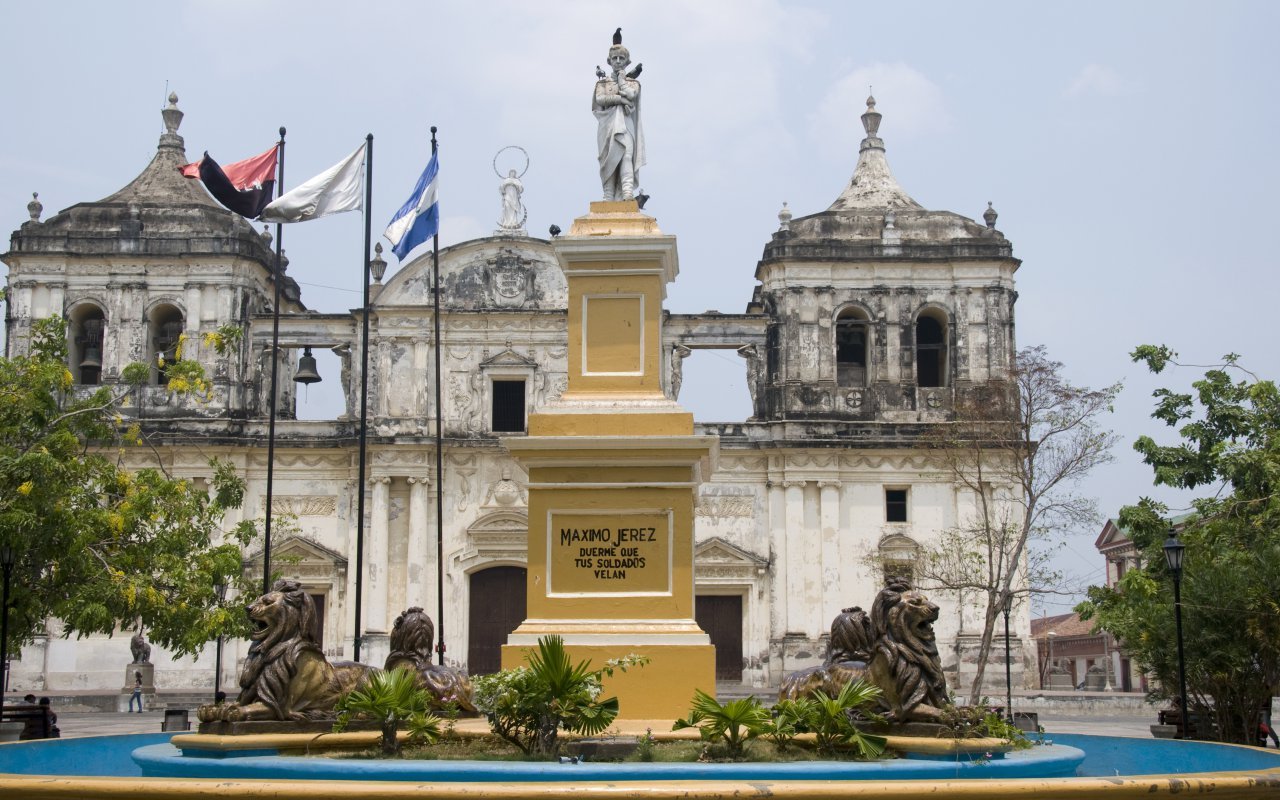
But it’s also a religious city! There are more than a dozen churches, from Baroque to neoclassical. You can feel the history and “colombization” of the continent. It’s impossible to miss the legendary Great White Cathedral, almost a symbol of the city. The Cathedral de la Asunción dates back to the 18th century. Guarded by giant lions sculpted on its porch, its entrance is always free and the visit always fresh.
Arts, culture and museums
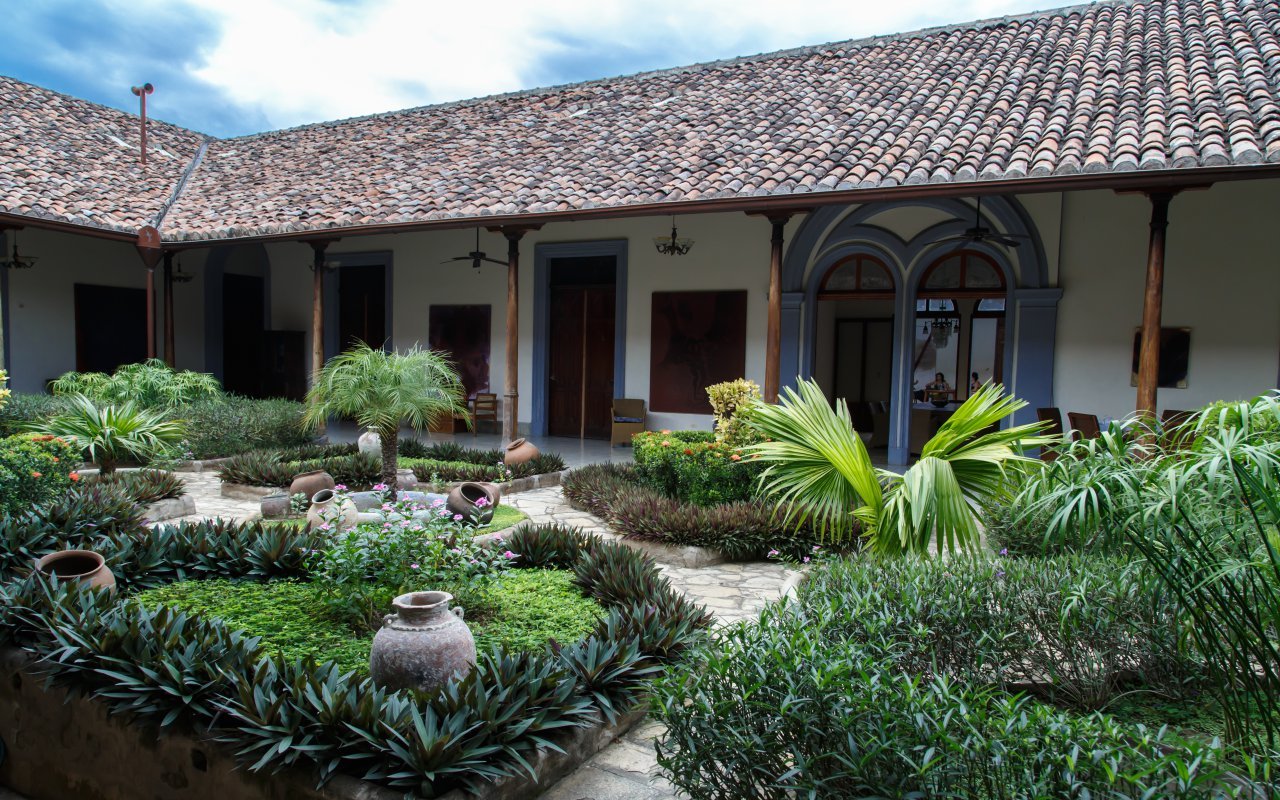
A lover of arts and culture, León boasts a number of museums, including the famous Ortiz Guardian, a contemporary art museum housed in two superb colonial buildings. Ruben Dario, the national writer and poet of the late 19th century, also has a museum in León, which is the national poetry capital on certain occasions. A native of the city, his childhood home houses many of the artist’s objects and archives.
History of Leon
The famous conquistador Hernandez de Cordóba founded “his” first city in Nicaragua in 1524 on the site of the present-day ruins of León Viejo, opposite the Momotombo volcano. Following an earthquake and the eruption of the volcano overlooking the town, the city was moved further north, next to the village of Sutiaba, which today is still the indigenous outskirts of the capital of the revolution.León became the capital of the Nicaraguan stewardship under the Spanish, and was also transformed into the capital of the state of Nicaragua. When Nicaragua gained independence, León became the country’s capital. In 1839, León and Granada shared the status of capital in alternation, with a historic rivalry between the 2 cities, between liberals and conservatives. The city of Managua, located between the 2 parties, was chosen in 1858 to put an end to this quarrel . The story doesn’t end there, however. Fortunately, León still lives under the threat of several volcanoes. On several occasions, ash rained down on the town from Cerro Negro, which exploded at least three times in the second half of the 20th century (1968, 1971 and 1992). The town continued to thrive, even becoming a stronghold during the Sandinista revolution. In September 1978, Nicaragua rose up against Somoza, the dictator. A Student Revolutionary Front (FER) was formed in Léon, the country’s largest university town. The Somozist national guard managed to keep control, and many of the rebels fled to the countryside around León. Some of the students who remained in the field did not leave the battle, or unfortunately not in time, to witness the massacre of the “insurgent children”. Planes circled over León, as did the army. Eventually, the insurgency resumed and the Sandinista front won a real victory in León in July 1979, marking the beginning of the end of the Somoza family’s reign in Nicaragua.
What to do in and around León
The city and region of León offers many possibilities. We recommend you take a stroll around the city to discover its many neighborhoods, markets, churches, streets, atmosphere, museums…
Visit León’s central park
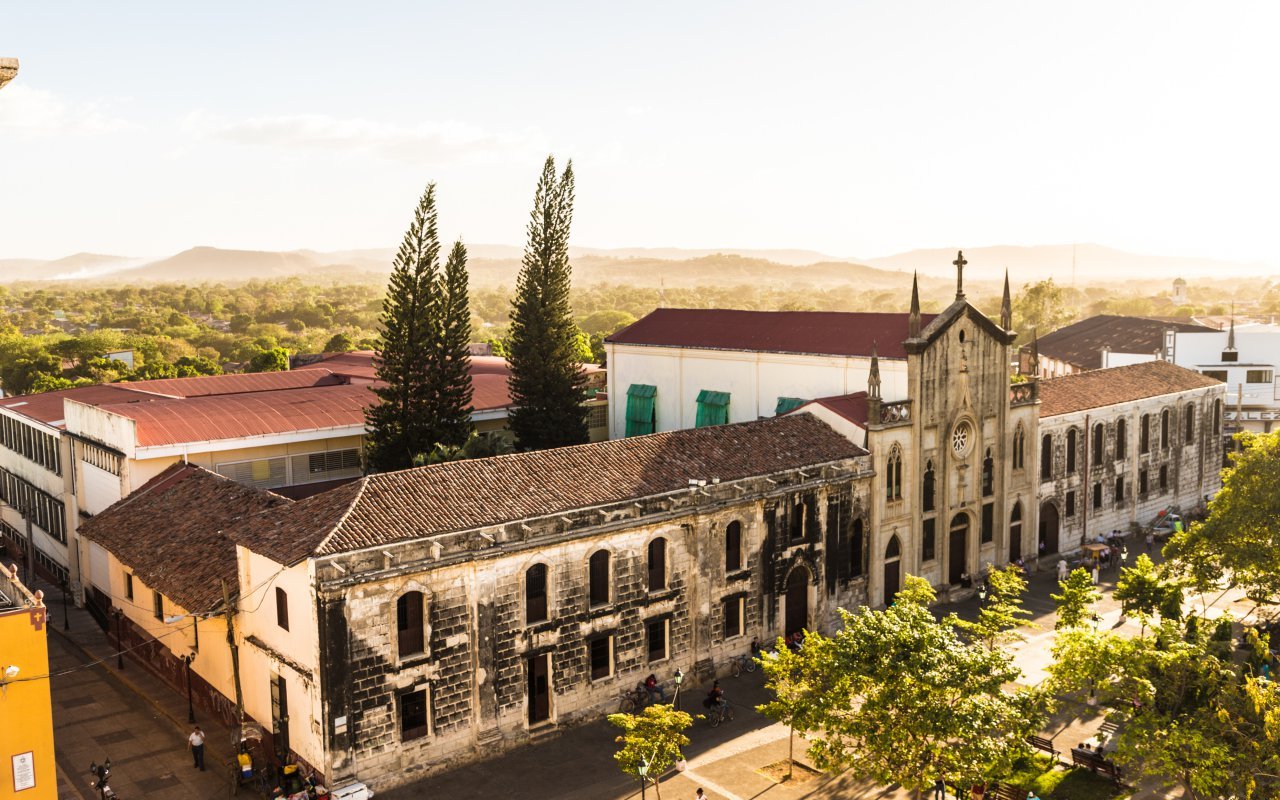
Take time out on a bench in the central park to observe the surrounding buildings, including the cathedral, of course, but also the town hall, the episcopal palace and the Seminario Tridentino San Ramón college.
Explore the churches of León
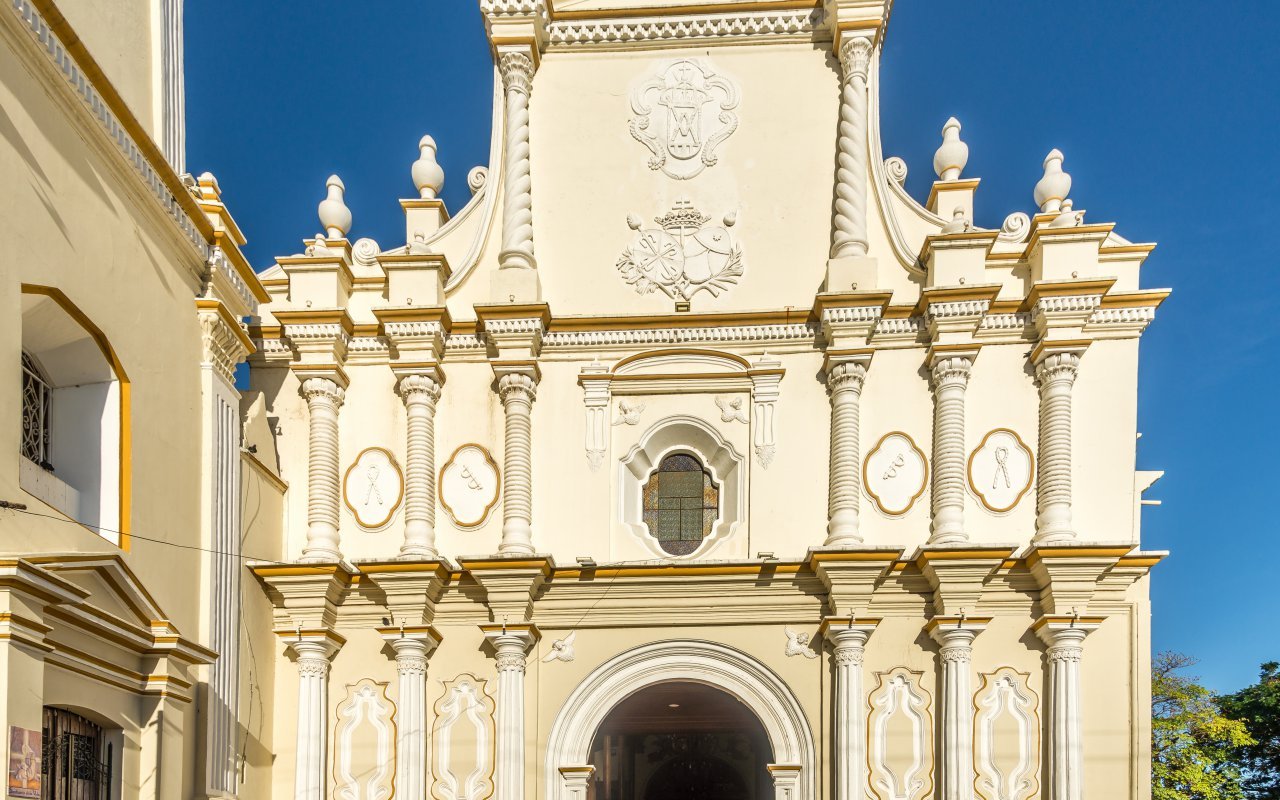
The city boasts over 17 churches, some of which are listed below
- León Cathedral or Basílica Catedral de la Asunción
- Merced Church
- Church of the Recolección
- El Calvario Church
- San Francisco Church

Museums:
- Museo Rubén Darío, located in the house where this Nicaraguan poet lived for 14 years, the museum has many of the artist’s personal objects that trace his life and history.
- Museo de Arte Fundación Ortiz-Guardián, this art museum exhibits contemporary paintings, sculptures, imagery and crafts in two beautifully restored colonial buildings.
- Museo de Tradiciones y Leyendas, located in a building that served as a prison during the Somoza family regime in the 1920s, this museum is dedicated to 14 Nicaraguan myths and legends.
- Mausoleo de Héroes y Mártires, Museum of the Revolution : opposite the cathedral in the central park, this museum in a former town house retraces the events of the 1970s revolutions.
- The ruins of León Viejo, an open-air archaeological museum of León’s first city.
Volcanoes around Léon
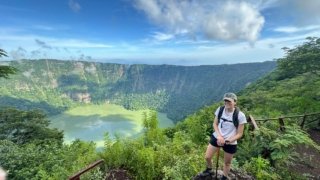
Around Léon, you can enjoy a variety of hikes and treks on the volcanoes of the Maribios range
- Cerro Negro volcano
- El Hoyo volcano
- Telica volcano
- Momotombo volcano
- San Cristóbal Volcano
- Cosigüina Volcano

Beaches and nature reserves
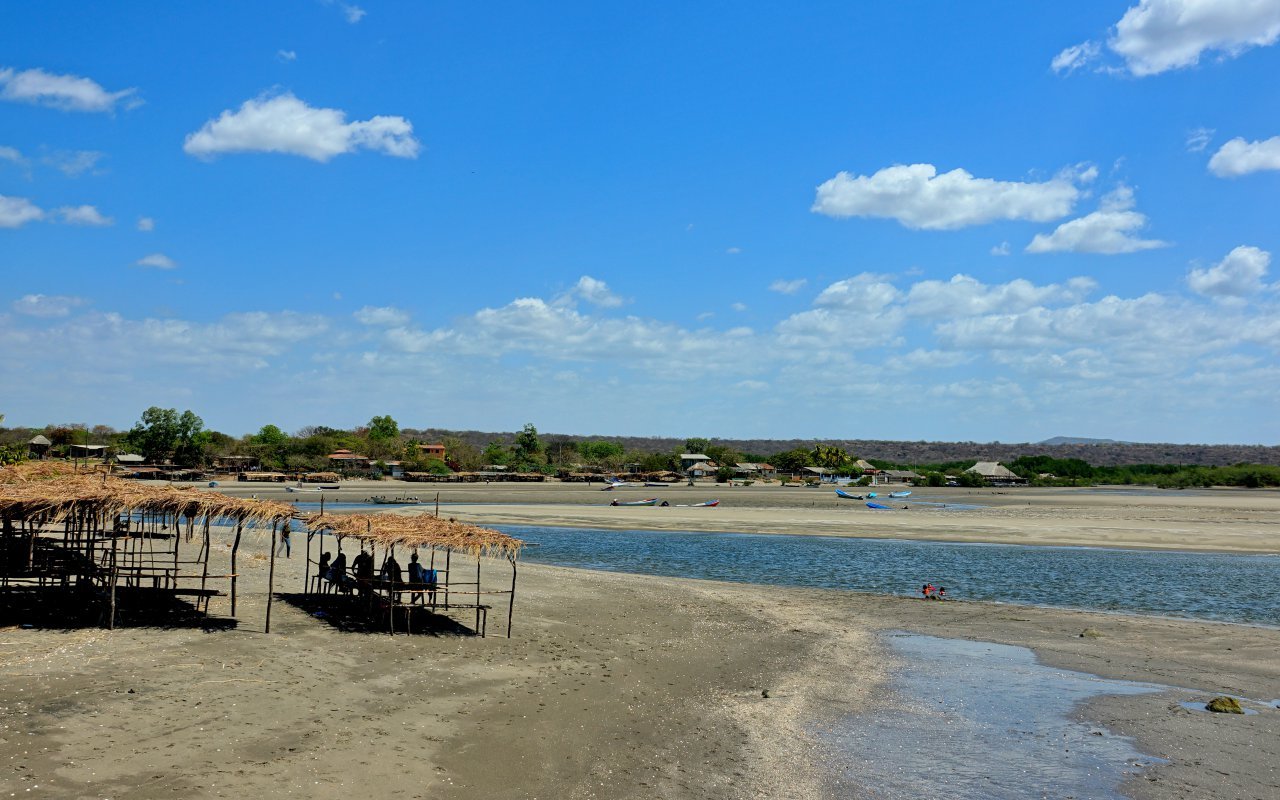
Finally, if you want to get out of the heat of the city and cool off on the shores of the Pacific Ocean, there are several beaches to choose from
- Playa Las Penitas and the Isla Juan Venado Nature Reserve
- Playa Poneloya
- Playa Salinas Grandes
- Playa Miramar
- Playa El Transito
UNESCO sites in Nicaragua
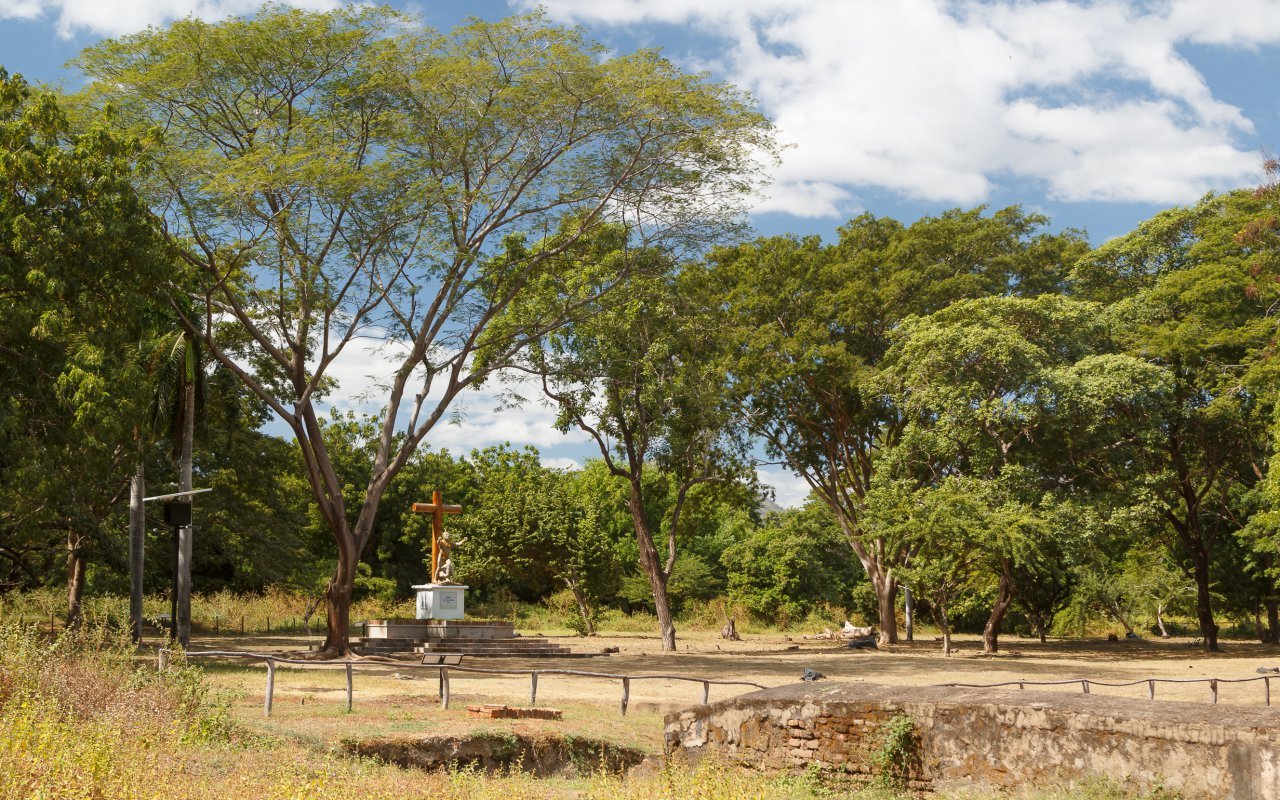
The ruins of León Viejo
León Viejo is Nicaragua’s second oldest city, or at least what’s left of it: ruins. Founded in 1524, it was one of the most important and prosperous cities in the region, a colony, a trading post in short. Many of the riches gathered and plundered in the surrounding area passed through its center and market.
The town was built near Lake Managua and not far from the Momotombo volcano. The latter exploded half a century after the city was founded. León was not destroyed by the volcano, but rather invaded and covered with ash and volcanic rocks. Nevertheless, it was a disaster. 30km to the west, a new “León” was built, the town of León as we know it today. The ruins of León Viejo were recognized as a UNESCO World Heritage site in 2000. Take a leisurely stroll through the remains of the town, climb the small hill on the site of an ancient fort and contemplate the splendid view over the lake and surrounding volcanoes.

León Cathedral
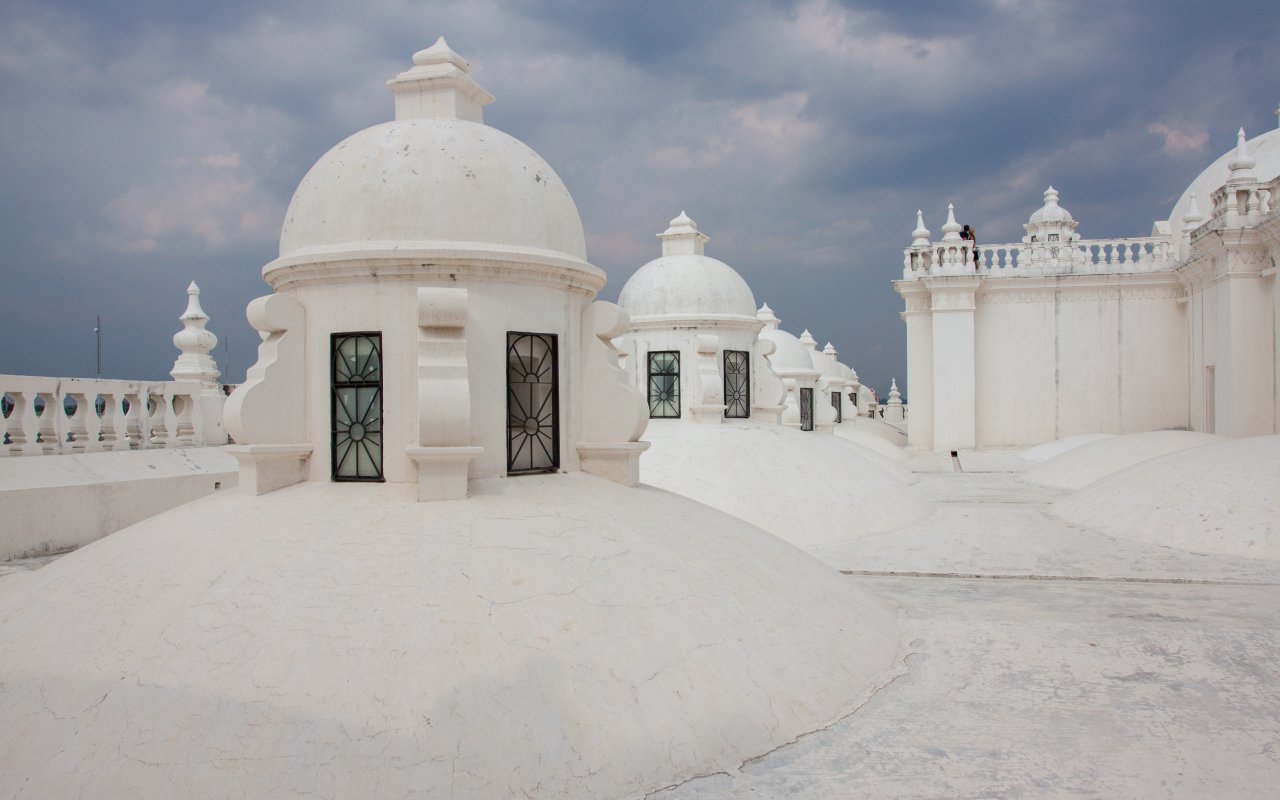
The Basílica Catedral de la Asunción de León in the central plaza was built in several stages between 1746 and 1860, renovated in 1992 and partially repainted white since 2015.The five-aisled building is divided into seven underground compartments, three of which are open to the public, each with a different story to tell. They served as tombs for the wealthiest, storage places for pirate treasures or escape tunnels in case of attack. The most spectacular tomb is that of Rubén Darío, Nicaragua’s famous poet, whose tomb is protected by a lion in the center of the cathedral. Inside, beyond the coolness of the building, you’ll appreciate the richness of the architecture and decoration. It’s possible to go to the roof of the cathedral. At the top, you can walk barefoot between the 34 domes, numerous church bells and four statues, and admire the beautiful view over the city of León, its streets and churches, as well as the surrounding volcanoes of the Maribios mountain range. The Basílica Catedral de la Asunción de León was declared a World Heritage Site by UNESCO in 2011.

León's traditional fiestas
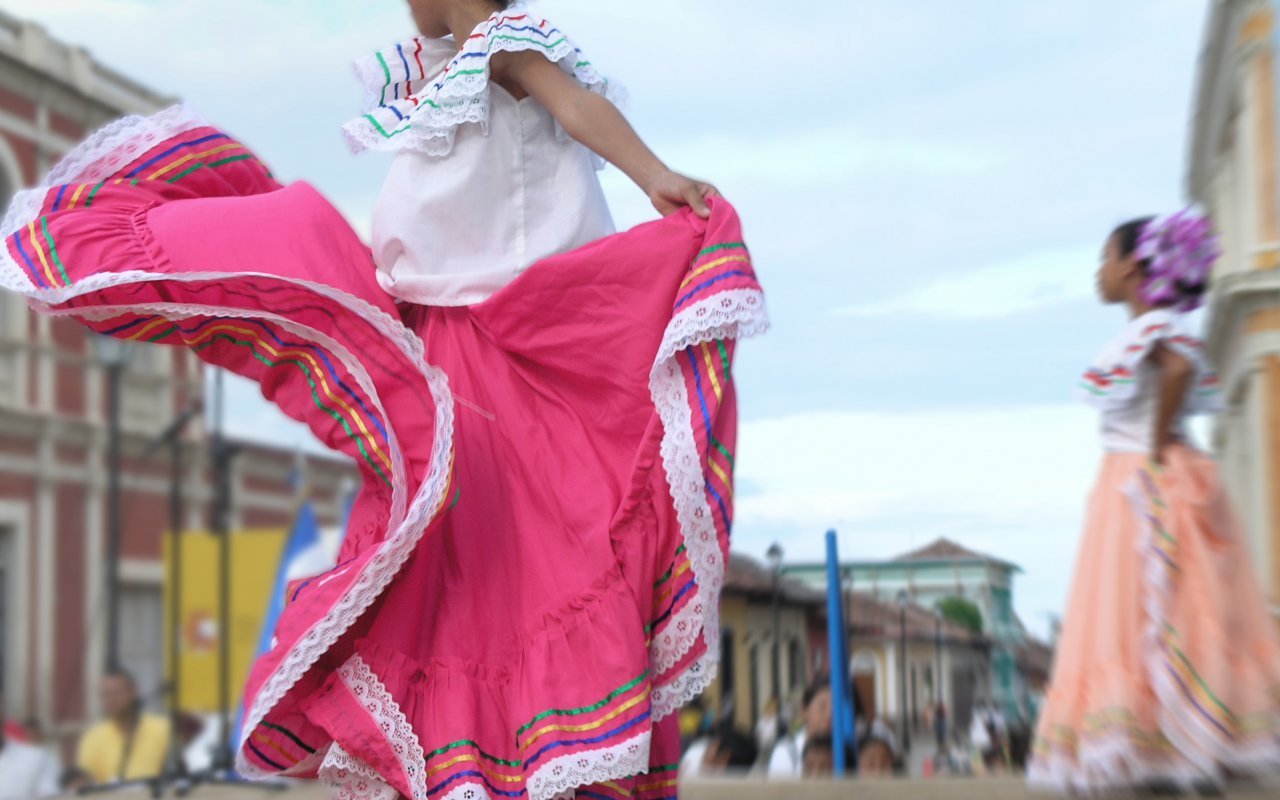
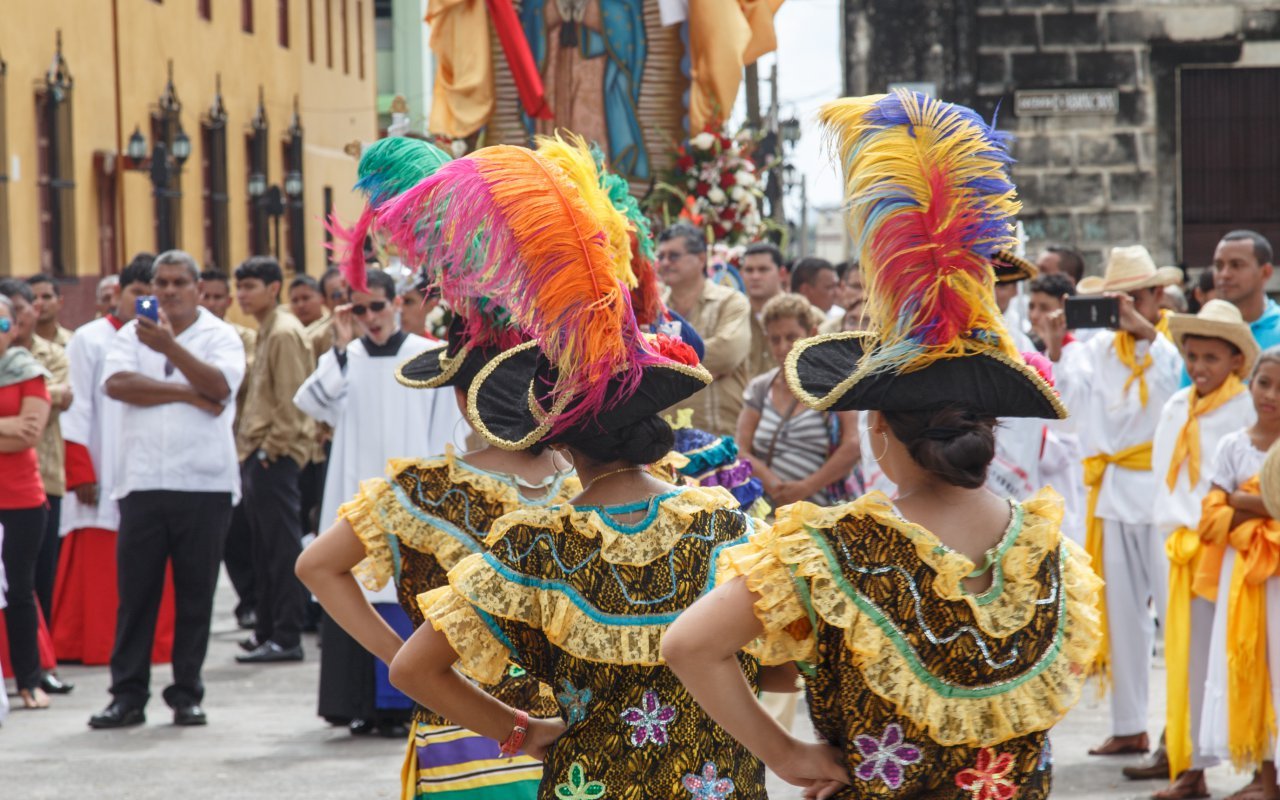
León celebrates various festivals throughout the year, including the following:January
- 15th to 21st: Rúben Dario International Poetry Festival
- 3rd weekend: Viva León Festival
Late March / early April
- Holy Week, during which numerous processions take place. The streets of the Sutiaba district are decorated with colorful, ephemeral paintings using ashes and sawdust.
August
- 14th: Gritería Chiquita. Feast day in homage to the Virgin Mary, who is said to have responded to the call of Bishop Isidro Augusto Oviedo y Reyes and stopped an ash cloud surrounding and suffocating the city of León following a volcanic eruption at Cerro Negro.
September
- 24th: Feast of the Virgen de la Merced or Nuestra Señora de las Mercedes, patron saint of the city of León.
- 29th and 30th: San Jerónimo. Processions between the church of Sutiaba and the cathedral in honor of San Jerónimo, with folk dances and drumbeats.
December
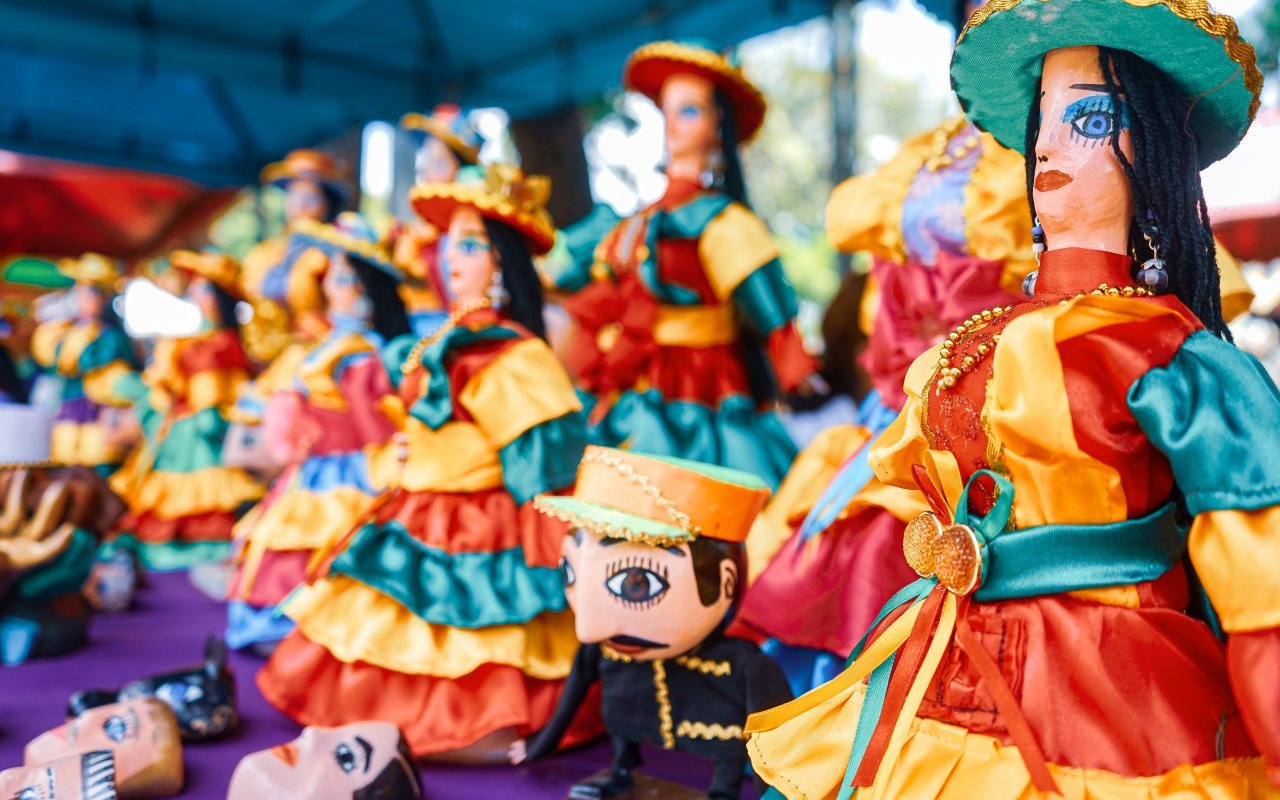
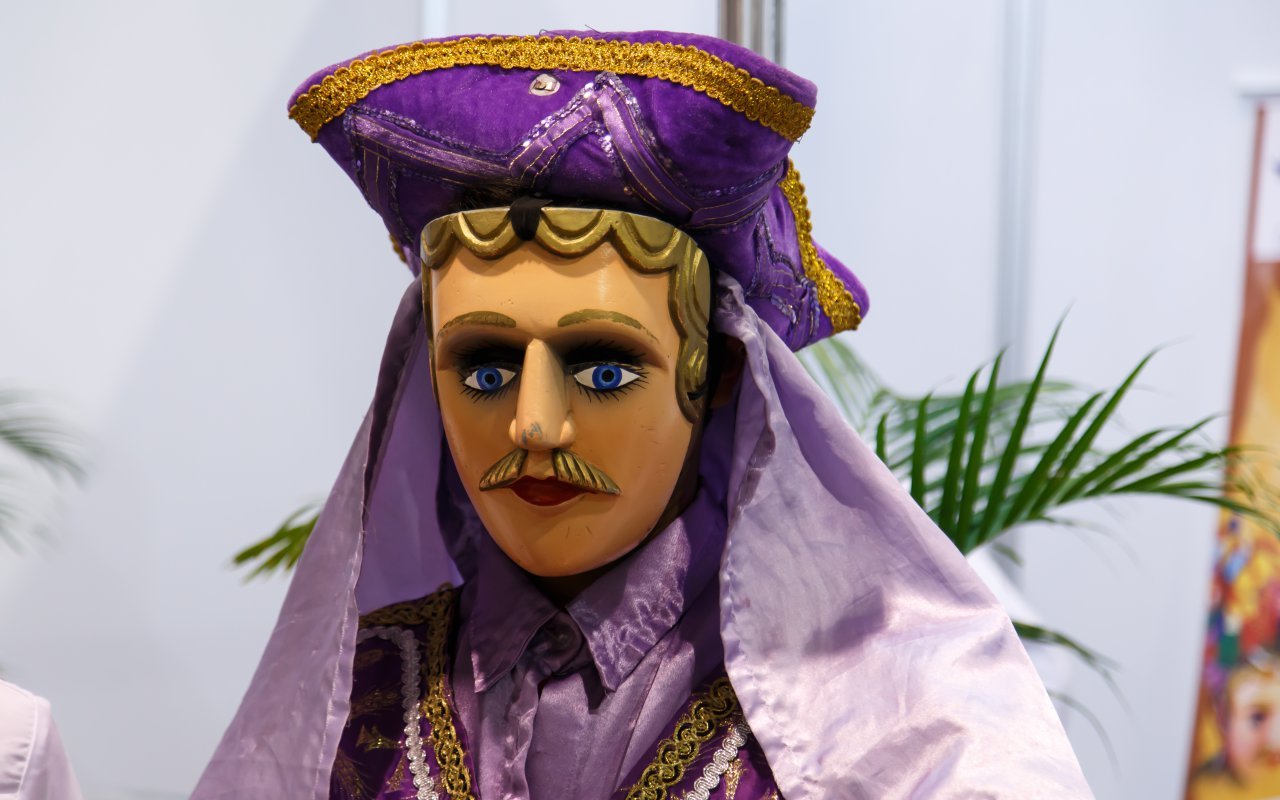
- all month long: the “Gigantones”. These are representations of characters from the era of colonization: the Gigantona named Florentina is a giant doll dressed in a colorful dress and jewels. She represents a Spanish lady accompanied by El Enano cabezón, a dwarf with a large head, who recites verses satirizing and criticizing social events in the city and the country.
- 07 and 08: La Purisima or La Gritería. This is León’s most important religious festival, celebrated in honor of the Conception of the Virgin Mary. In addition to fireworks and music, the townspeople erect altars in their windows and hand out sweets or gifts to passers-by, who fervently sing and shout “Que causa tanta alegría?” before answering “Que causa tanta alegría! La Concepción de María”.

Plan your trip to León, Nicaragua! Some tour ideas :