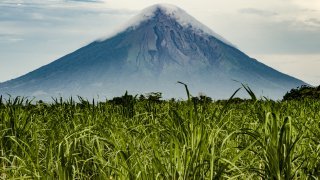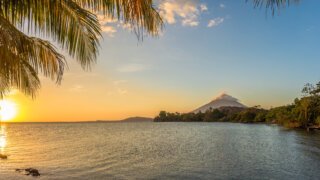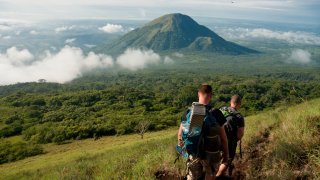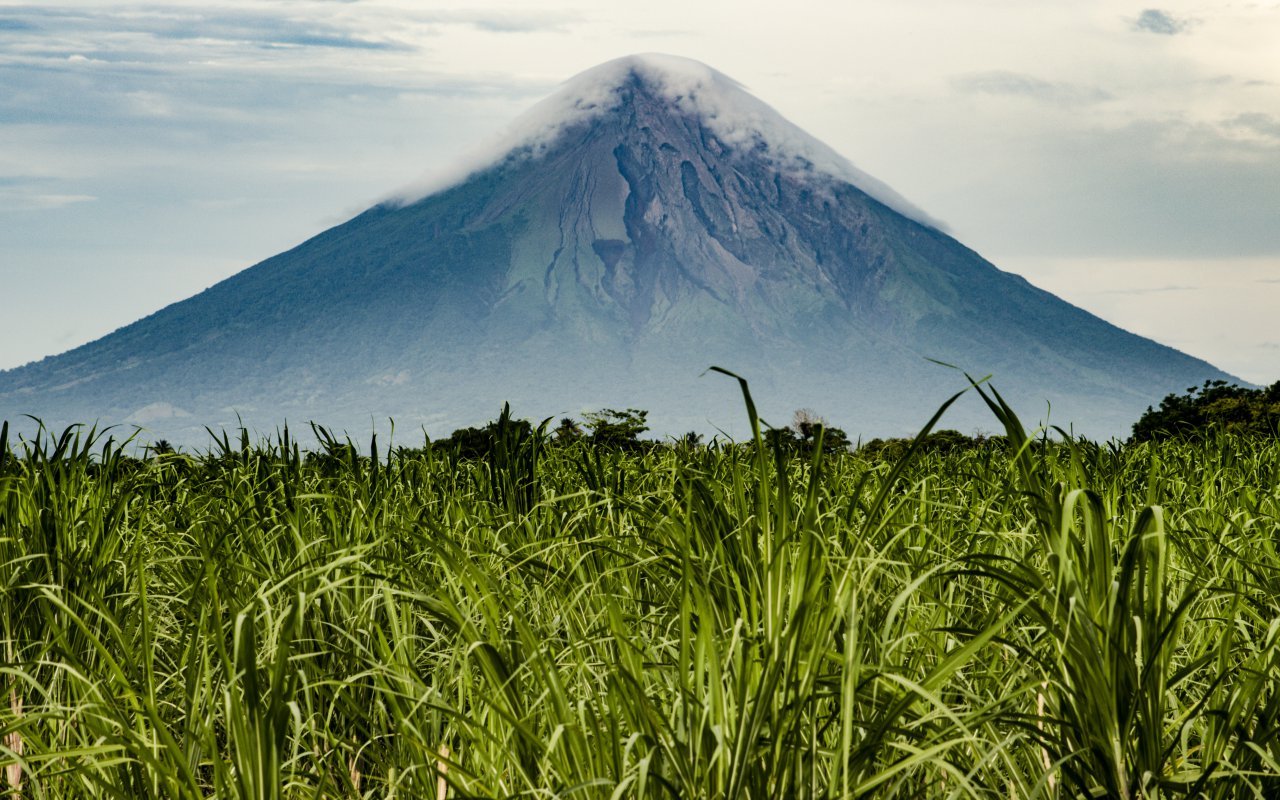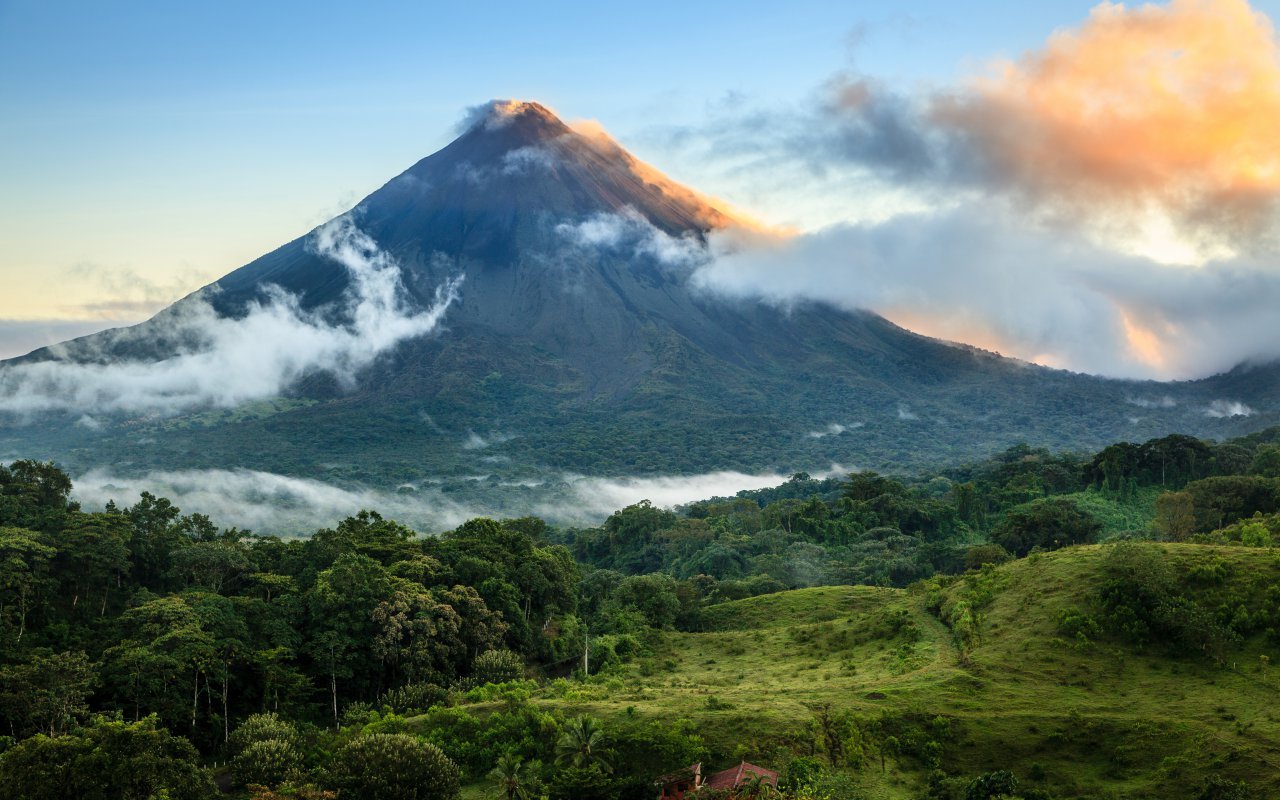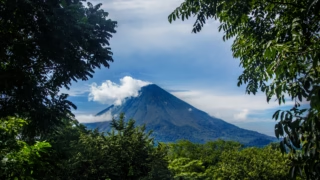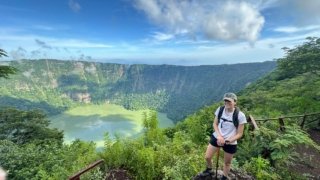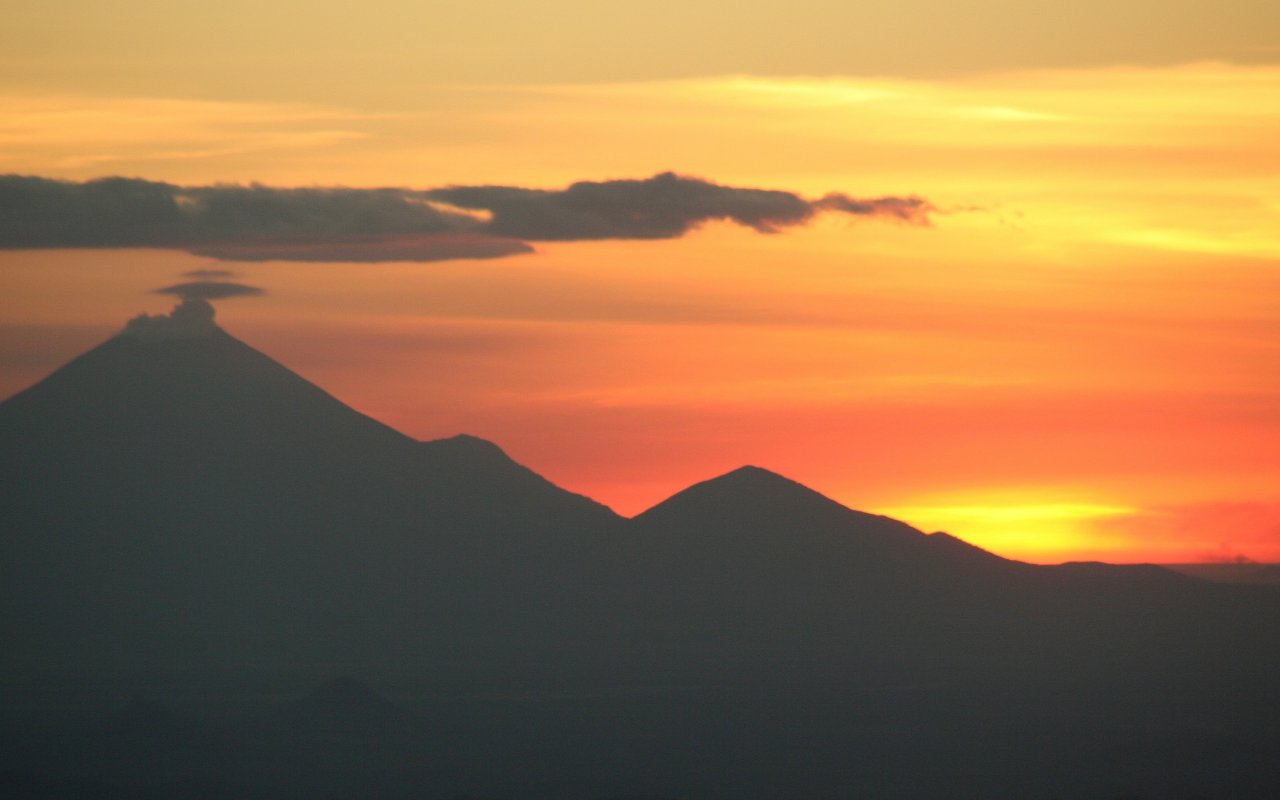
If you’re lucky, approaching Managua airport by plane will allow you to peek out of the window and catch a glimpse of some large green or black peaks planted all over the place. There are a lot of volcanoes around here. It’s not for nothing that this country is known as the land of lakes and volcanoes. The Pacific Ring of Fire and its explosive traces are clearly visible in more than half of Latin America.
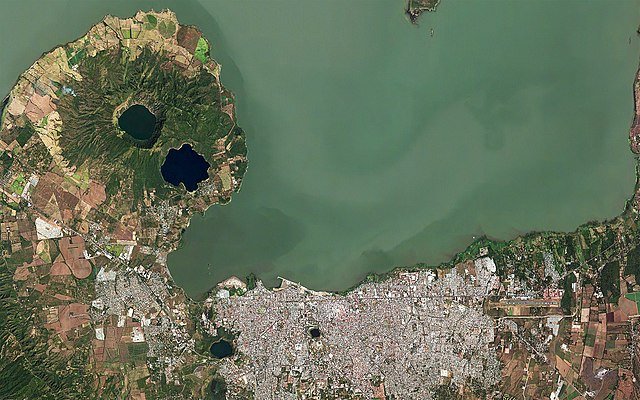
Land of Volcanoes
” Land of lakes and volcanoes” is one of Nicaragua’s undisputed titles, yet it is not the continent’s most seismically active country. Neighbouring El Salvador has more volcanoes, and Chile is by far the most volcanic country in the “cono sur”. So why such an honorary title? Nicaragua can’t even boast of being the only Latin American country to have volcanoes on its national emblem, since volcanic cones also adorn the coats of arms of Honduras, El Salvador, Costa Rica and Ecuador.
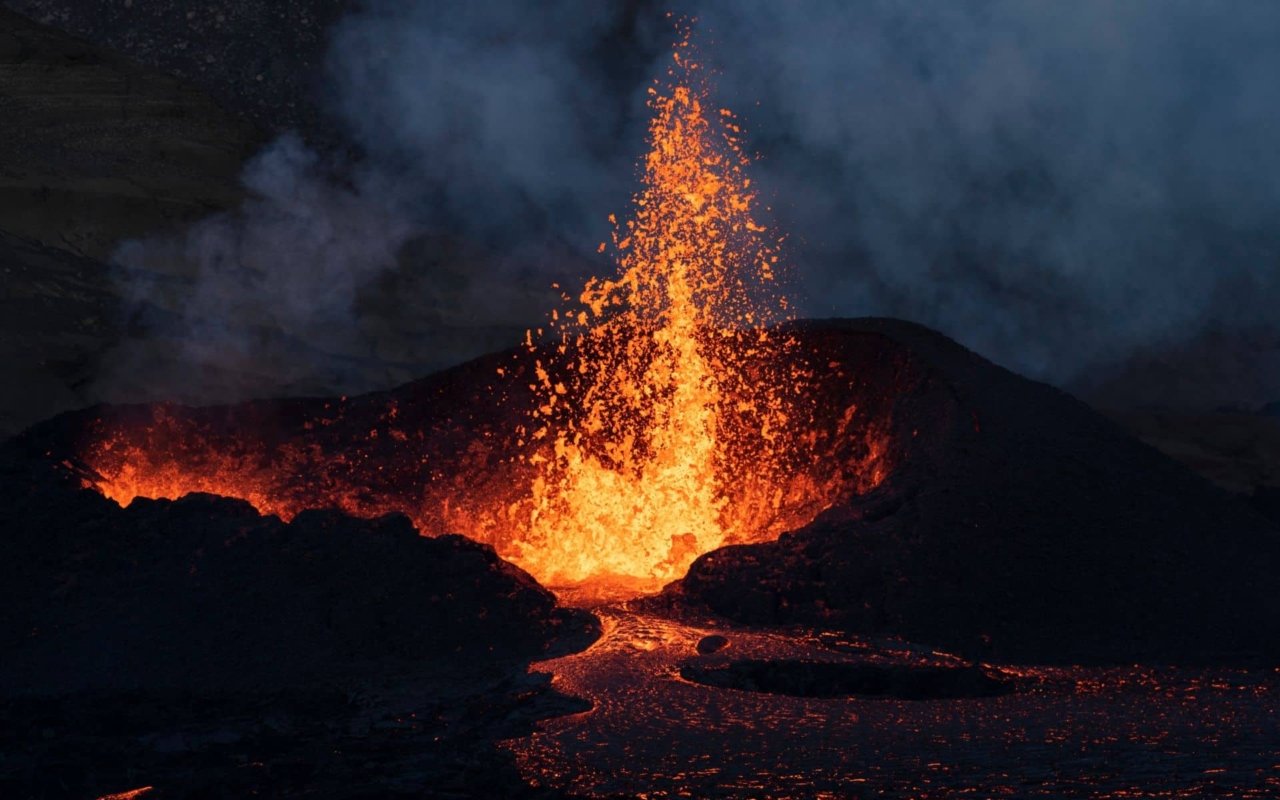

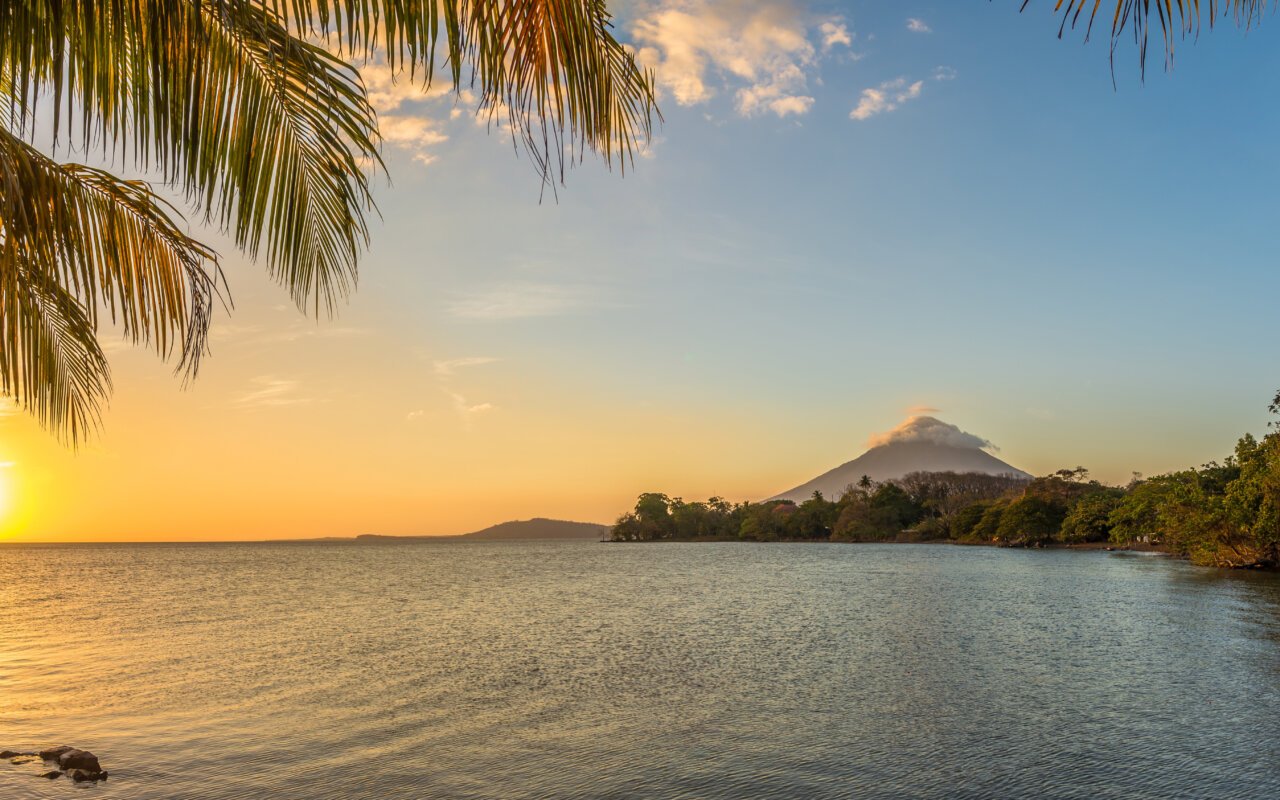
A special relationship with volcanoes in Nicaragua
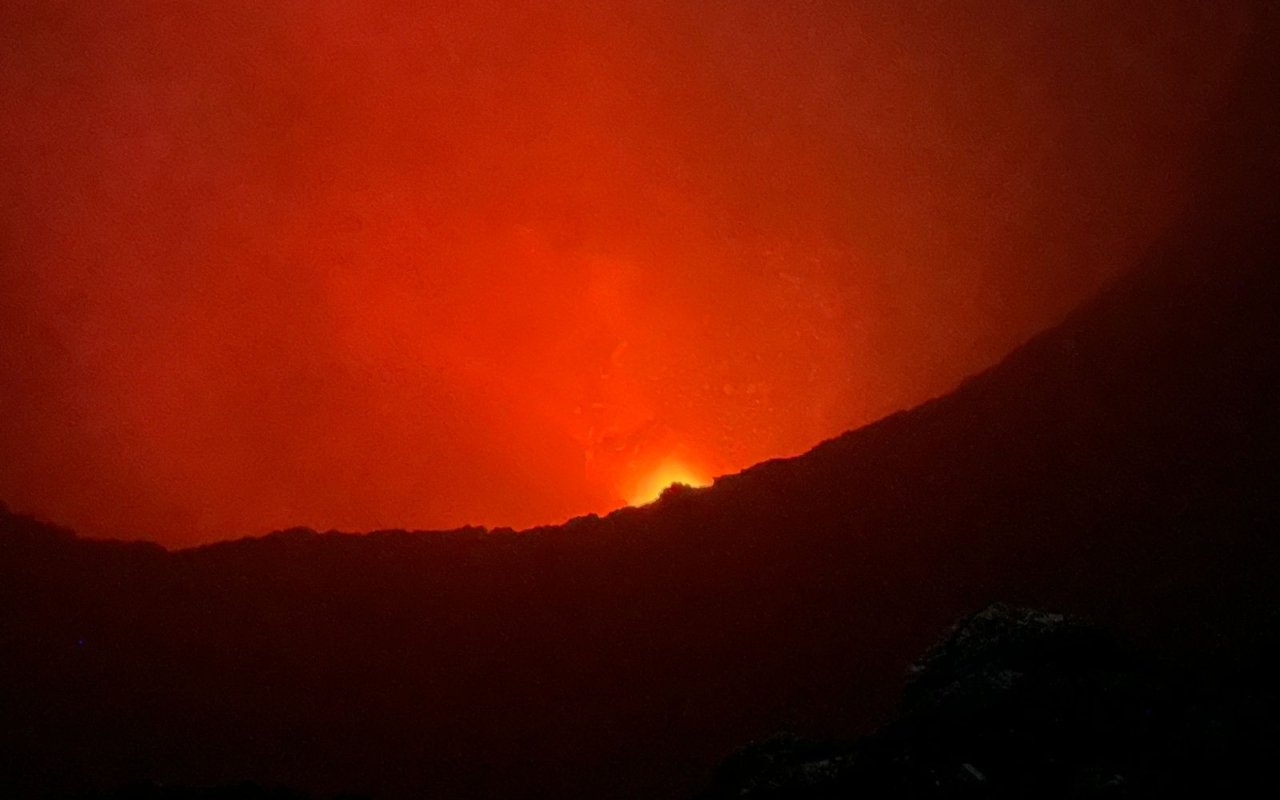
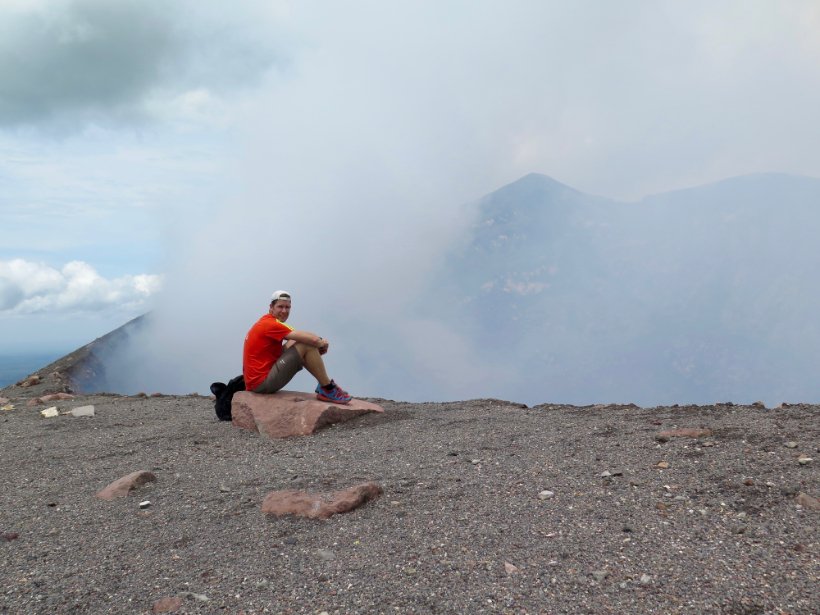
But Nicaragua and its people have a very special relationship with volcanoes, quite different from other populations living alongside these giants of earth and fire. In many other countries, volcanoes are considered dangerous, elusive and frightening. In Nicaragua, there is a real calm, close and loving coexistence with the mountains and their still-active craters. In many places, people feel panic at the mention of a volcano’s surprise activity. In Nicaragua, Masaya and Telica, for example, are wide awake, but this doesn’t stop farmers and locals from taking a stroll or grazing their cattle. Seen from afar, it seems unconscionable. It’s not easy to understand the love affair Nicaraguans have with volcanoes, as evidenced by the local custom of camping next to the Telica crater. And don’t forget that villages have been built on the slopes and access roads close to the Masaya volcano. It’s enough to show astonishment and surprise: are these people putting themselves in danger by any chance? They don’t care, only providence.
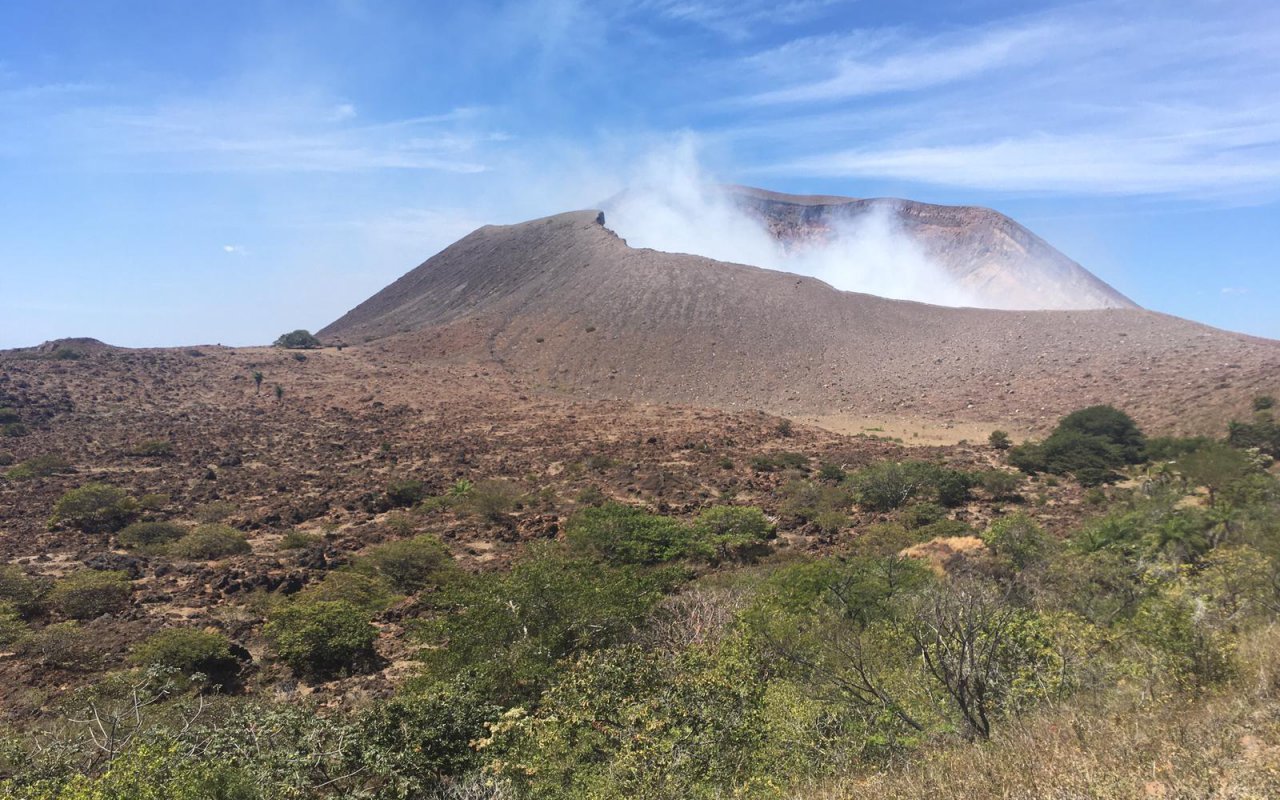
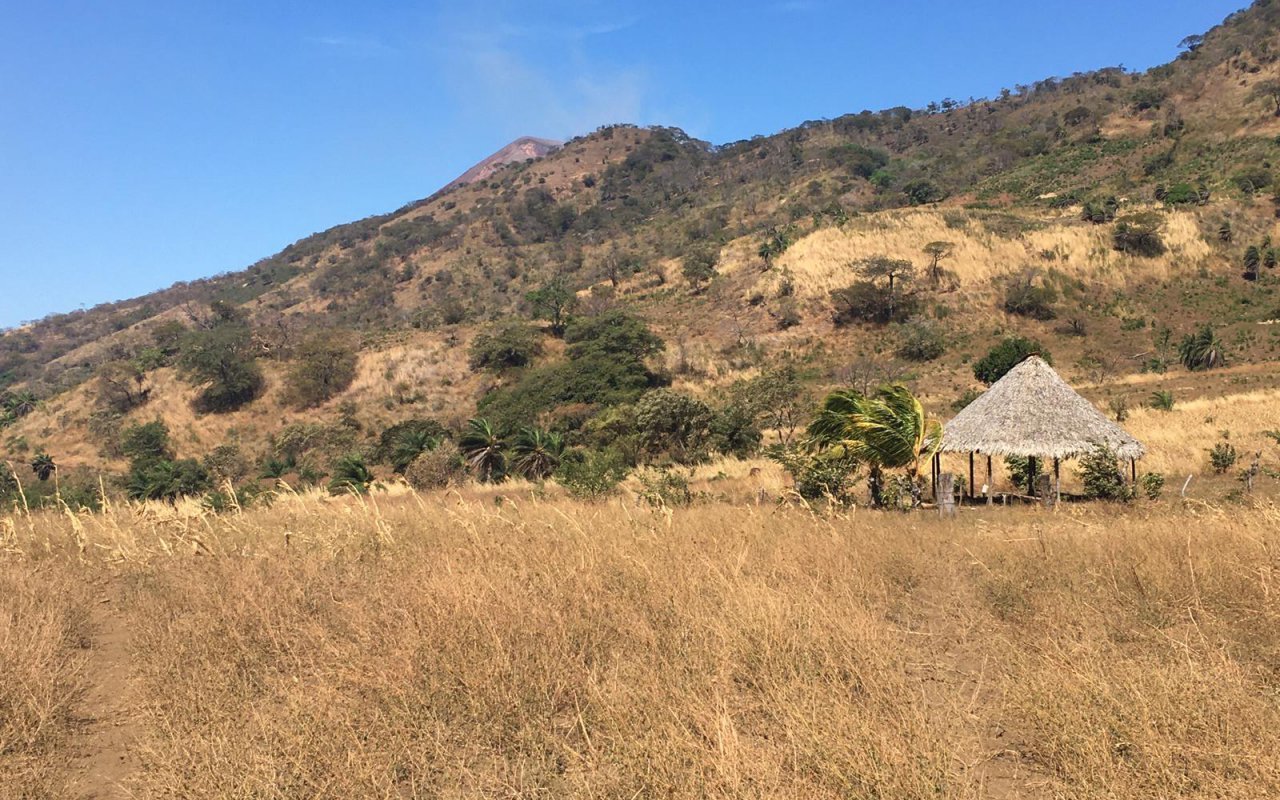

2000 year old human footprints in the lava
Imagine that over 2,000 years ago, footprints were marked in the ash and mud near Managua, the Acahualinca footprints. This is considered to be one of the oldest proofs of human presence in Nicaragua.
This means that human beings simply fled after a disaster, implying that human communities were living far too close to volcanoes. The inhabitants of this land have always shown great composure in the face of volcanic eruptions, and have done so for a very long time.
The relocation of Leon
The town of León was relocated following a real volcanic disaster. The town had been abandoned in the mid-16th century by settlers convinced that Momotombo’s eruptive activity was punishment for the assassination of the indigenous bishop Antonio de Valdivieso in 1550. León, the new town, is close to volcanoes again. It’s astonishing.

“The gateway to hell” in the eye of the colonisers
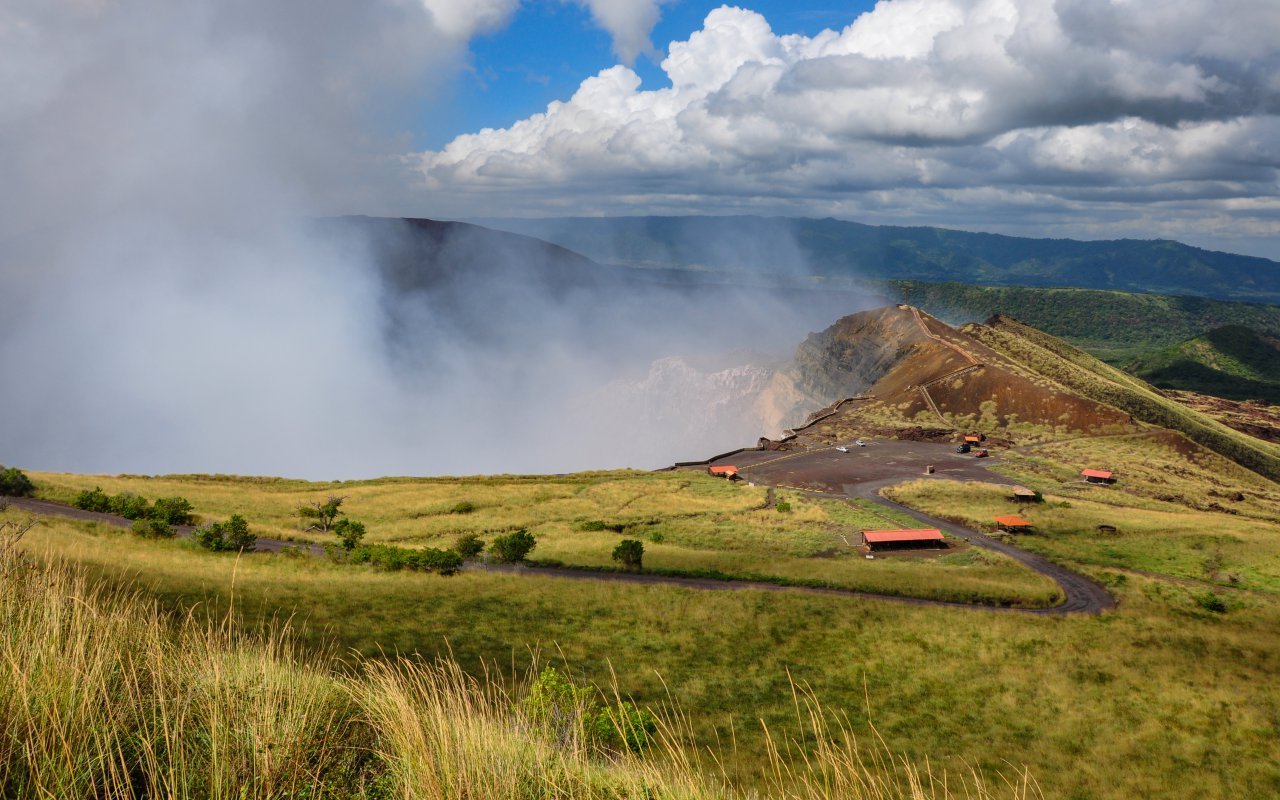
To find an explanation for this almost suicidal behavior, we need to delve into Nicaragua’s history. For the Spanish conquistadors, volcanoes were the gateway to hell, which is why they placed crosses on the rim of the craters. In that past, the tranquility witnessed in the footprints of Acahualinca also contrasted radically with the horror with which the Spaniards reacted to their encounter with the volcanoes of Central America. The first volcano described by the Spaniards was Masaya, known as “the gateway to hell”, an easily accessible volcanic caldera where you can contemplate the bubbling magma. Today, it’s a real accessible tourist attraction.


Sacred volcanoes for the natives
For the first inhabitants of Nicaragua, volcanoes like San Cristobal were sacred: “For them, volcanoes were the place where their dead lived, they were the place of remembrance. It was also a place where, according to tradition, wise women came out to tell them when they should harvest, to warn them of the dangers of invasions, a number of things. In past beliefs, volcanoes linked the sky, the earth and the underworld. With the passage of time and the mixing and blending of cultures, it would seem that this relationship with the sacred has not disappeared, and we could say that this love affair with volcanoes has remained in the collective unconscious of the people. What’s more, all these volcanic cones are so accessible, they’re almost like little cones compared to the gigantic volcanoes of the Andes. They’re smaller and also very close to sea level, so it’s possible to climb Masaya on foot, for example, something you can do without any extra effort. Apart from San Cristóbal and Concepción, which are the two heaviest volcanoes, and perhaps Maderas, you can reach all the others by car, on horseback or on foot.


Volcanoes are not viewed with fear here. People consider them part of their lives, even in times of eruption, because they know what to do in such cases. The fertility of the land fertilized by volcanic ash can help us understand why, despite the dangers, Nicaraguans have insisted on living at the foot of, or even on the slopes of, their volcanoes. And this proximity has left a deep imprint on the country’s history, traditions and character.
Discover these ideas for trips to Nicaragua's volcanoes!