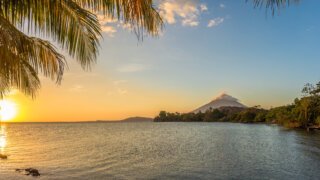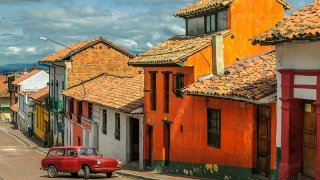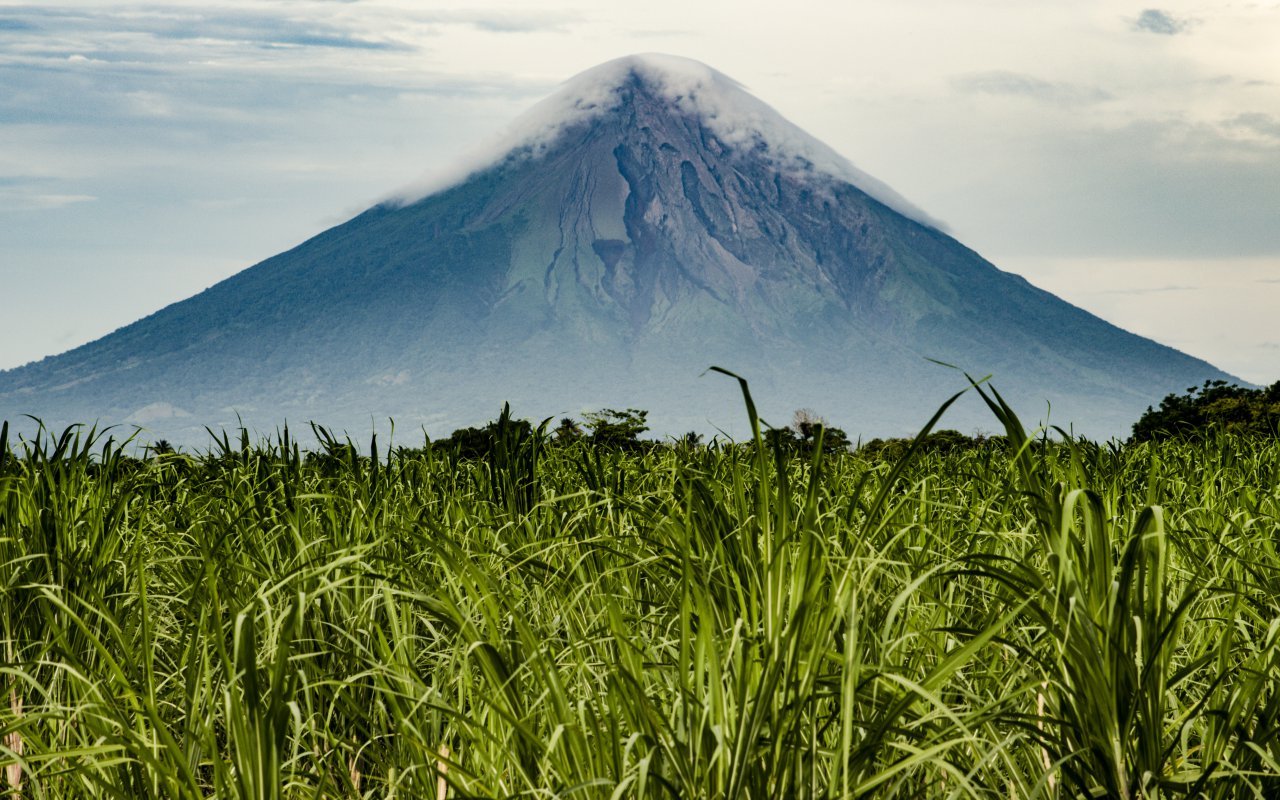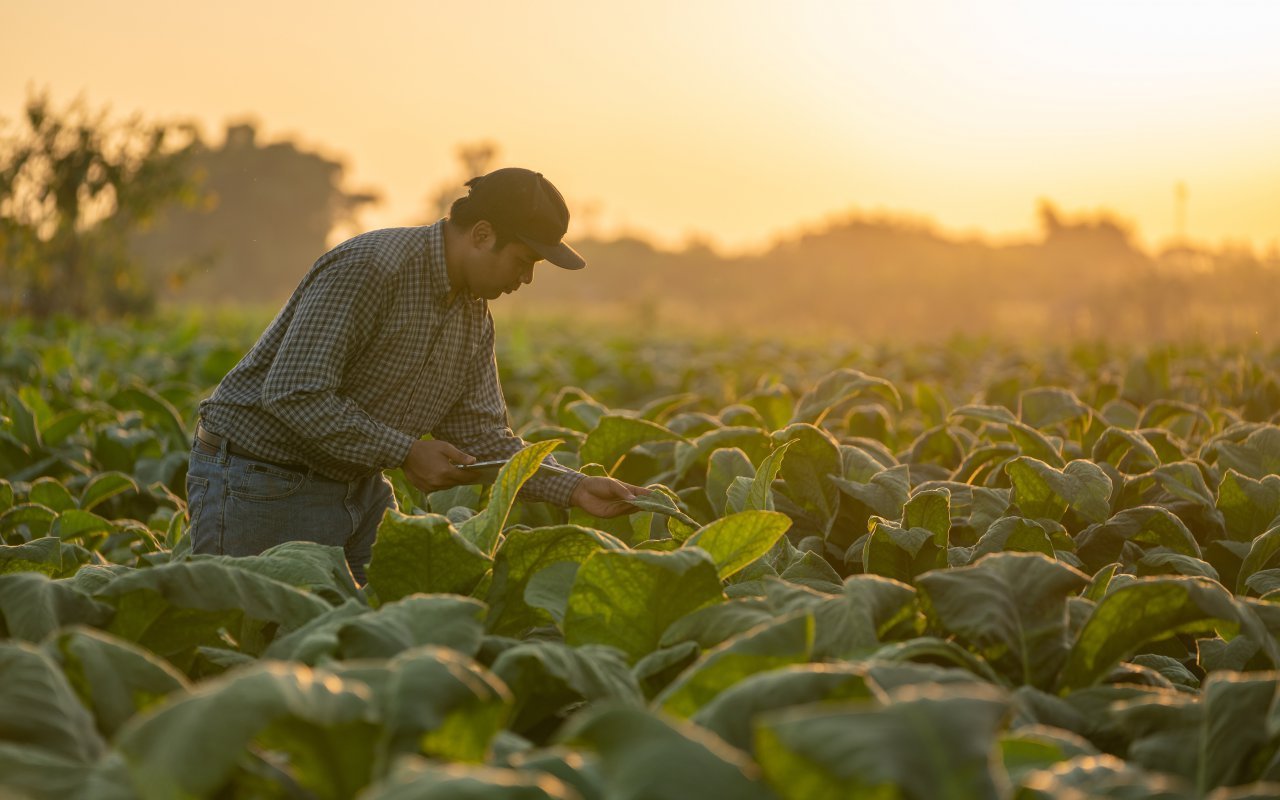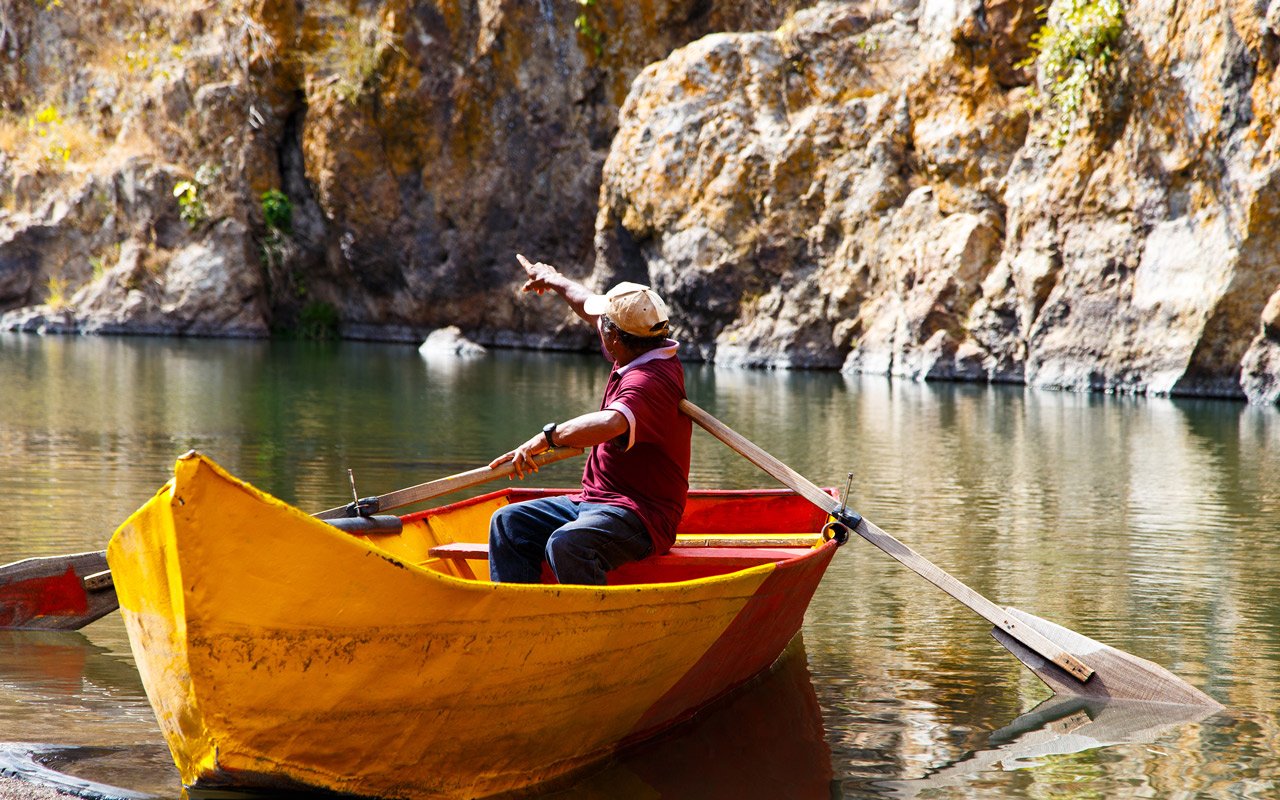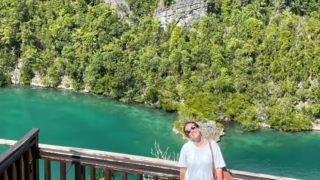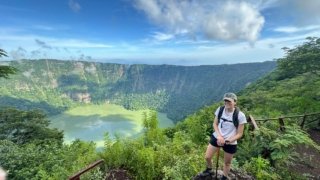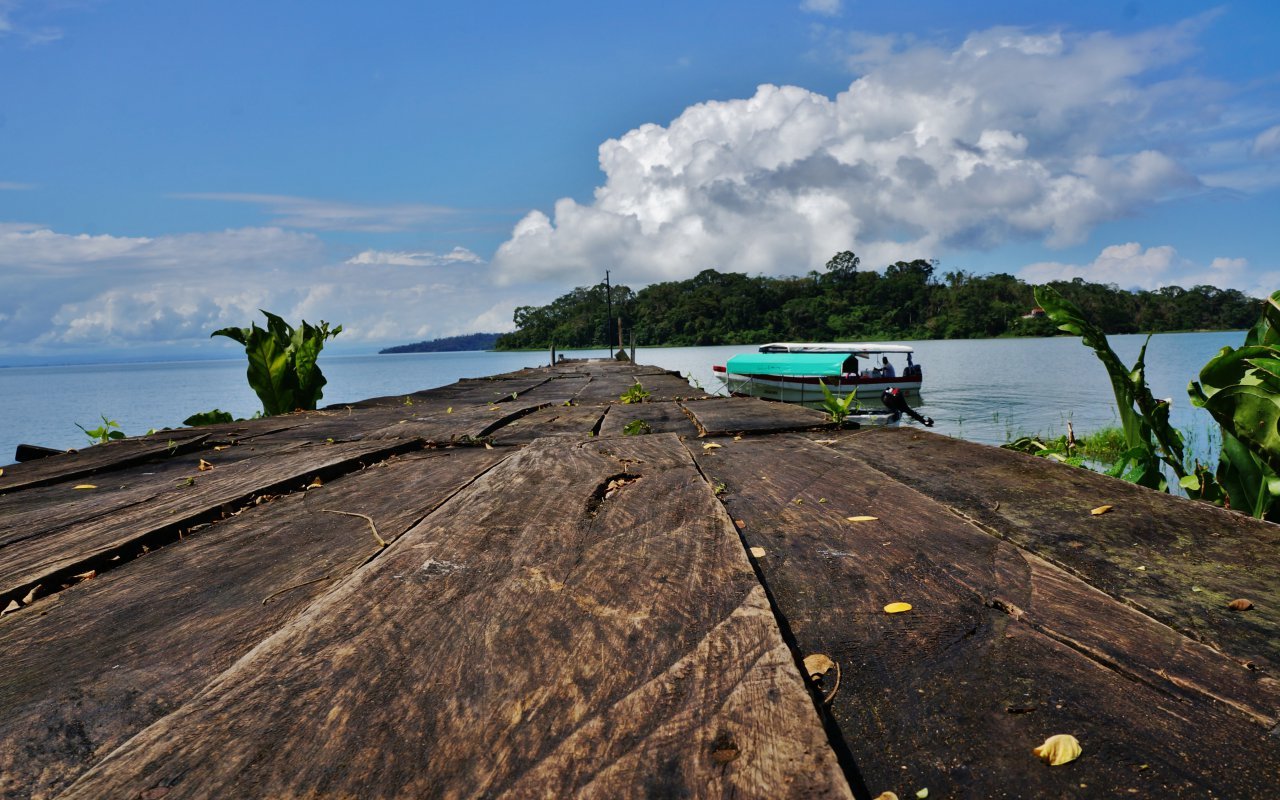
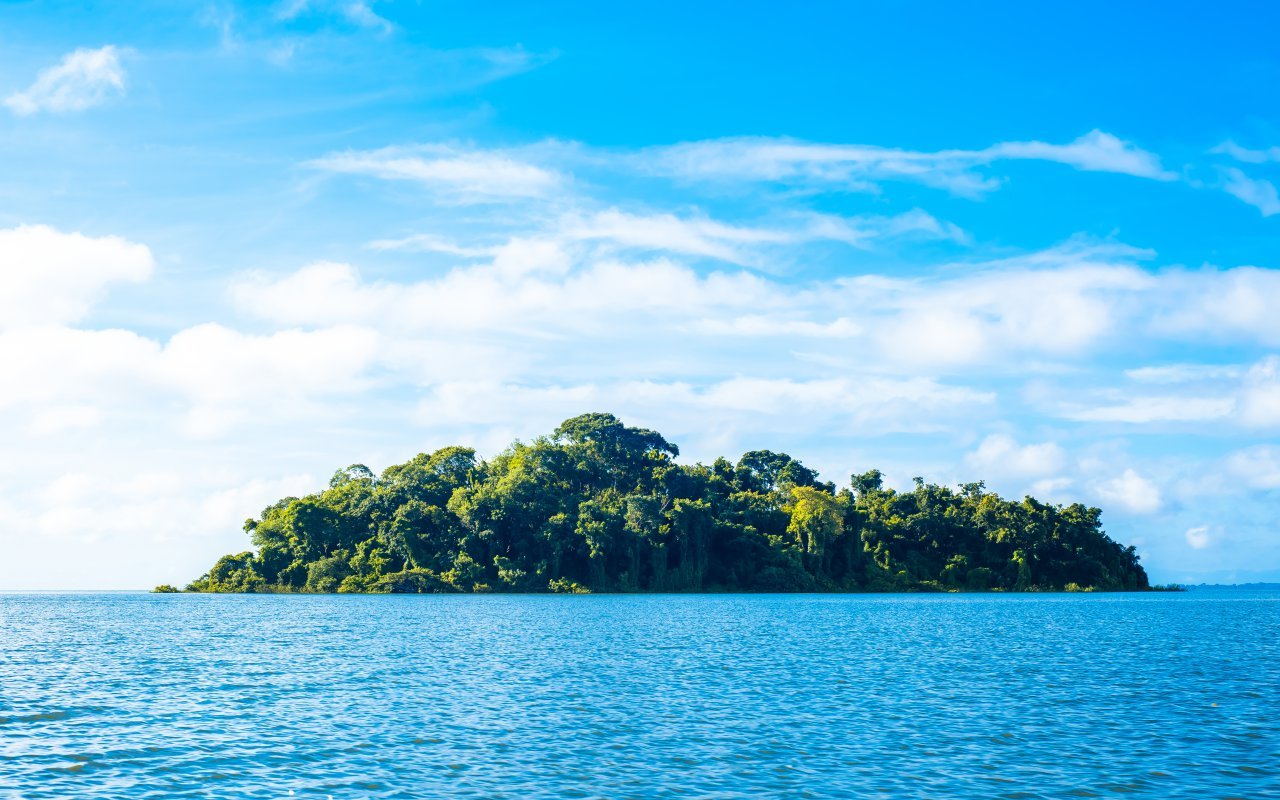
Located at the southern end of Lake Nicaragua, the Solentiname archipelago is made up of some thirty islands. A large community of fishermen and farmers live here, surrounded by a rich and abundant natural environment. In the late 60s, during the hippie era, Solentiname became known and recognized by the world’s artistic community. Many came here in search of inspiration and disconnection. The archipelago is literally immersed in a natural reserve, with its impressive flora and fauna. Finally, it’s not far from San Carlos, and can be reached in less than three hoursthanks to the services of the “lanchas”, local boatmen. Of course, access is limited, as is electricity. This is one of the “resources” and strengths of this place: Nature!
Geography and climate
The Solentiname archipelago covers an area of almost 40 km2, 250 meters above sea level, and is made up of 4 main islands – Mancarrón, Mancarroncito, San Fernando, La Venada – and some 30 small volcanic islets, often uninhabited or inhabited only by fishermen and numerous waterfowl.The 1,000 or so inhabitants of these islandslive at the rhythm of nature, remote and cut off from certain amenities such as access to electricity and running water.000 inhabitants of these islands live at nature’s pace, remote and cut off from certain conveniences such as access to electricity and running water. Theclimate is mild all year round, around 26°C, but the rainy season is a little longer than on the mainland. It rains between May and December.
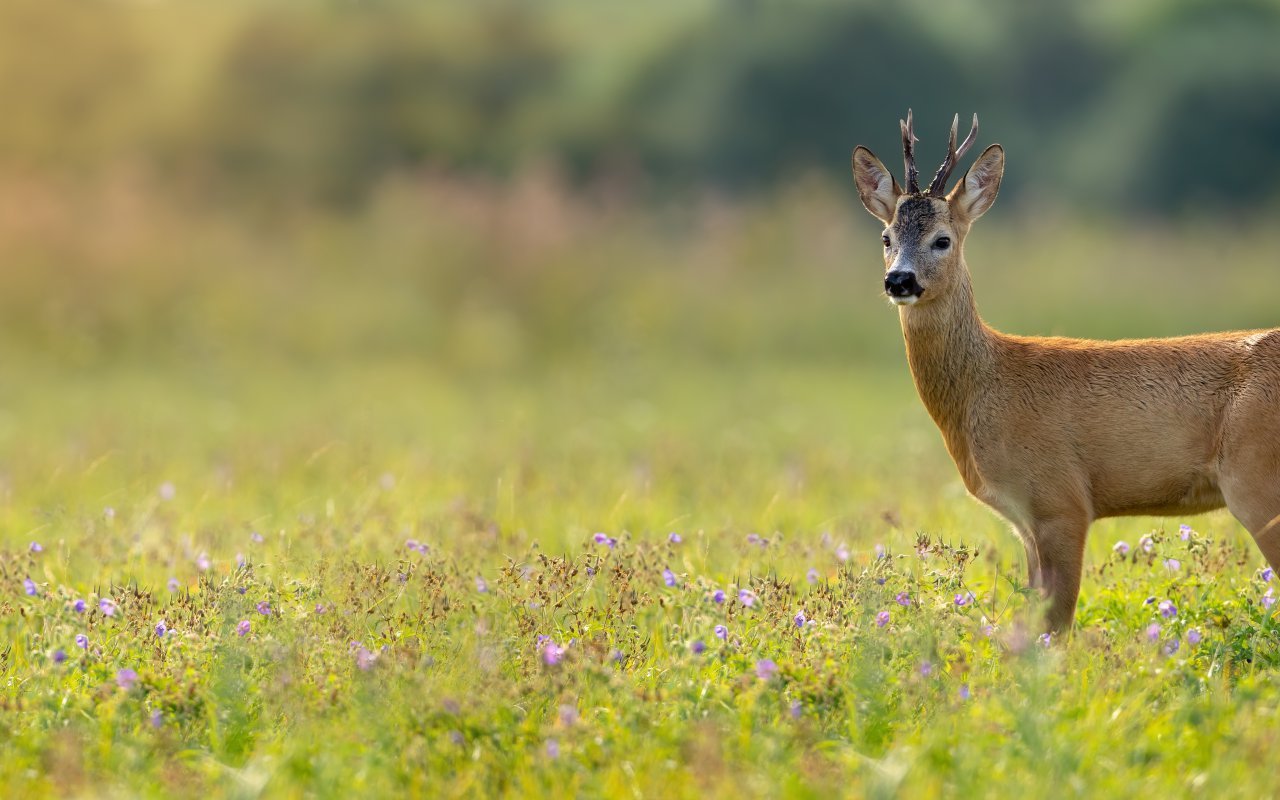
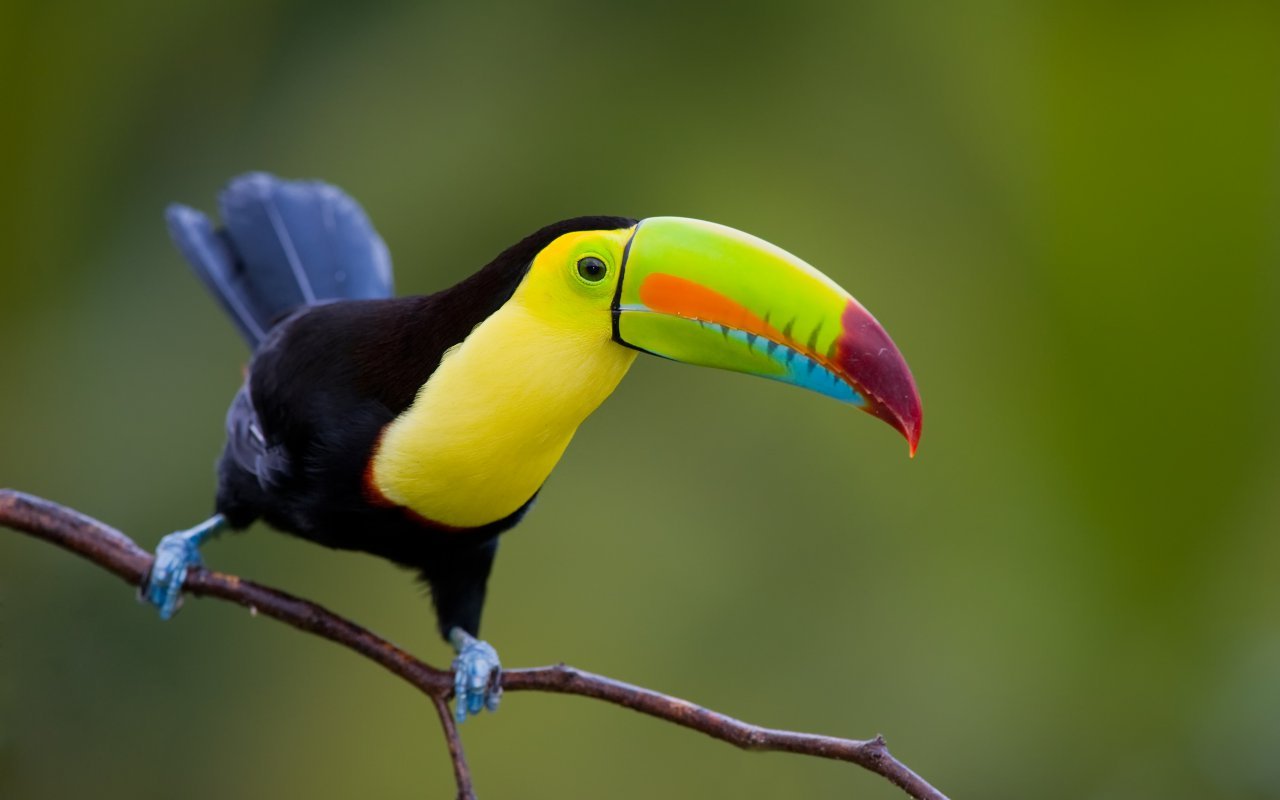
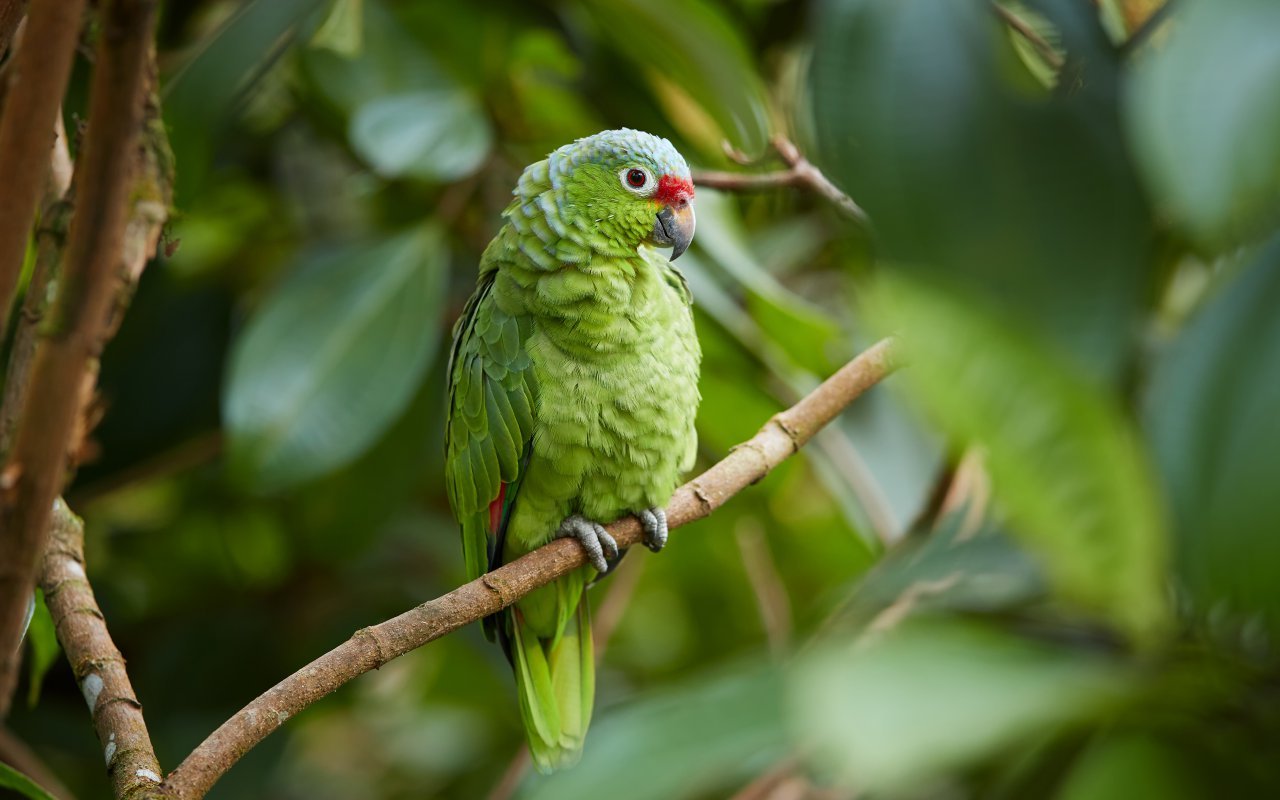
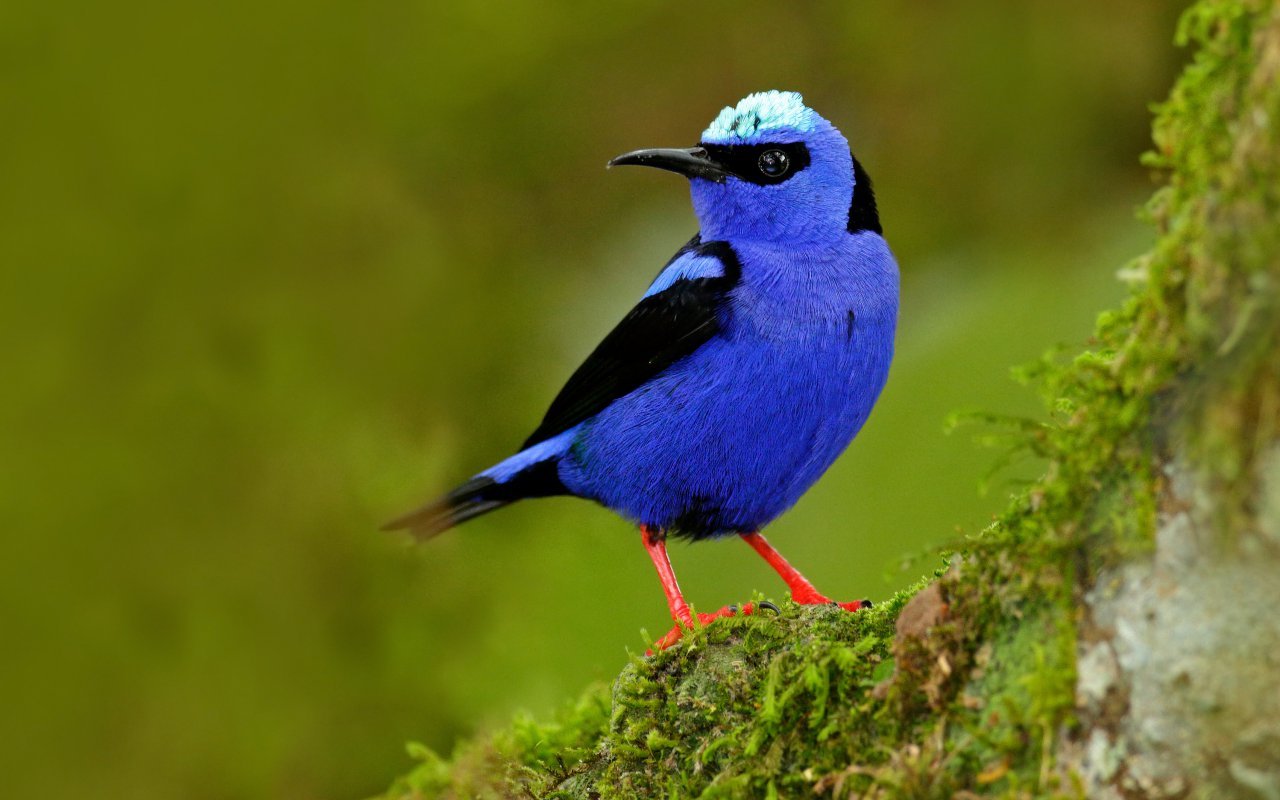
The tropical vegetation is therefore green and abundant, home to a diverse fauna. There are over 70 species of toucans and parrots, deer mainly on Venada Island, as its name suggests, and many different species of fish in the waters of the lake.
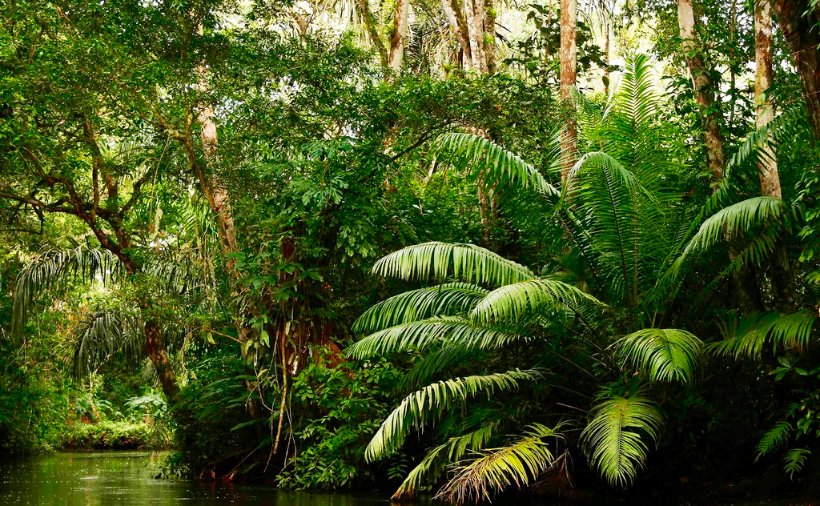
The Solentiname islands are part of Nicaragua’s protected areas and are classified as a national monument.
History and cultural heritage
Solentiname or Celentinametl in Nahualt, which means “place to stay”, invites you to spend a few days on these islands, discovering not only their great natural wealth, but also their culture and history. Little documented and little explored, the archipelago is said to have been the seat of a pre-Columbian culture. The petroglyphs found here – drawings of birds, men and monkeys – are like a trace left by the history of this still unexplored heritage. Nevertheless, numerous archaeological finds have been discovered and are preserved and exhibited in museums on the islands of Mancarron and San Fernando.
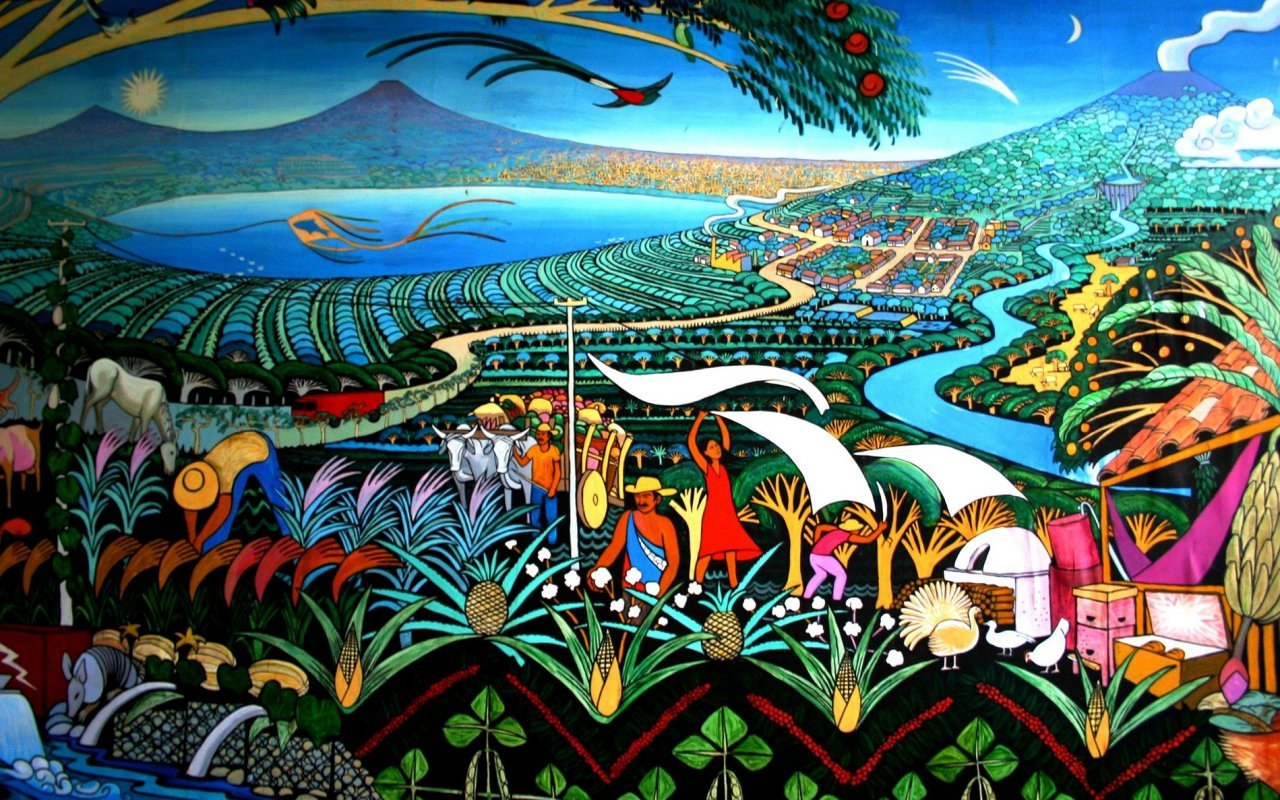
Mancarron is Solentiname’s largest island. In 1966, father and poet Ernesto Cardenal founded his community here, a communal society of artists, a contemplative community!
When Father Cardenal arrived, he rebuilt the village church and celebrated a peasant mass there for the first time. A movement was born, a primitive pictorial movement that has endured over time and whose resident artists exhibit their work in a gallery on the island. This movement attracted a number of stars from our old continent who came to the archipelago for shorter or longer stays to recharge their batteries in this special, artistic atmosphere.
What to see and do in Solentiname
Nature is very present on the Solentiname archipelago, so take the time to observe it while discovering the history and heritage of this community.
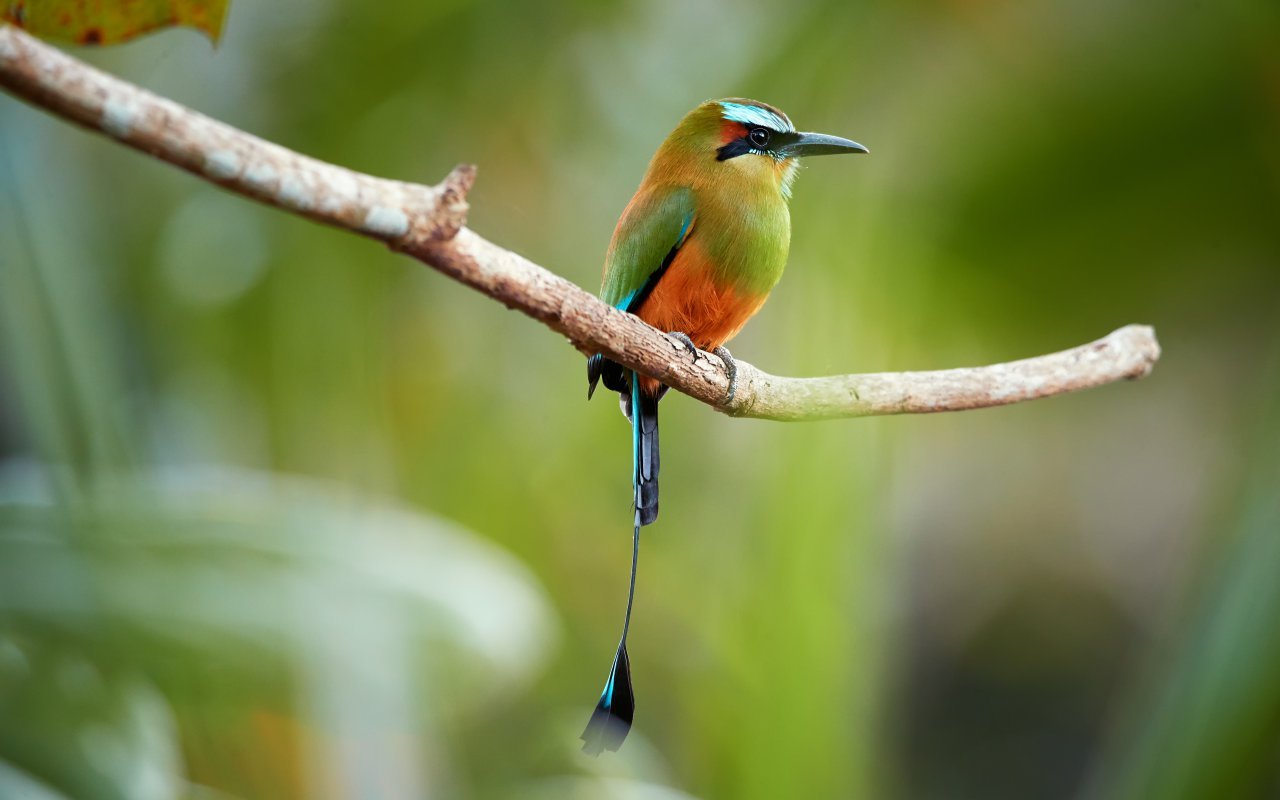
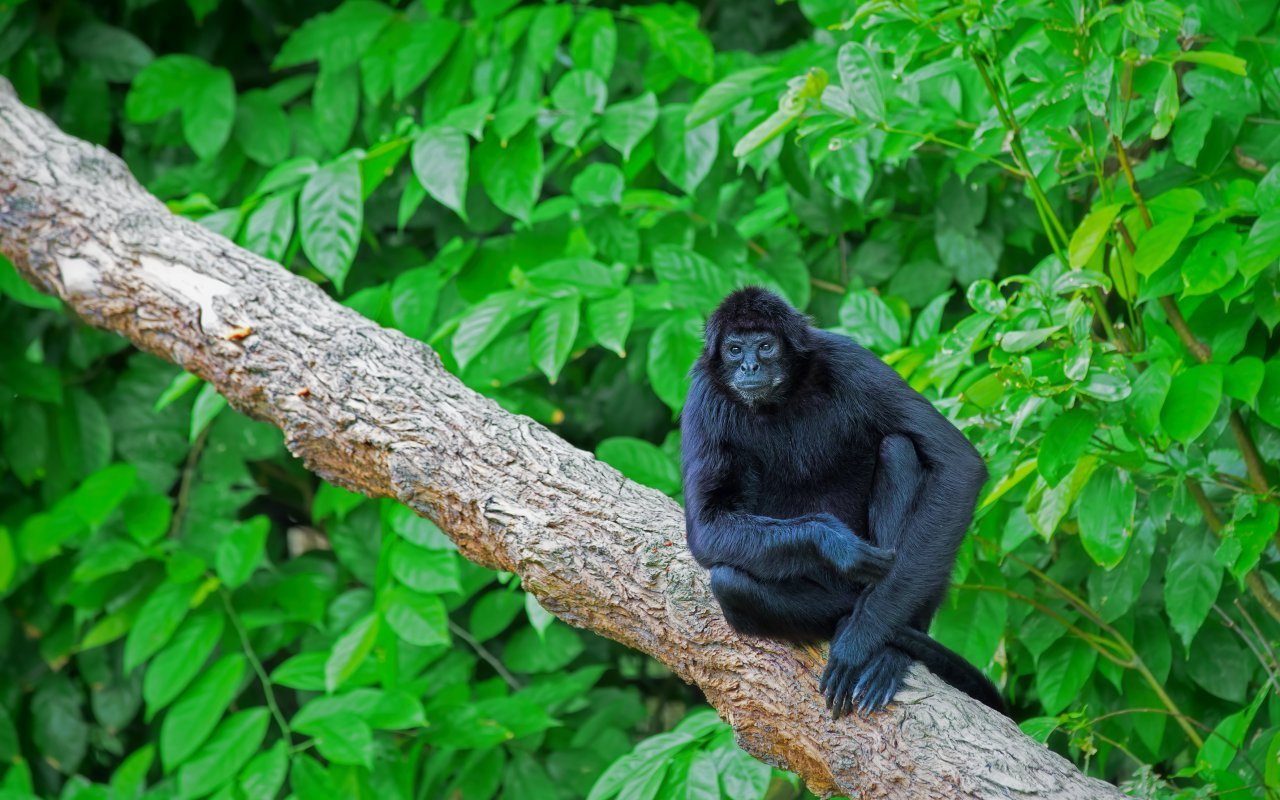
Here are a few ideas for excursions in Solentiname:
- a hike on San Fernando Island in search of archaeological sites and petroglyphs
- a visit to the art galleries on Mancarrón Island to admire local art, learn how to make traditional handicrafts or even buy some as souvenirs
- a horseback ride on Venada Island through fields of avocados, cotton, coffee or cocoa.
- a kayak outing on the waters of the lake
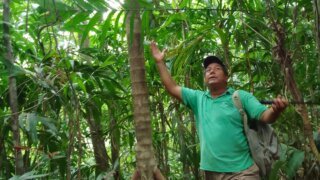
- a hike in the Los Guatuzos nature reserve, where you can go on a daily expedition to meet hundreds of different animal species.
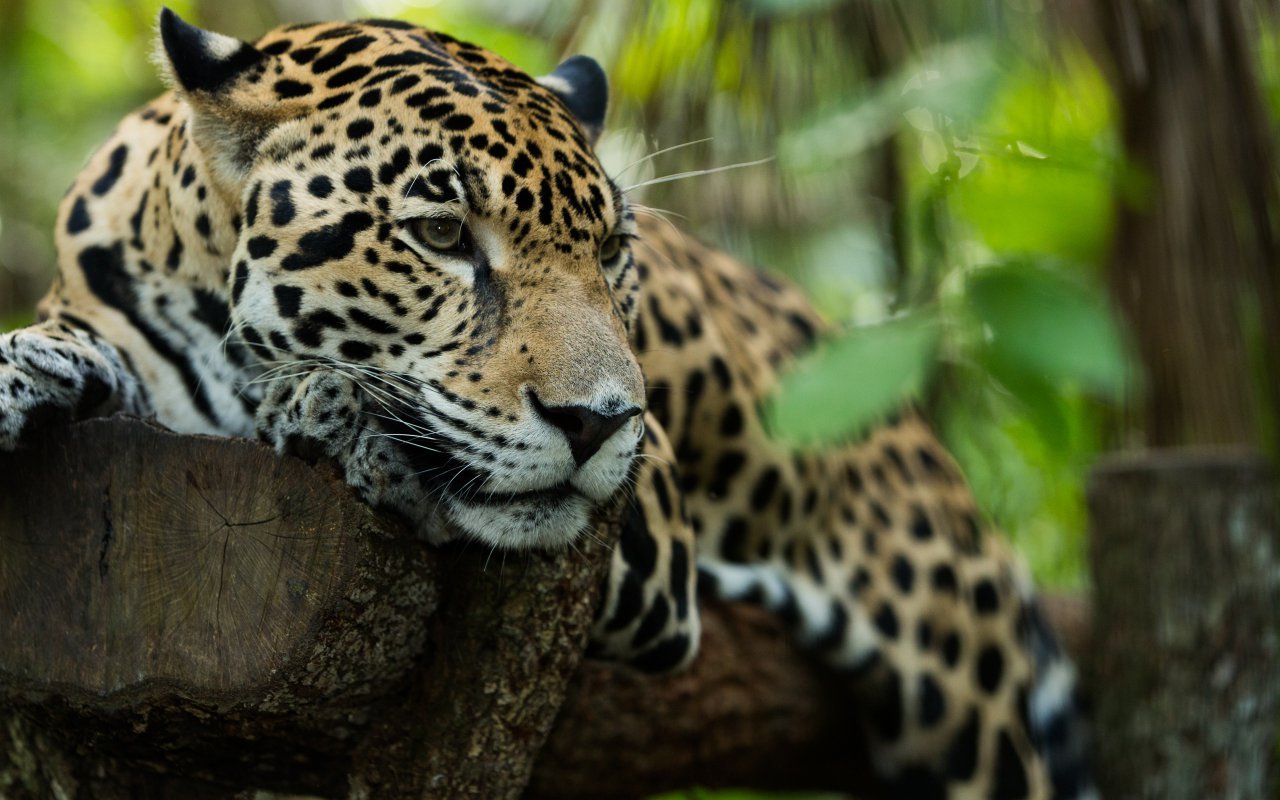
Los Guatuzos Nature Reserve
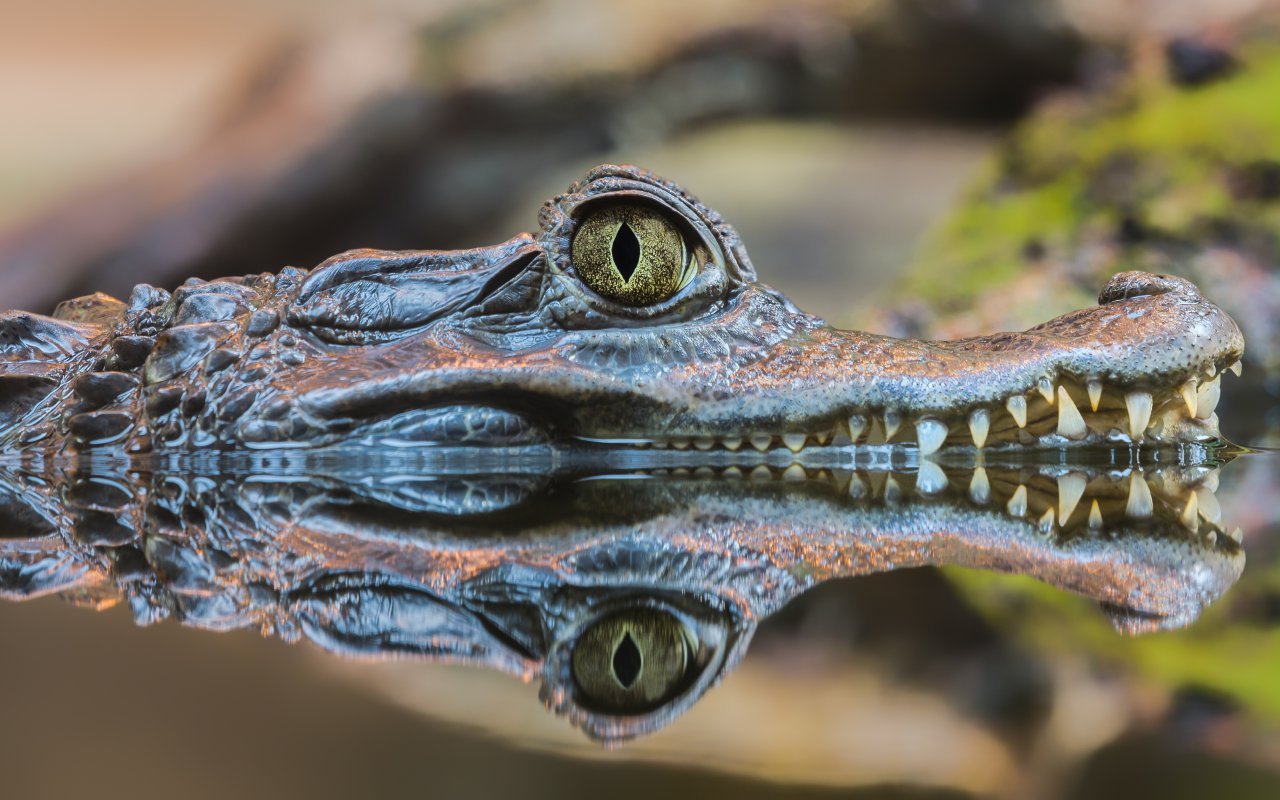
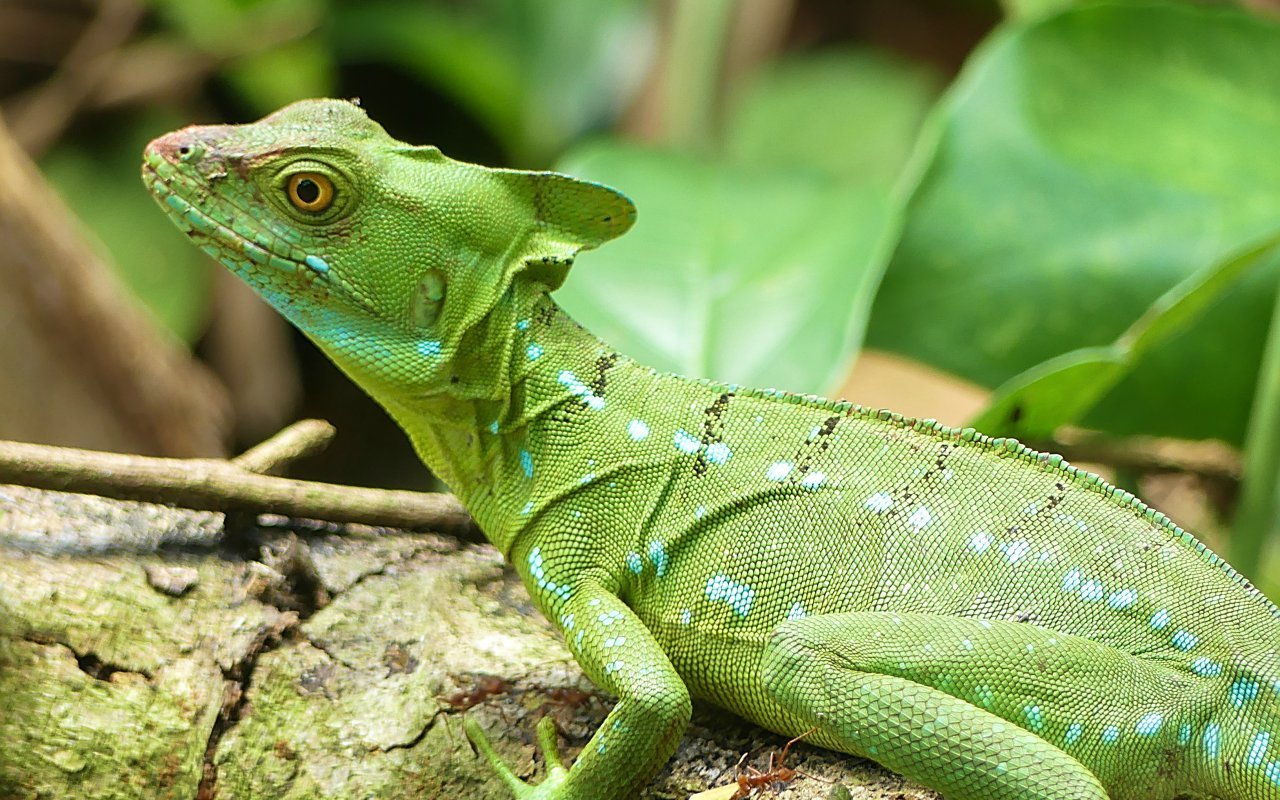
In the south of the Solentiname archipelago on the mainland, on the border with Costa Rica, lies the Los Guatuzos nature reserve. This wetland forest area of over 400 km2, made up of rivers, canals and lagoons, is home to an important wild ecosystem. On the flora side, you’ll find a large number of plants and trees, as well as abundant marsh vegetation. The fauna includes mammals such as pumas, jaguars, sloths, different species of monkeys, water turtles, alligators and iguanas, as well as hundreds of species of birds.
How to get there
To get to the Solentiname archipelago and Los Guatuzos nature reserve, the easiest way is to go to the town of San Carlos, from where you can take a public transport boat or request the services of a private shipping company. The journey between San Carlos and the Solentiname Islands takes around 3 hours.
Plan your next trip to Nicaragua!