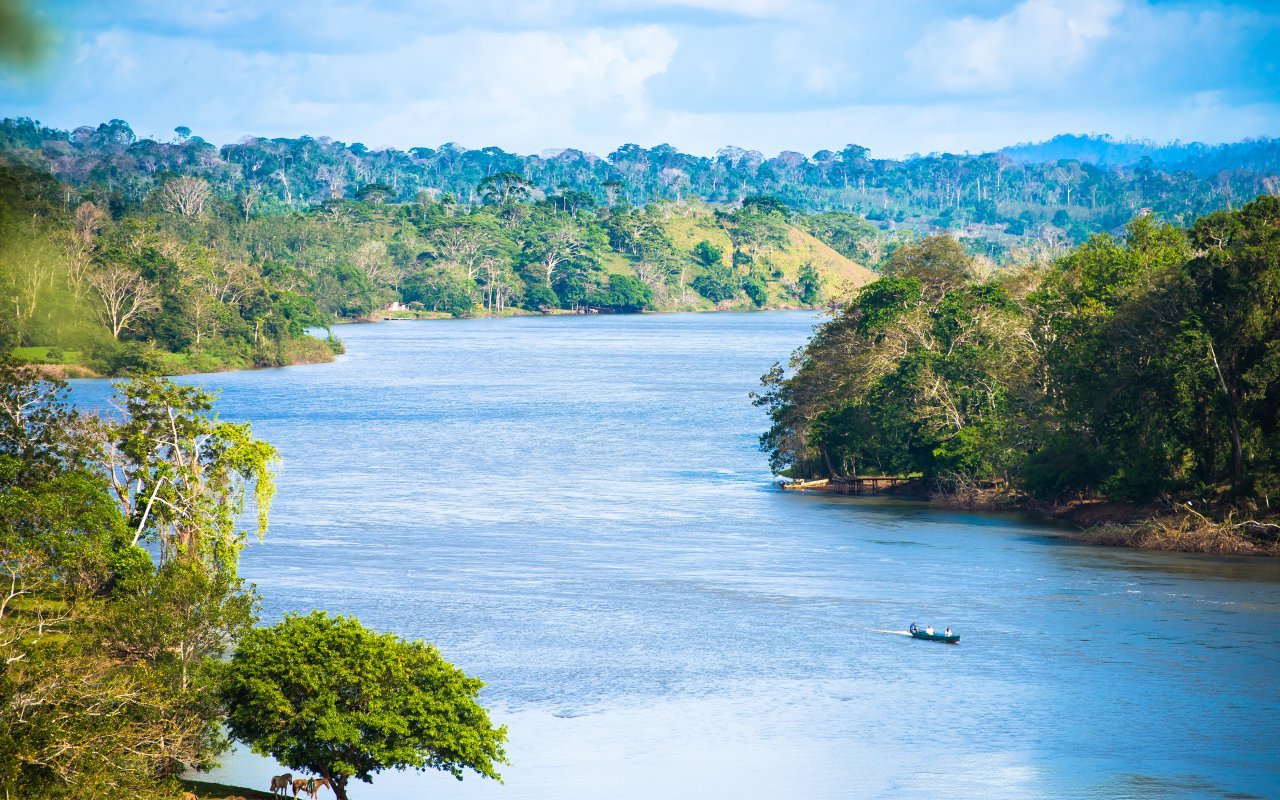
The importance of the Rio San Juan in Nicaraguan history
Referred to by the Spanish as “el desaguadero “, the “drainer”, the San Juan River was revealed to the conquistadores in 1525. Its importance and strategic position were obvious. At that time, it was much easier to control the flow of people to and from Lake Nicaragua and the Atlantic Ocean. It took some fifteen years to discover the mouth of the rio in the ocean, but in the end, real expeditions succeeded in this challenge. The rio San juan is an incredible hub between the province of Nicaragua and the entire Spanish territory.

A commercial route
Important trade and other connections took place between Granada and Havana, Granada and Cartagena. In the heyday of piracy in the Caribbean, the rio was known for the strong presence of pirates and freebooters, often pursued by privateers or other royal navies of the time. Some famous buccaneers and sailors made many incursions via the river. Morgan, Morris or François l’Olonnais were certainly able to penetrate and plunder certain Spanish territories, but they were very often repulsed, rather easily, by the defense of the colonists who had built forts and by the complication of navigating the river. When pirate raids did get through, they were sure to plunder the city of Granada, and sometimes even León, further north. Looted goods and war treasures, but also enslaved local inhabitants. To defend and protect the rio area, a dozen fortifications were built, the largest of which, El Castillo, can still be seen today.
Until the last century, the conquest and control of the Rio San Juan gave rise to many conflicts, both political and commercial, as well as fierce exchanges between certain parties, between natives and colonists, between settlers, between owners of timber and banana farms, etc. Between piracy and indigenous Miskito conflicts, the region has seen the colors of many flags, especially the gringo and the American flag.
During the years of conflict between the Spanish and English crowns, an Anglo-Indigenous alliance tried to gain a foothold at the mouth of the river. The fortress of El Castillo had lost its garrison leader, and legend has it that it was his daughter, Rafaela, who successfully organized the defense against the invasion! Later, the famous British sailor Nelson also fought a long battle lasting some twenty days, with no victor. Disease and poor resupply of the fort and the invading belligerent column had decimated invaders and defenders alike. Right up to the last century, the Rio San Juan has been a definite focus of interest for the major European countries occupying the central American territory. In Nicaragua, as in the San Juan region, the country and its natives did not escape the Spanish invasion and its associated conflicts, piracy and smuggling… until it was all but forgotten.
El Castillo
The picturesque village of El Castillo is about 2 hours by panga on the San Juan River from the town of San Carlos. There are no roads, but paths and docks along the river.

This quiet little town bears the historic name of the fortress Castillo de la Immaculada Concepción, built by our Iberian neighbors to defend this natural hub against the various invasions of pirates and freebooters. Its 300-year-old ruins are still visible.
It was an artillery general in the Spanish army who recommended its construction. In 1671, the Spanish authorities in Guatemala quickly gave the order to begin construction in this hostile environment. Situated on a small elevation on the banks of the rio, its position was strategic and ideal for building a surveillance and defense post. The locals gave the name “Raudal del diablo” to this new construction, in the classic warrior and defensive style of the time. The Spaniards kindly responded by christening it the “Castillo de la Pura y limpia concepción”, in the name of the Blessed Virgin, as the evangelization of the region was then underway. It was a real meeting point, a hub and a “road” junction, as traditional trade routes soon turned towards the Rio San Juan, as seen above, especially during the gold fever, in the middle of the 19th century, well after the arrival of the settlers. The fort and castillo were repeatedly defended against English troops and freebooters and other conquering nationalities present in the region. The renowned English Captain Nelson, hero of Trafalgar, also passed through here, and the smell of gunpowder wafted around for a few days. In hand-to-hand combat, he finally conquered the Spanish fortress. He didn’t stay there long, however, as the men and troop suffered from the climate and disease, andEl Castillo slowly fell into the abandonment and anonymity of the names of places lost or destroyed during the continent’s golden century, el siglo del oro del asesino. The veins of Central America were wide open, and El Castillo was only a trace, quickly erased by the inauguration of the Panama Canal and the establishment of the Nicaraguan railroad.
What to do in and around El Castillo
El Castillo is an attractive site for nature lovers, with access to rivers and nature reserves. Here, you can relax and enjoy an incredible, timeless experience in the heart of nature, with the following excursions:
- visit to the El Castillo fortress, where you can appreciate the architecture of this ancient military edifice and imagine the epic battles that may have taken place there
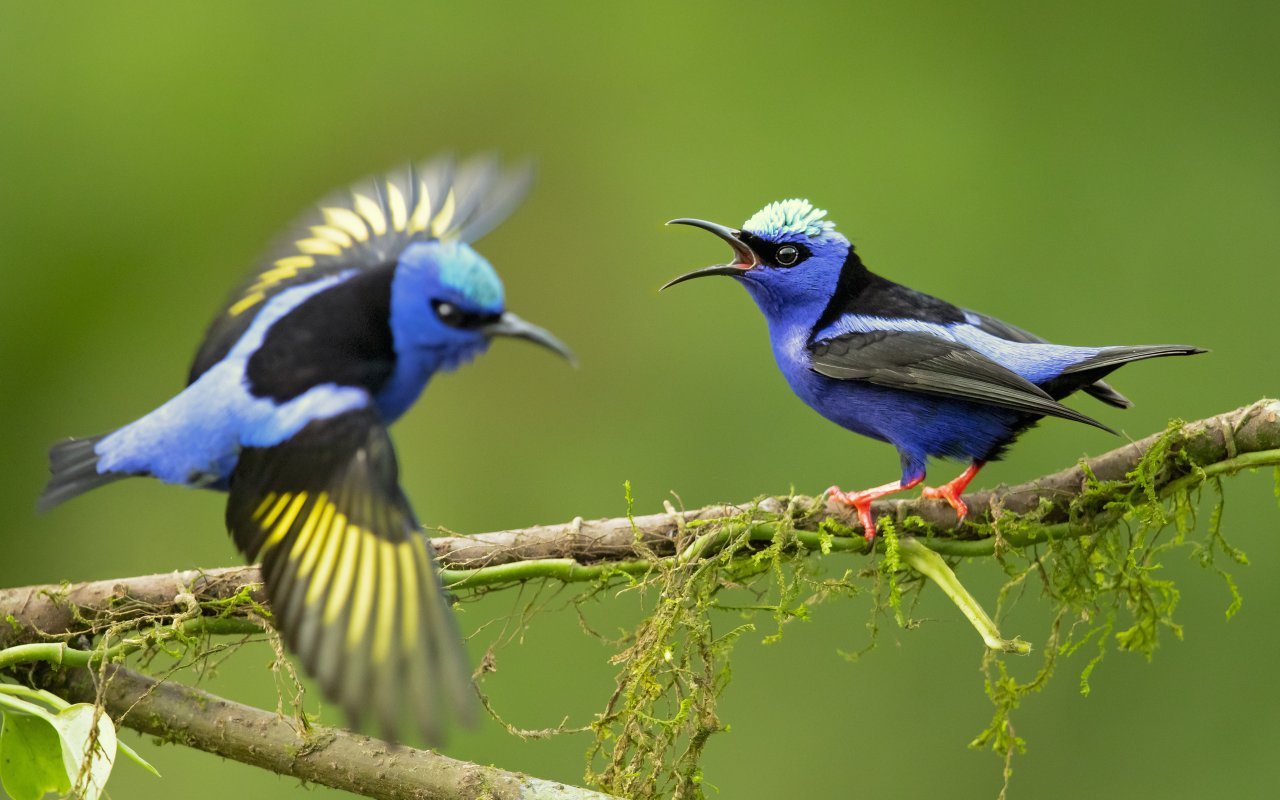
- observe the many birds and animals living along the river’s banks


- lunch of grilled fish by the river in the small village of Sabálos
- hike in the Indio Maiz biological reserve to discover its jungle and its “inhabitants” (see below)
- visit to an artisan chocolate factory
- kayak trip on the Rio San Juan

Indio Maíz Biological Reserve
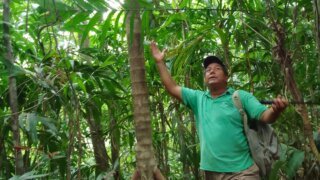
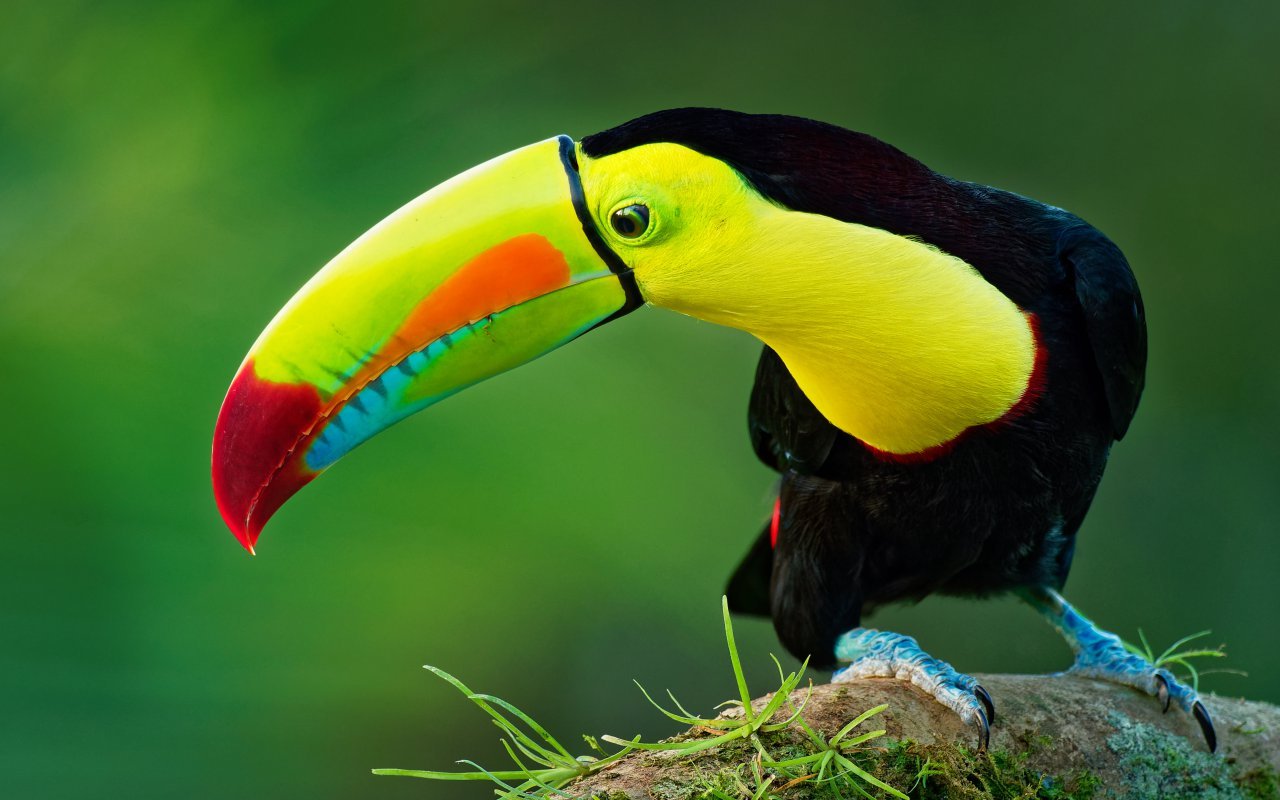
The Indio Maíz Biological Reserve is considered one of Nicaragua’s largest and most unspoilt nature reserves, covering over 3,000 km2. It is the heart of the flora and fauna of the country and the region. Between the hundred or so species of birds and other winged animals, including toucans, and large mammals such as pumas and jaguars (yes!), we are lucky enough to be able to count on the presence of three of the most beautiful monkey species present in the area: the congo monkey, the white-faced monkey and the spider monkey. The witness and guarantor of the preservation of this area is indeed the Nicaraguan state, which to protect it forbids access to most of the reserve but allows visits to a defined territory large enough to allow us to discover all its wonders.


Getting there?
The villages along the San Juan rio and the Indio Maiz biological reserve are accessible exclusively by sea from the San Carlos pier, andyou can choose to travel aboard a private or public lancha. The latter is less expensive than the former.

Plan your next trip to Nicaragua!