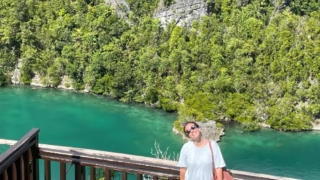
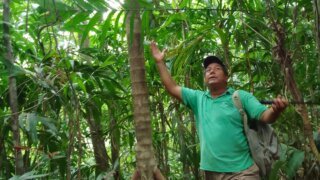
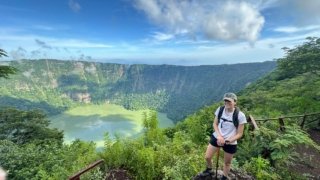
The small town of Somoto, the departmental capital of Madríz, is quite peaceful. It’s known as the “city of donkeys” because of the strong presence of this domestic animal in its streets. Not far from the town, you’ll find the religious sanctuary of Cacaulí and the impressive geological formation of the Somoto Canyon, otherwise known as Namancambre.
Geography and climate of Somoto
Located some 200 km north of the capital Managua, Somoto is the last stop before the El Espino border crossing with Honduras. The town of around 40,000 inhabitants is also the capital of the department of Madriz, which comprises nine municipalities.Its climate is typical of the dry tropics, with pleasant year-round temperatures of around 25ºC.
What to do in and around Somoto?
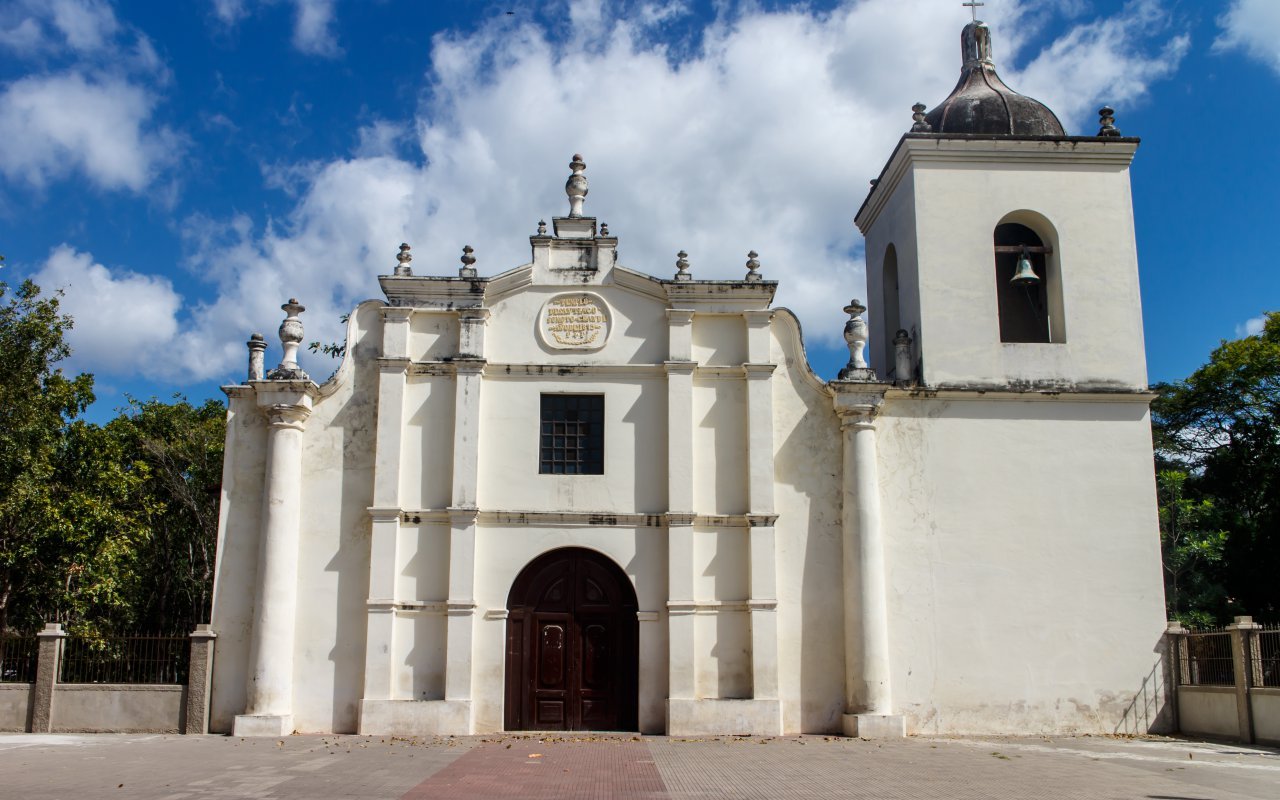
You can discover the small town of Somoto by strolling through its streets of colonial-style adobe dwellings. You can also visit its historic church, built in 1661 and said by historians to be much older than Leon Cathedral, and the resting place of national poet Rubén Darío. Located in the central park, the Piedra Pintada Museum exhibits interesting and well-preserved archaeological finds from the town and surrounding area.

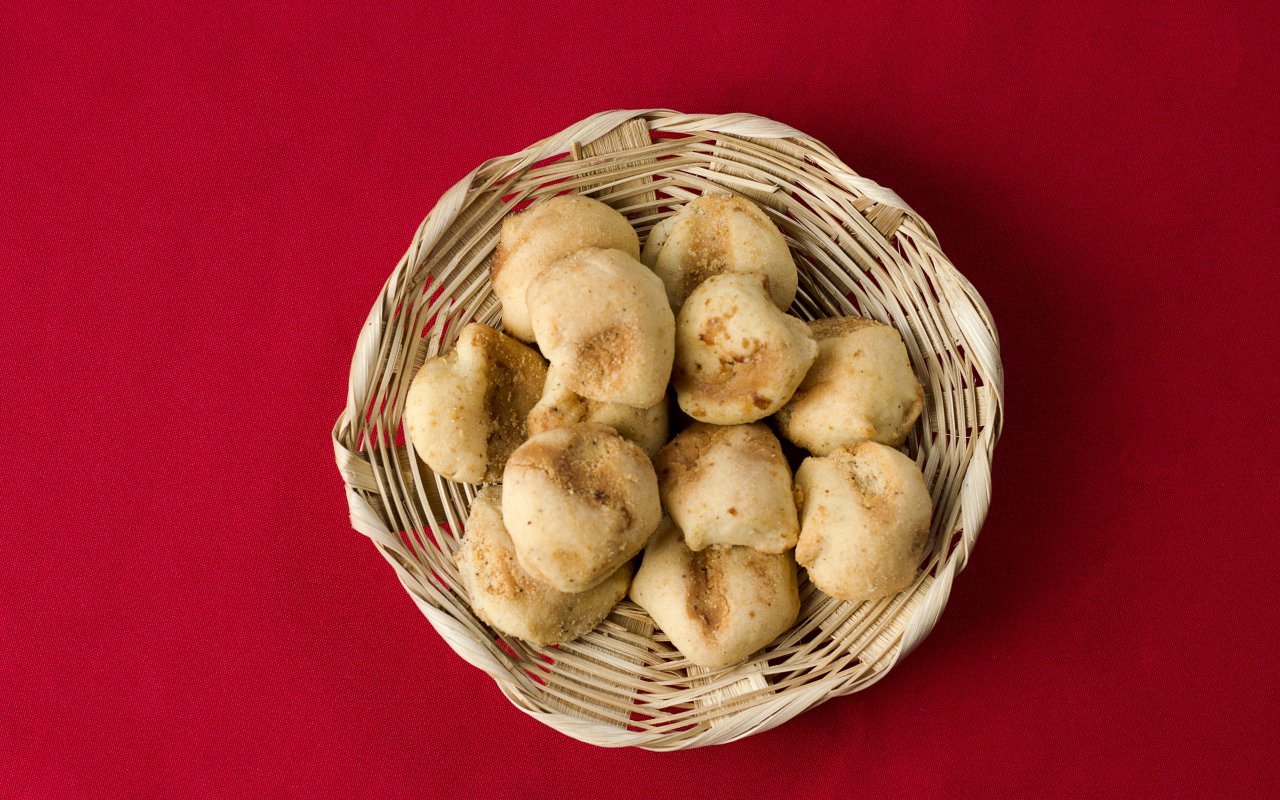
If you have a sweet tooth or a small appetite, stop off at one of the city’s rosquilla workshops to watch the artisanal process of making these tasty corn-based fritters, well known throughout Nicaragua.

Not far from the city, you can explore the Somoto Canyon (see below) and the Cacaulí sanctuary, where in 1990 a small child is said to have witnessed an apparition of the Virgin Mary.
Somoto Canyon
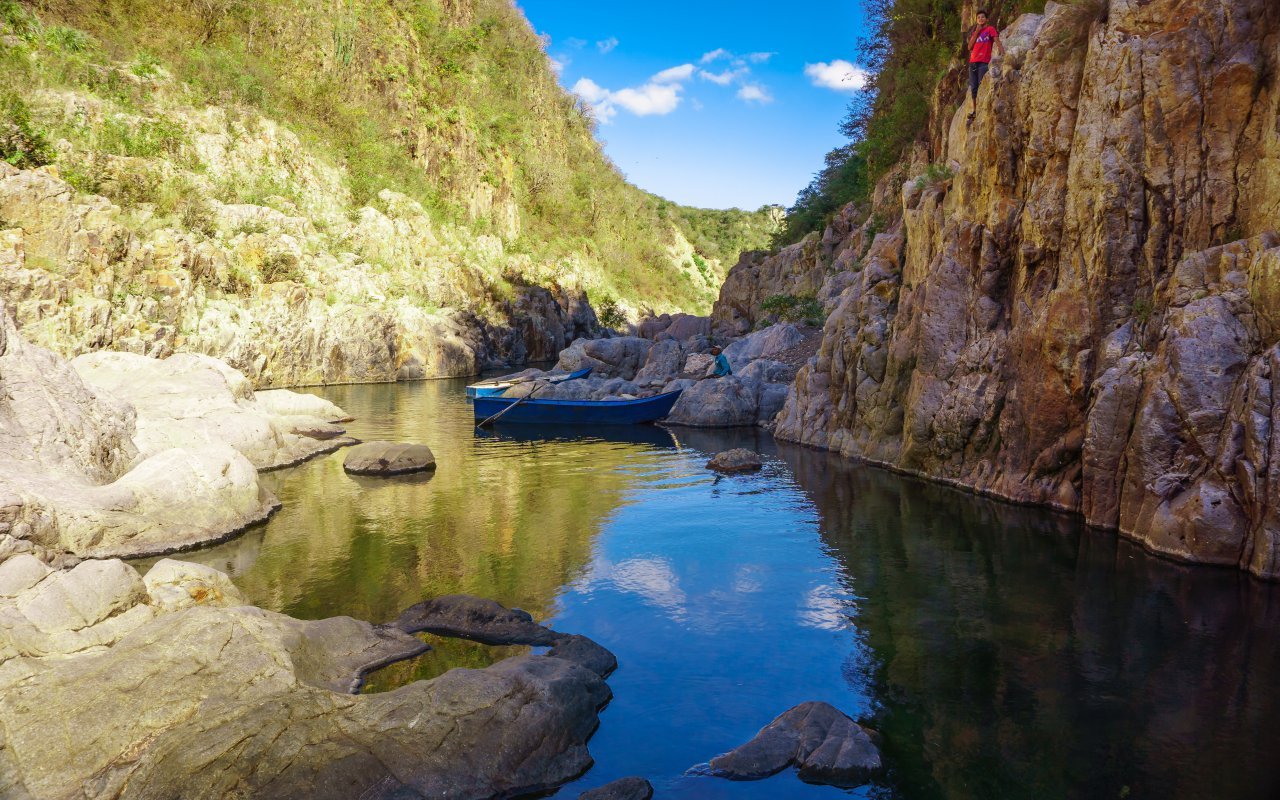
The Somoto Canyon, with its stroll and clear water jumps, is almost unavoidable if you radiate between Léon, Estelí and Matagalpa. It is one of the oldest rock formations in Central America, dating back between 5 and 13 million years, and one of the most impressive geological landscapes.
A recent tourist destination
The region has only recently become a point of interest for tourists, sports enthusiasts and adventurers, the canyon having been discovered in 2004 by Czech and Nicaraguan scientists.
The canyon is located some fifteen kilometers from the town of Somoto. The Coco River flows through 5 kilometers of 80-100 metre-high volcanic rock deformations, which can be explored during or after the rainy season.
A national Monument
It’s only recently that the area was declared a national monument, enhanced and protected by local geologists. There is great potential for entertainment, of course, but above all for exploration.
This is nothing new: families who have lived here forever regularly come to the canyon to cool off in the clear waters, alongside orchids, cacti and small reptilian and flying animals, sharing the rocky asperities lining the torrent.
Plan your next trip to Nicaragua!