
It’s not all plain sailing in Managua. It’s hot and the traffic is similar to that in most capital cities. Managua: the capital. A veritable bazaar. Bonimentes ” or campaign posters and large American-style advertising hoardings stand side by side with fragile signs inviting you to vulcanizacion (tire pressure) or to wash your car. Oxen and a cart next to the latest Ford or Toyota model at the traffic lights. Traffic flows more smoothly once you’re out of the Nicaraguan cauldron, and the local asados and barbecues invite you to stop and nibble a little fritanga.

Managua, capital city on the shores of lake Xolotlán
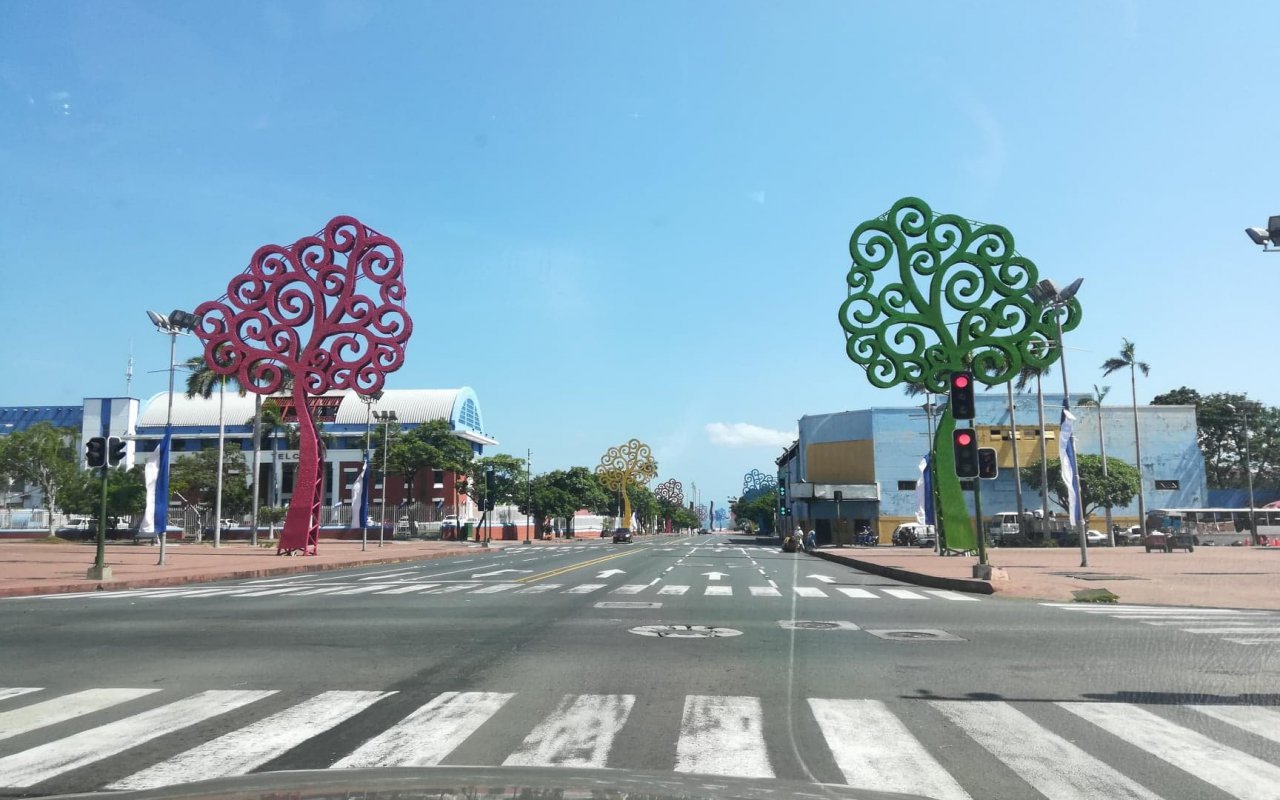
Managua and its sierra stretch for 20km, bordering the lake (Lago Xolotlán). Like many megacities, it’s hilly and probably polluted. It was hastily rebuilt after a serious and fatal earthquake over forty years ago. Finally, there’s no center to speak of. A surviving old cathedral sits alongside a new lakeside park. No walking around here. Unless you want to get lost and surprised in Central America’s largest market, theOriental. By pure chance, we come across a green recreational area not far from the main avenue, dotted with arboles de la vida, gigantic luminous metallic trees.


Want to explore Central America? Go to Nicaragua!