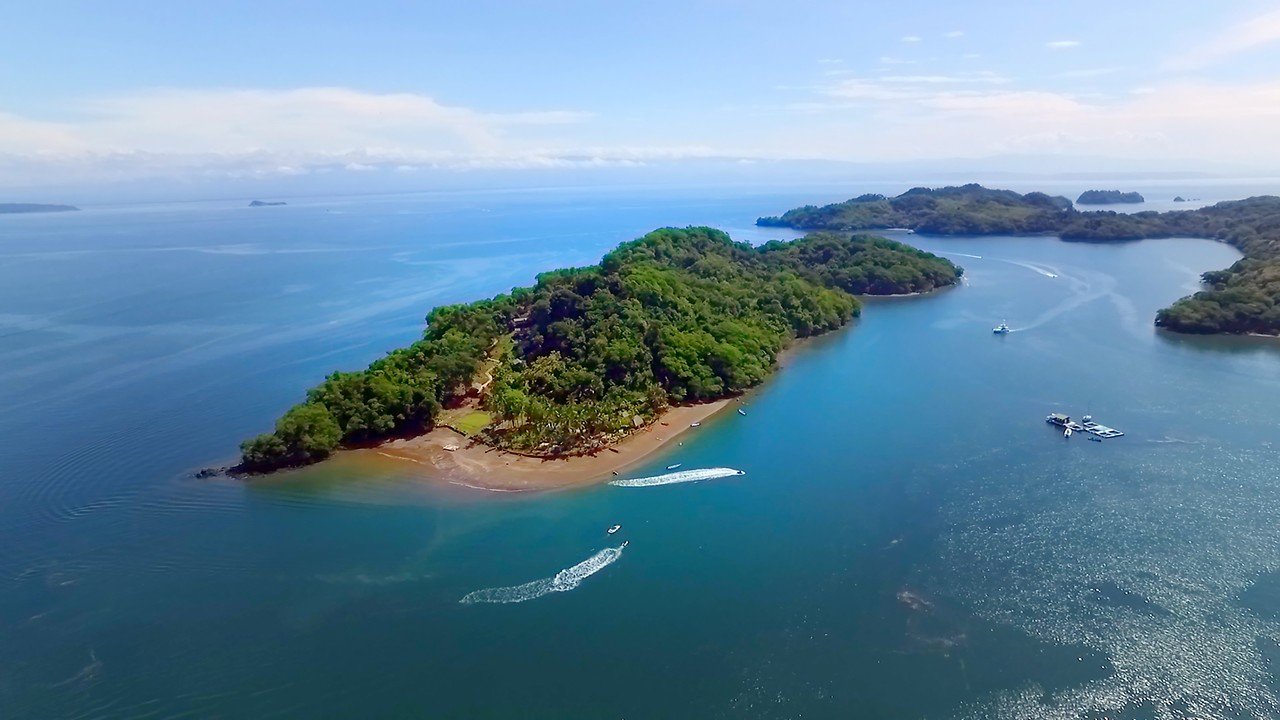
Situated side by side in Central America, Nicaragua and Costa Rica are popular destinations for their spectacular nature and rich culture. Yet their characteristics vary widely, offering travelers complementary experiences. This article guides you to understand the specific features of each, from the cost of living to biodiversity and iconic volcanoes , so you can prepare a holiday perfectly suited to your desires.
Understanding their geography and climate: natural diversity
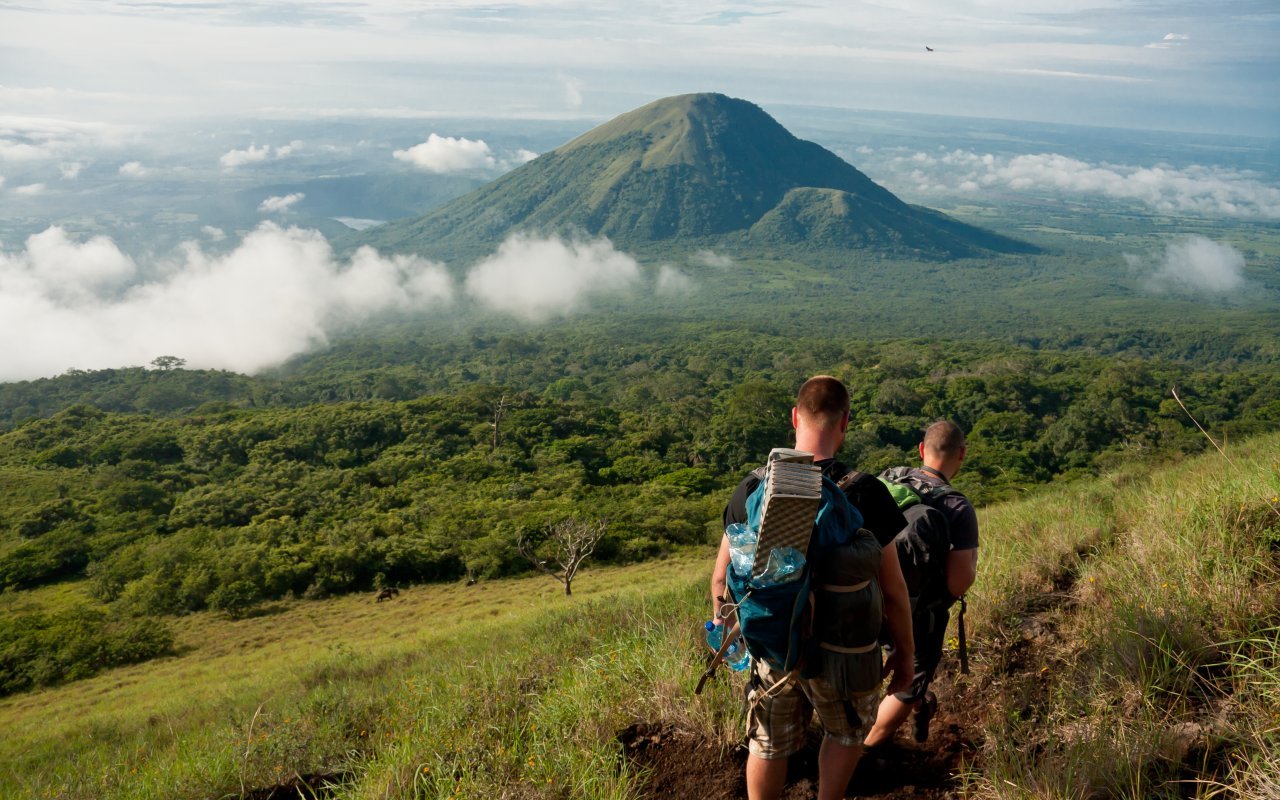
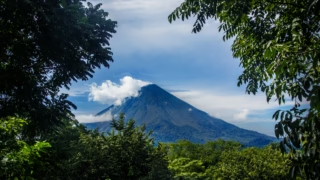
Nicaragua – Land of volcanoes and lakes – Nicaragua, with its 130,000 km², is the largest country in Central America, while Costa Rica is smaller (51,000 km²) but very dense in biodiversity. It is home to several impressive active volcanoes , the most famous of which are the Masaya volcano, the Concepción volcano on the island of Ometepe, and the Momotombo volcano near Lake Managua. Nicaragua is also famous for its vast freshwater lakes. Lake Nicaragua, also known as Lake Cocibolca, is the largest in Central America , covering some 8,264 km². It’s a real natural jewel, and even contains islands, includingOmetepe Island, formed by two volcanoes. Next to it, Lake Managua, a little smaller with a surface area of around 1,042 km², is also very important for the region. The Nicaraguan climate varies from dry tropical on the Pacific coast to a more humid climate on the Caribbean coast.
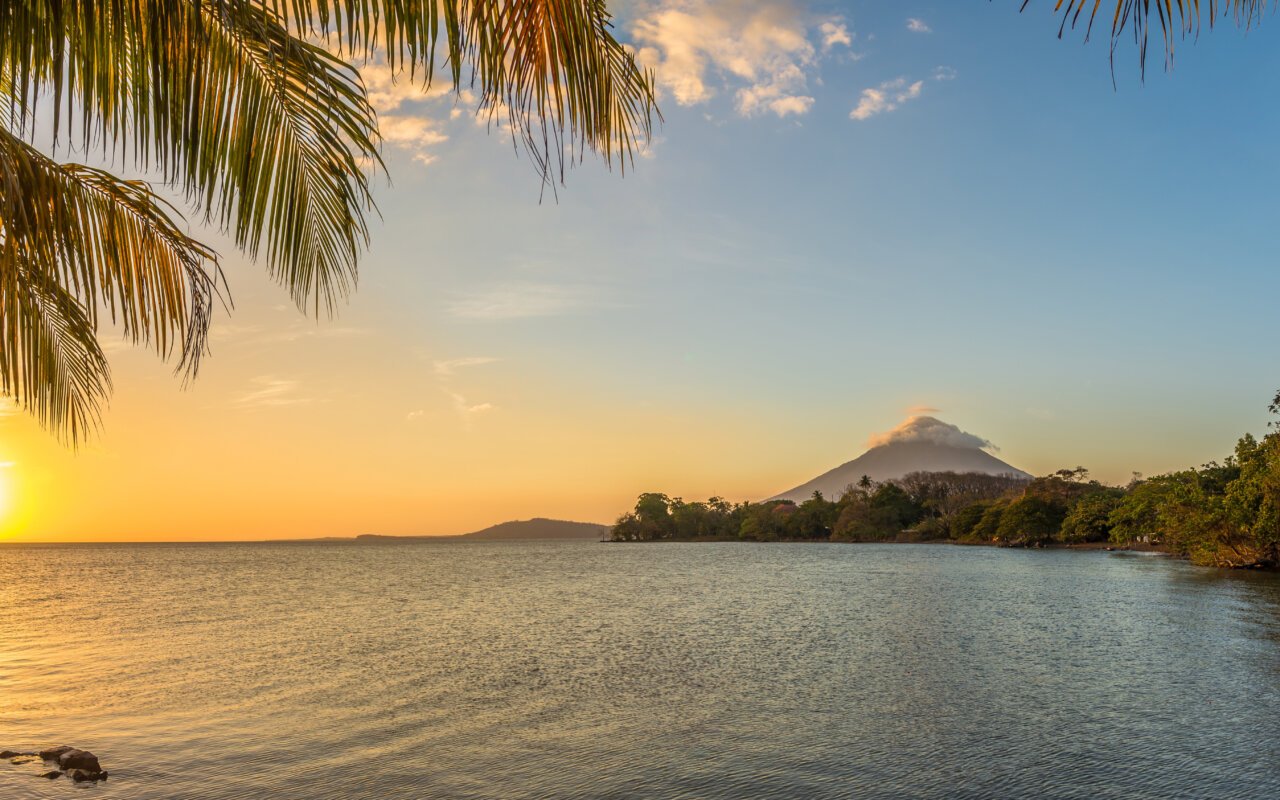
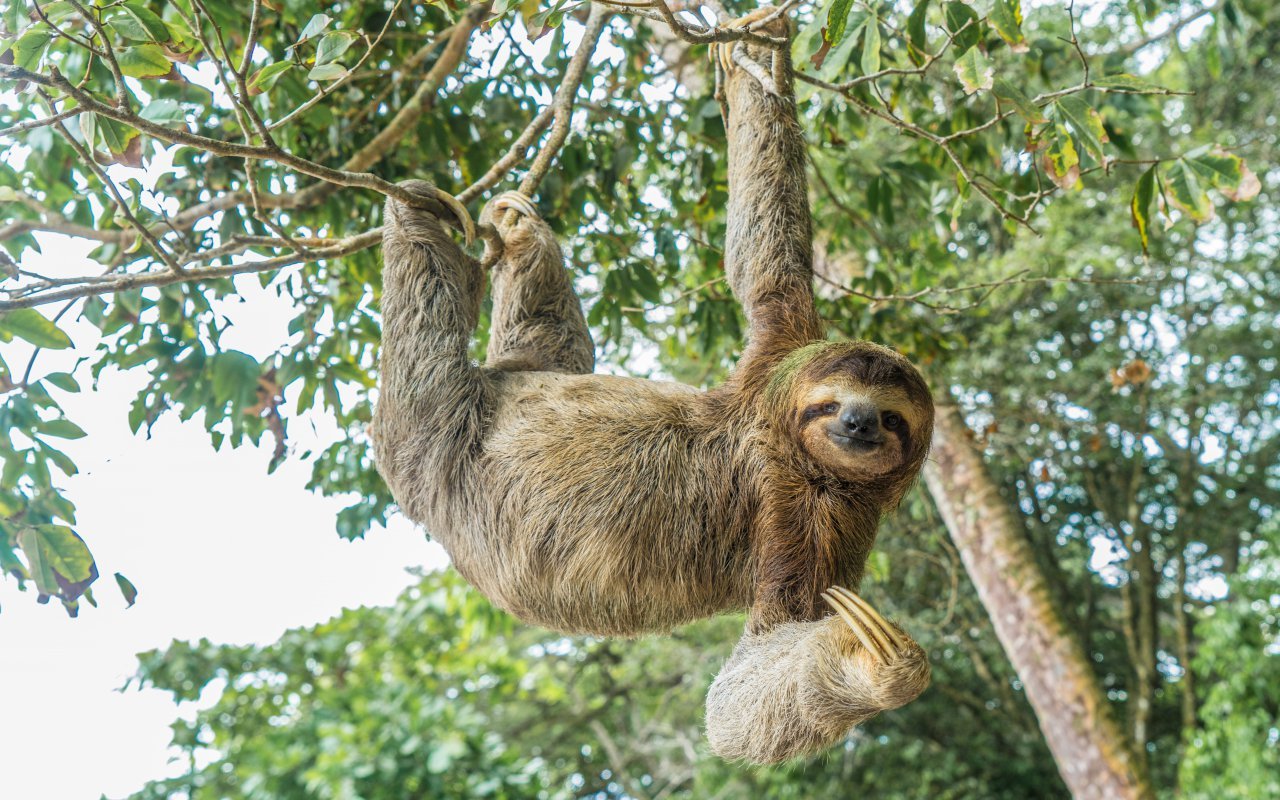
Costa Rica – Remarkable biodiversity – Costa Rica, smaller at around 51,000 km², makes up for its size with exceptional ecological wealth. Its tropical climate is marked by over 100 microclimates, ranging from the dense rainforests of the Caribbean coast to the dry forests of the Pacific. The country is world-renowned for its efforts to protect the environment, with almost 25% of its territory classified as national parks or nature reserves. In terms of biodiversity, Costa Rica is a veritable paradise. With over 500,000 recorded species, itrepresents 6% of the world’s biodiversity.
Did you know?
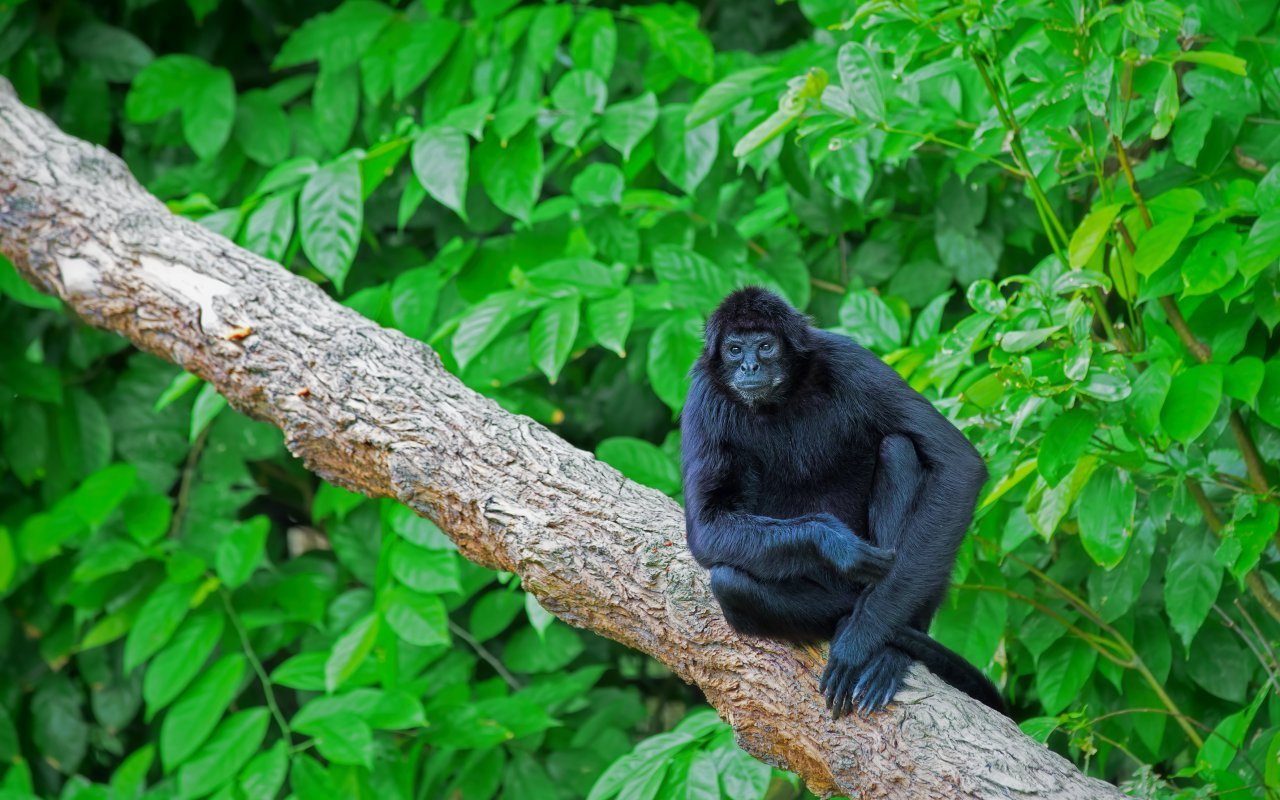
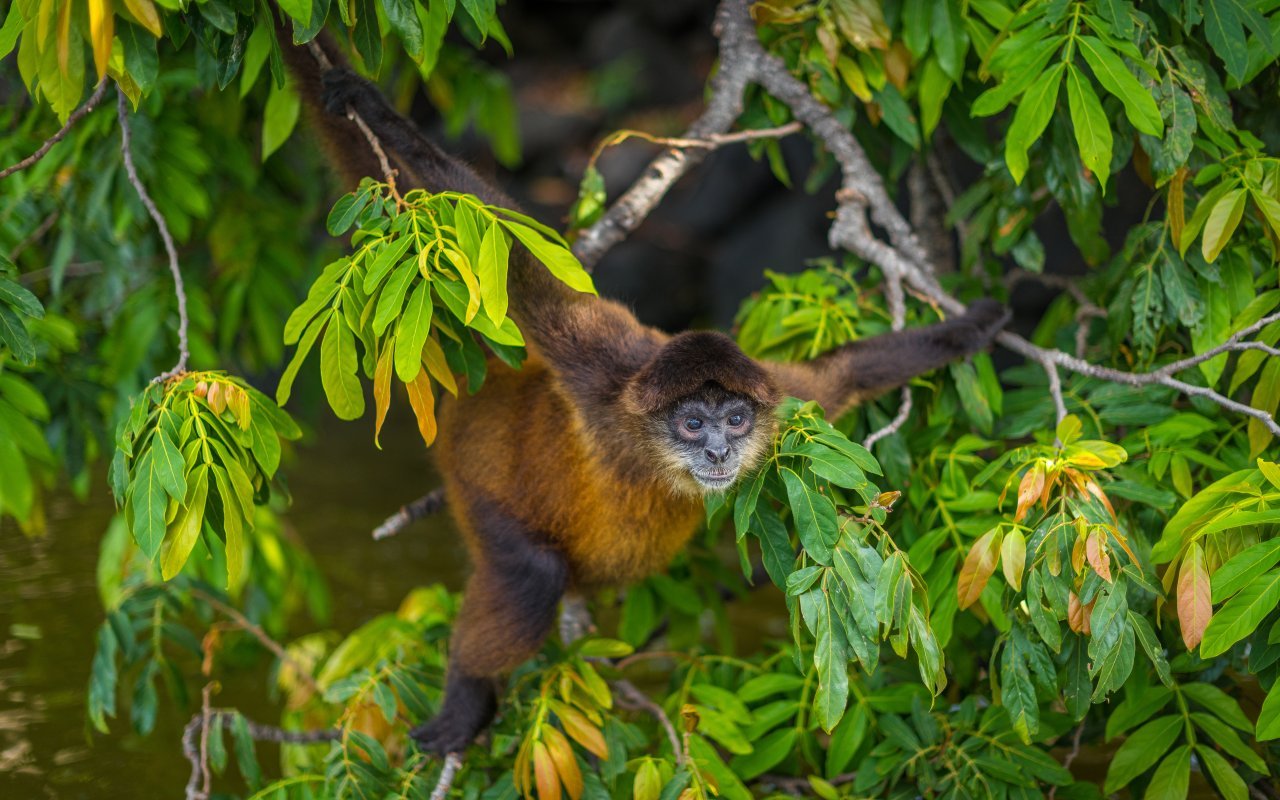
Nicaragua, less well known but just as fascinating, also boasts remarkable biodiversity. The Bosawas Nature Reserve, covering over 20,000 km², is the second largest rainforest in Latin America after the Amazon. The reserve is home to a varied fauna including howler monkeys, macaws, pumas and crocodiles in its mangroves. Nicaragua offers an immersion in a wilder, less touristy nature, ideal for wildlife lovers.
And on the economic front?
Economically speaking, the cost of living in Nicaragua is considerably lower than in Costa Rica, a major advantage for budget travelers and expatriates. A local meal generally costs between 3 and 6 dollars, and mid-range hotel accommodation is affordable, at between 30 and 50 dollars a night. Local transport is also very affordable, with bus journeys often costing less than a dollar. Overall, living costs are around 40% to 50% lower than in Costa Rica, which is particularly attractive to independent travellers. On the other hand, Costa Rica has a higher cost of living, comparable to some European countries. Local meals range from $5 to $12, but in tourist areas, prices can reach $15 to $25. Standard hotels often charge between $50 and $120 a night, or even more in eco-lodges.
Focus on activities
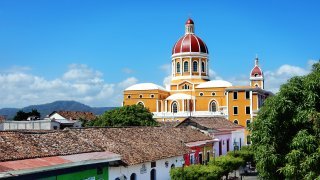
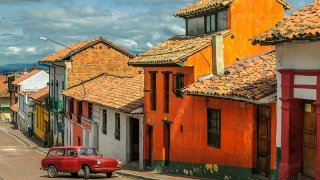
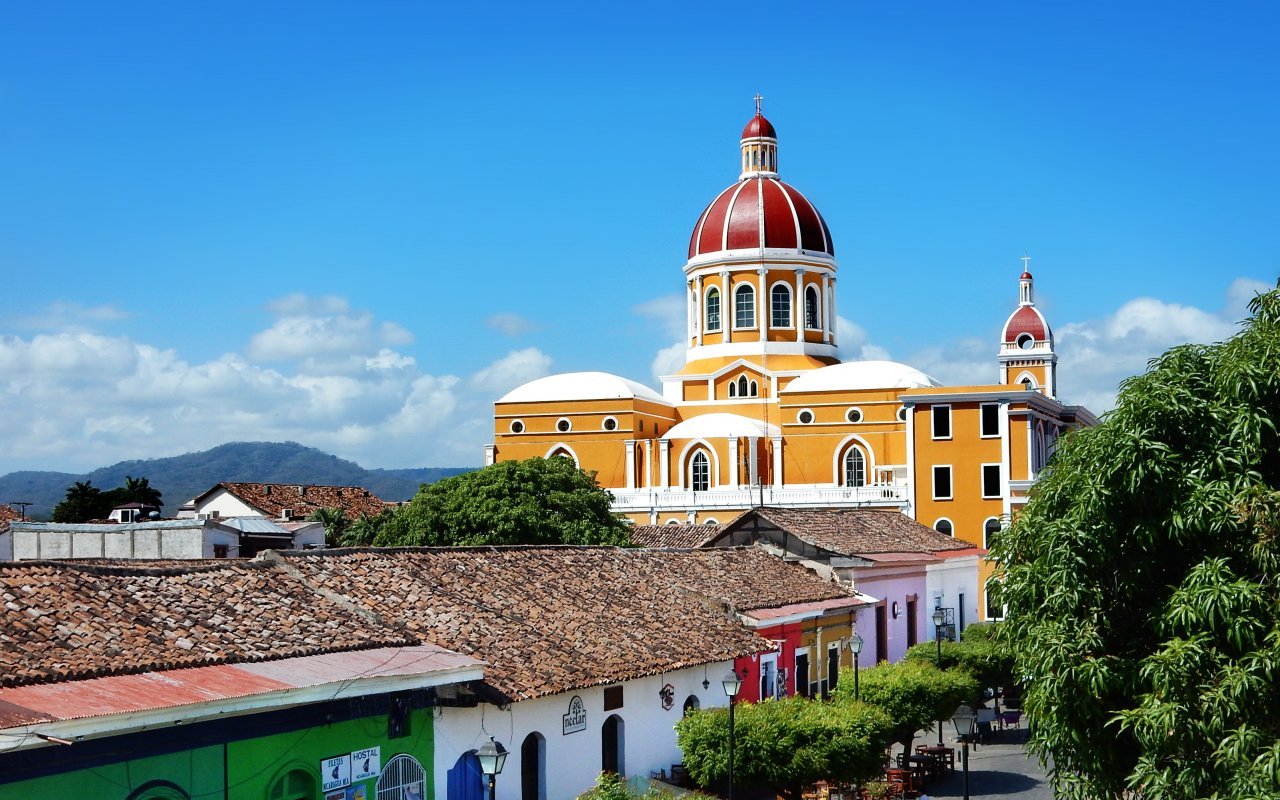
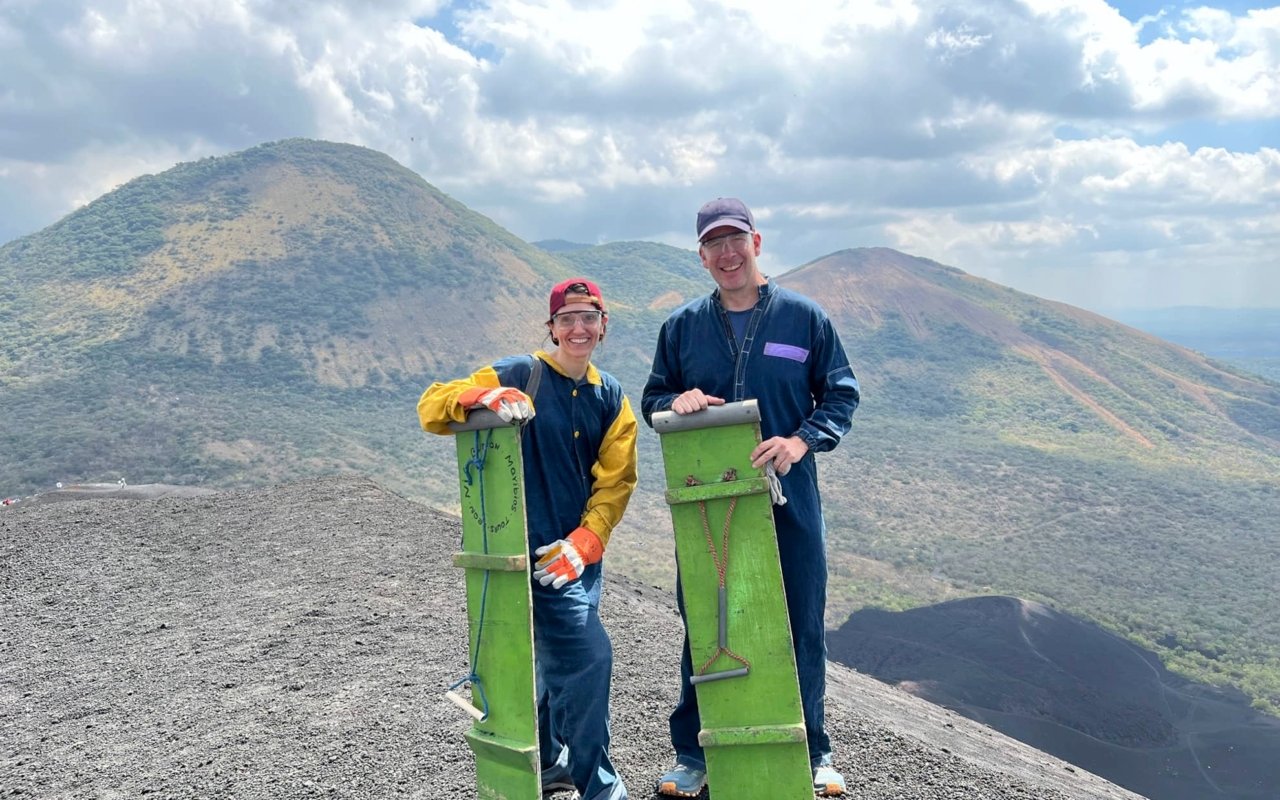
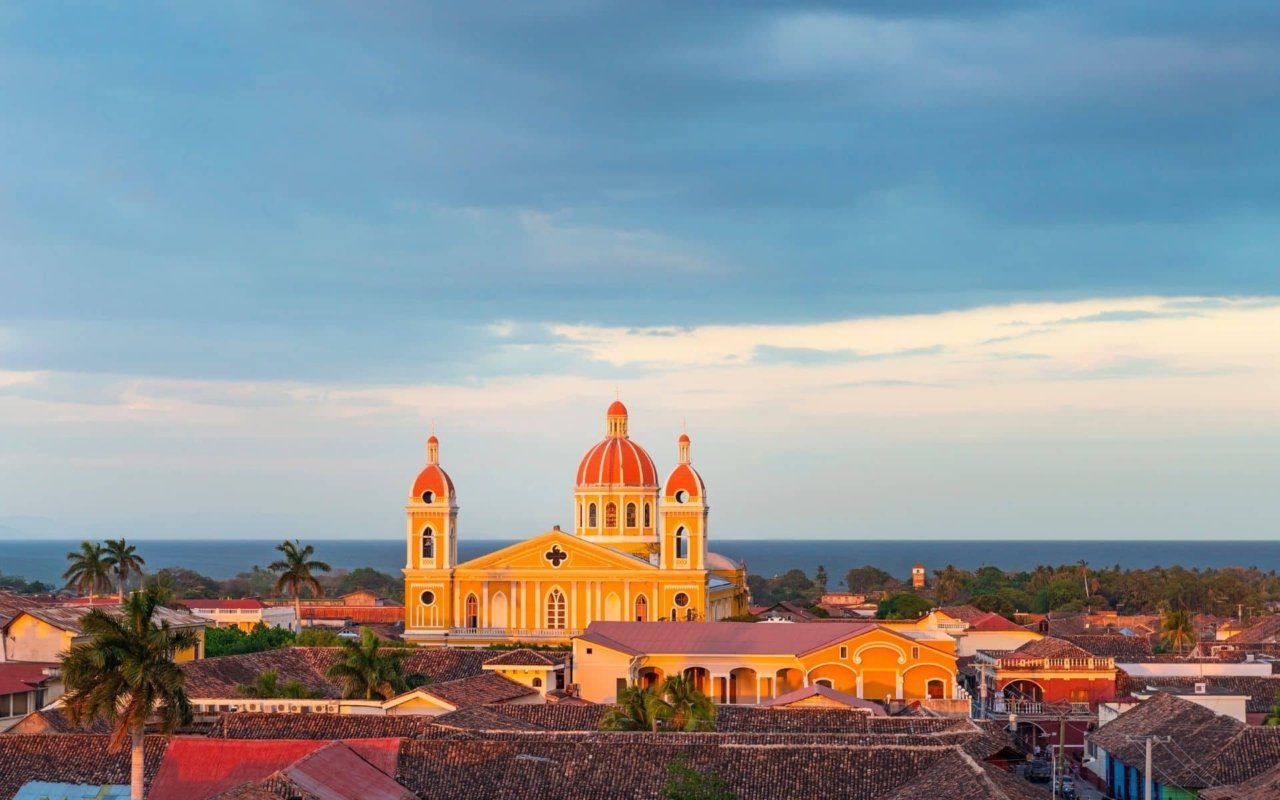
When it comes toactivities, every country has its own must-sees. In Nicaragua, nature and adventure lovers can enjoy hiking on active volcanoes such as Masaya, or try the unique experience of sandboarding on the slopes of the Cerro Negro volcano. Colonial towns such as Granada and León captivate with their historic charm and colorful architecture. The beaches of San Juan del Sur, on the Pacific coast, are renowned for their surfing and relaxed atmosphere, perfect for travellers looking to combine relaxation and water sports. Lake Nicaragua, meanwhile, offers the chance to explore its many islands, notably theIsletas archipelago.
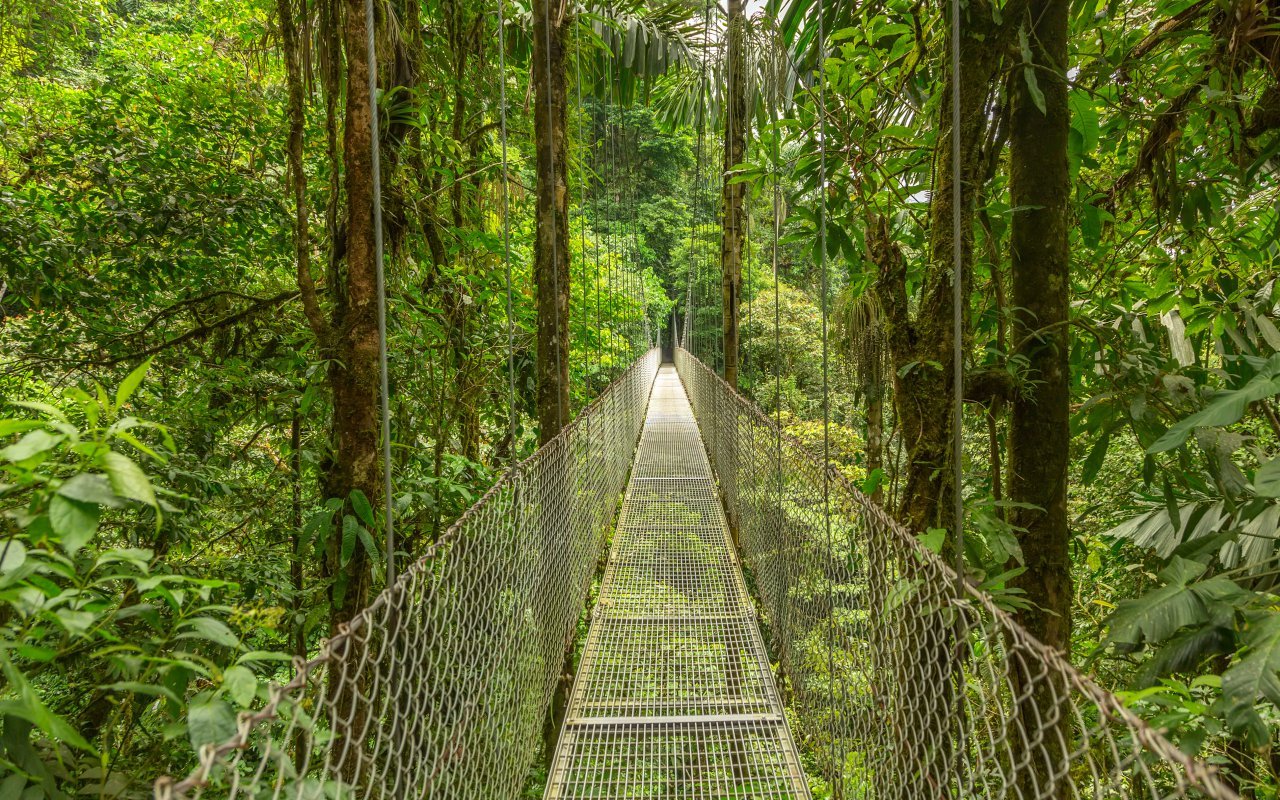
Costa Rica, for its part, attracts visitors with its well-developed ecotourism offering. Ziplining through the canopy, rafting on the Pacuare or Sarapiquí rivers, and sea turtle watching in Tortuguero are among the most popular activities. The hot springs at the foot of the Arenal volcano are the perfect place to relax after a day’s exploring. Snorkeling in the marine park of Isla Caño completes the range of adventures on offer. On the other hand, Costa Rica doesn’t offer you the magnificent colonial towns of Nicaragua. Its history and culture are less marked, and its main attraction is its flora and fauna.

Small safety point
Costa Rica is generally considered one ofthe safest countries in Central America. Its political stability, the absence of an army, and an economy largely focused on tourism all contribute to creating a favorable environment for travelers. The country boasts awell-developed infrastructure, particularly in the major tourist areas. That said, as in many popular destinations, you need to remain vigilant in the face of petty crime such as scams, particularly in the tourist areas of San José or on certain popular beaches. Byobserving the classic rules of caution, Costa Rica offers a safe and comfortable travel environment. Nicaragua has experienced episodes of political instability in recent years, particularly since the social crisis of 2018, which temporarily affected tourism. However, the situation has improved significantly and several tourist regions, such as Granada, León,Ometepe Island or San Juan del Sur, are now completely safe for visitors. These places retain an authentic, welcoming atmosphere, with a friendly population and very attractive prices. In both countries ,it’s essential to apply a few common-sense rules: avoid travelling alone at night in the big cities, don’t show off any valuables, give preference to official transport, and keep a low profile on political issues, especially in Nicaragua. Whether in Costa Rica or Nicaragua , safety is generally good, especially in tourist areas, and it’s possible to travel with peace of mind if you take a few precautions.
Why combine these 2 wonderful destinations?
By combining these two destinations, travelers can enjoy a rich and balanced experience. Nicaragua seduces with its authenticity, its immersion in unspoilt nature and its particularly affordable cost of living, ideal for travellers seeking authentic, accessible tourism. Costa Rica, on the other hand, offers modern infrastructures and an exceptional, rigorously protected biodiversity, which will delight ecotourism and nature adventure enthusiasts. These two countries offer complementary experiences that complement each other perfectly. Nicaragua captivates with its impressive volcanic landscapes and unbeatable value for money, while Costa Rica seduces with its ecological diversity and infrastructure suited to all types of travelers. We hope you’ve enjoyed this article and that it has helped you better understand all that Nicaragua and Costa Rica have to offer. If you have any questions, or if you’d like us to help you create a personalized combined itinerary, please don’t hesitate to contact us at contact@terra-nicaragua.com. It will be our pleasure to help you design a unique and unforgettable experience in the heart of Central America.