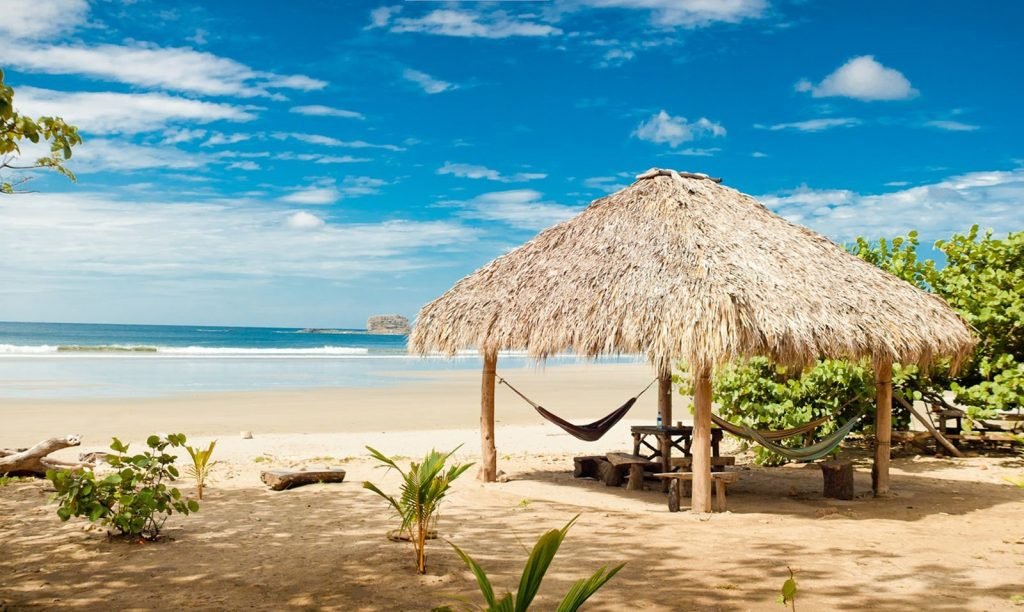
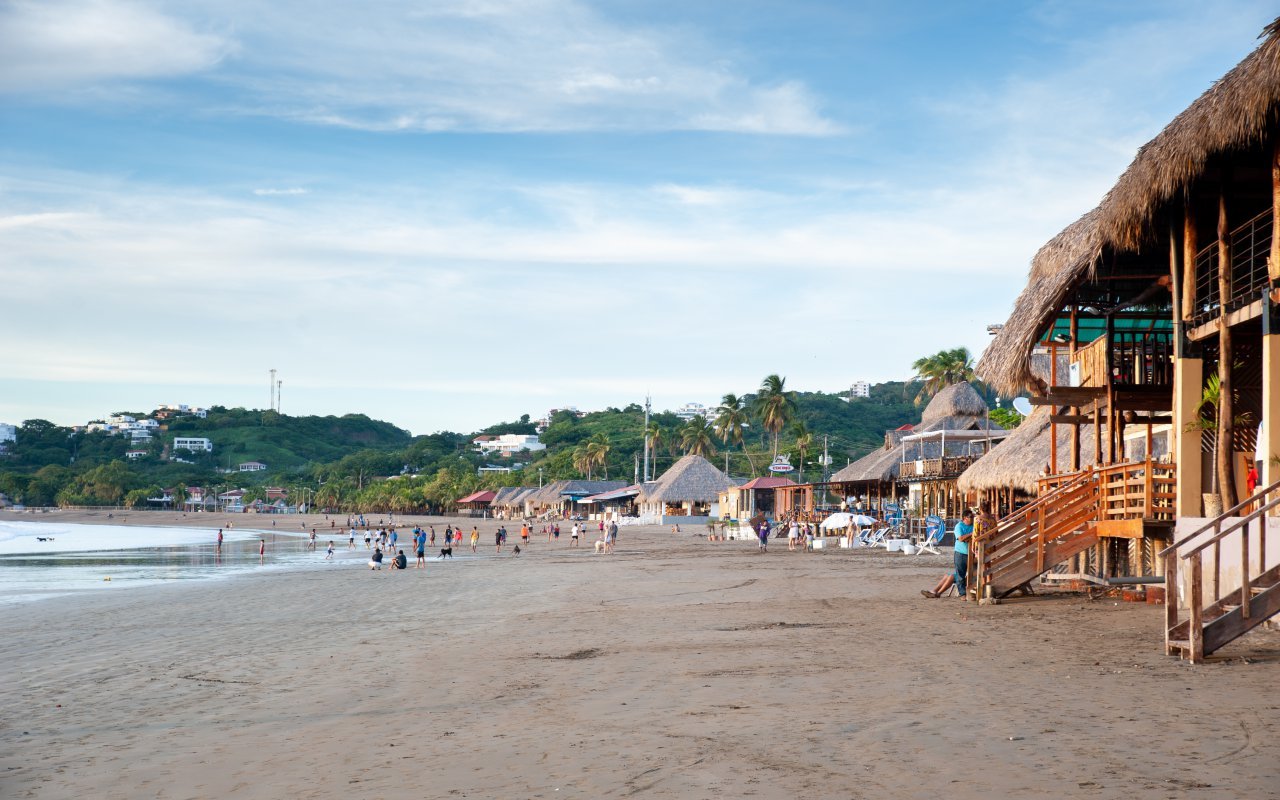
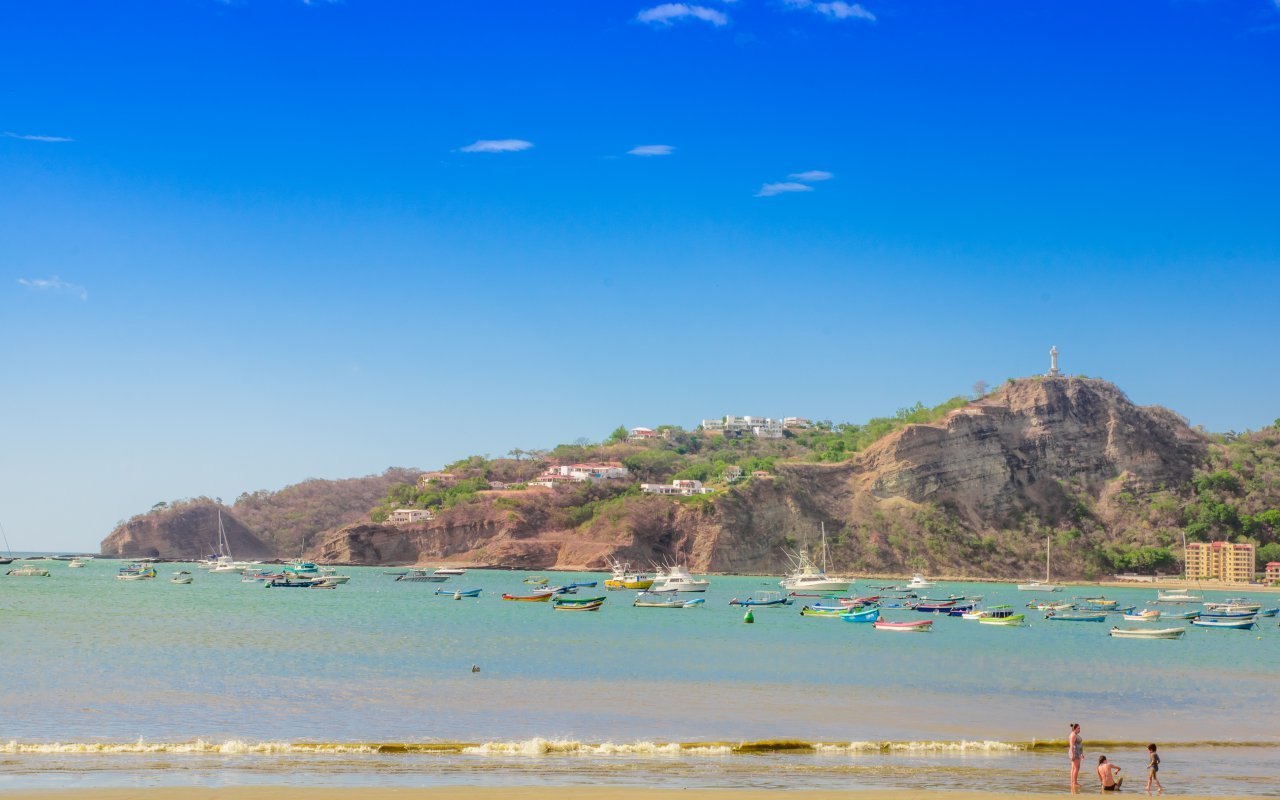
Located 20 km north of Costa Rica, San Juan del Sur was once small fishing village and has now been converted into a seaside resort. With its small marina, promenade, seaside restaurants and bars, it’s a pleasure to enjoy this magnificent bay watched over by a huge statue of Christ on the hill overlooking the beach. Not far from the town are numerous beaches, including the famous playa Maderas, one of the most attractive beaches for surfers. But that’s not all. Setting off early in the morning and exploring the area and the coast via small footpaths guarantees you a beautiful walk where you’ll appreciate the different rock shapes and vegetation.To the south of San Juan del Sur are the Remanso, Hermosa and El Coco beaches, as well as the Vida Silvestre Punta La Flor nature reserve, where you can admire the spectacular phenomenon of turtlearribadas!

The bay of San Juan del Sur
This former fishing village, located 140 km south-west of the capital Managua on the Pacific coast, has in just a few years become the country’s most popular seaside resort for national and foreign tourists.
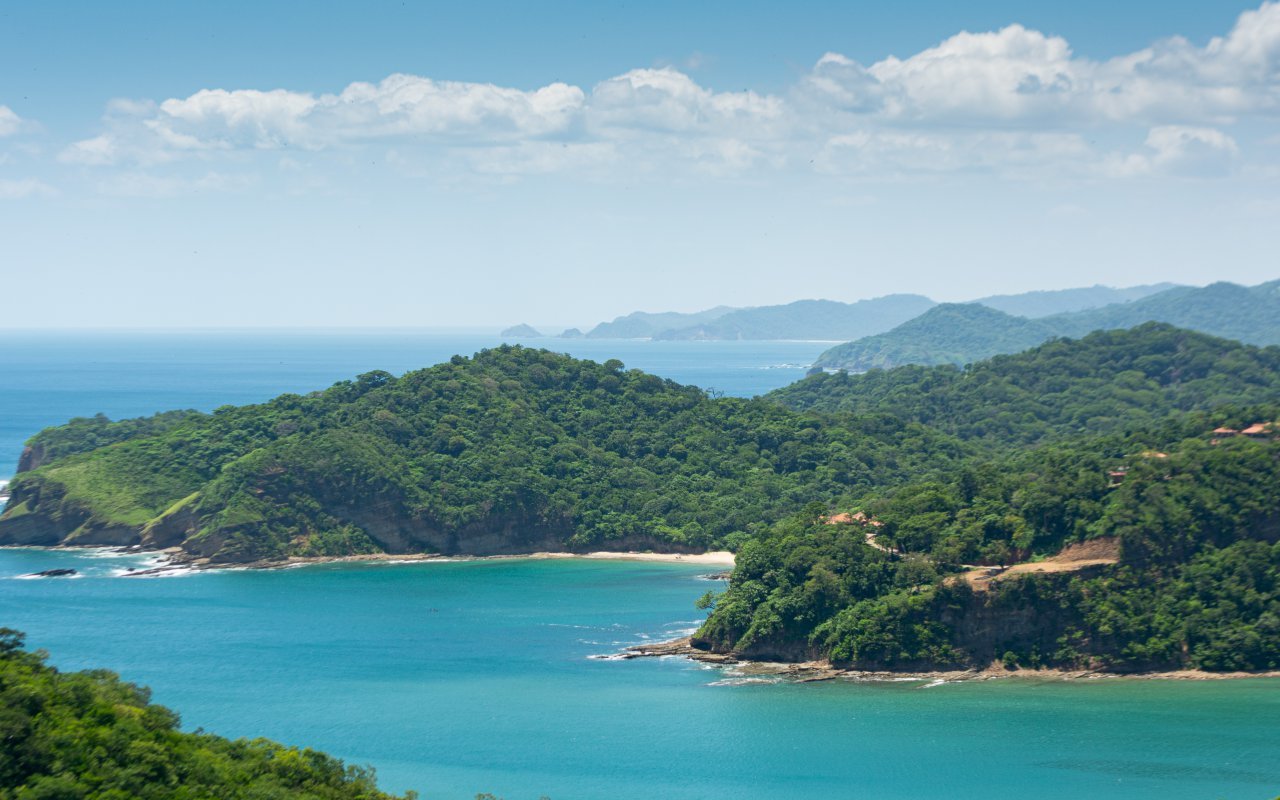
This incredible U-shaped bay is surrounded by green hills, and the sand is white and lighter than on other Pacific beaches. Today, a statue of Christ of Mercy watches over this crescent of sand at the top of the hill.

A little history…
The town of San Juan del Sur, founded in 1851 in the department of Rivas, is the capital of the municipality of the same name, covering an area of over 410 km2 and with a population of almost 15,000.Its port, also known as Puerto de la Independencia, has been and still is linked to the town’s history. It’s worth noting that San Juan del Sur’s first port was built long before the birth of the city, making it a strategic point. It was in 1522 that a Spanish navigator discovered this magnificent bay, in search of a passage or strait to the Caribbean. San Juan del Sur had its own importance and reputation; in the last century, it was still a transit point for certain ships bound for San Francisco in the USA. Digging a little deeper into history, we also learn that San Juan del Sur was a necessary and life-saving stopover for gold miners and the caravan that followed on the road to California.At the same time, the town was the scene of an epic naval battle, at the end of 1856, off the bay. It was the war, known as the National War or William Walker’s War (the Yankee pirate who dreamed of being president of the region). The battle pitted a Costa Rican brig against an American schooner. After four hours of gunfire and maneuvering, the Costa Rican ship finally exploded – the American buccaneer had won a battle! History has it that this was the only naval battle fought by Costa Rica, a country that today has the characteristic of having no armed bodies.On a lighter note, not far from the town, famous episodes of American reality shows and survival games were filmed in 2010 and 2011, giving the region a bit of a spotlight.
Aside from this media and television component, San Juan del Sur remains a major national center and location not only for its visitor numbers and reputation, but also because it is often designated and chosen as the host of surfing or sport fishing competitions. It’s easy to imagine the region’s potential when you first set foot here – the buccaneers and other conquistadores weren’t wrong.
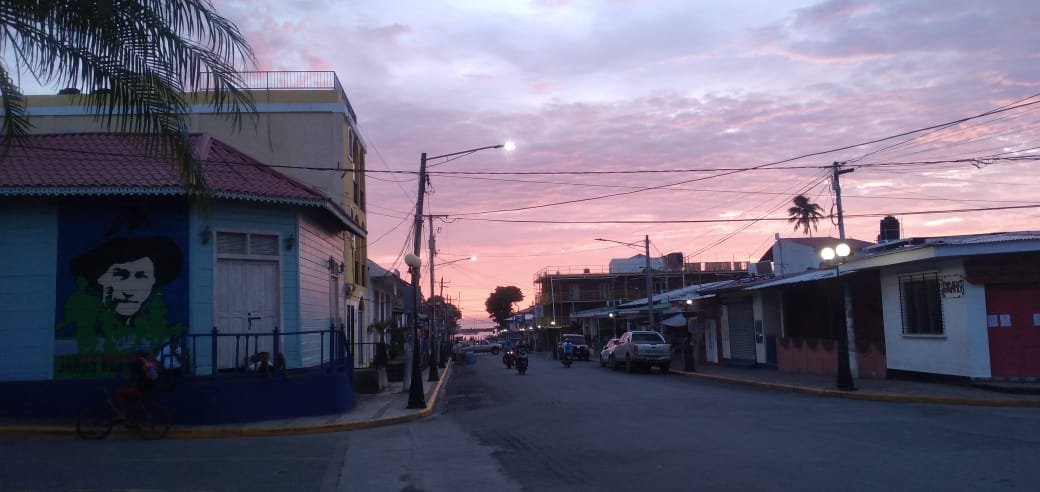
What to do and see in and around San Juan del Sur?
San Juan del Sur and the surrounding area offer a wealth of opportunities for water activities and hiking. Here are a few ideas for excursions:
Experiences in San Juan del Sur
- a sailboat or catamaran trip
- horseback riding on the beach
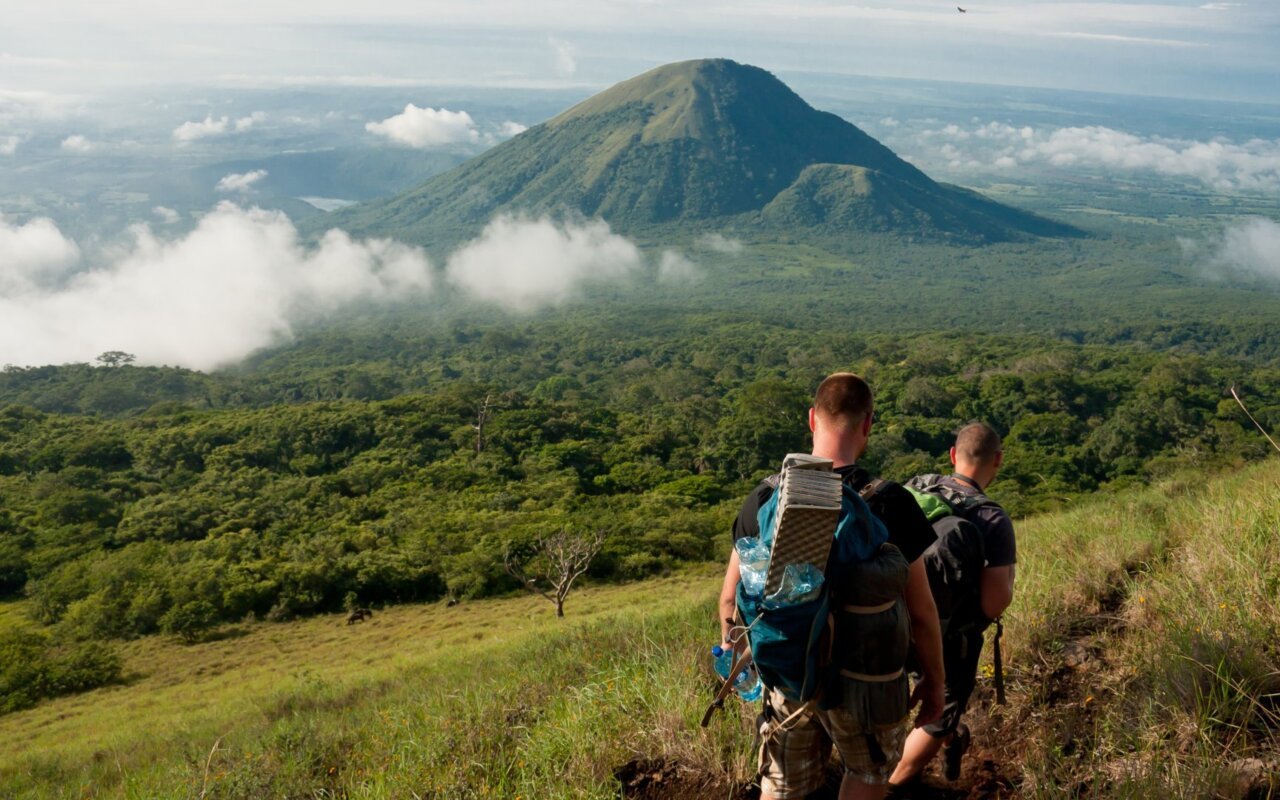
- hiking in the forest or on a deserted beach
- whale and dolphin watching
- swimming on nearby beaches
- Surfing lessons
- sea turtle arribada

The beaches of San Juan del Sur
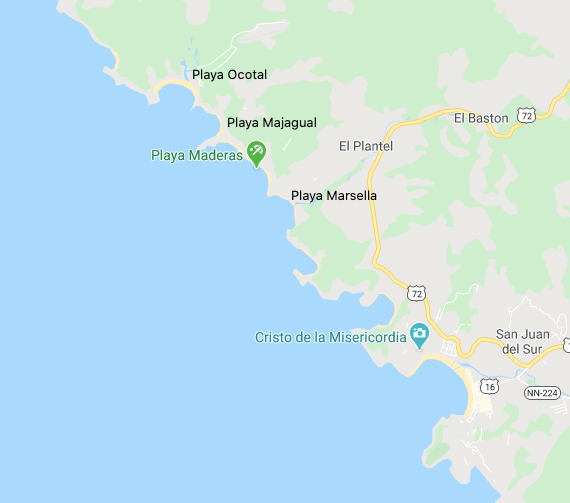
The town of San Juan del Sur is surrounded by beaches, each as beautiful and deserted as the next. Here are the main ones, from south to north:
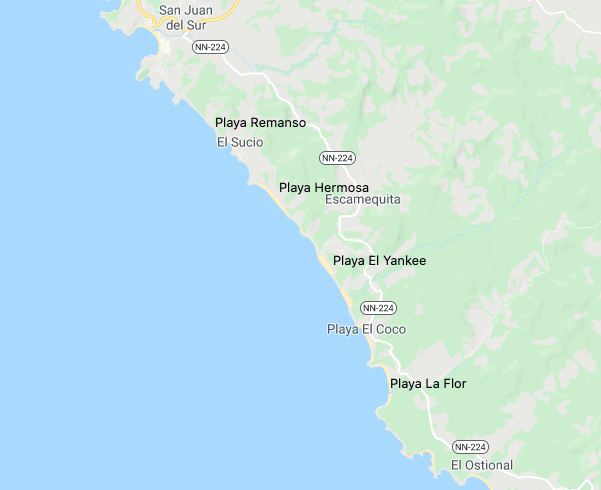

Playa El Ostional
Situated less than 15 km from the Costa Rican border, the small village of El Ostional is a haven of peace, still little frequented by tourists, and whose inhabitants are warm and welcoming. From its wide beach surrounded by cliffs, you can see the coastline of neighboring Costa Rica, and go on boat trips to fish or visit the surrounding pristine beaches accompanied by a local fisherman.
Playa La Flor
This wide beach of fine white sand is a protected area, a refuge for wildlife managed by the Ministry of the Environment and Natural Resources .
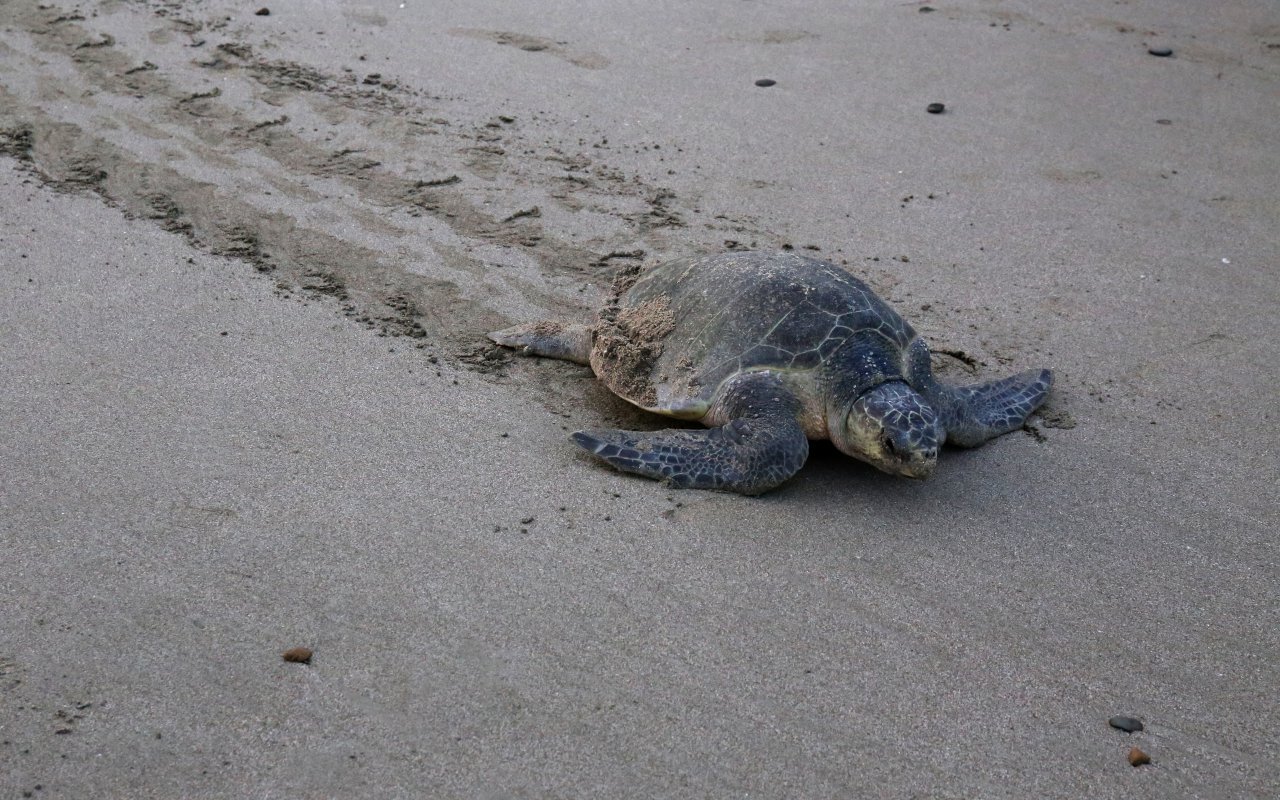
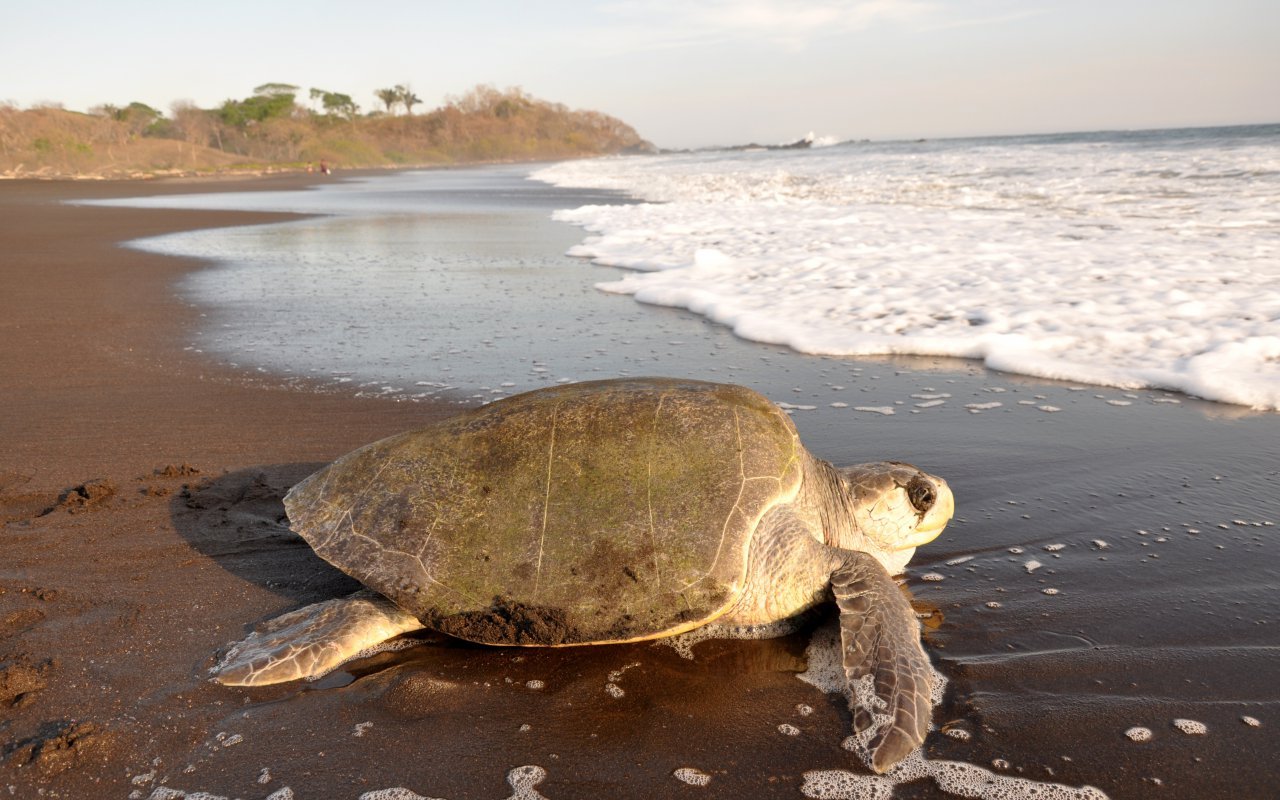
Every year, thousands of Paslama and Tora turtles come to this beach to lay their eggs from August to November, before the little turtles hatch a few weeks later. Opposite is a small island where many seabirds nest.Read more : Vida Silvestre Punta La Flor nature reserve.

Playa El Coco
The secret and discreet beach of El Coco, with its not-so-easy access trail, is an invitation to rest and relax in the few inns, hotels and restaurants on offer. What a delight to discover this long, wide beach (at low tide) of white sand and calm waters.
Enclosed to the south and north by rock formations, as is the case with many Nicaraguan beaches, playa El Coco is the perfect place for a short excursion on horseback or by bike.
Playa El Yankee
El Yankee beach is certainly the least well-known beach in the region, with no tourist infrastructure for day or overnight stays. Its formidable waves nevertheless attract experienced surfers in search of a thrill.


Playa Hermosa
The long Hermosa beach, surrounded by lush forests and rocky outcrops, is a paradise of fine white sand. Its blue waters invite you to swim and its constant waves to surf.
Playa Remanso (El Sucio)
El Sucio beach, more commonly known as Remanso, is the southern beach closest to the town of San Juan del Sur. Ideal for surfing and swimming, a number of restaurants have opened their doors to welcome tourists wishing to spend the day here.
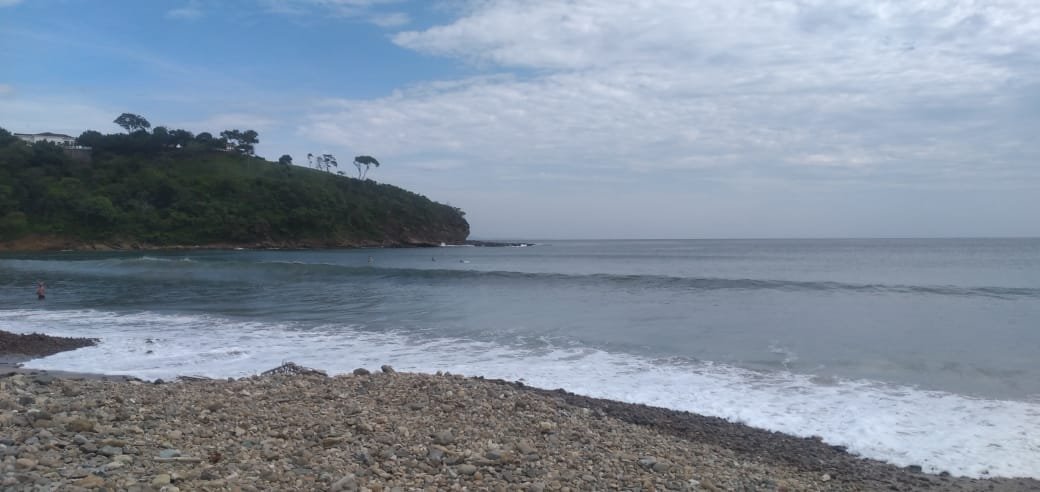
Playa San Juan del Sur
The town of San Juan del Sur was built around this bay. Here you’ll find numerous stores and seaside restaurants where you can enjoy a seafood platter or freshly caught grilled fish from the cooperative at the end of the beach. You can swim in the calm waters of this beach, protected from winds and currents, where fishing boats and pleasure craft anchor for the night.
Playa Marsella
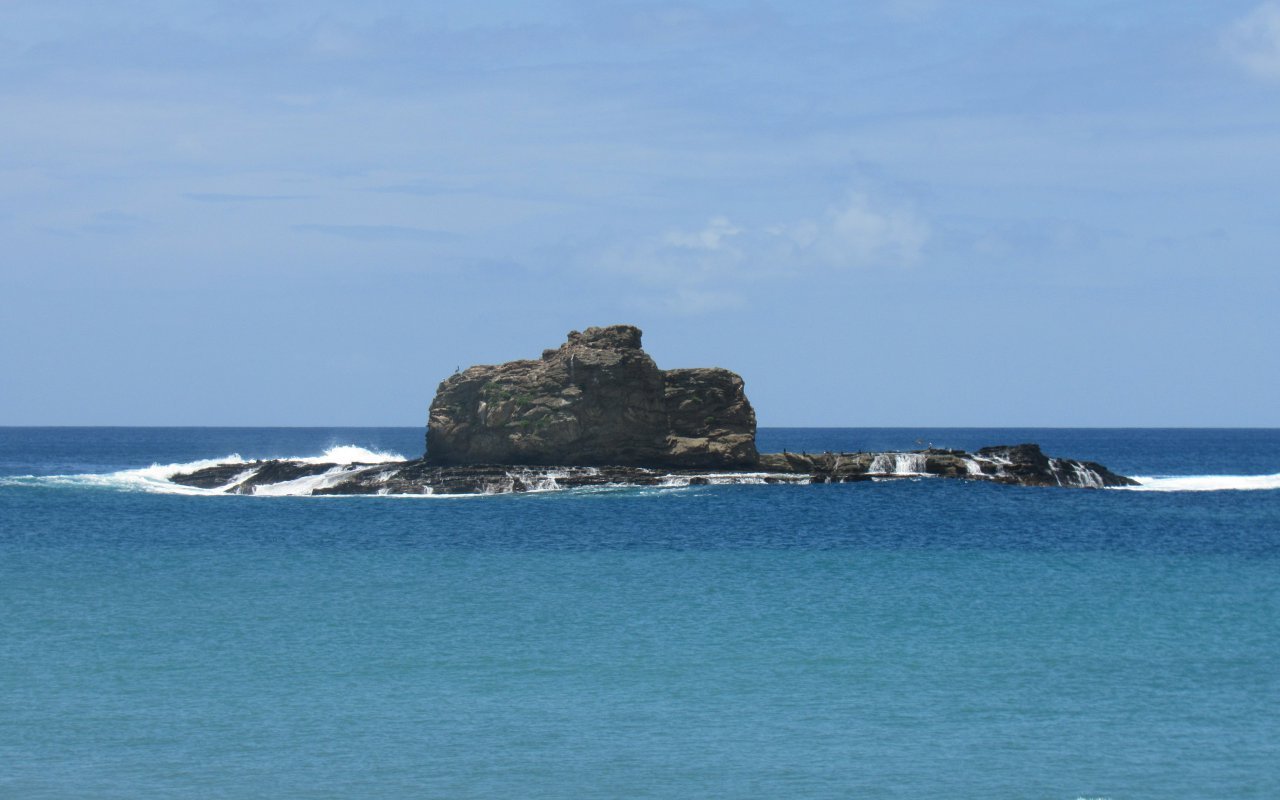
Located 5 km north of San Juan del Sur, this fishermen’s beach is mainly popular with local tourists, who spend their weekends and vacations in the few bars and restaurants facing the sea and a small island home to various species of seabirds. Some surfers also come here to take advantage of the bay’s powerful waves.
Playa Maderas
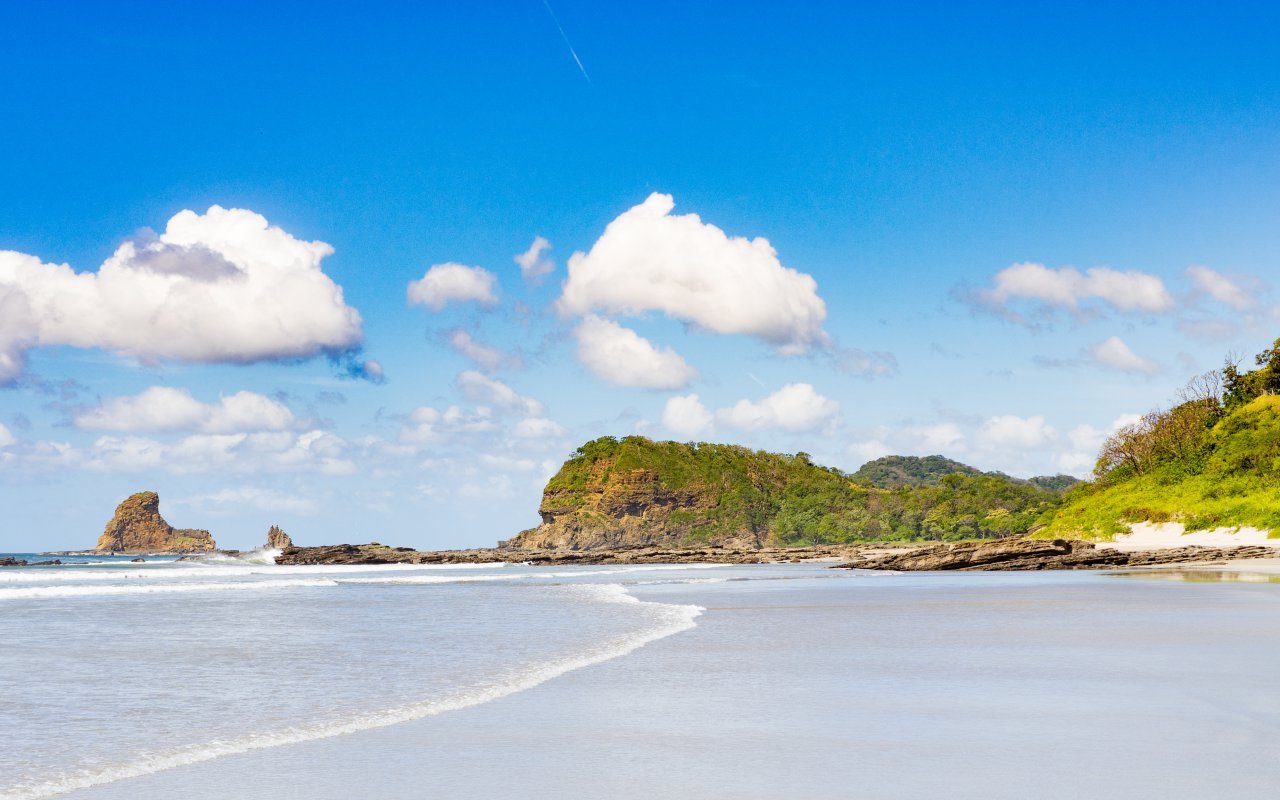
Right next to Marsella beach is Maderas beach. This beach is a delight for young and old alike, with a few rocks where children are delighted to go crab hunting, the surrounding dry tropical forest, a few restaurants and waters perfect for swimming and surfing.

Maderas is undoubtedly San Juan del Sur’s best-known beach, renowned for its consistent waves.
Playa Majagual
Located next to Maderas beach, Majagual is much less crowded. With few tourist facilities, it offers a calm, relaxing climate and magnificent sunsets amidst rock formations.
Playa Ocotal
Access to Ocotal beach has been privatized by the region’s finest hotel, Morgan’s Rock. As the beach itself is not private, it can only be accessed from the sea, either on foot or by boat.
Practical information
1 – The roads leading to the various beaches around San Juan del Sur are dirt tracks. Although they are regularly resurfaced and in good condition, it is preferable to travel in a high-powered SUV or 4×4 vehicle, especially during the rainy season (May to October).2 – Numerous daily shuttles leave San Juan del Sur for the various beaches.
Vida Silvestre Punta La Flor nature reserve
The renowned Punta la Flor wildlife sanctuary and reserve is a public nature reserve, nationally renowned for its turtle arribada! Located on La Flor beach, some 20 km south of the town of San Juan del Sur, it covers more than 3,000 hectares. The reserve is dedicated primarily to protecting the thousands of Paslama and Tora sea turtles that come to lay their eggs on this beach every year.7 main arribadas and several smaller ones are observed between July and January, depending on the moon cycles, during which these turtles, weighing over 40 kg, emerge from the water, climb up onto the beach at the edge of the forest, dig a hole to lay their hundred or so eggs each, before closing the hole and heading back out to sea. The eggs hatch between 45 and 60 days later. This is the beginning of a difficult journey for thousands of little turtles, first to reach the sea and then to grow up there without being eaten by the many predators on land, in the air and in the water. These same turtles will return several years later to lay their eggs on the same beach as adults!The reserve is best visited with the utmost respect for the natural environment of the local inhabitants. It’s truly enchanting!
Plan your next trip to Nicaragua!