North of León lies Chinandega. You’re now on the road to Honduras. But before that, there are volcanoes again, the Gulf of Fonseca and the large estates or local marinas lining the roads. Volcanoes and breathtaking views. We almost forgot to mention that the Pacific coast not far from the dynamic Chinandega is dotted with deserted beaches, surf spots including the famous Boom (the Nicaraguan pipeline) and a volcano bordering neighbouring Honduras, Cosigüina.
The warm and dynamic city of Chinandega
Chinandega is Nicaragua’s warmest city, located between the Pacific coast and the Maribios volcano range. Close to this dynamic city is Nicaragua’s main seaport, Puerto Corinto, as well as the El Salvador and Honduras borders.Chinandega is a good starting point for trips to the Cosigüina and San Cristóbal volcanoes, the quiet, deserted beaches of the north and the Padre Ramos estuary.
Not far from the city is the country’s largest rum distillery: Flor de Caña, which you can visit. You’ll learn all about the production process and the history of the world’s most awarded rum!

Padre Ramos beaches and estuary
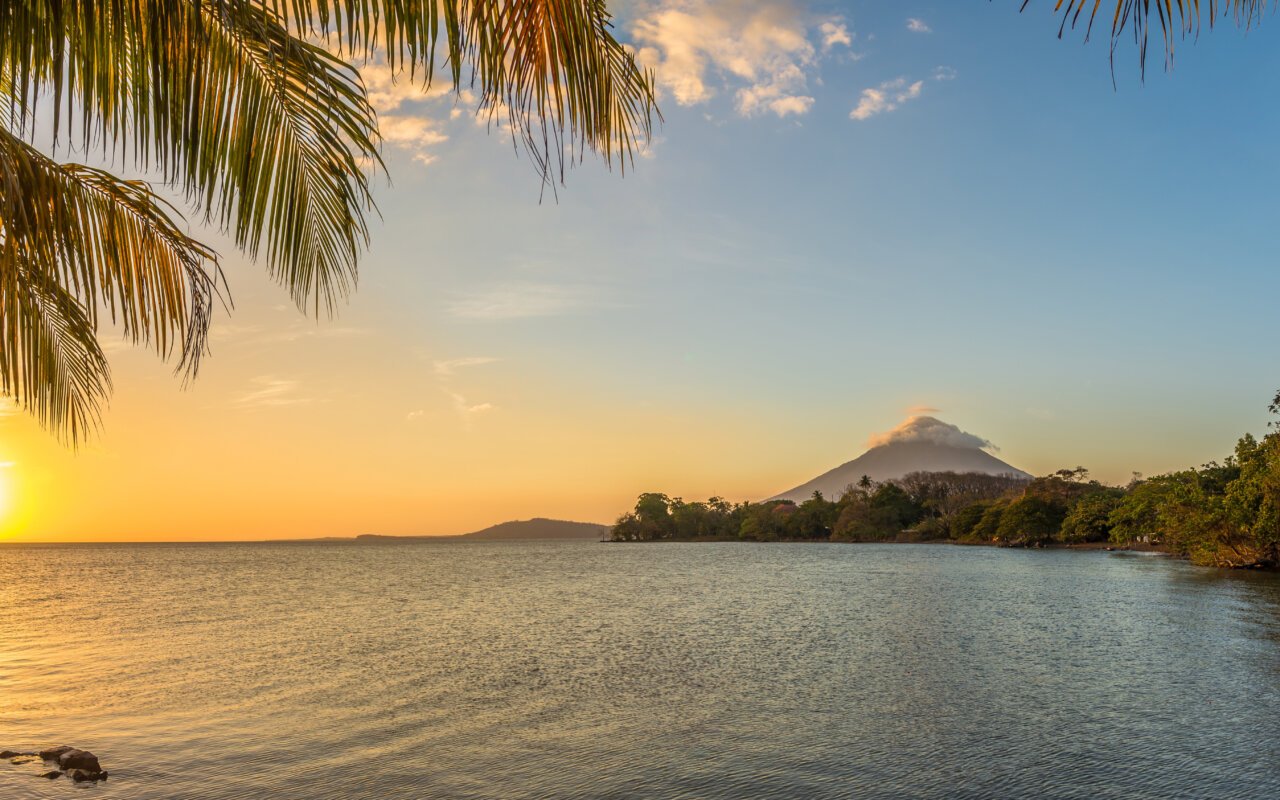
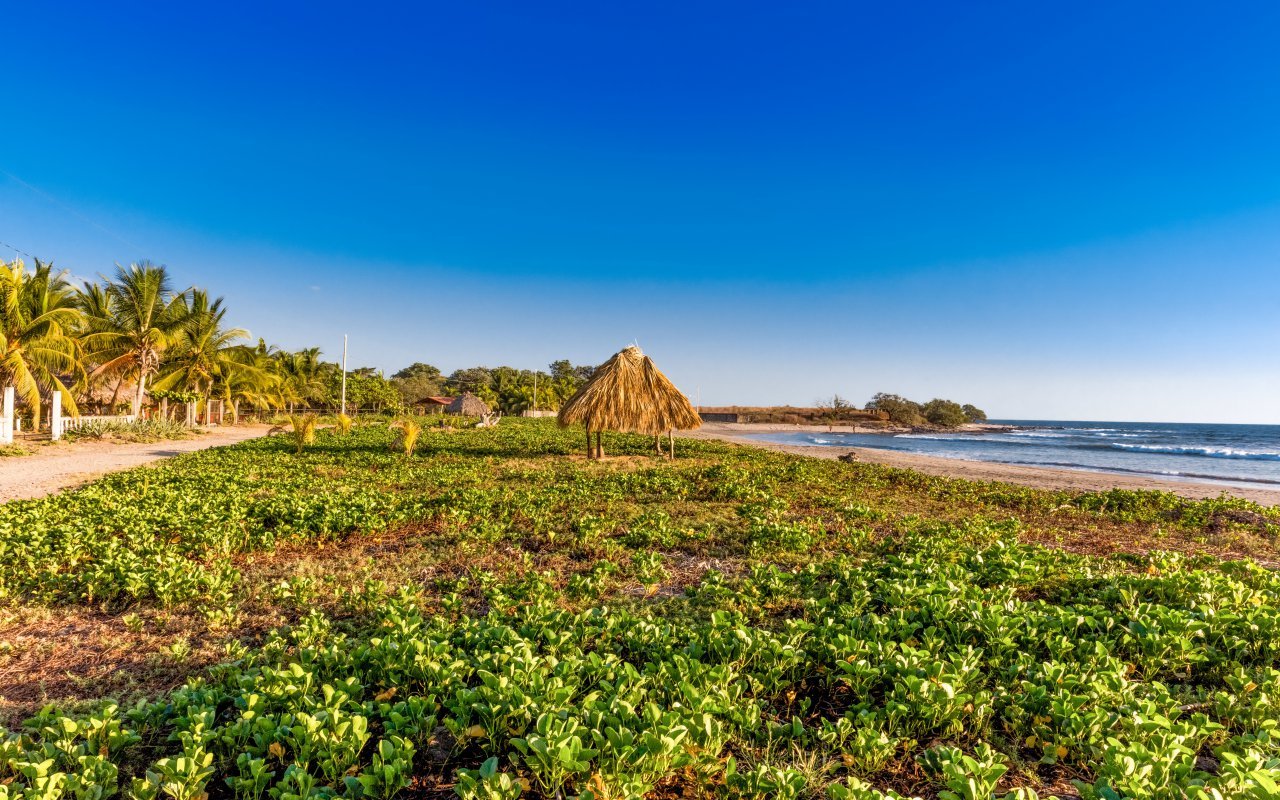
The best-known and most accessible beaches are close to the small town of El Viejo, a municipality in the Chinandega department with a long stretch of coastline on the Pacific and the Gulf of Fonseca.
Jiquilillo beach, with its long sandy coastline, is the most popular with locals at weekends and during Holy Week.

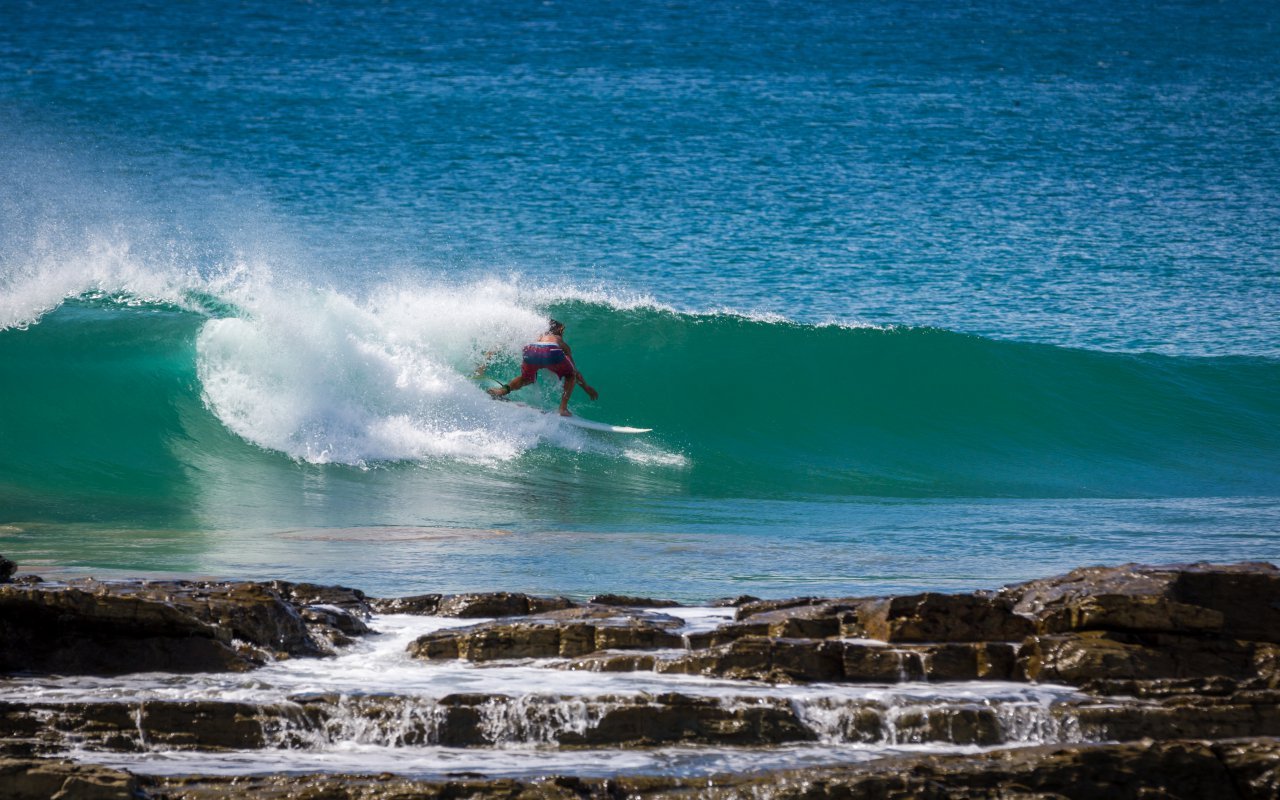
Near Jiquilillo, to the south, are the beaches ofAserradores, Aposentillo and Santa María del Mar, where you’ll find local fishermen’s cottages, a few surfers’ hotels and the country’s chicest marina.
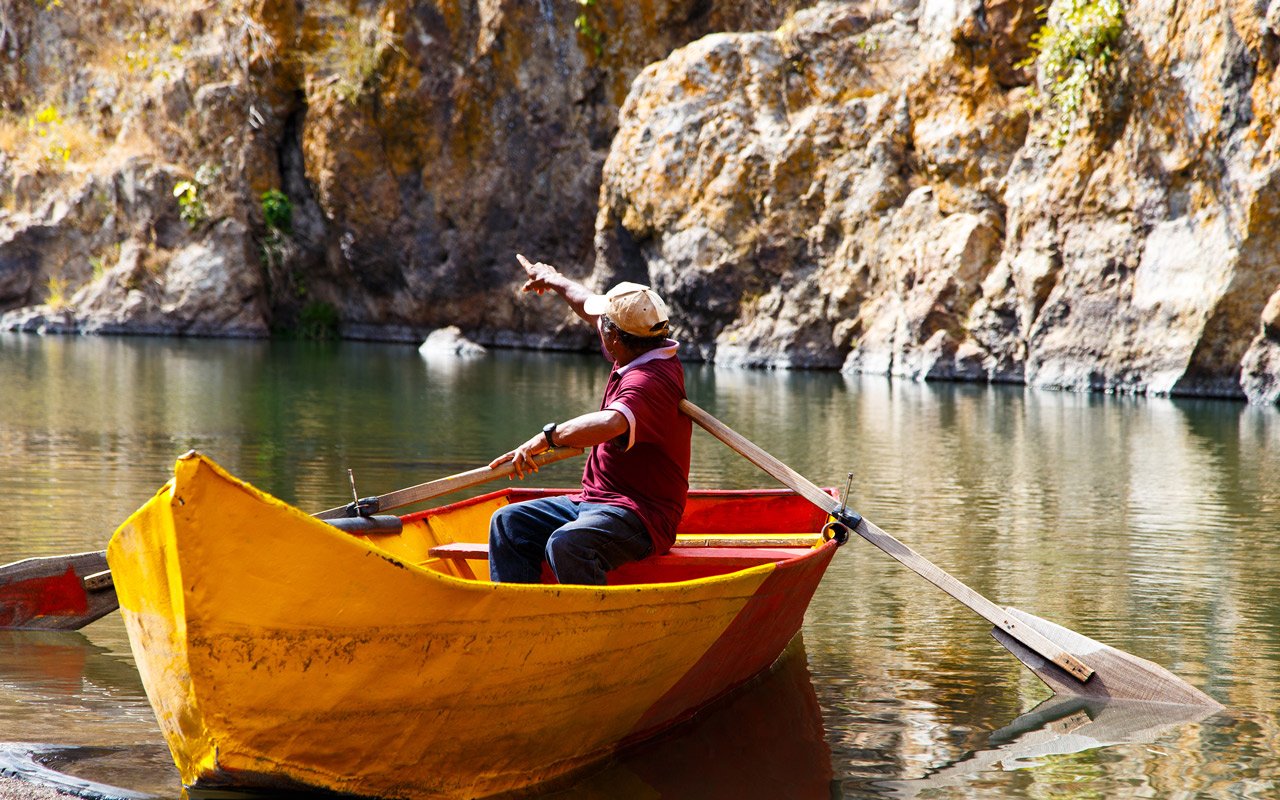
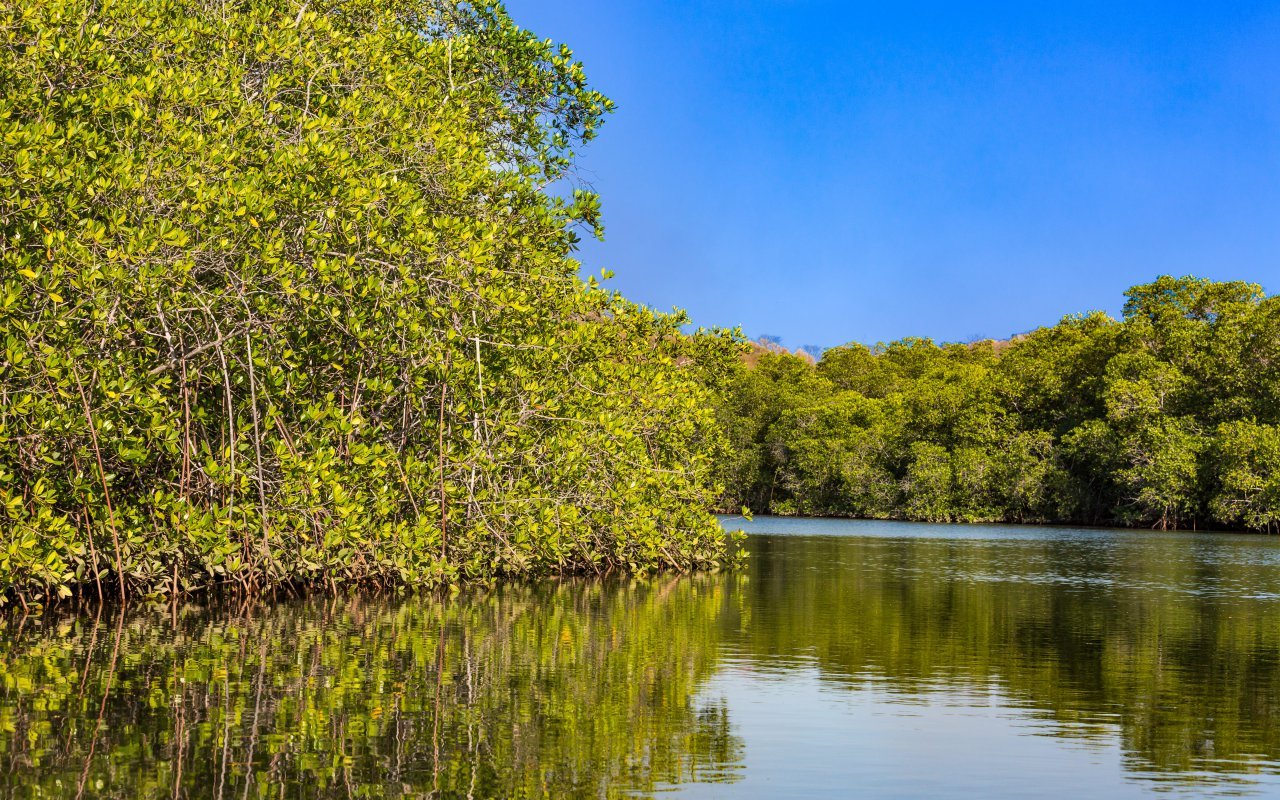
Further north, there are a few marshes, followed by theEstero Padre Ramosnature reserve. This is the largest mangrove reserve in Central America, measuring almost 90 km². A variety of local and migratory waterfowl have built their nests in the reserve’s calm waters and mangrove forests, which can be explored by boat or kayak.
San Cristóbal volcano
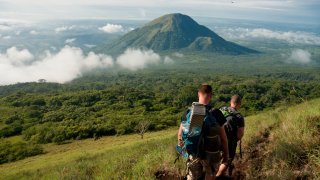
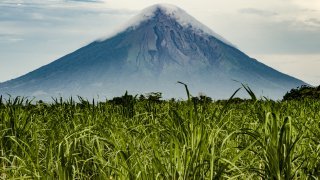
The San Cristóbal volcano, less than 20 km from the town of Chinandega, rises to an altitude of 1,745 metres. It is Nicaragua’s highest active volcano. Belonging to a group of 5 volcanoes with La Casita, Chonco, Moyotepe and La Pelona, this magnificent cone has erupted strongly in the past. Today, it emits gas continuously and frequently erupts, albeit at low intensity.The ascent to San Cristóbal volcano is one of the most difficult and technical in Nicaragua. The slopes are steep and there are no well-trodden paths to the crater. However, once at the summit, the effort is quickly rewarded by a breathtaking view of the surrounding mountains, the northern plains, the Gulf of Fonseca and the Real estuary . The descent is quicker on the volcano’s slopes of black sand and volcanic ash.

The Cosigüina volcano
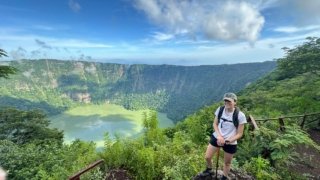
The Cosigüina Volcano is a dormant volcano located west of Nicaragua on the peninsula of the same name, between the Pacific Ocean and the Gulf of Fonseca. In 1835, one of the most violent eruptions in history literally decapitated the volcano, estimated at 2,300 metres before eruption. Volcanic ash even reached Mexico’s capital! It now resembles an 859-metre-high hill covered with dense vegetation and home to a diversity of birds, monkeys and butterflies. The climb to the summit is fairly easy and accessible to those aged 15 and over. It takes between three and eight hours, depending on the starting point. At the top, you’ll enjoy panoramic views of the crater and its lagoon, the Cosigüina peninsula, the Gulf of Fonseca and neighbouring El Salvador and Honduras.

Set sail for Nicaragua, its volcanoes and surf beaches!