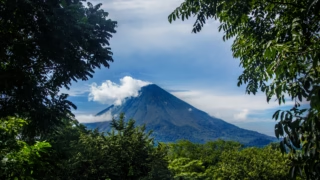
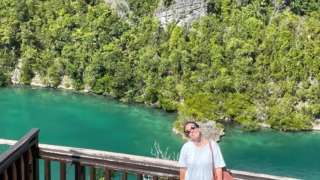
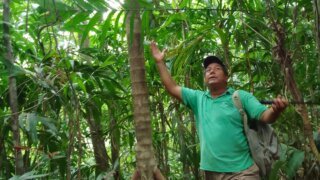
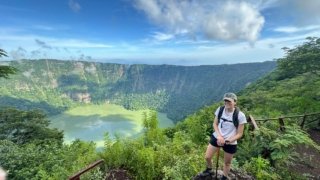
It is the largest and most dynamic city in the northern region, 140 kilometers north of Managua. It is a real economic hub. It’s also known as “el diamante de las Segovias”. Still underdeveloped as far as tourism is concerned, but cigar and purolovers will find an excuse to stop off here, anda stroll through its streets promises some surprising murals and frescoes explaining the country’s history. Estelí has its own cathedral. Famous for cigar production, there are many tobacco warehouses and factories in the region. There are also a number of archaeological sites and beautiful walks in the surrounding area, including a small waterfall not far from the town’s entrance.
Discover the city of Esteli
The town of Estelí is located in northern Nicaragua, between several plateaus divided by multiple valleys. The air is fresh thanks to the surrounding mountains, which are characteristic of the north of the country. Like Matagalpa and Jinotega, its climate is cool and pleasant.
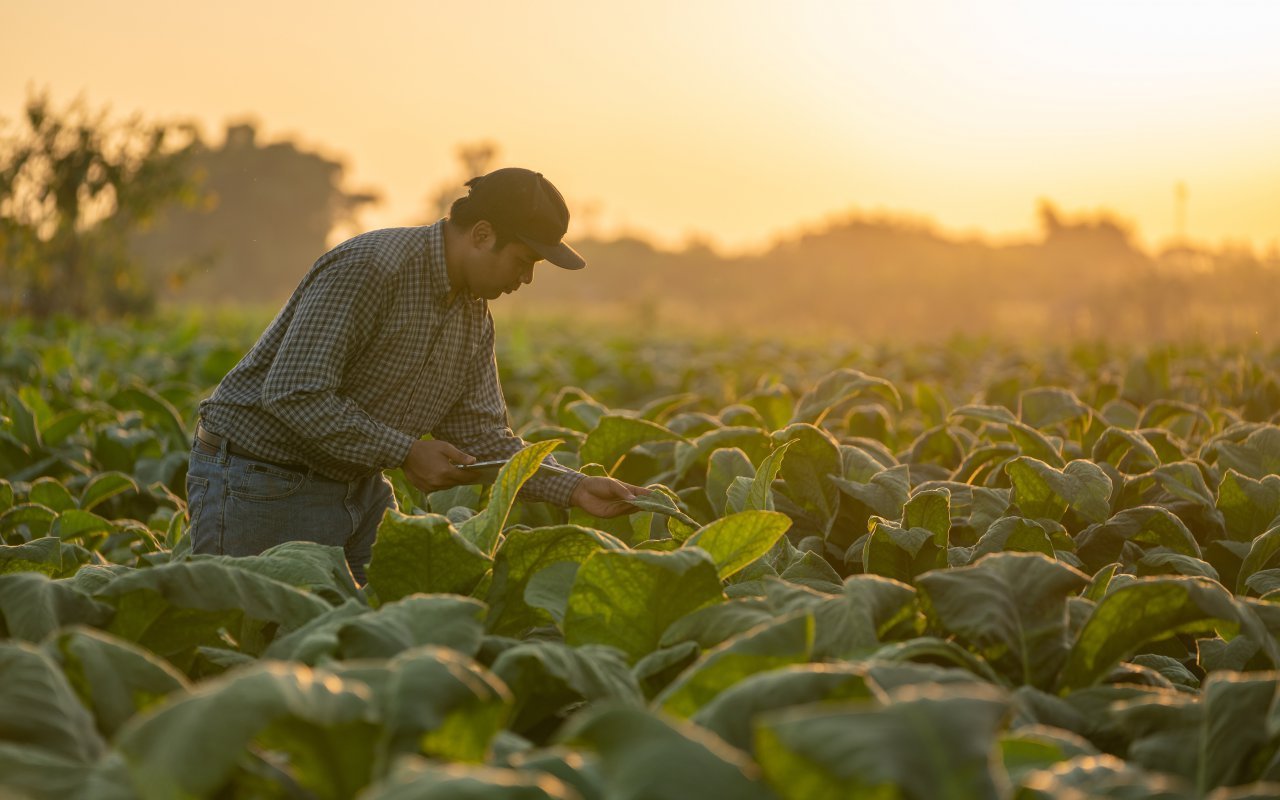
There are also many agricultural areas, with forests and waterfalls not far away. Estelí is known for its high quality tobacco production, and its cigars are world-famous.


A commercial center in northern Nicaragua
The municipality of Estelí is one of the country’s major economic and commercial centers, with a population of over 200,000. Large families have lived and prospered here for generations. It is an obligatory stopover for travellers to the Nueva Segovia and Madríz regions.
Its tree-lined urban center boasts its own neoclassical cathedral. The city’s structure is recent, having suffered heavy bombardment by the Somozist regime during the 1979 revolution.
History of Esteli
Estelí comes from the Nahuatl word for river, and is also understood as “river of blood”, li = river and Eztli = blood. Also known as El Diamante de la Segovias , the 16th century was an eventful period for the Central American region.
A colonial past
The Spanish were forced to leave present-day Antigua in Guatemala, occupied by the British buccaneers. Heading south, the Iberian settlers encountered the communities of northern Nicaragua, a region inhabited by the Mayangnas, Sumos, Matagalpas, Nahuatl and Chorotegos, a homogeneous mix of indigenous communities sharing existence on the fertile lands of northern Nicaragua.
In 1685, the Spanish expelled them by force and negotiation, creating a colony called Villa Vieja. Later, this new city was named Villa de San Antonio de Estelí, simply because the river passing through was so named, Estelí. Even today, on the outskirts of the city, you can still find some vestiges of this era, such as the small church founded by the mestizos and mulattos.

What to do in and around Estelí?
The town of Estelí and the surrounding area offer many interesting tourist possibilities. You can discover this economically dynamic town and its history, as well as its surrounding landscapes and nature reserves. Here are a few ideas for excursions
- a stroll through the streets of Estelí to discover the paintings that line the town’s walls
- a visit to a cigar factory
- a hike in the Miraflor nature reserve (see below)
- a hike in the Tisey-Estanzuela nature reserve (see below)
- an aquatic hike in Somoto Canyon
What to do in the city of Esteli?
The Revolutionary Murals
Estelí earned its reputation as Nicaragua’s mural capital with over 300 painted walls throughout the city center. These street artworks function as an open-air history museum, chronicling the country’s turbulent past and evolving present.
The earliest murals appeared immediately after the 1979 Sandinista victory, depicting revolutionary heroes, liberation themes, and literacy campaigns. Over the decades, the subject matter has evolved to reflect contemporary concerns: children’s rights, women’s empowerment, environmental protection, and artistic expression from younger generations. Walking through streets like those surrounding the central park and cathedral, visitors encounter this visual narrative at nearly every turn.
In 2005, Estelí secured a Guinness World Record for creating the world’s longest chalk mural. Though that specific work no longer exists, the city maintains its commitment to public art as both political statement and cultural identity. Many tour operators offer guided mural walks that contextualize the artwork within Nicaragua’s broader historical trajectory, explaining the symbolism and the artists behind the most significant pieces.
Cigar Factory Tours
As Nicaragua’s undisputed tobacco capital, Estelí produces 13 of the world’s 25 top-rated cigars according to Cigar Aficionado magazine. The city’s cigar industry employs approximately 30,000 families across cultivation, manufacturing, and related businesses, making tobacco Estelí’s primary economic engine.
The industry traces its roots to the 1950s when Cuban tobacco masters fled Castro’s revolution, seeking ideal growing conditions elsewhere. They found Estelí’s climate, soil composition, and elevation perfect for cultivating premium tobacco. Today, over 35 tobacco companies operate within the city limits.
Major factories offering tours include:
Drew Estate (La Gran Fabrica Drew Estate): The most comprehensive tour experience, lasting 2-4 hours. Visitors observe the entire production process from fermentation rooms to rolling tables, and can participate in custom cigar blending sessions. The factory also features Subculture Studios, where in-house artists customize products with original designs.
Tabacalera Santiago: Housed in a distinctive yellow-and-blue warehouse built around a central courtyard, this factory provides detailed explanations of each production stage—sorting, bunching, rolling, and quality control. Tours emphasize the craftsmanship and skill required to produce consistent, high-quality cigars.
Joya de Nicaragua: Nicaragua’s oldest operating cigar factory (founded 1968) offers tours showcasing traditional methods alongside modern production techniques.
Most factory tours require advance booking and are best arranged through local hostels or tour operators like Treehuggers or Hospedaje Luna.
Leather Craft District
Estelí’s saddlery quarter, concentrated along Avenida 1a Norte Este and around the Alfredo Lazo market, represents northern Nicaragua’s cowboy heritage. More than 10 specialized workshops produce handcrafted leather goods using traditional techniques passed down through generations.
The district’s artisans create custom cowboy boots, measuring clients’ feet precisely and delivering finished products within a week for approximately 1,200 córdobas (roughly $30-35 USD). Beyond footwear, workshops produce belts with hand-tooled designs, saddles, hats, and other equestrian equipment.
Two recommended craft shops near the cathedral offer broader selections:
- Artesanía La Esquina (1 block north of cathedral)
- Artesanía Nicaraguense (1 block south of cathedral)
Both stock local soapstone carvings, Ducualí pottery, and general Nicaraguan handicrafts alongside leather goods.
Religious & Historic Architecture
Catedral de Nuestra Señora del Rosario (Our Lady of the Rosary Cathedral)
Built in 1823, Estelí’s neoclassical cathedral dominates the central plaza with its white facade and elegant proportions. The cathedral showcases beautiful religious artwork, stained glass windows, and ornate altars within its calm interior. The structure survived the 1978-79 bombardments that destroyed much of the city’s colonial heritage, making it one of few remaining architectural witnesses to Estelí’s pre-revolutionary period.
The cathedral serves as the focal point for the city’s October 7th patron saint festival honoring the Virgin of the Rosary. Its location makes it an ideal starting point for walking tours, with numerous murals visible on surrounding buildings.
Iglesia del Sagrado Corazón de Jesús (Church of the Sacred Heart of Jesus)
This smaller church features impressive stained glass windows depicting religious scenes, high vaulted ceilings, and an ornate altar. Located in the city center, it offers a more intimate spiritual experience than the cathedral and frequently hosts religious services open to visitors.
Museums & Cultural Centers
Museo de Historia y Arqueología (History and Archaeology Museum)
Located within the Casa de Cultura building, this compact museum preserves Estelí’s pre-Columbian heritage through pottery, petroglyphs, stone tools, and other archaeological finds from nearby sites like Las Pintadas and La Joya. These artifacts represent the region’s original inhabitants—the Sumos, Matagalpas, Nahuals, and Chorotegas peoples who lived here before Spanish colonization.
The museum also maintains an important photographic collection documenting various historical periods, particularly the revolutionary era, plus a coin and banknote collection tracing Nicaragua’s monetary history. Open Monday, Tuesday, Thursday, and Friday from 9am to noon. Entrance is free.
Galería de Héroes y Mártires (Gallery of Heroes and Martyrs)
Adjacent to the Casa de Cultura, this moving memorial honors Estelí’s fallen revolutionaries. Display cases contain faded photographs, personal belongings, clothing, and weaponry from combatants in the Sandinista revolution. Written testimonies from participants provide firsthand accounts of the city’s resistance during the 1978-79 period when Somoza’s forces heavily bombed Estelí.
The gallery offers essential context for understanding the revolutionary murals throughout the city and why Estelí earned the nickname “River of Blood” during that violent chapter.
Central Park & Plaza Life
The city’s tree-shaded central park provides the social heart of Estelí. Surrounded by the cathedral, city hall (alcaldía), shops, and cafés, the plaza bustles with local life—students from the city’s several universities, families, street vendors, and residents conducting daily business.
The park’s benches and shaded areas offer ideal spots for people-watching and observing authentic Nicaraguan highland culture away from tourist-heavy destinations. Small food vendors sell local snacks, and the surrounding blocks contain the city’s main commercial district for shopping and dining.
Nightlife & Entertainment
Despite being a working agricultural center rather than a tourist destination, Estelí maintains a lively evening scene thanks to its university population.
Local nightclubs welcome visitors interested in dancing and socializing with Nicaraguans. One popular venue features two levels—a main floor with affordable drinks (beers around 40 córdobas/$1 USD) and dancing, plus a VIP second floor with panoramic views. The casual atmosphere permits smoking indoors, appealing to cigar enthusiasts. Entrance fees typically range from 2-4 USD depending on the area.
Estadio Independencia
Built in 1958, this 4,000-seat stadium serves as home to Real Estelí FC, consistently one of Nicaragua’s top football clubs. While baseball dominates Nicaraguan sports culture, Estelí’s passionate football fans create an electric atmosphere during matches. Tickets cost approximately 100 córdobas ($2.50 USD), making attending a game an affordable way to experience local sports culture. The stadium near Central Park hosts matches, tournaments, and occasional concerts throughout the year.
Community Art & Social Projects
Mujeres Ambientalistas Cooperative
This women’s environmental cooperative, composed primarily of single mothers, welcomes visitors to learn about their sustainable development projects. The cooperative produces handicrafts and engages in environmental education initiatives. Many Spanish language schools in Estelí incorporate visits to the cooperative into their cultural programs, allowing students to practice Spanish while supporting the women’s economic independence.
Practical Considerations
Estelí functions as an authentic Nicaraguan city where daily life continues largely unaffected by tourism. Few visitors speak only English, so basic Spanish proves extremely helpful for meaningful interactions. The cooler highland climate (averaging 18-24°C) contrasts sharply with Nicaragua’s sweltering coastal regions, requiring layers, especially during January’s coldest months.
The city serves as a logical base for exploring northern Nicaragua‘s attractions while offering a genuine glimpse into provincial Nicaraguan life—markets, family-run restaurants, neighborhood dynamics, and the rhythms of an agricultural economy centered on tobacco cultivation. This authenticity, rather than manufactured tourist experiences, defines Estelí’s particular appeal.
Excursions and nature around Esteli
Estelí’s true appeal extends far beyond its city limits. The surrounding northern highlands harbor some of Nicaragua’s most spectacular and least-visited natural treasures—cloud forests thick with orchids, dramatic canyons carved by ancient rivers, thundering waterfalls, and farming communities where sustainable tourism supports rural livelihoods.
Within an hour’s journey from the city center, travelers can trek through three distinct ecosystems in a single day, rappel into pre-Columbian caves, leap from cliff edges into crystalline pools, or share meals with coffee-growing families whose land has nurtured the same crops for generations.
Unlike Nicaragua’s crowded colonial cities or beach resort towns, these highland reserves remain authentically uncrowded, offering the increasingly rare experience of exploring major natural wonders in near-solitude. The region’s cool mountain climate, accessibility from Estelí’s central location, and infrastructure designed around community-based tourism make it an ideal base for discovering Nicaragua’s wild, agricultural heart—where nature conservation and traditional farming culture exist not in conflict, but in carefully balanced partnership.
Miraflor Nature Reserve
Situated some 30 kilometers northeast of the town of Estelí, the Miraflor nature reserve covers over 250 km2 and is characterized by dry forests on the plains, tropical forests and a cloud forest. Miraflor is inhabited by communities that all make their living from growing cereals and raising livestock. One of the main attractions of this reserve is its biodiversity. The area is one of the richest in orchids, with over 200 species, andyou can learn about ecological agriculture, coffee growing and exotic flowers. If you’re lucky, you might even spot the coveted Quetzal. You can also hike in this mountainous region and enjoy panoramic views over the Estelí valley, or take a dip in one of the area’s waterfalls.
Geography and Climate Zones
Miraflor’s defining characteristic lies in its three distinct altitude-based ecosystems that create dramatically different environments within a compact area:
Low Zone (900-1,100 meters)
Characterized by dry tropical forest, this warmest area centers around communities like Coyolito. The Río Estelí flows through here, creating natural swimming pools including El Remolino, El Ahogado, La Lata, and El Charco del Café (reaching 2 meters depth). The Mirador La Meseta viewpoint at 1,100 meters offers spectacular panoramic views over Estelí valley—particularly stunning at night.
Intermediate Zone (1,100-1,300 meters)
Features transitional tropical forest mixing elements from both upper and lower zones. Communities like Sontule provide homestay accommodations and serve as bases for exploring surrounding coffee plantations and agricultural areas.
High Zone (above 1,300 meters)
Contains Nicaragua’s northernmost cloud forest—humid tropical broadleaf “nebliselva” that remains shrouded in mist much of the year. This area preserves one of Las Segovias region’s largest remaining forested expanses.
Waterfalls
Multiple cascades punctuate the reserve’s terrain. Las Tres Cascadas (The Three Waterfalls) features three consecutive drops—the first plunging 32 meters, the second 20 meters—visible during the May-November wet season. Cascada Barranco Blanco tumbles 47 meters but requires rappelling skills to access. Cascada El Jilguero near Jilguero community drops 15 meters. La Chorrera, in the high zone, cascades over 65 meters during rainy season, though reaching it demands significant effort through difficult terrain.
Laguna de Miraflor
This volcanic crater lake at 1,380 meters elevation dates to the Tertiary period and reaches 20 meters maximum depth. The lake’s remote location in the high zone makes it a special destination for overnight treks.
Viewpoints
El Mirador de Yalí sits at one of the reserve’s highest points, accessible via trails from local lodges. Mirador El Silencio in Jilguero community and Mirador Los Apantes at the low/intermediate zone border provide sweeping valley vistas. On exceptionally clear days, some viewpoints offer views extending to San Cristóbal volcano.
Coffee Catchment Laboratory and Orchid Garden
Located in the Cebollal community’s Environmental Management Center, this facility cultivates 45 different orchid species and demonstrates sustainable coffee production techniques. Visitors can observe how local cooperatives implement organic farming practices.
Activities in Miralfor Nature Reserve
Hiking
Trails range from easy 1-hour walks to challenging 8-hour treks covering approximately 8 kilometers with 600 meters elevation gain. The moderate main trail requires reasonable fitness and balance for uneven, sometimes slippery terrain but remains accessible to regularly active hikers. Paths wind through coffee plantations, past small villages, and into dense forest where morpho butterflies, hummingbirds, toucans, and—with luck—the elusive resplendent quetzal can be spotted.
Horseback Riding
An excellent alternative for covering more ground, 5-hour horseback excursions navigate mountain trails through orchid-studded hillsides, reaching waterfalls and viewpoints difficult to access on foot. Tours typically cost $10-25 USD depending on guide expertise and bilingual capability. Since much land remains privately owned by farming families, tour fees contribute directly to rural community income.
Community-Based Tourism
Miraflor’s distinguishing feature is its integration of nature tourism with rural agricultural life. Approximately 5,000 inhabitants live within the reserve, primarily engaged in organic vegetable and coffee cultivation, livestock raising, and increasingly, ecotourism. Multiple communities offer homestay accommodations where visitors sleep in basic but clean rooms (beds with blankets and mosquito nets, shared bathroom facilities) and share meals with host families. This immersive experience provides authentic insight into contemporary Nicaraguan highland farming culture.
Popular homestay communities include:
- Coyolito (low zone): Warmest area, closest to Estelí
- Sontule (intermediate zone): Coffee-growing community with multiple related families
- Cebollal (high zone): Access to cloud forest and orchid garden
Farm Activities
Visitors can participate in daily agricultural work—harvesting coffee, tending livestock, observing cheese production—transforming tourism into cultural exchange rather than passive observation.
Birdwatching
The reserve’s ecosystem diversity attracts over 200 bird species. Serious birders should hire specialized guides familiar with optimal observation locations and times.
Practical Information
Access
From Estelí’s COTRAN Norte bus station, buses depart for Miraflor at 6:00 AM, 12:00 PM, 1:30 PM, and 3:45 PM (approximately 45 Cordobas/$1 USD, 1.5 hours). The bone-rattling journey on unpaved roads in retrofitted school buses is part of the adventure. Most buses heading to Yalí pass through La Rampla junction where visitors disembark for pickup by homestay hosts or begin walking (30+ minutes) to accommodations.
By private vehicle, the 32-kilometer journey takes 45 minutes on rough gravel roads—4WD recommended, especially during wet season.
Guides
While not mandatory, local guides greatly enhance the experience through knowledge of trails, waterfall locations, wildlife spotting, and cultural context. UCA Miraflor (cooperative managing community tourism) can arrange guides, accommodations, and full itineraries. Many Estelí hostels, particularly Treehuggers and Hospedaje Luna, coordinate Miraflor visits.
Seasonal Considerations
Dry season (November-April) provides clearer trails and sunnier weather but smaller waterfalls and more arid landscapes. Wet season (May-November) showcases waterfalls at peak flow and lushest vegetation but demands waterproof gear and acceptance of muddy, slippery conditions. The high zone remains cool and potentially rainy year-round—temperatures can drop significantly, requiring warm layers even in “summer.”
Day Trips vs. Overnight Stays
While day trips from Estelí are possible (departing 6 AM, returning evening), overnight stays allow deeper immersion, witnessing sunrise fog lifting from valleys, and experiencing rural family life. Multi-day treks moving between altitude zones provide the most comprehensive understanding of Miraflor’s ecological complexity.


Cañón de Somoto (Somoto Canyon)
Discovered only in 2004 by two Czech scientists and designated a National Monument shortly thereafter, Somoto Canyon ranks among Central America’s most spectacular geological formations—yet remains refreshingly uncrowded due to its remote northern location just 10 kilometers from the Honduran border.
Geological Formation
The canyon formed approximately 2.6 million years ago through erosion by the Río Coco (Central America’s longest river) cutting through volcanic rock. Where Río Tapacalí and Río Coman merge to create the Río Coco, towering cliff walls—some reaching 100 meters—squeeze into narrow gorges creating a dramatic natural corridor. The rock displays striking jade and quartz veining, and the water maintains a refreshingly cool temperature year-round.
Somoto Canyon tours combine multiple adventure elements into a single exhilarating day: hiking, boulder scrambling, wading through rivers, swimming through narrow passages, floating on backs between vertical walls, cliff jumping (optional, various heights), and short rowboat sections. It’s physically demanding but accessible to anyone in reasonable shape.
Three main options exist:
- Short Visit: Viewpoint access only, minimal physical activity
- Standard Tour (4 hours): Core canyon experience with moderate jumps and swimming
- Extended Tour (6 hours): Deeper canyon penetration, higher jumps (up to 12-20 meters), more swimming sections. Only $5 USD more than standard tour but significantly more comprehensive.
Tours typically include lunch (chicken, beef, or vegetarian options with rice, beans, salad, juice), transportation from Somoto bus station to trailhead, and experienced guides carrying dry bags for cameras and valuables.
The adventure begins with hiking along Río Tapacalí, scrambling over boulders where jade and quartz veins streak through rock faces. Soon the first swimming section arrives—guides stow cameras in waterproof bags and participants wade into the cool water. The canyon alternates between shallow sections requiring boulder hopping and deeper pools demanding swimming.
Cliff Jumping
The activity’s signature feature. Rocky perches at heights from 1-2 meters to 20 meters offer jumps into deep pools. All jumps are optional—guides demonstrate first, ensuring safety and proper technique. Many visitors find the progression addictive, starting cautiously at low heights and working up to dramatic leaps echoing between canyon walls.
Floating Sections
Some passages narrow dramatically, and the experience of floating on your back, gently paddling between sheer rock walls rising vertically overhead, creates moments of profound tranquility contrasting with the adrenaline jumps.
White Pebble Beach
Marking the official start of Río Coco’s 680-kilometer journey to the Caribbean, this beach provides a rest stop where guides often distribute snacks (Oreos and bananas are standard) and participants warm up in sunshine before continuing.
Practical Information
Best during dry season (November-April) when water levels are manageable and weather sunny. Wet season brings higher water levels and stronger currents—some tours may be modified or cancelled during peak rainy months (September-October).
Despite being a national monument, Somoto remains relatively undiscovered. Most tours encounter only one or two other groups during the entire 4-6 hours—a stark contrast to overtouristed destinations elsewhere.


Tisey-Estanzuela Nature Reserve
Just 10 kilometers southwest of Estelí, this 9,344-hectare protected area offers the most accessible nature experience from the city—close enough for half-day excursions yet encompassing substantial biodiversity and dramatic landscapes. The reserve combines mountain rainforest, agricultural communities practicing sustainable tourism, and several distinctive attractions.
The 9,000-hectare Tisey Estanzuela nature reserve is located southwest of the town of Estelí. Named after the El Tisey hill and the La Estanzuela river that runs through it, the reserve is home to a high level of biodiversity,with vast areas of agricultural crops, some livestock areas and various subtropical forest sectors .
Nearly 170 different species of plants and trees can be found here, as well as numerous mammals (squirrels, foxes, skunks and rabbits), reptiles (boa, coral and rattlesnakes) and birds.
During a hike in the reserve, you’ll have the opportunity to discover stone sculptures handcrafted by a local,ancient caves built by the natives , the La Estanzuelawaterfall and superb views of the Maribios range, including the Cerro Negro and Momotombo volcanoes.
Salto de la Estanzuela Waterfall
The reserve’s crown jewel and most visited site sits only 5-6 kilometers from Estelí’s southern edge. This 35-40 meter horsetail waterfall (height varies by source and season) cascades over a bromeliad-covered cliff into a crystal-clear swimming pool. The relatively easy access—20-minute vehicle journey plus 8-minute walk from entrance gate—makes it popular with locals and tourists alike, especially during hot dry season when the cool water provides welcome relief.
The entrance fee (approximately 30 Cordobas) also grants access to El Molino Spa nearby, featuring additional pools including one 5 meters deep beneath a 3-meter waterfall. Five pre-Columbian caves (Queserita Caves) exist around the swimming area, though their difficult access and lack of signage means most visitors require guides to locate them.
During wet season (May-November), the waterfall reaches maximum flow and impressiveness. Dry season reduces it to more modest proportions but offers safer swimming conditions and clearer trails.
Finca El Jalacate
One of Nicaragua’s most unusual attractions, this working farm doubles as an extraordinary outdoor sculpture gallery. Artist Alberto Gutiérrez has spent over 40 years carving the rocky hillside with hundreds of sculptures depicting an eclectic mix of Mayan, Inca, Egyptian, and religious imagery. Working with basic hand tools, Gutiérrez transformed boulders and cliff faces into a labyrinthine art installation sprawling across forested terrain.
The project began as Gutiérrez’s personal battle against alcoholism—every time he craved a drink, he carved instead. The resulting 100+ meter artwork has evolved into a significant cultural attraction. Gutiérrez himself often greets visitors (Spanish-speaking), explaining his inspiration which he attributes to divine guidance. His Instagram account provides preview glimpses of the work’s scope.
Tours typically combine El Jalacate with other Tisey attractions, creating full-day experiences. The hike from main roads to the finca involves moderate challenge through varied terrain.
Cerro Apaguají and La Garnacha
The community of La Garnacha, 15 kilometers from Estelí, serves as a hub for rural tourism activities. This organic farming cooperative offers lodging, meals made from farm products, handicraft sales (particularly noted for excellent cheese), and access to surrounding natural features.
Cerro Apaguají (“mountain of water”) rises behind La Garnacha, requiring a moderate hike along well-maintained trails through pine forest. The summit provides panoramic views, and the Cuevas de Apaguají (Caves of Apaguají) hide in the mountainside—though exploring them requires guides familiar with the unmarked locations.
The wind at the summit can be intense (“knock-you-over” according to visitor reports) but the views justify the effort.
Viewpoints
Multiple miradores punctuate the reserve’s high points:
Mirador Tisey: At 1,550 meters, this is reportedly Nicaragua’s only viewpoint from which all three of the country’s drainage slopes (Pacific, Caribbean, and Lake Nicaragua basin) can be observed simultaneously—though this requires exceptionally clear conditions.
Mirador de Oriente: Accessed via the El Luis Trail from Tejera community, offers eastward views.
Mirador Paisajes de Mi Tierra: Terminus of the 800-meter Careto Carpintero Trail west of La Garnacha, providing spectacular valley perspectives.
Rancho Don Luis Viewpoint: Created in 2004 by Don José Luis López Alfaro and his wife, this restaurant/viewpoint overlooks the volcanic chain of Los Maribios stretching toward the Pacific. On clear afternoons, the panorama extends from Lake Managua to multiple slumbering volcanoes. A small fee or restaurant purchase grants viewpoint access.
Activities in Tisey-Estanzuela
Hiking
Multiple trails crisscross the reserve, ranging from short walks to challenging full-day treks. The terrain varies from pine and oak forest to coffee plantations to steep mountain paths. Trails connect communities, viewpoints, waterfalls, and caves in various combinations.
Birdwatching
Over 100 animal species inhabit Tisey, including 62 bird species (13 under national protection). The Blue-crowned Motmot—Nicaragua’s national bird—frequents the area alongside hummingbirds, toucans, and numerous endemic species.
Rappelling and Climbing
The waterfall’s rock face attracts adventure seekers. Tour operators offer rappelling descents and climbing routes for those seeking adrenaline beyond swimming.
Horseback Riding
Several operators provide horseback tours through the reserve’s trails, ideal for covering more ground and reaching remote viewpoints.
Community Tourism
Like Miraflor, Tisey embraces community-based tourism. La Garnacha and other villages offer overnight accommodations, farm visits, and opportunities to observe sustainable agriculture practices including organic coffee cultivation and flower production.
Practical Information
The most convenient approach is by bus from Estelí’s COTRAN Sur station. Buses depart at 6:30 AM and 1:20 PM (except Wednesdays when no bus runs), returning at 9:00 AM and 4:00 PM. The journey to La Garnacha area takes under an hour.
For Salto de la Estanzuela specifically, buses heading to La Estanzuela-La Tejera communities pass the waterfall entrance (5 kilometers from Estelí city center).
By private vehicle, follow the Pan-American Highway to kilometer 135-145 (depending on specific destination), then turn onto reserve access roads. 4WD recommended for some routes, especially during wet season.
Walking from Estelí to Salto de la Estanzuela is feasible—8 kilometers taking approximately 1.5 hours—offering pleasant highland scenery along the way. Hitchhiking back is common and generally safe.
Salto de la Estanzuela alone makes a pleasant half-day excursion. Combining multiple attractions (waterfall, El Jalacate, viewpoints) creates full-day experiences. Overnight stays in La Garnacha or other communities allow deeper exploration and early-morning birdwatching.
Cost
Entrance fees remain minimal (25-30 Cordobas for waterfall area). Guided full-day tours including multiple sites typically cost $20-40 USD depending on group size and inclusions.
Best Time
Dry season (November-April) offers easiest access and clearest views from viewpoints. Wet season maximizes waterfall flow and forest lushness but demands rain gear and careful footing on muddy trails.

Other Nearby Destinations
Coffee Route (Matagalpa and Jinotega)
These coffee-growing cities 1-2 hours south of Estelí offer plantation tours, tastings, and insight into Nicaragua’s renowned coffee production. Best combined with rental car for flexibility visiting multiple fincas.
Condega
Located between Estelí and Somoto, this small town features El Avión viewpoint—a demolished Somocista Air Force plane shot down in 1979, now mounted on a hilltop with a restaurant inside and panoramic views below.
Petroglyphs of La Sirena
In San Juan de Limay municipality (50 minutes from Estelí), these pre-Columbian stone carvings depict fish, mermaids, and abstract symbols over 1,000 years old. The site combines archaeology with valley viewpoints.
Explore Nicaragua today!