Meals and drinks in Nicaragua
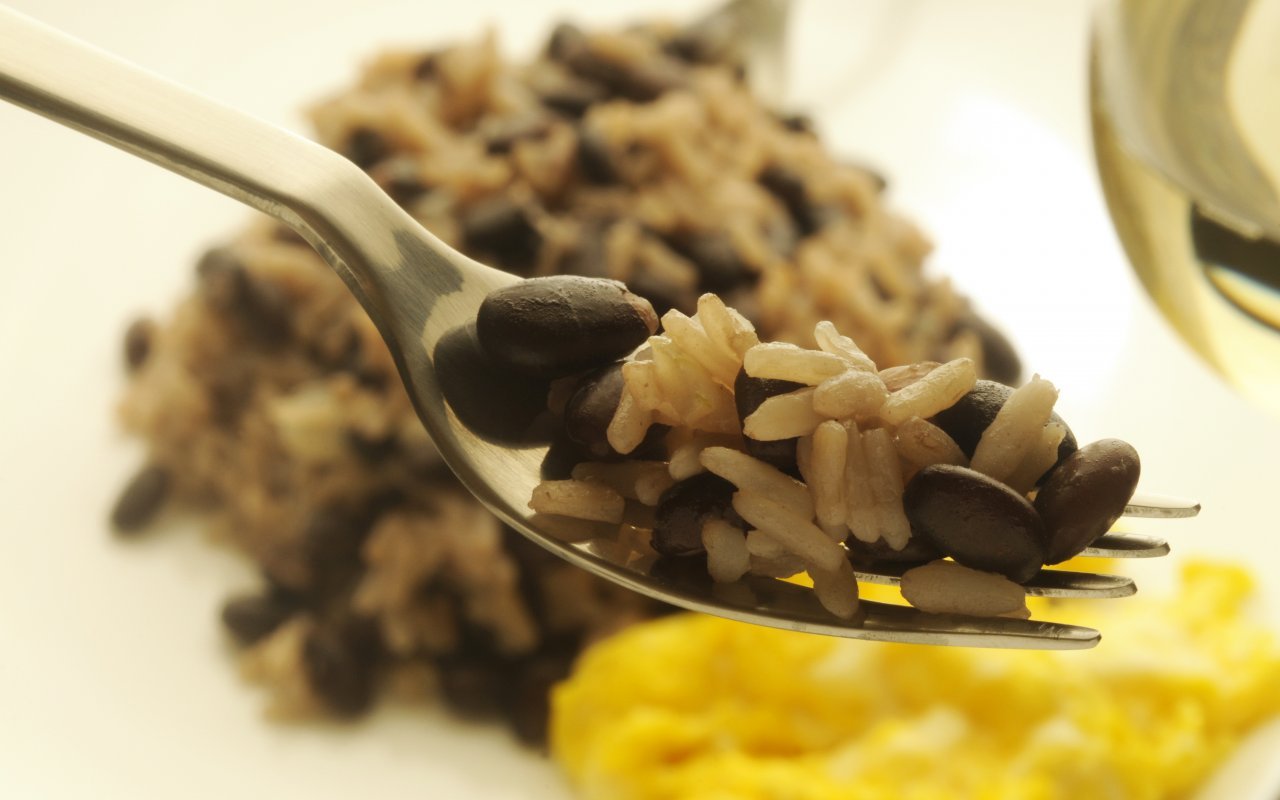
There are plenty of places to eat! You’ll have no trouble finding roadside stalls run by locals selling fruit and chewing gum, banana chips or corn cakes. There are also little stalls called ” pulperia ” where you can buy packets of chips or cakes, bottles of water or fruit. Or ” comedor “, family-run canteens where you’ll often be served a unique gallo pinto-based dish of the day. Of course, you can also go to restaurants where you’ll find a slightly more elaborate menu and higher prices
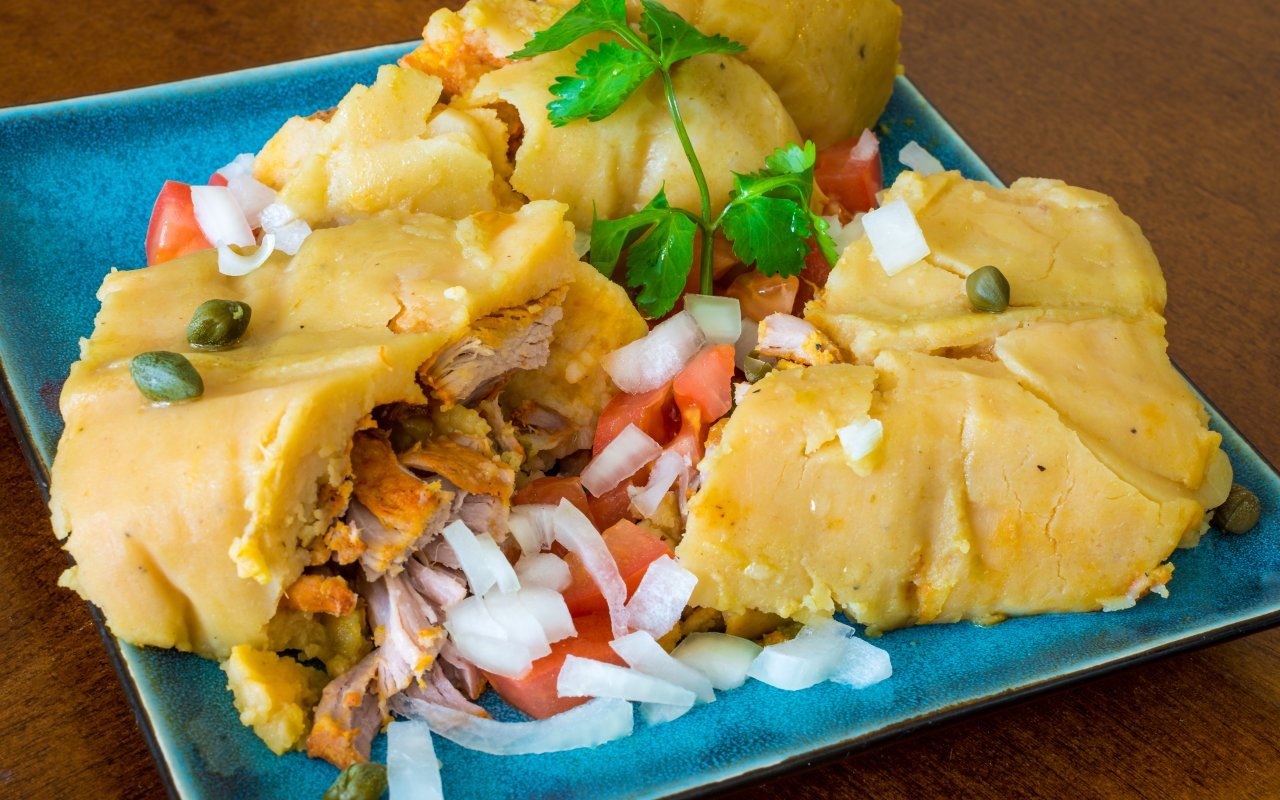
At weekends, Nicaraguans make their own nacatalames and sell them from their garages or houses, marked with a sign. The same goes for drinks, with street vendors offering ” frescos ” (short for refresco = cold drink), which are often drinks made from water and local ingredients such as cocoa and grama herbs, or even orange juice squeezed on the street
Tips in Nicaragua
Tips are generally not included in the bill you receive. However, it is common practice in Nicaragua to leave a tip, as it represents a good supplement to the waiter’s income. You should therefore generally add 10% of the total bill, including taxes.

If you are satisfied with the service, you can add up to 20%, which is much appreciated. Taxes normally represent 15%, and sometimes the prices indicated on the menus do not include them. Don’t hesitate to check the bill. For a bill to be legal in Nicaragua, amounts must be displayed in local currency, i.e. Cordoba. However, menus sometimes display prices in dollars, and the bill in Cordoba. If this is the case, be sure to ask for the exchange rate to check that the prices correspond and are consistent. Scams are rare, but miscalculations and exchange errors are more common.
Safety in Nicaragua
Nicaragua is one of the safest countries in Central America, but also one of the poorest. To avoid unpleasant encounters, you’ll need to think carefully about the neighborhoods you visit. In Managua, you’ll want to avoid the poorer suburbs and more popular areas such as bus terminals, bus stations and markets. Most problems occur after dark, so avoid these places in the dark. As a precaution, put your camera away after every shot, keep a few bills in your pocket to avoid taking out your wallet for every payment, and don’t show off your valuables. On the Corn Islands or the Caribbean coast in general(Bluefields, Puerto Cabezas) you’ll need to be particularly vigilant. On the beach, belongings can quickly disappear, so just take what you need. If you’re going out at night, avoid valuables. As the region is frequented by drug traffickers, you’ll need to be extra vigilant when meeting new people. In general, avoid driving at night: the roads are unlit and road users can be, shall we say, unexpected: stray or free-roaming animals, drivers without headlights, cyclists, pedestrians, carts..
Health in Nicaragua
Nicaragua’s tropical, humid climate makes the country a health risk. The tiger mosquitoes present in Nicaragua transmit several diseases through the bloodstream, including dengue fever, the Zika virus and chikungunya. It is therefore advisable to protect yourself from mosquito bites by using powerful, appropriate repellents, covering clothing, mosquito nets and other diffusers. When in Nicaragua, you should be wary of water and uncooked food that may have come into contact with it. Avoid drinking tap water, and eating raw meat and fish outside high-end restaurants. As for the bugs you might encounter, be sure to shake out your shoes and sheets before slipping into them, as these are a favorite refuge for small black scorpions.

Transport in Nicaragua
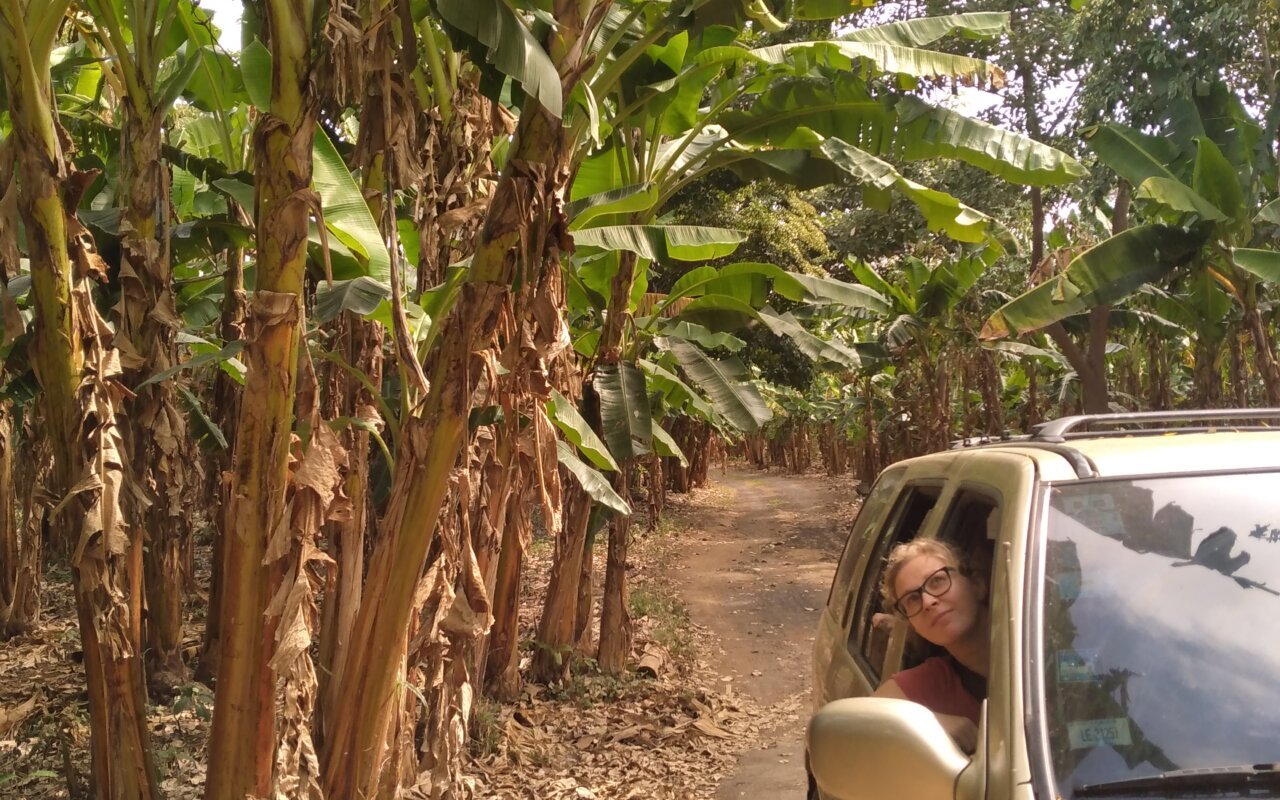
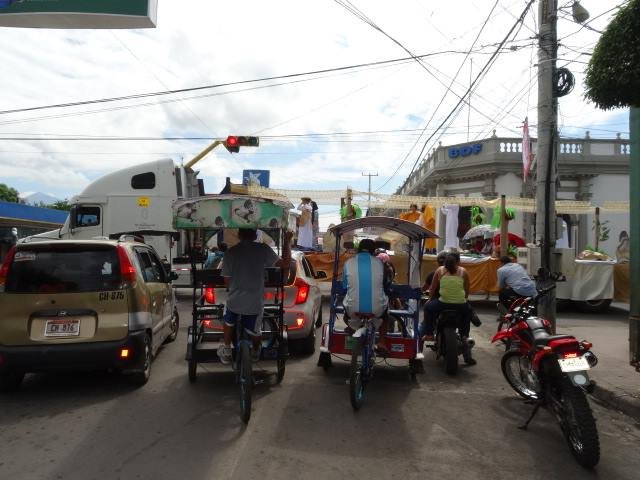
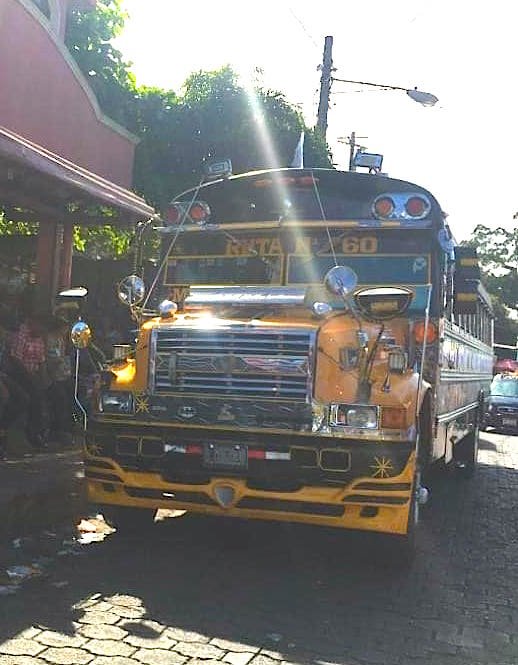
Transport in Nicaragua is relatively well developed, withthe national airline La Costeña providing efficient domesticflights. It’s the only one used to reach Corn Islands, but you can also travel to Ometepe, San Carlos and many other mainland cities. Within the country, road infrastructures are good and you’ll get around without too much difficulty. Nicaragua is criss-crossed by the Panamerican Highway, a well-paved and sometimes very busy road, with secondary roads sometimes little more than dirt tracks. To get from one town to another, it’s the “chicken bus“. This is the preferred means of transport for all travellers, easy and inexpensive, serving the many villages accessible by track. For the main inter-city routes, it’s best to choose the expreso, which is supposed to be more direct, otherwise you’ll be boarding an “ordinario” that takes everyone and everything. Generally speaking, timetables are more or less respected, and buses sometimes only leave when they are full, which can sometimes happen very quickly. The first buses leave at dawn, and the last ones around 5/6pm. For greater punctuality and quality of service, you can take the buses that link several countries, such as those of the Central Line company, which run between Costa Rica and Nicaragua, and many others between Honduras, El Salvador and Panama. For a safer, faster means of transport and greater autonomy, you can opt to rent a car. We can’t recommend a 4×4 highly enough, as it’s essential for getting around in certain regions at certain times of the year. Driving in Nicaragua is like driving in any developing country, and you have to be careful of potholes, speed bumps, right-hand traffic, animals, bicycles without lights, carriages and horse-drawn carriages. Crossroads are sometimes lacking in directions, so don’t hesitate to ask for directions, asking for the nearest town, as many people have never travelled before. In town and at traffic lights, you’ll sometimes be assailed by small vendors selling all kinds of items and windshield washers who’ll ask you for a few cordobas. You can opt for cabs in most towns; getting around the streets of the city center costs an average of 10 to 20 cordobas (less than €1). Cabs are a shared service in Nicaragua, so with a bit of luck you’ll be going in the same direction as your neighbor. To get to the island of Ometepe, you’ll need to take the ferry From San Jorge, the small port of Rivas, you’ll take the ferry across Lake Nicaragua. A large ship with many years of sailing behind it, it makes the crossing in 1h15. For the Corn Islands, you’ll link the large island to the small one in a“panga “, a motorboat that can accommodate around 30 people, and which proves to be a real thrill

Driving in Nicaragua
Here, you drive on the right, just like in France. Traffic lights are quite rare in the country, except in the capital, Managua. The rest of the time, “ALTO” signs indicate the obligation to stop and are the equivalent of our French STOP signs. There is no system of priority on the right, and whoever honks first to signal their arrival retains the right to pass without stopping at the crossroads. Some streets are one-way, however, and this will be indicated by a large white arrow. For parking, the prohibition of sidewalks is indicated by yellow paint on the curb. In parking lots, there’s often a person in charge of looking after the vehicles, who can sometimes help you to park. You can give him a few cordobas and he’ll keep an eye on things while you’re away. The speed limit on the main roads is 80km/h, and police are regularly posted along the sides to penalize those who don’t respect it. Seatbelts are compulsory at the front, and overtaking is often carried out from the right. As in all Central American countries, and even more so in developing ones, you are advised not to drive at night. In any case, when you leave your vehicle, don’t leave valuables inside, and certainly not in a visible position. Remember to stow the GPS and take your belongings with you. Simple preventive measures to avoid attracting curious onlookers.
Plan your next trip to Nicaragua!