The Corn Islands are a pair of islands in Nicaragua, one small and one large, inhabited by an indigenous community of African origins. Of course, much like in the French West Indies, the language is Creole. This dialect, a product of English colonization, is spoken as much as Spanish on these islands. It’s easy to see why it’s called Corn Island. It’s even said that pirates and other privateers had simply mistakenly noted the name of the island on the map, an island considered to be a veritable granary, a reserve of meat in particular. Meat, carne in Spanish: “carne island”. This is one version. But corn is very much part of the local culture too! so? Coconut bread, a traditional dish based on this yellow cereal. It’s very different from what we know on the mainland. It’s a different Nicaragua.
Geography and climate of Corn Islands
Corn Island is located on Nicaragua’s southeast coast, and is the Caribbean face of the country. Two islands lost in the Atlantic Ocean, just 75 km from the coast and Bluefields.
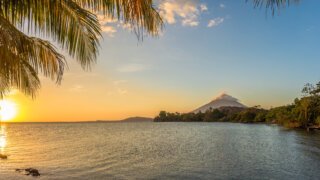
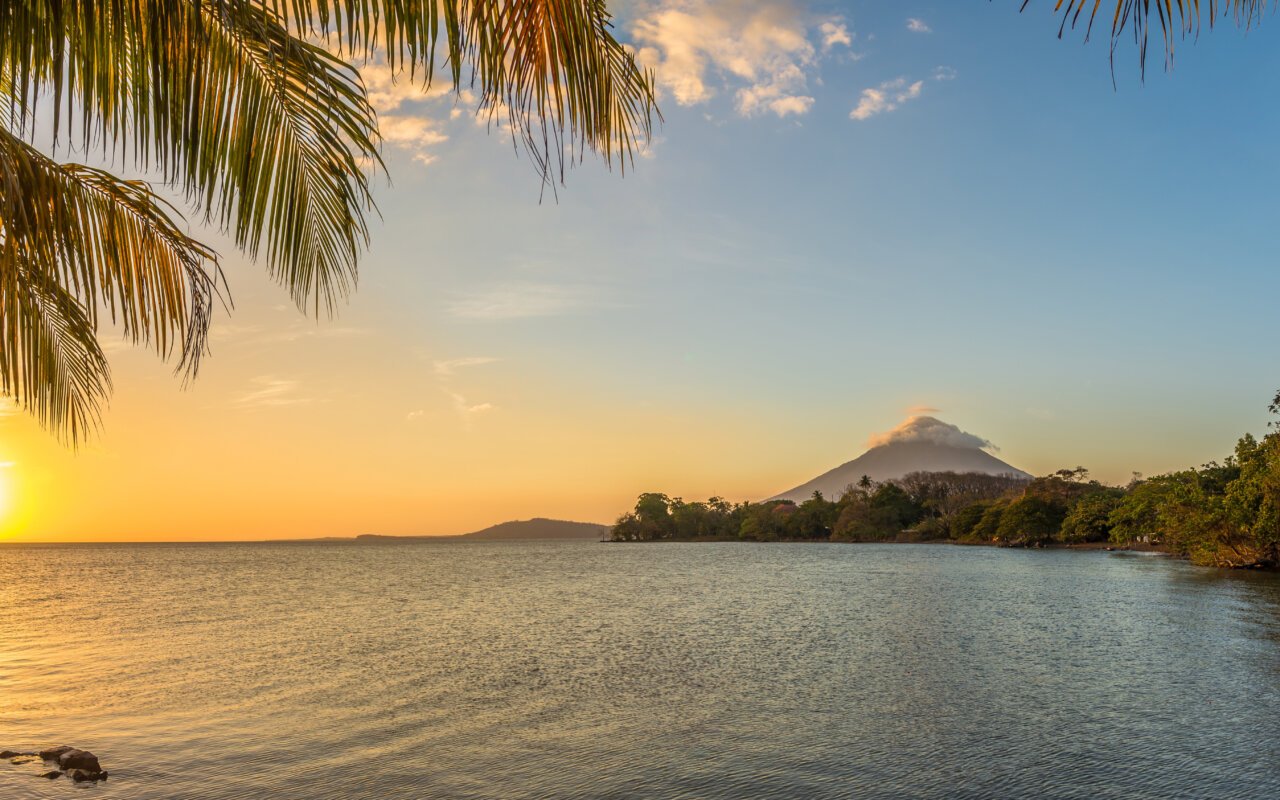
They are the result of volcanic eruptions. With a surface area of around 10km2 for the larger island and 3km2 for the smaller one, there are fewer than 3,000 inhabitants. The vast white-sand beaches fringed by palm and coconut trees, theturquoise waters of the sea, the warm temperatures of around 30ºC all year round, the reefs and the marine life make this the perfect panorama of a paradise island in the middle of the Caribbean Sea.However, we do not recommend traveling to Corn Island inOctober and November due to heavy rainfall.

History of the islands
Big Corn island, Nicaragua’s gran isla de Maïs, is renowned for its wide, white sandy beaches, but also as a haven for the region’s pirates for centuries. Many galleons and merchant ships crossed swords and were boarded in the region, some still lying on the seabed. The riches plundered from the new continent filled the holds of the mostly British ships (the crown fleet was the most powerful at the time), which explains why the Corn Islands were long occupied by the English, like many other Caribbean islets located on the trade routes between Europe and America. It wasn’t until 1894 that Nicaraguan sovereignty set foot on the white sandy beaches of the Corn Islands. First contacts with the Kukras tribe of Indians, who had settled in the region as far as today’s Bluefields. This tribe, also known as Sumos, were hunters, fishermen and gatherers, and their encounter with the stranger was a real upheaval, as it was for many. In the mid-17th century, the English, French and Dutch sailors who transited the Corn Island seas frequently came into contact with the locals, referring to them as Mosquitos. After forming alliances with regional pirates, certain buccaneers and ship captains took possession of the Big Corn Island, gradually dislodging the Kukras and often enslaving them. In the 18th century, the English built the first trading posts on the island. Trade bridges were built between the colony and the local tribes. In 1757, there were 66 inhabitants, including both whites and slaves. The English then pushed trade towards Jamaica, a certain base camp for the crown. It wasn’t until the Treaty of Versailles in 1783 that the Spanish crown was finally recognized as sovereign over the islands, and the British settlers were forced to leave the entire coast. At the beginning of the 19th century, the captaincy of Guatemala and the vice-royalty of Santa Fé (now Colombia) fought over the Corn Islands. Santa Fé did not play along and did not respect the separation, so the Corn Islands and some other cayos became a veritable free-trade zone.
What to do in the Corn Islands, Nicaragua ?

Farniente and Snorkelling
Relaxing in the sun. Barbecuing in the sun. Swimming in the sun. Shrimp and lobster fishing. White sand. Snorkeling, diving, etc… Here’s a vast program for you on the Corn Islands. The famous Corn Islands welcome you with open arms.
Corn Island gastronomy
Its typical gastronomy, its typical accent and the panoramas to be observed are simply marvels for the eyes, the ears and the taste buds. An air of Cuba and quiet cayos? No. If you’re used to the Caribbean, think again: you’re now in the Nicaraguan Caribbean.
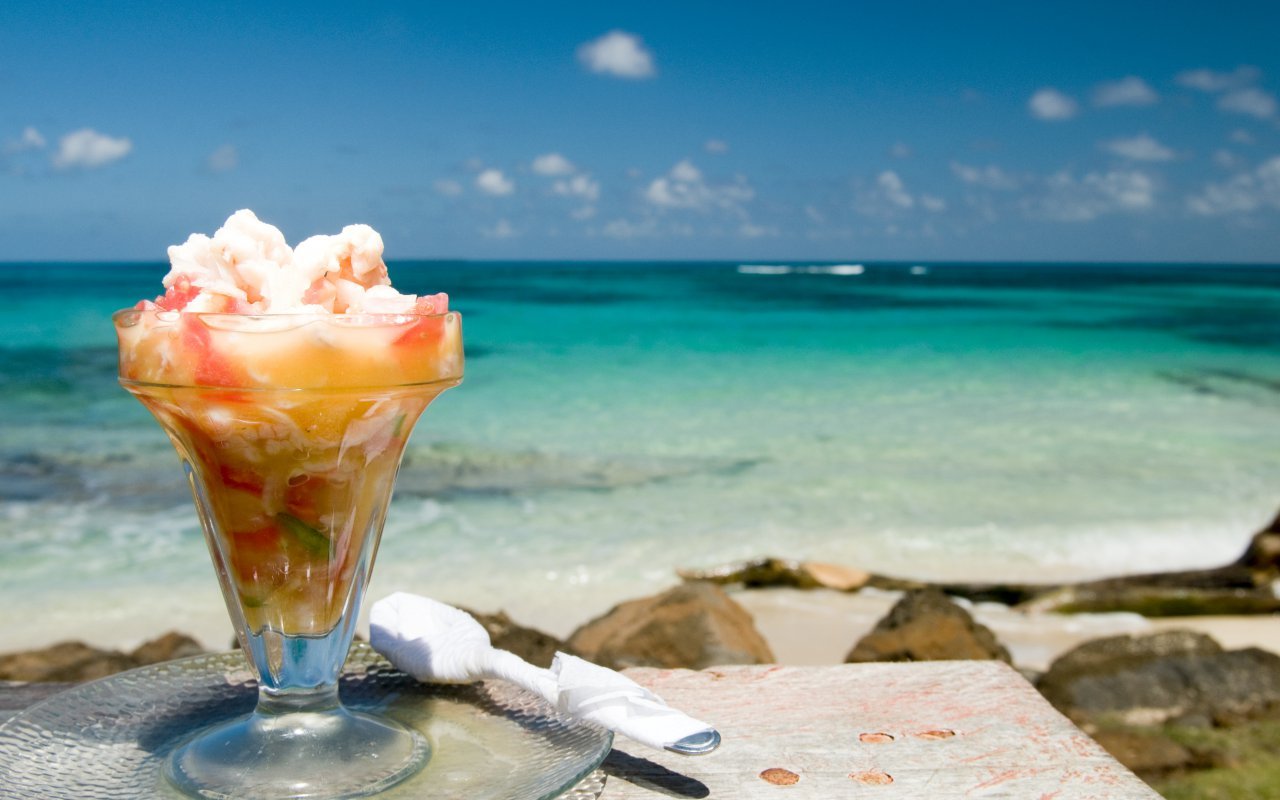
The first island, the big one, is a great introduction. You’ll feel the island atmosphere, full of special pidgins, smells and flavors. You can then travel by sea to the 2nd and smallest island, where you won’t find a car or road on this piece of land lost in the enchanting Caribbean.
Corn Island's most beautiful beaches
On Big Corn Island
Starting in the north with the beaches of North End and Sally Peaches, whose shallow waters and coral reefs make for great diving, we continue eastwards to the long white-sand beaches of South End and Long Bay, where surfing is even possible from October to December.
To the south, Bluff Point beach is very difficult to access and very rocky. Finally, on the west side of the island, South WestBeach and Waula Point are perfect for swimming or snorkeling in calm turquoise-blue waters.


On Little Corn Island
White sand, coconut palms and de-connection? You’ll be out of time and off the beaten track. North of Little Corn are the most beautiful beaches. Just follow a path across the island and you’ll find coconut palms, white sand and small shady areas to bask in… in the shade! This is also the part of the island most exposed to the winds, where the waters are rough. But remember these names: Otta Beach and Kelly Gully Beach.To the east of the island are other beaches, including Coral Beach, with more rocks. But as in the north, there are incredible ocean views and a feeling of being at the end of the world. There are also “farniente” beaches on the west coast of the island, where you’ll find the landing stage and numerous restaurants, the gateway to Little Corn-island.


How to get to Corn Island?
How do you get to the Corn Islands? Nothing could be simpler. It’s by plane, from the domestic terminal at Managua airport. Thinking of getting there by boat is feasible, but it’s also a bad idea, as you’ll have to cross the country, the great eastern part of Nicaragua, in order to catch a boat to Bluefields. A scenario for the adventurous and, above all, those with time on their hands.
By air
All flights to Corn Island are operated by La Costeña and land at Big Corn Island. The flight takes about 1? hours. It’s a short, quiet trip. Once you’ve landed, you’ll be swept away by the islands’ unique Caribbean atmosphere.


By boat
To reach Little Corn Island, you can take advantage of the private or public lanchas that run daily from Big Corn Island to Little Corn Island in around 40 minutes.
Although you can get around Big Corn Island by car, cab, motorcycle or bike, some sites can only be reached on foot. Little Corn Island has no roads, no cars and sometimes no electricity or internet. Don’t hesitate to ask the hotel for directions before setting off on your excursion.
Security
Although the police have stepped up their presence on the islands in recent years, crime on Corn Island is more frequent than on the mainland. The locals may seem less welcoming. We advise you to be vigilant to avoid becoming a victim of theft. However, if you take a few precautions, you’ll be able to enjoy the wonders of this paradise to the full.

Plan your trip to the Corn Islands: some ideas for tours in Nicaragua :