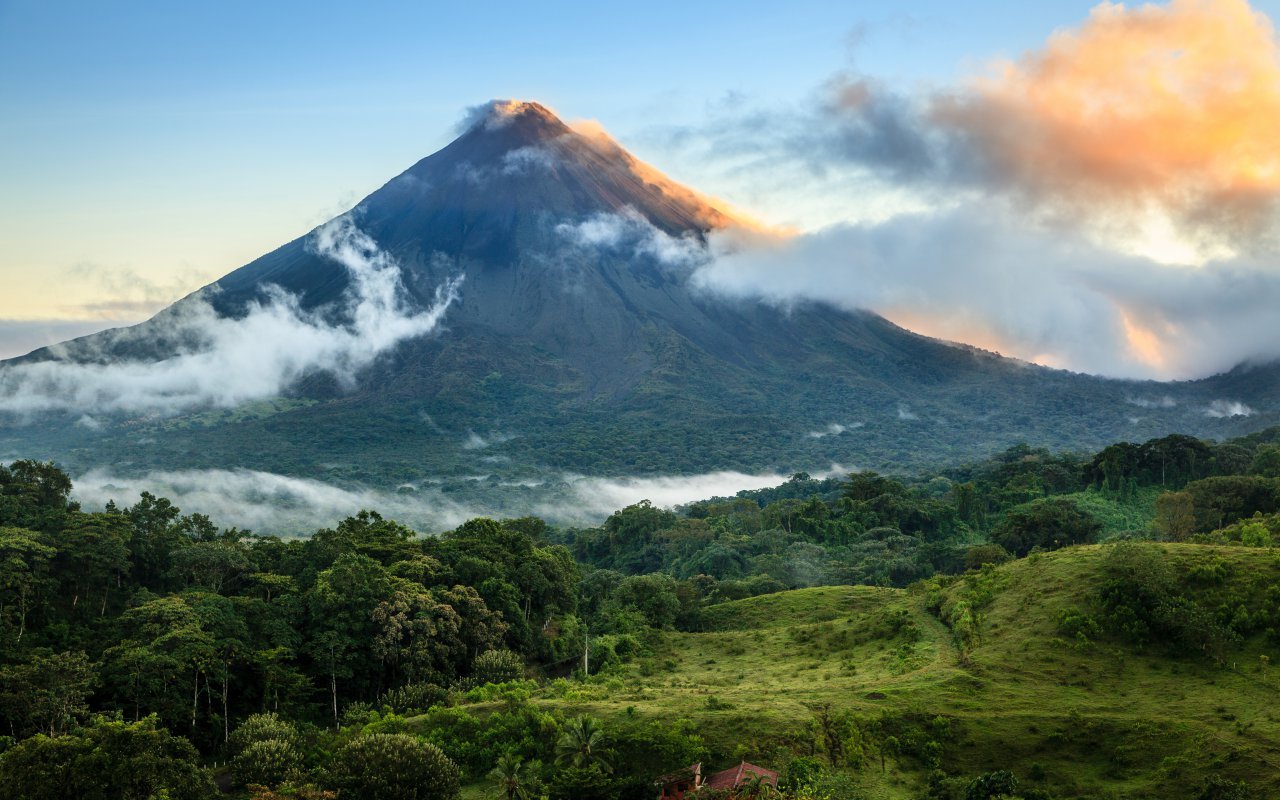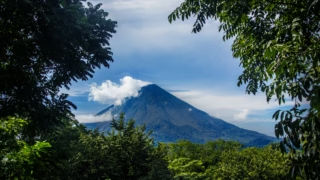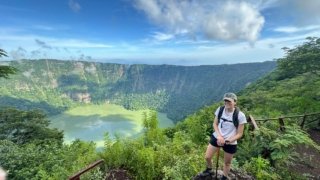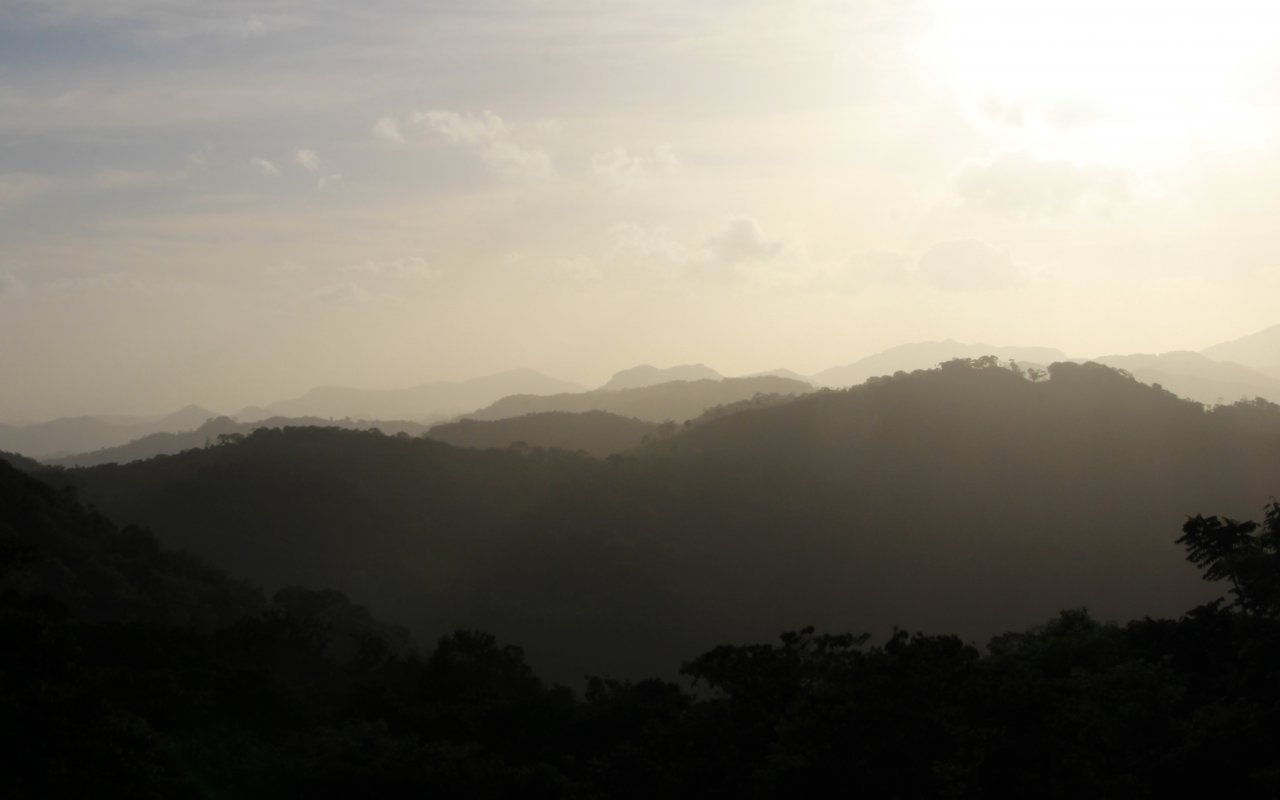
Known as “la ciudad de las brumas” (the city of mists), a rough and less poetic translation of the original, Jinotega is a municipality with a lot of trees, fresh air and many agricultural estates. You’ll come across many small rivers, and the region is temperate and fertile. Lake Apanas, with its hydroelectric power station, guarantees a glimpse of extraordinary landscapes.
Geography and climate
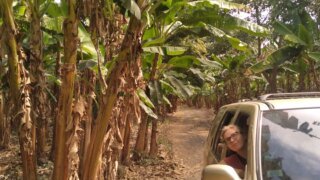
Like the city of Matagalpa, Jinotega is located in a rich, green area, as evidenced by its large coffee production. Its department is one of the largest in the country, very rural and home to many indigenous communities. Mountains and humid massifs make up the territory, and its climate is cool but dry, unlike the other regions of Nicaragua, which are much more tropical. Nature reserves, lakes and rivers abound, guaranteeing a fertile land: coffee and various vegetables are simply considered excellent. South of the high mountains, the town of Jinotega is the regional administrative center, the urban center is small and the proximity of Lake Apanas guarantees a certain freshness to the atmosphere. San Rafael del Norte, La Concordia and Yali are other important towns in the region, with cascades, waterfalls and caves, as well as the Yali volcano reserve. Jinotega, also known as the city of mists, has spectacular scenery and an altitude of 1,000 metres. The valley is surrounded by small mountains, and the little-known El Dorado lake has a hydroelectric power station that supplies the region.

Its history
The Jinotega valley was well and truly inhabited in pre-Columbian times, but the Spaniards arriving and colonizing the region in the 17th century quickly took control, and their presence pushed some indigenous groups towards extinction. A collection of art and some ancient artifacts is the only trace of the valley’s past, at the Wells Museum in Jinotega . Derived from the local Xioacahuilt dialect, Jinotega means “city of eternal men”, the first natives descended from the Sumos and Chontales, Caribicis of the Atlantic coast. The region was known as an agricultural hub, and the Spanish settlers saw acres of corn, beans and cocoa growing. Local clothing was also made from cotton and tree bark. The seat of the local capital was Jocomico, in the “coldest” part of the region, south of the Tejera valley. The beginning of the Spanish conquest brought about a real separation of communities, with the natives living to the north ending up quarrelling. Divide and conquer! Once again, the Spaniards were well aware of the economic potential of the town and its cool, green valley.
What to do in and around Jinotega
The tourist attractions of the Jinotega region are mainly those related to Nature, but you can also discover some wonders
- a visit to a black pottery workshop, a local specialty
- visit to the pre-Columbian Chagüitillo museum in Jinotega
- Cerro de la Cruz. From its summit, you’ll have a magnificent panoramic view of the valley and the town.
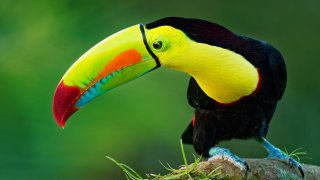
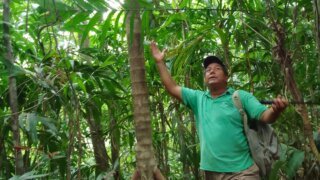
- Datanlí – El Diablo Nature Reserve, where you’ll stroll along trails through coffee plantations and forest to one of the reserve’s waterfalls, while observing the many birds.
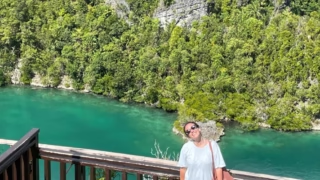
- Lake Apanás, 10 minutes from Jinotega, is Nicaragua’s first man-made lake. It is the country’s main supplier of hydroelectric power. You can observe the many birds and animals that inhabit the wooded area around the lake, or go horseback riding, fishing or kayaking on the lake.
- Laguna El Dorado, with its gentle waters and natural splendour, invites you to take a dip.


Plan your next trip to Nicaragua!