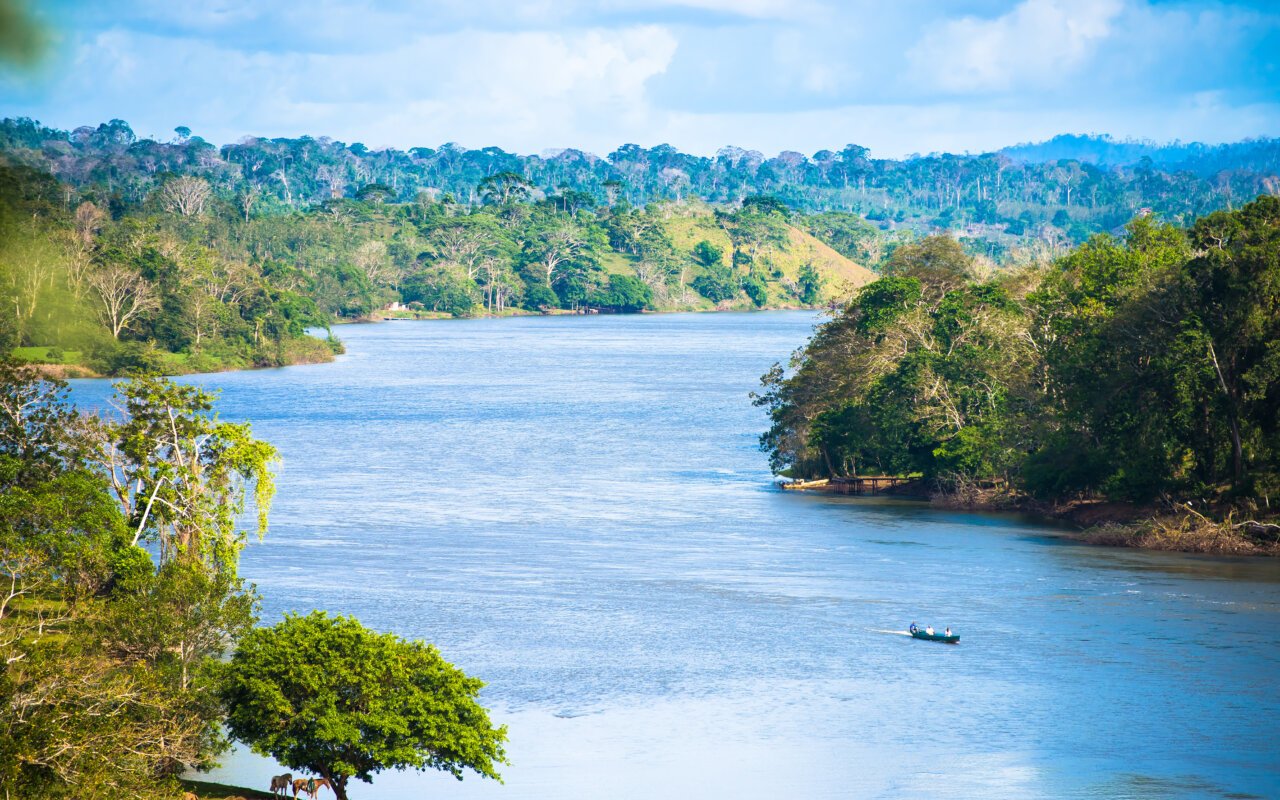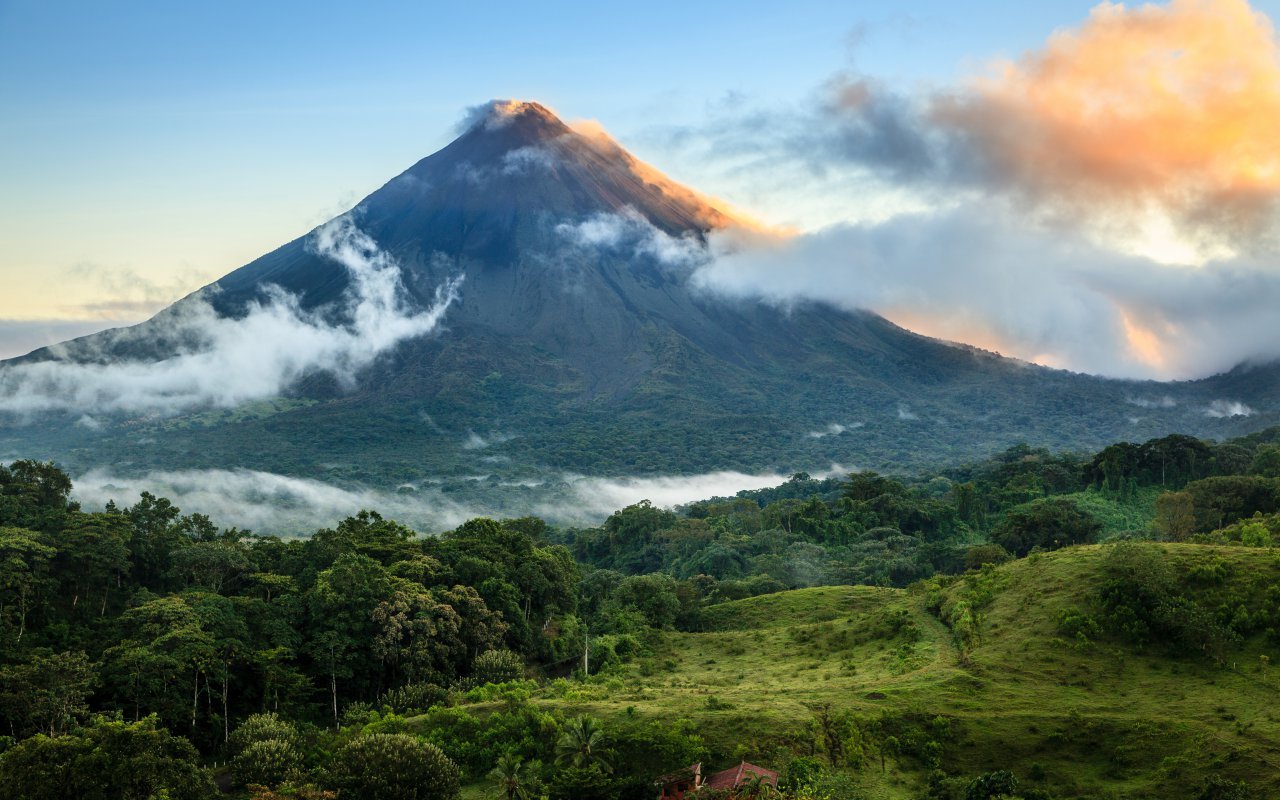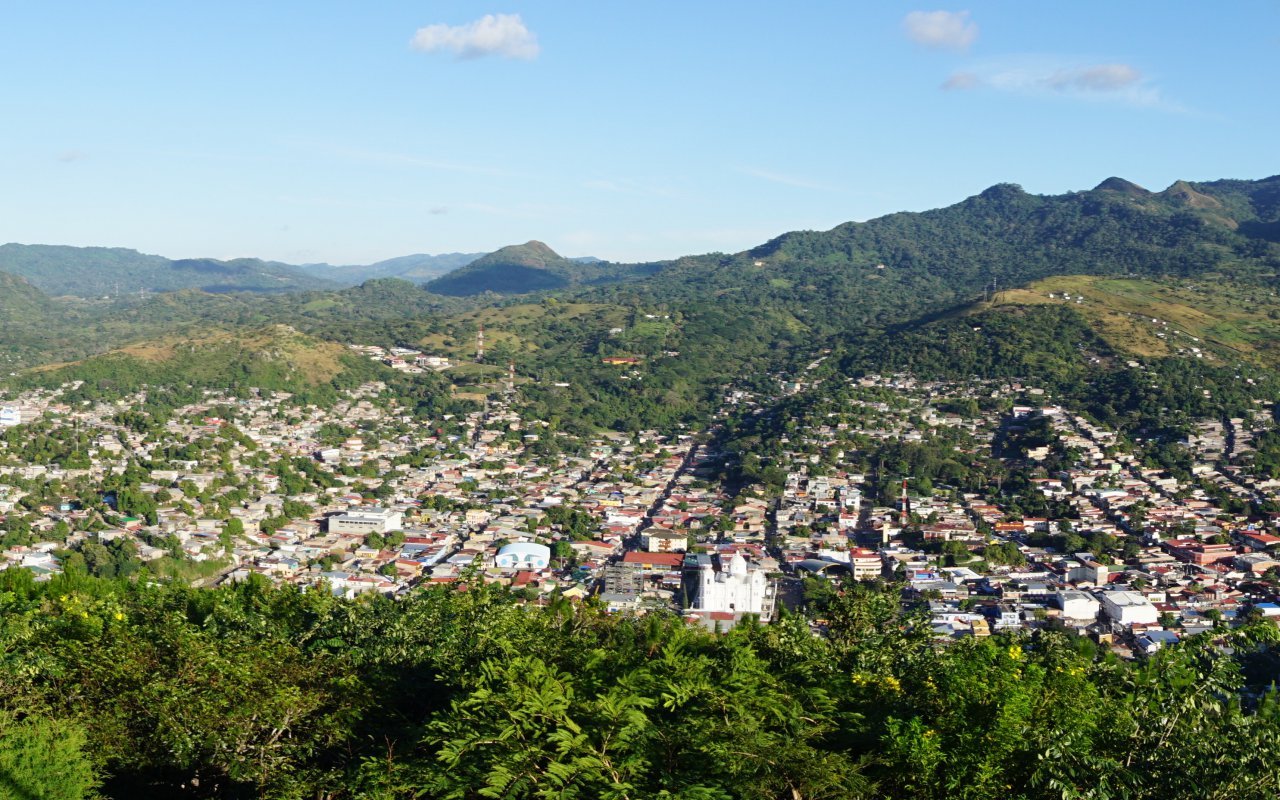
The Matagalpa region and its regional capital of the same name is known as the “Perla del Septentrión”. Not far from the city are the Cerro Apante nature reserve, the waterfalls of the Rio Santa Emilia, mountains and large pine forests. All this northern geography is, of course, home to some of the country’s finest coffee fincas.
Matagalpa, Perla del Septentrión and coffee culture
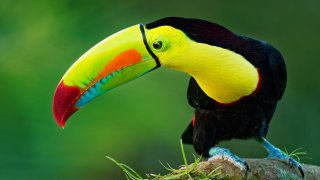
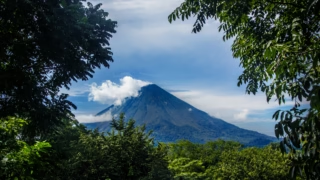
Located 128 km from the capital Managua, Matagalpa is surrounded by mountains. It’s a pleasant place to live and the air is fresh. The mountain range encircling the town is lush green and not very high – Cerro Buena Vista is barely 500 metres above sea level. Numerous paths and byways dot the surrounding area.The three main mountain ranges around Matagalpa – El Arenal, Cerro Apante and Cerro Frio – are classified as “protected areas”, and are now nature reserves. In these preserved areas, numerous species of flowers and animals have been planted, and the fauna and flora has exploded, with some species “mutating” to become unique and specific to the area.
Matagalpa is an economically attractive city, making it one of Nicaragua’s largest. It generates a diversity of cereals, vegetables, coffee, livestock, flowers… probably the country’s granary.


Wild avocado, papaya, tobacco or cinnamon, you can find it all in the markets of my region. The Spanish colonists made no mistake back then: the region’s agricultural potential was exploited and its natural resources are still used intensively today, and have been since colonial times.
Matagalpa history
The Ulua-Matagalpa tribes, peoples living in the region, gave their name to this green territory in northern Nicaragua. Until the 18th century, the town of Matagalpa was not as “well known” and populated; Sebaco was the most important city. Matagalpa was founded by the Spanish conquistadores in the midst of their conquest of the continent. By 1542, the Indians living in the city had organized themselves and enjoyed a kind of status, with special laws and a colonial “administrative” body responsible for running the municipality.
A commercial hub
In the end, northern Nicaragua was never really “dominated” by the colonizers until the 18th century. The Matagalpa region became a real hub in the north from 1868 onwards, with three major indigenous towns on its territory: Matagalpa (or pueblo grande), Solingalpa and Molaguina. With Matagalpa standing out from the crowd, the settlers were right once again. Returns from expeditions made to the King of Spain in the mid-18th century certainly mention the rugged, mountainous terrain, but above all insist on the freshness and fertility of the soil in the conquered territory. In the 19th century, the city was divided in two, with the upper and lower parts based on the river bank. An organized, Hispanic administration was soon in place, with a code of civil procedure, an approved civil code, a court of justice, a police force and several cavalry regiments stationed in the town. At the end of the 19th century, the lands of the indigenous communities were auctioned off, and Matagalpa re-entered the global economic arena.
A prosperous and wealthy city, despite the unjust expropriation and delayed development of certain infrastructures, Matagalpa remains a veritable economic and ecological lung, and its ancient and local history has yet to be explored.
What to do in and around Matagalpa
Matagalpa and the surrounding area offer many possibilities for excursions. Here are just a few of them
- visit to the coffee museum
- visit to the Carlos Fonseca Amador Museum, founder of the Sandinista movement
- visit the birthplace of national poet Ruben Dario
- swimming in the cool waterfalls of the Santa Emilia River
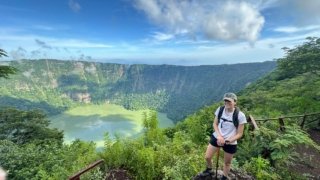
- hike in the Cerro Apante nature reserve
- visit to a coffee plantation
- visit and walk in the Selva Negra private reserve (see below)
- hike in theMacizos de Peñas Blancas nature reserve (see below)
Selva Negra private reserve
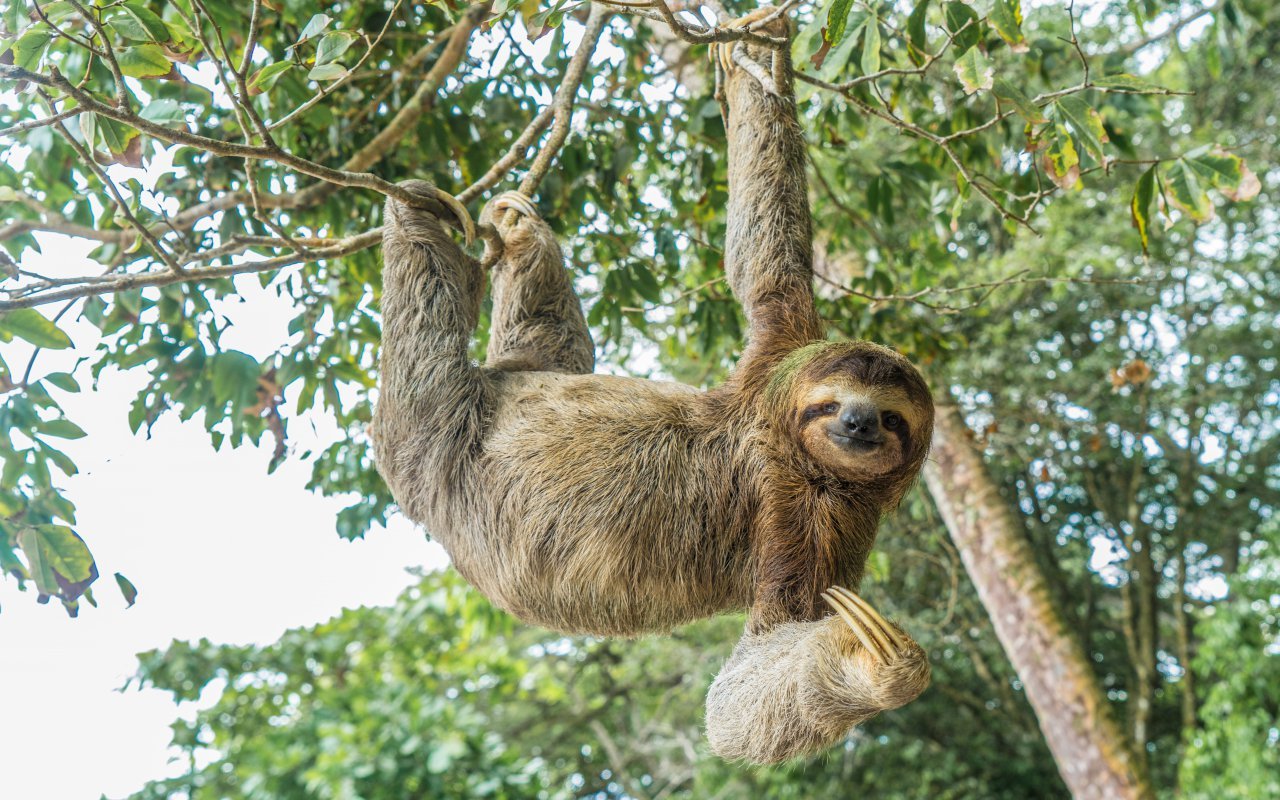
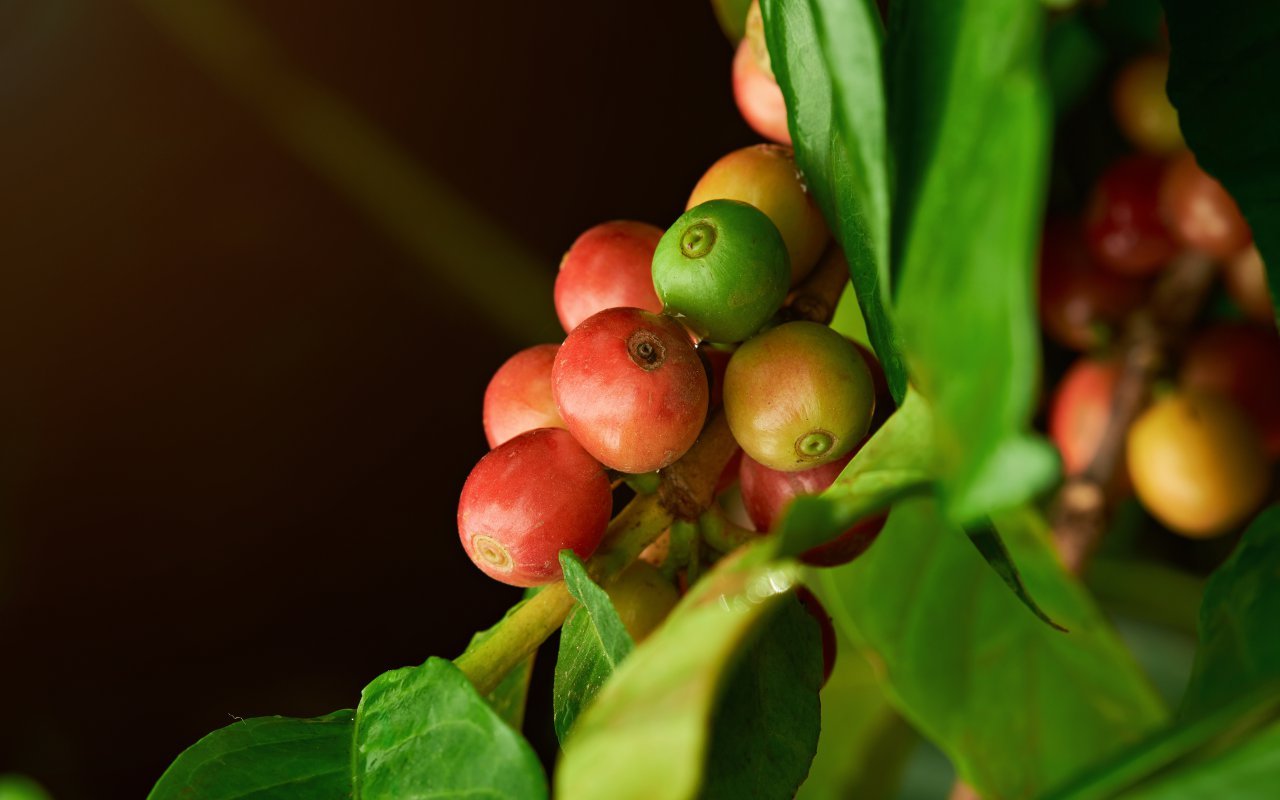
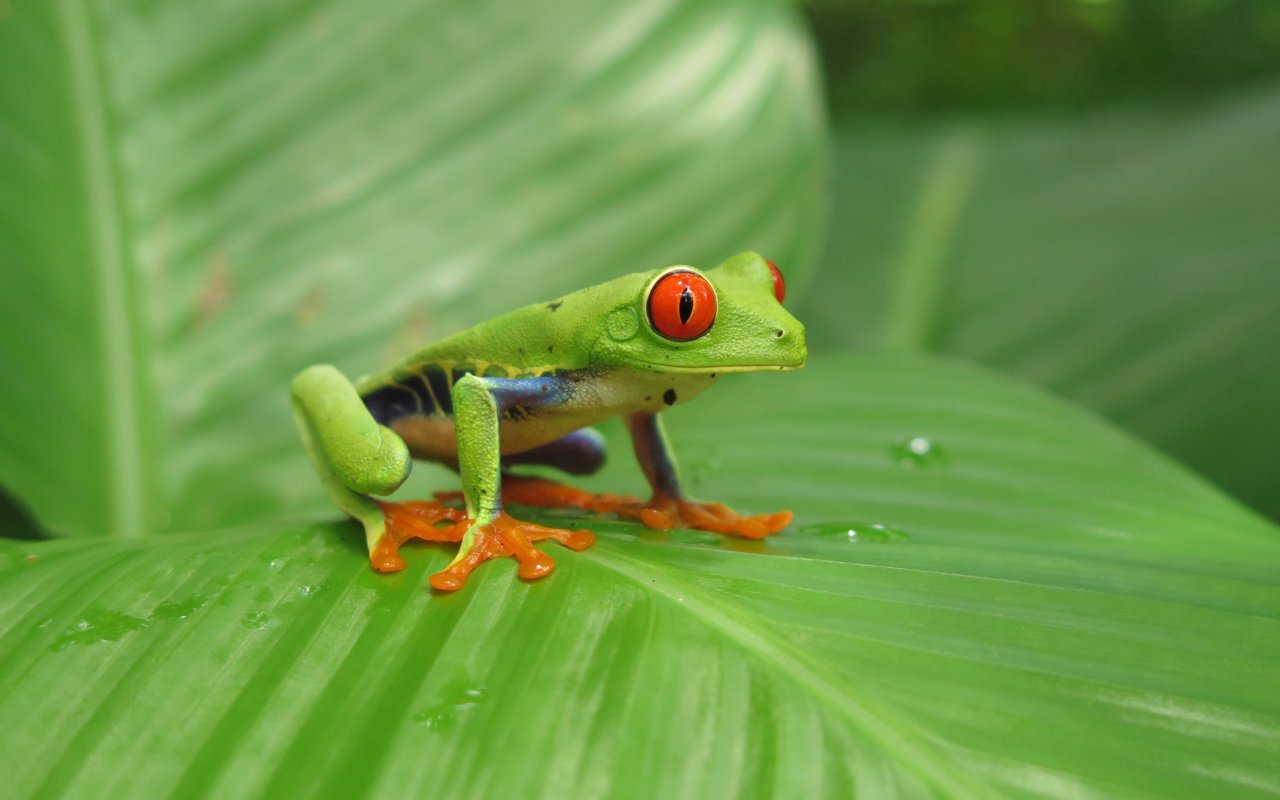
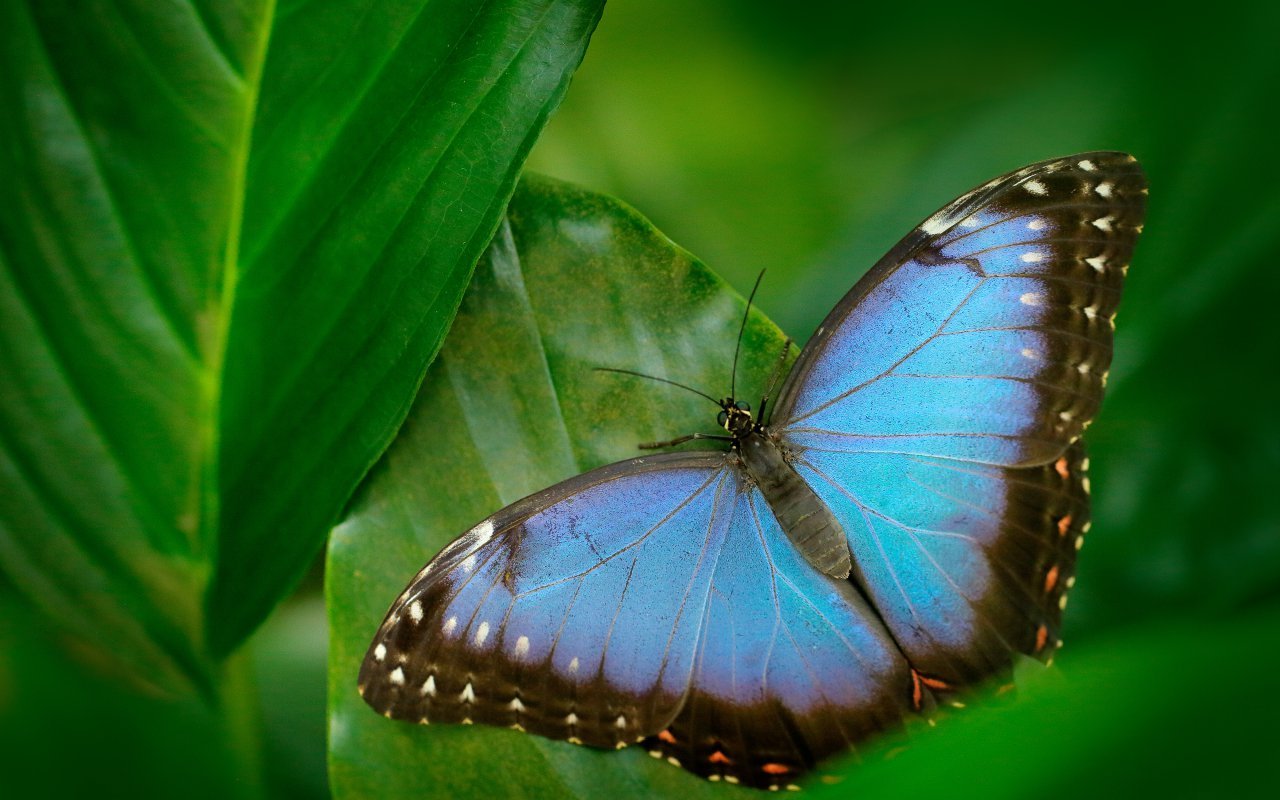
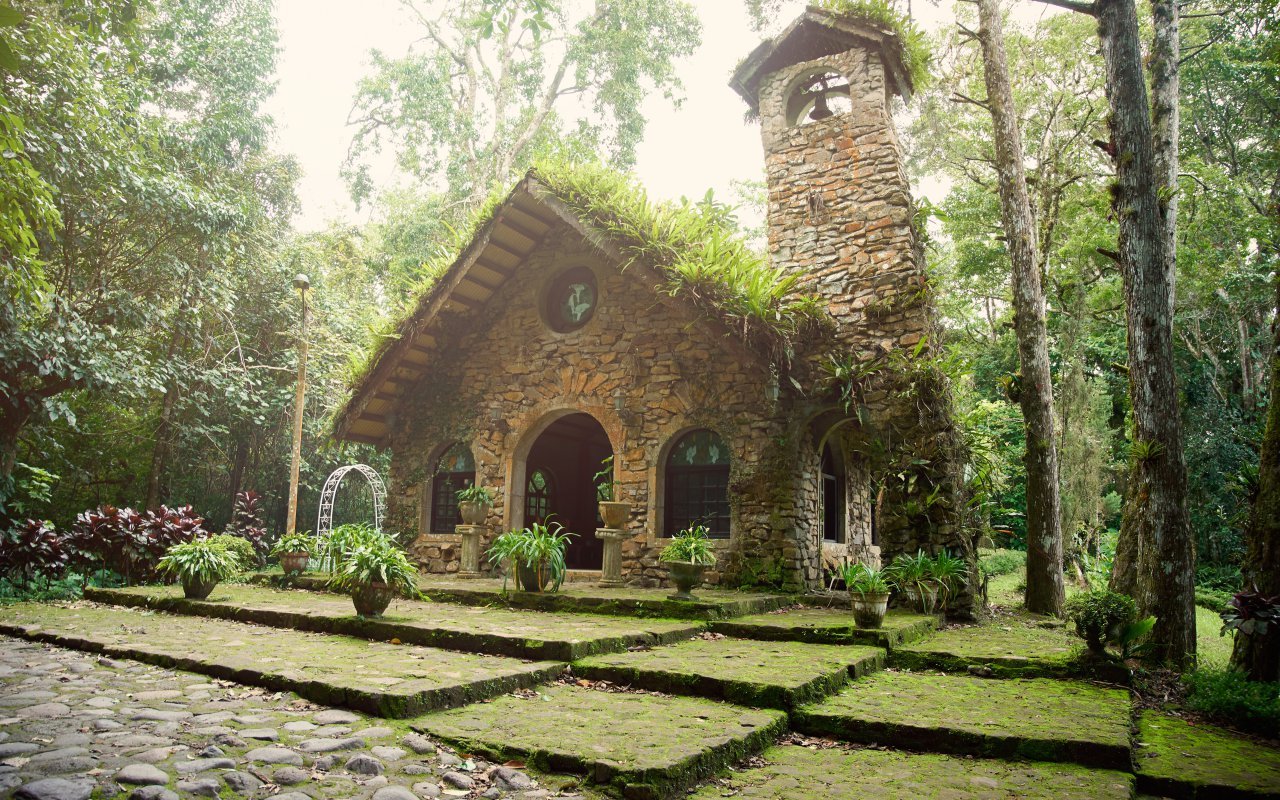
Situated in the high mountains of Matagalpa, amidst a vast coffee plantation andtropical forest, you’ll be seduced by the enchantment of the Selva Negra ! Privatized in 1975 by two German visionaries who converted this coffee finca into one of Nicaragua’s most renowned hotel offerings,you’ll find a cool climate, small lakes, exotic gardens, coffee plants and an almost incomparable contact with nature. You can explore this environment on foot or on horseback , encountering the local fauna, which includes over 200 species of birds, various mammals including howler monkeys easily spotted along the trails, reptiles and amphibians.The Selva Negra is frequented by a small number of national and foreign tourists, and is located just a few metres off the road to Jinotega. You won’t regret stopping here.
El Tuma - La Dalia
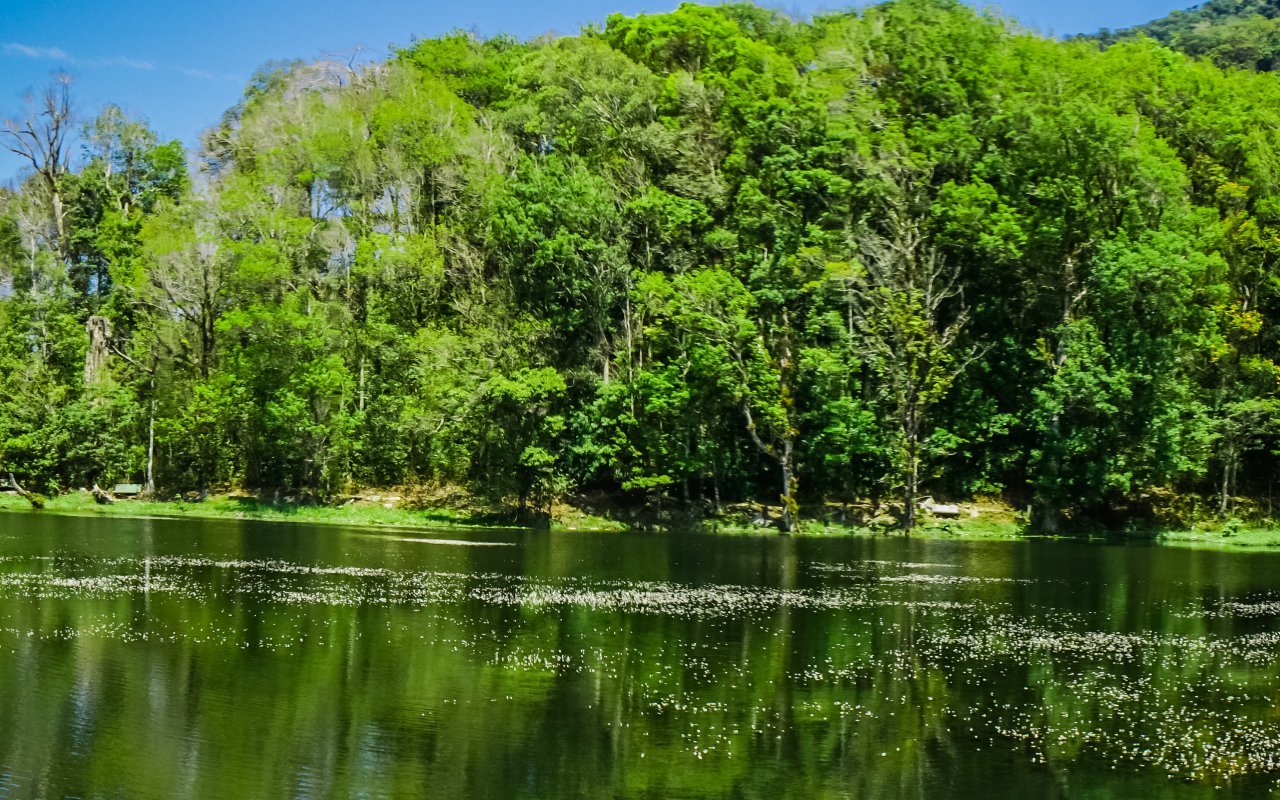
Crossed by the superb Dariense and Isabelia mountain ranges, El Tuma – La Dalia is indeed a cool, slightly elevated and mountainous place. You’ll pass through large coniferous forests and bosque de nubes.

The Rio Tuma generously feeds all the nearby coffee fincas. You need to have passed Matagalpa and want to get lost up there, to the north! A change of scenery is guaranteed. It’s a long way from anywhere, and the panorama is breathtaking after every turn. Everything is green!!!!
Macizos de Peñas Blancas Nature Reserve
The Macizos de Peñas Blancas Nature Reserve is part of the Bosawas Biosphere Reserve in the north-central region of the country, between the departments of Matagalpa and Jinotega. The highest point of the Peñas Blancas Massif is 1,745 meters above sea level, one of the highest in the country.The nature reserve is characterized by a tropical rainforest permanently shrouded in fog. A wide range of hiking trails allow you to discover the different ecosystems of this little-known reserve. You’ll be able to see magnificent waterfalls and numerous animals typical of the region.

Plan your next trip to Nicaragua!