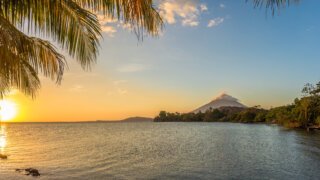
A few dozen kilometers south of beautiful Granada lies the Zapatera archipelago, right in the middle of the water . No particular nod to Zapata or other famous faces of the region, but one of Nicaragua’s great archaeological surprises. It was a religious center long before Columbus and his friends landed on the New World. The Island of the Dead, the Village of the Ducks and the Houses with Nets are all nicknames for localities on the Isla Zapatera. Lovers of local stories and legends, welcome!
Volcanoes and geography of Isla Zapatera
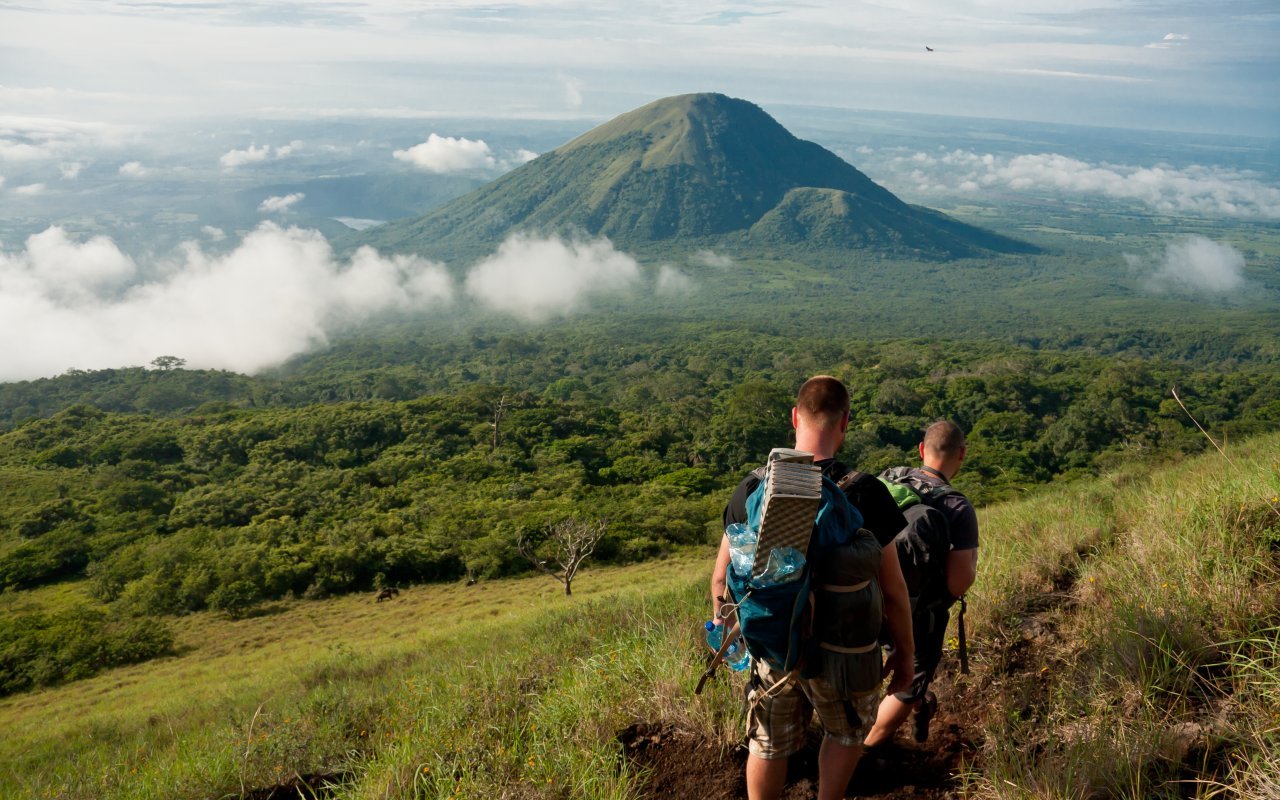
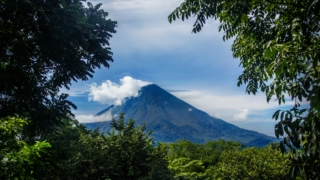
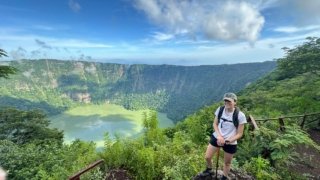
The 629-metre-high dormant Zapatera volcano forms the island of the same name. Zapatera, with a surface area of 52 km2, is the second largest island in Lake Nicaragua afterOmetepe. Situated not far from the mainland, its closest point being 1 km away, it belongs to the volcanic chain that crosses the country from north to south.
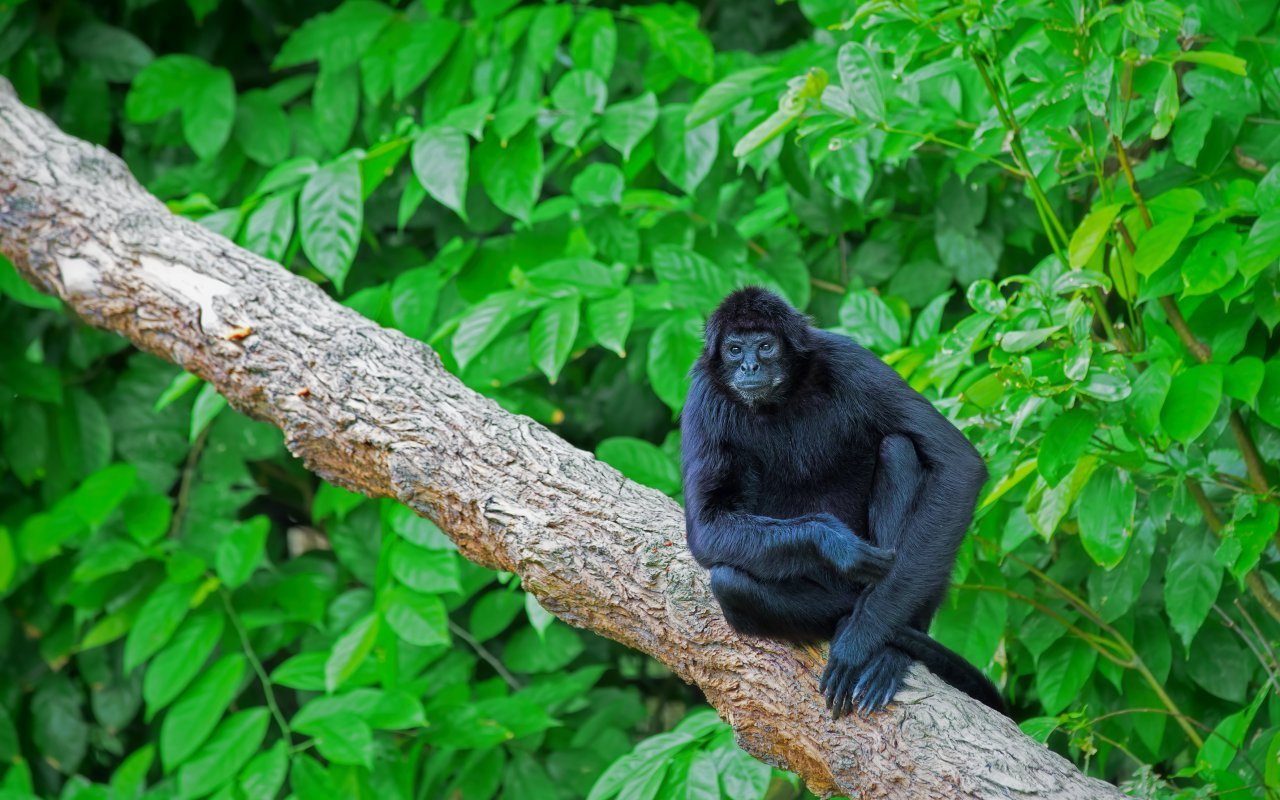
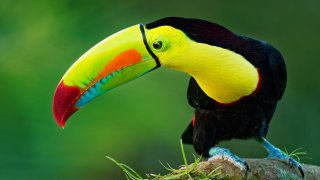
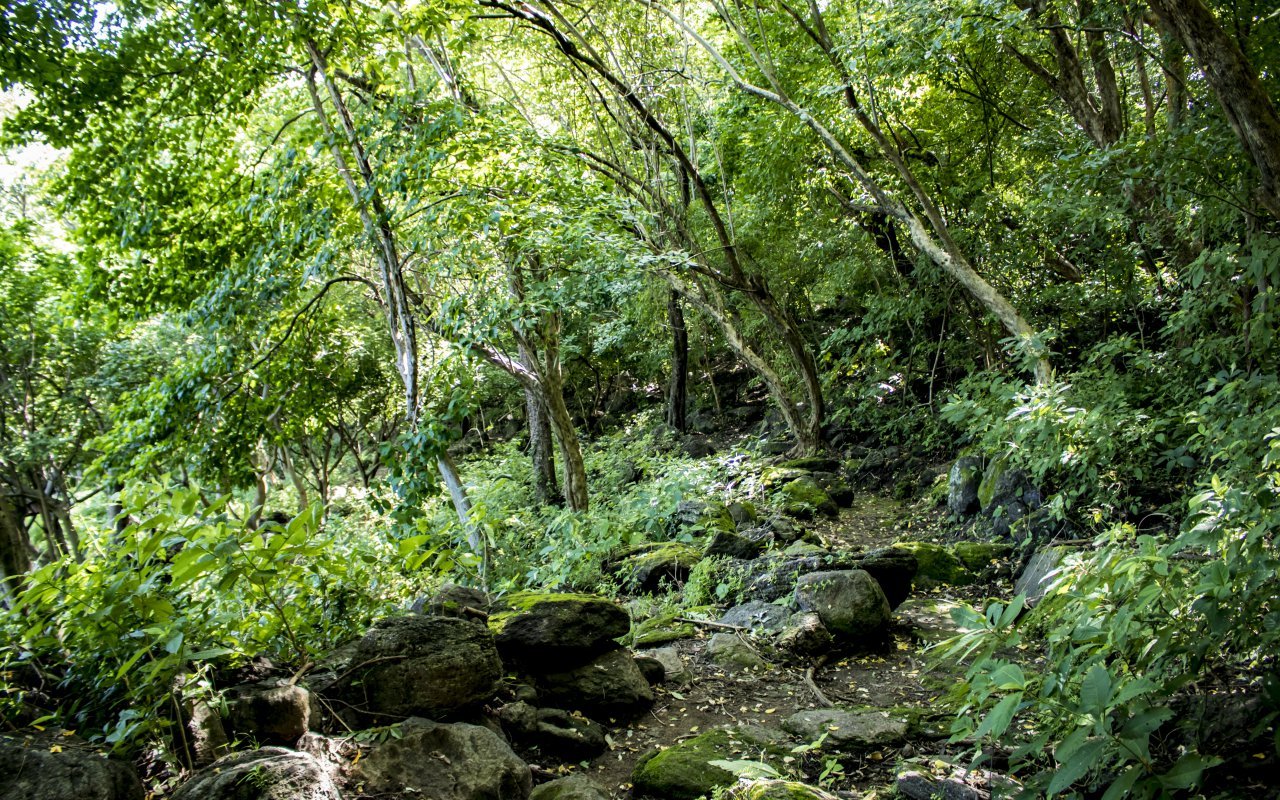
The Zapatera archipelago, comprising the island of Zapatera and 10 neighbouring islets of varying sizes, the main ones being Isla del Muerto, Jesús Grandes, El Plátano and El Armado, was declared a national park in the early 1980s . The ancient cone of the Zapatera volcano is surrounded by hills and valleys covered by dense, dry tropical forests. Despite agricultural exploitation and illegal extraction of precious wood, the island remains very green thanks to its abundant vegetation, which supports a wealth of wildlife, in addition to animpressive collection of pre-Columbian statues, ceramics and petroglyphs. You’ll come across many birds (toucans, parrots, kingfishers, falcons) and mammals (ocelots, jaguars, armadillos, deer).


History and cultural heritage of the archipelago
The local archaeological wealth will satisfy both professional and budding explorers. Pre-Columbian studies of Zapatera Island are rare, and excavations have been too irregular due to the country’s historical and economic contexts. Statues, petroglyphs and ceramics have been discovered in very large numbers all over the island and its surroundings. It wasn’t until the middle of the 19th century that the island’s archaeological potential was published.

A little later, strongly inspired by the first publications on Zapatera, the European explorer Bovallius discovered some twenty statues to the north-east of the island and numerous petroglyphs on one of Zapatera’s satellite islets.
During Nicaragua’s dark years, scientific exploration of the archipelago was clearly abandoned. In the early ’80s, small-scale research was undertaken locally, which brought to light certain petroglyphs and ceramics . In the end, the lack of research carried out and the international community’s lack of interest in Nicaragua meant that the real function of Zapatera Island could not yet be identified. Was it a place of worship? Of sacrifice? What legacy did the island leave to the indigenous communities? Unfortunately, the island’s archaeological treasure trove has been plundered many times over. Many statues have been taken, moved and ended up with private collectors. However, some can still be seen at the Convento San Francisco museum in Granada, or as ornaments on some state buildings.

What to see and do in the Zapatera archipelago?
The remoteness of this volcanic island and the limited tourist infrastructure guarantee travelers a unique experience as they meet the families living on the island and enjoy the following activities:
- a walk to discover the island’sarchaeology
- a walk in the forests to observe the flora and fauna

- fishing in the calm waters of the lake
- a sailboat trip
- a kayak tour
- magnificent sunsets over the lake
How to get there
There is as yet no public transport to Zapatera Island. Only private transport organized from Granada or via one of the island’s hotels will get you there.

Prepare your stay in Nicaragua!