A traveler’s favorites in Nicaragua
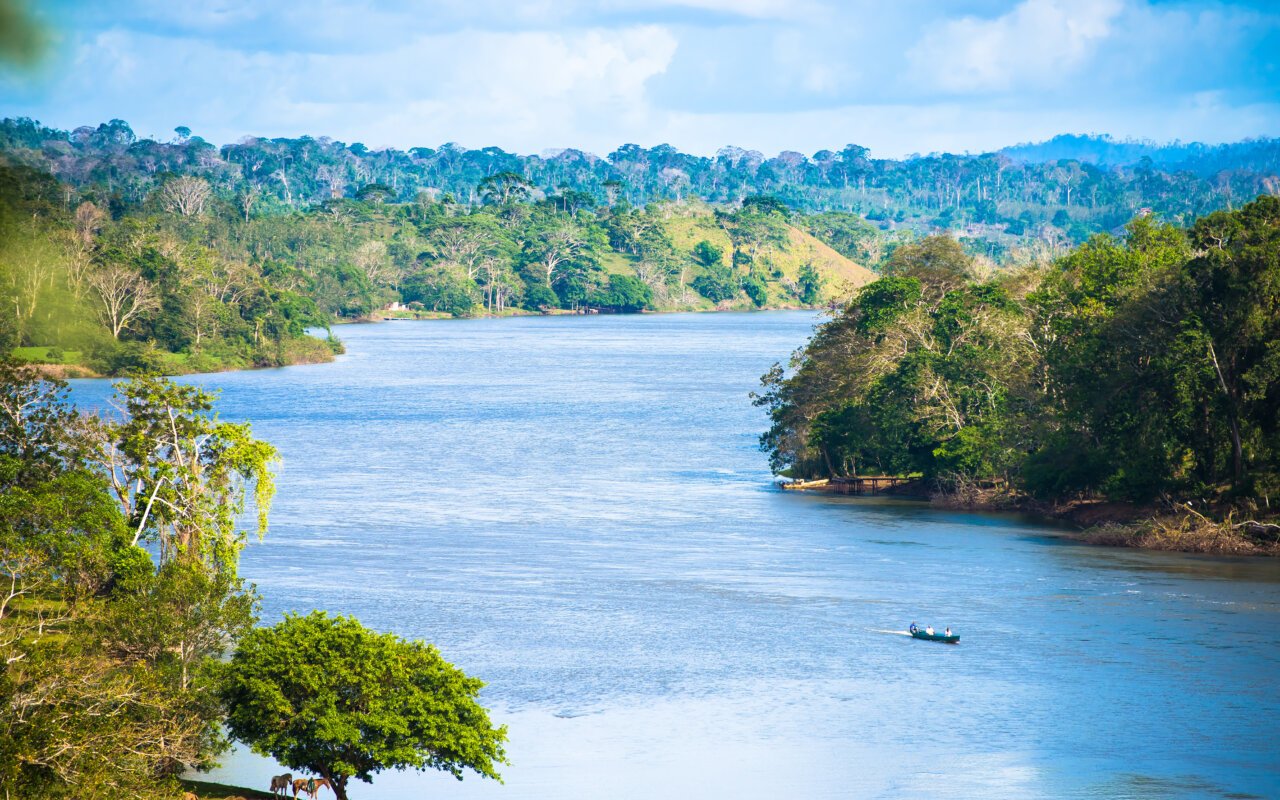
Nicaragua, still a little-known tourist destination for some in 2025, is today a must for those who want to travel far from mass tourism and in a more authentic way in Central America. The country, with its large inland lakes, its still active volcanoes and its unspoilt Caribbean coast, is best visited by taking your time. Here, itineraries are far removed from the major tourist flows. You’ll pass through tropical forests, isolated villages and colonial towns, and adapt to the local rhythm
What to do in Nicaragua?
But what can you do in Nicaragua if you’re a tourist? What are the must-see sites in Nicaragua? Here’s a short guide to our favorites in the land of lakes and volcanoes, and a non-exhaustive list of our favorite things to do in Nicaragua.
Toboggan down the Cerro Negro volcano
It’s hard to miss this activity when you’re in León, in the north of the country. This colonial city and former capital of the revolution is literally surrounded by volcanoes. One of them has a certain reputation and is a real success: Cerro Negro. Located not far from the city’s outskirts, it takes just over an hour to reach its summit. It’s a young, black volcano, with a grandiose view over the Maribios range. The climb is easy, and equipment for the descent is provided at the bottom. And here you are, close to one of Nicaragua’s greatest entertainments: sledding down a steep slope of the volcano. Rest assured, the speed is entirely up to you, and it’s easy to stay in control. Sensations guaranteed.

Visit León and enjoy the view from the roof of its cathedral
Central America’s largest cathedral, the Basilica de la Asunción was built in the mid-18th century, and is defined by a true Baroque style and its color, white! It’s both dazzling and superb. Unesco tries to finance its renovation on a regular basis in order to safeguard this historic building. It’s still a place of worship used by the city’s inhabitants, of course, but it’s also the burial place of the national poet, Ruben Dario. Step inside the cathedral, enjoy its cool, respectful atmosphere and observe the many details of its construction. Then go up to the roof – it’s white and immaculate, and the view is worth the detour. It’s a must-see if you’re strolling through the center of Leon.

Relaxation at the Apoyo lagoon
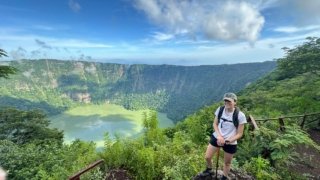
Located between Granada and Masaya, the Apoyo lagoon is a little wonder to behold. It’s a crater lake offering visitors warm, fresh water. The setting is incredible, and the few lodgings and shops on part of the lake offer travelers a real choice. The lagoon is surrounded by a dense green forest, where you can hear the signs in the morning. Chill out in a hammock facing the lake or take a kayak out on it – it’s a guaranteed change of scenery.


Surfing and visiting San Juan del Sur
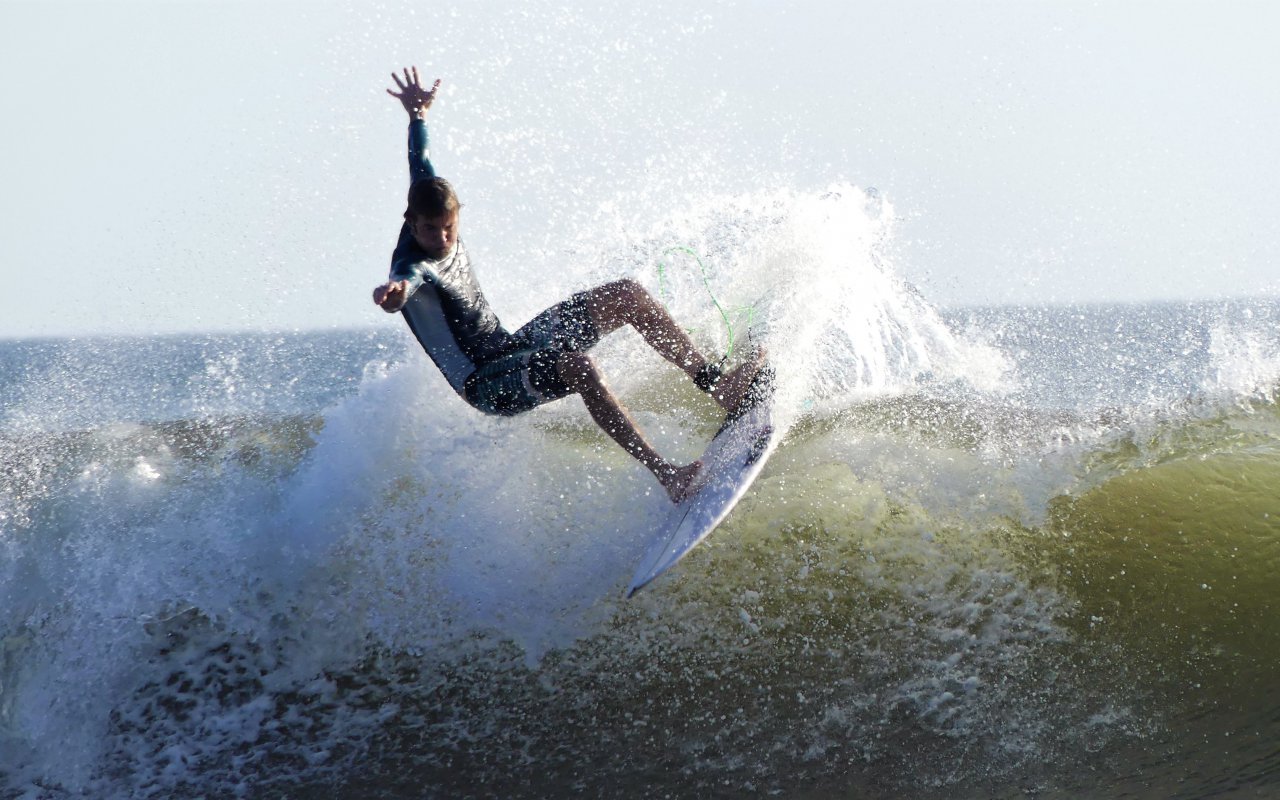
San Juan del sur is considered a must for surfers, but it’s also a nice little town to visit. Once a fishing village, San Juan del Sur is now a dynamic tourist destination, with a wide range of restaurants and accommodation on offer. There are also many wild, unpopulated beaches in the vicinity. There’s a popular little hike not far from the village center, up to the statue of Christ overlooking the bay. Just walk along the beach and up the stairs, the walk is easy and accessible, and the view from the statue’s mirador is simply incredible at the end of the day.

Visit the inevitable island of Ometepe
Ometepe is a huge island on Lake Nicaragua, reached by ferry from the port of San Jorge, not far from Rivas, on the road south. It’s a must-see in Nicaragua, as it’s truly another country to visit. The island’s two volcanoes are ideal playgrounds for hikers, while the numerous mangrove swamps offer kayaking and birdwatching opportunities for nature lovers. Cycling around the island is also an option, with stops at the Charco Verde nature reserve and bathing at the waterfalls or Ojo de Agua. Time has stood still on Ometepe, and the people here are smiling and welcoming. This island is sure to have some surprises in store for you.
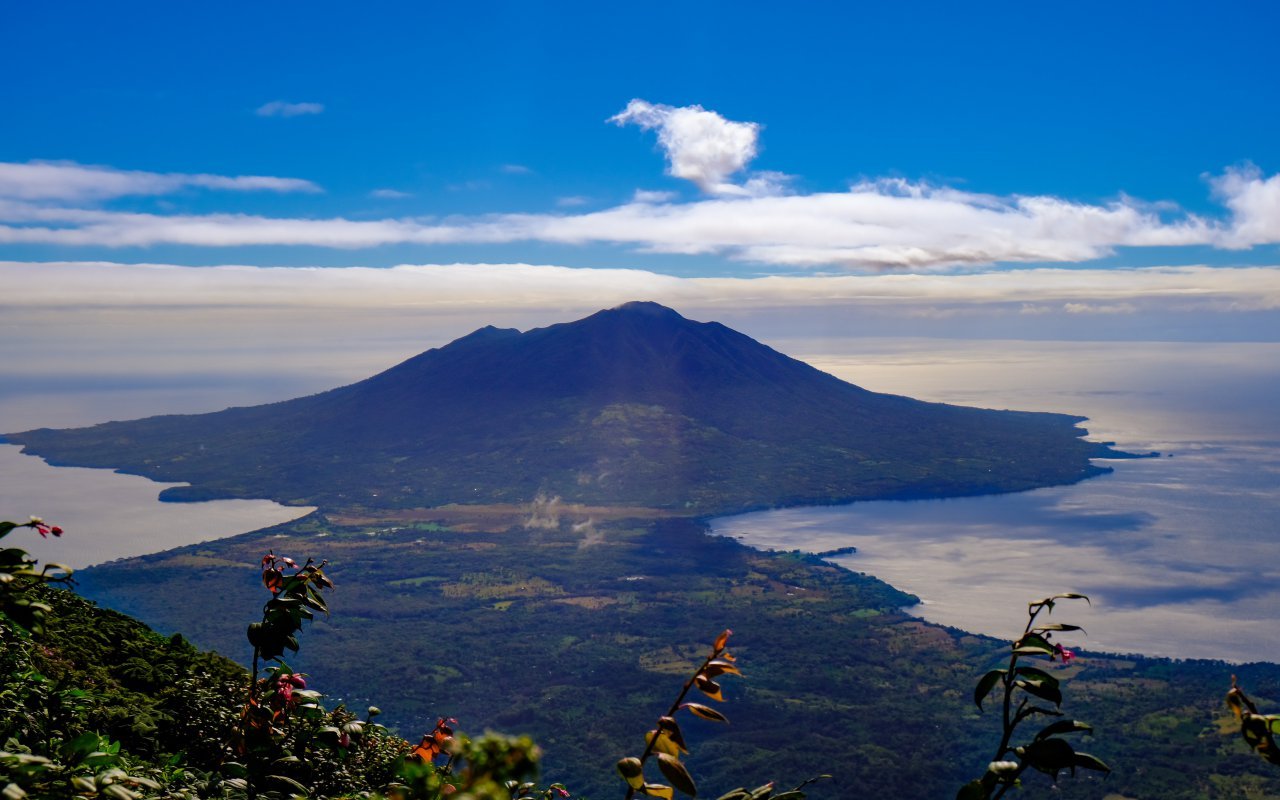
Survey the Mombacho volcano
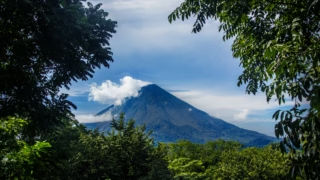
There are many volcanoes to explore in Nicaragua, all more or less accessible. But one in particular that always makes an impression is Volcan Mombacho. It’s impressive because you really get the impression that it watches over and overlooks the town of Granada. The volcano rises to 1,400 metres, and its natural park is a real invitation to hike in the forest. The trails are signposted and there are several levels to choose from. Some of the viewpoints and panoramas along the way offer incredible views of Granada, the lake and its isletas. On the way back, you’ll find a number of coffee and cocoa farms, a necessary stop for the curious.

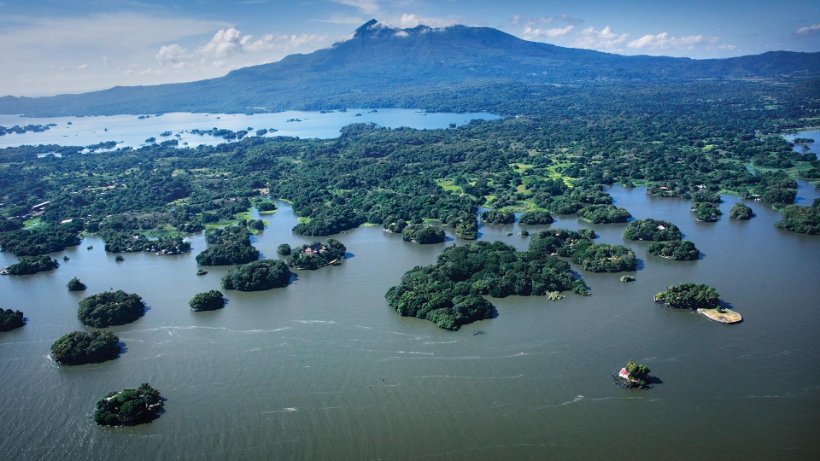
Sailing around the isletas of Granada
It’s a well-known fact that the people of Granada are very fond of strolling along the lake, but above all of sailing around the islands. An archipelago of islands is easily accessible from Granada by lancha, a small local boat. The tour is also a must. You’ll come across many fishermen and some of the islanders who go back and forth to the mainland for supplies. It’s another world all over again.
Visit Granada, the great sultana
Strolling the streets of this historic city is a real pleasure. The colonial architecture, the cobbled streets and the beautiful, colorful, well-renewed houses are well worth the detour. There’s also a pedestrian shopping street, where a host of bars and restaurants will give you a taste of the city’s ambience.

Best of all: the famous Corn Islands
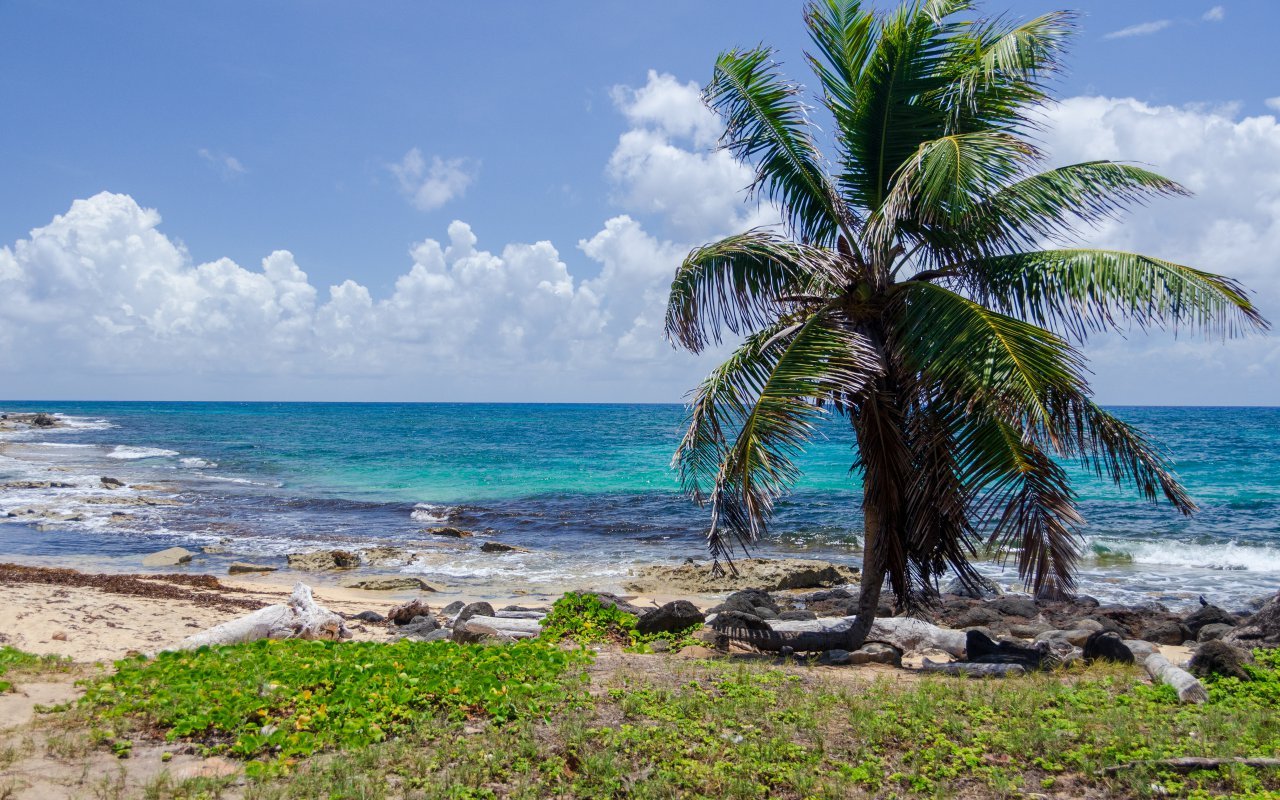
The Corn Islands, or “Islas de Maiz”, are a must-see off the Nicaraguan Caribbean coast. They are two small islands, one large and one small, lost in the Caribbean, where Creole is spoken, the waters are turquoise and life is good. On the smaller island, there isn’t even a car, nor electricity. The feeling of being lost and cut off from the world is real. It’s a real experience, a heavenly place. Lovers of diving, fresh fish and fine sandy beaches will be delighted.
Why use a local tourist agency to visit Nicaragua?
Geographical context and diversity
Nicaragua’s geography is diverse: active volcanoes, immense lakes, tropical forests, isolated beaches on two coasts. Infrastructure, though functional in the major tourist areas (Granada, León, San Juan del Sur), remains limited in more rural or remote regions such as the Solentiname Islands or the Mosquito Coast. Organizing a trip to Nicaragua from abroad can quickly become complex. Online booking systems are still partial, e-mail responses are often slow or non-existent, and it’s not always easy to identify reliable service providers from a distance. A local agency makes the whole process easier: it books directly with trusted partners, checks the actual availability of services, and guarantees the quality of accommodation, transport and guides. On site, unforeseen events are frequent: ferry delays on Lake Nicaragua, weather changes in volcanic areas, or inaccessible roads after rain. An agency anticipates these hazards thanks to its in-depth knowledge of the terrain and its logistical, social and climatic aspects. It quickly adapts itineraries and mobilizes a responsive network. Finally, traveling with an agency means taking advantage of this stress-free expertise. They know what can happen, they know the customs and rhythms of the country, and they offer a secure framework. The traveler remains focused on discovery, with the peace of mind of knowing that every step has been thought out, tested and supervised by professionals with local roots
Supervised cultural immersion
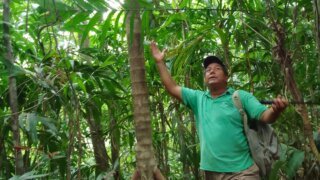
Nicaragua has a rich cultural heritage: Spanish colonial heritage, indigenous traditions, Afro-Caribbean influence on the Atlantic coast. An agency facilitates encounters with trained local guides from partner communities, enabling respectful, contextualized immersion. For example, a visit to León takes on a whole new meaning with a guide explaining the city’s role in the Sandinista revolution.
Safety and personalization
While Nicaragua remains safe overall, certain areas require vigilance depending on the season. An agency knows the local context and the periods to be avoided (rainy season in the Caribbean…), and adapts the itinerary. They also offer tailor-made tours based on areas of interest (volcanoes, handicrafts, ecotourism, etc.).