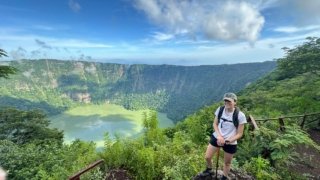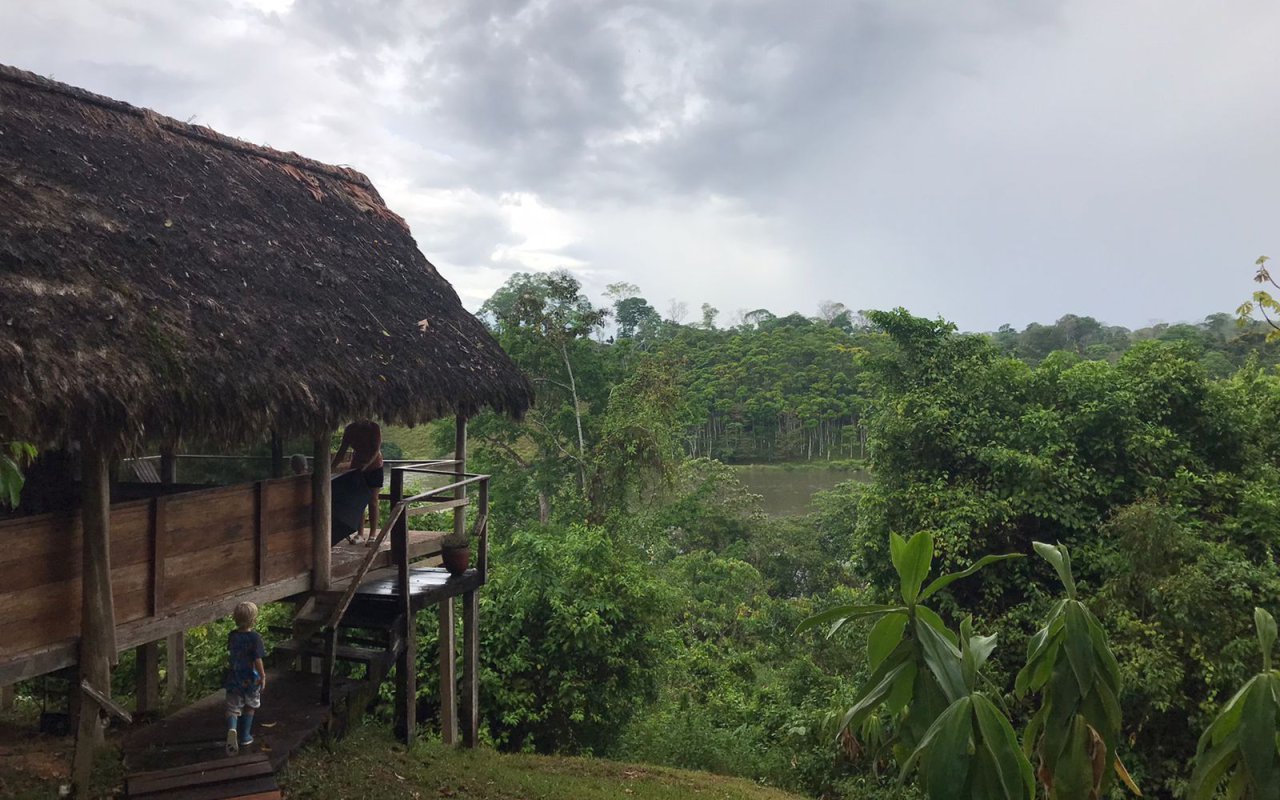
Rediscovering the Rio San Juan and the Solentiname Islands
The rio San Juan and the lush nature of this river and waterway make it a truly attractive destination. Many areas of the rio connect with Lake Nicaragua, Cocibolca, and the Caribbean… Incredible tropical flora and fauna line the rio San Juan. Some chapters of the incredible history of the New World were written here, between piracy and forts defended by locals who became national heroes.
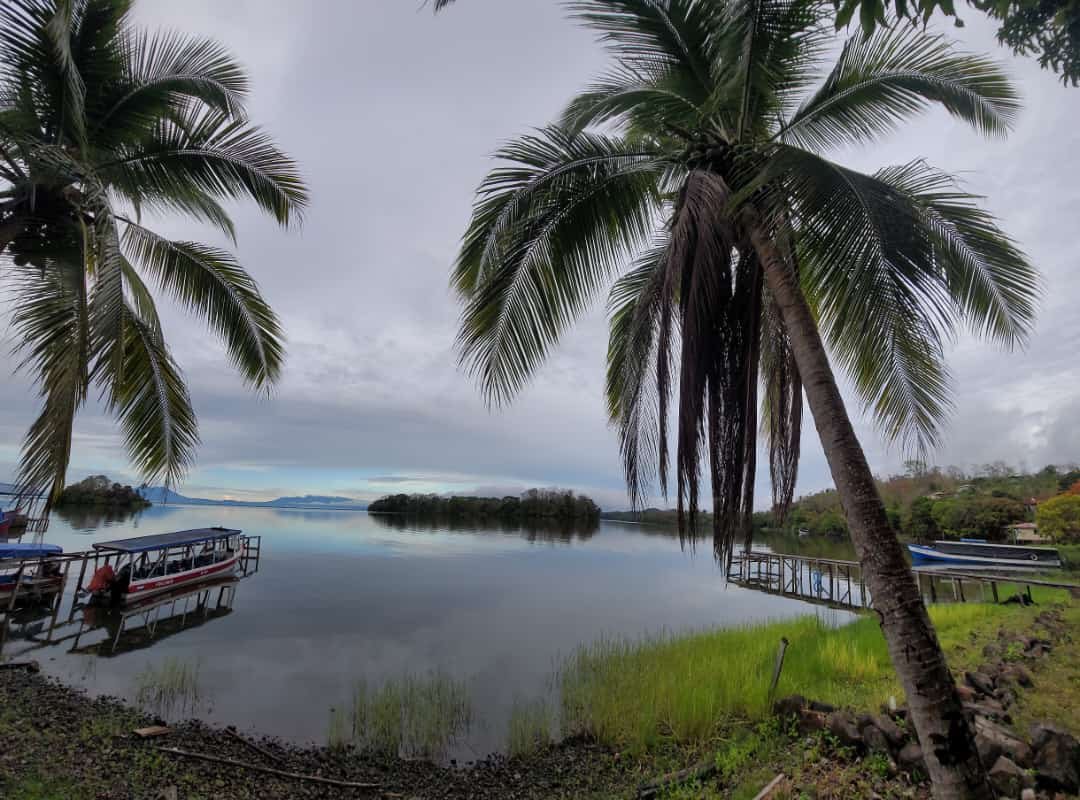
We’d been thinking for some time that it was time to visit our partners in this region, in the most remote part of Nicaragua. Getting there may sound like an old-fashioned exploratory mission, but the agency’s usual logistics and transport organization made things much simpler. Leaving Managua, we headed for San Carlos, a fairly easy 5-hour drive taking us around the lake and towards the port. We were now approaching the border with Costa Rica. The Rio San Juan is one of the natural boundaries between the two territories. After a cup of coffee and a typical breakfast, we board an “express” lancha, a small maritime bus used almost daily by the natives and locals of the area. After two hours on the river, we can appreciate the green, unpopulated shores. Nature is all-powerful here, with an air of Amazonia or Pocahontas.
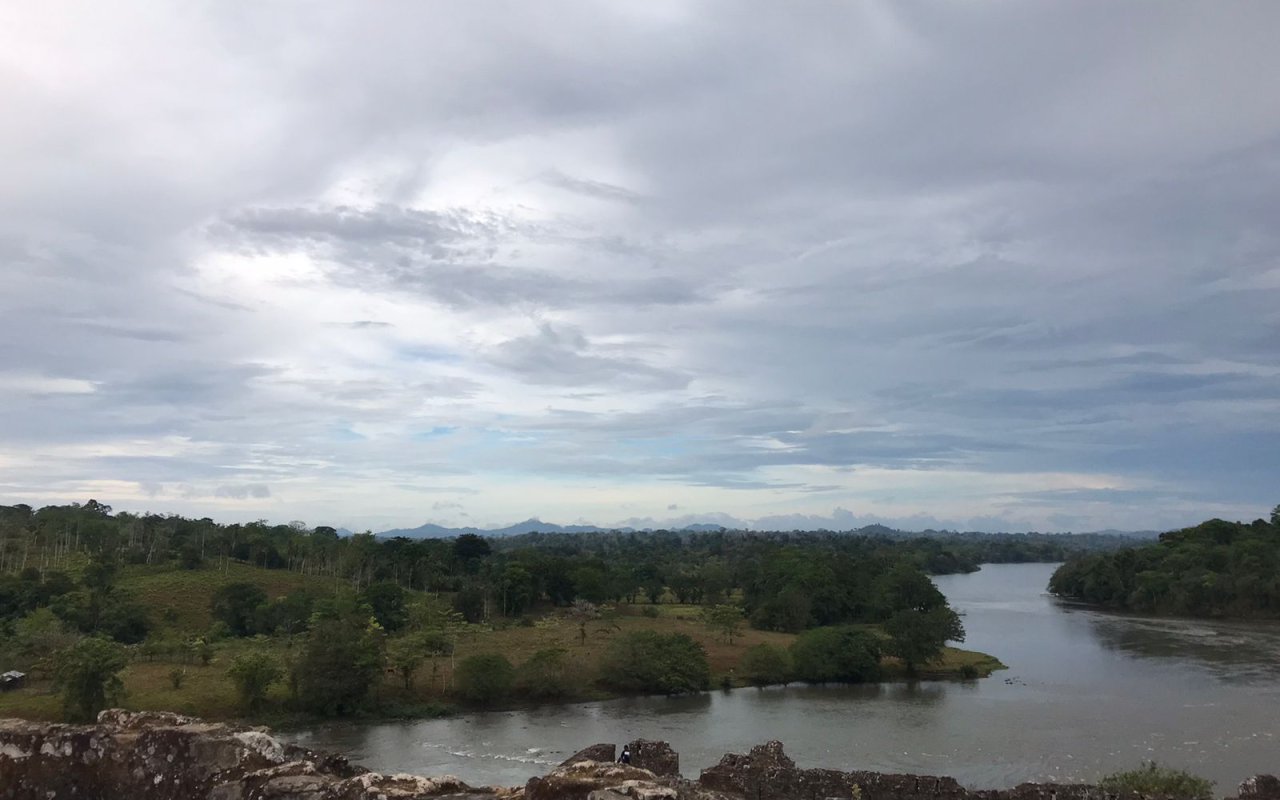
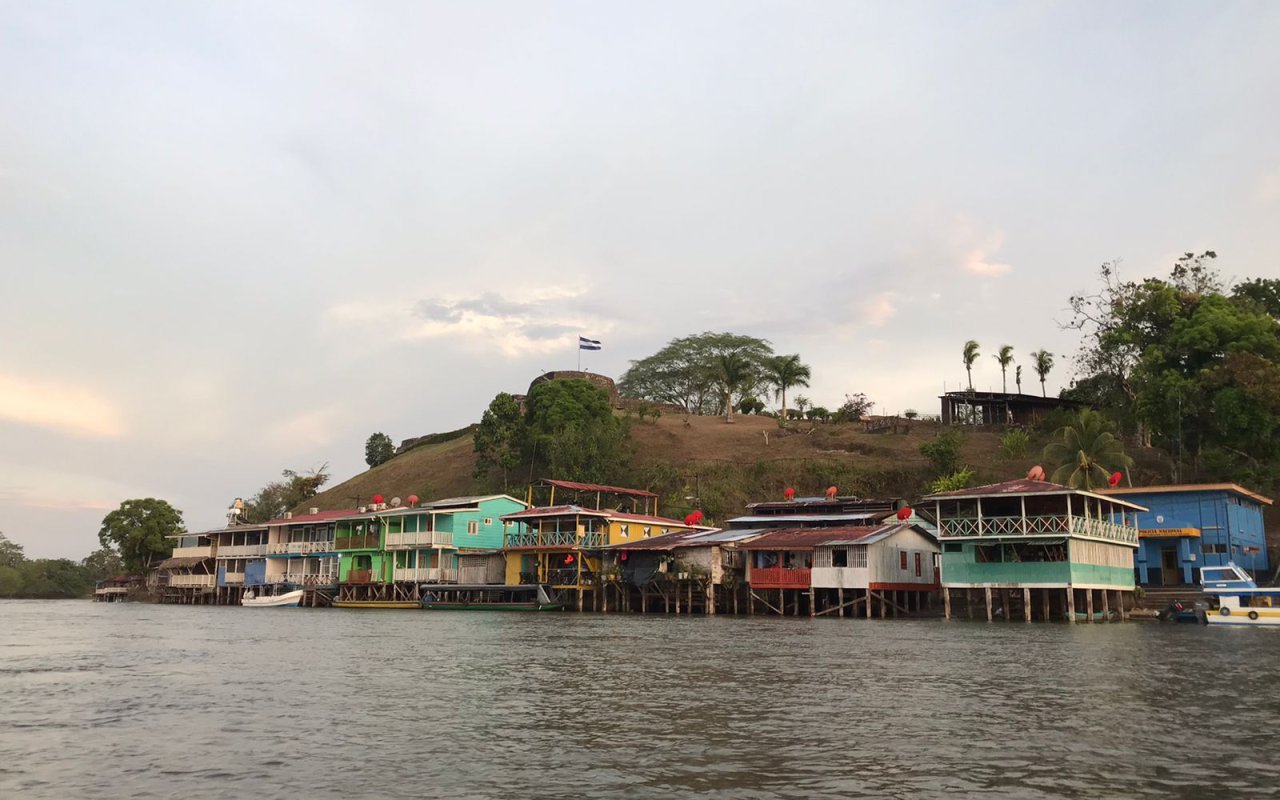
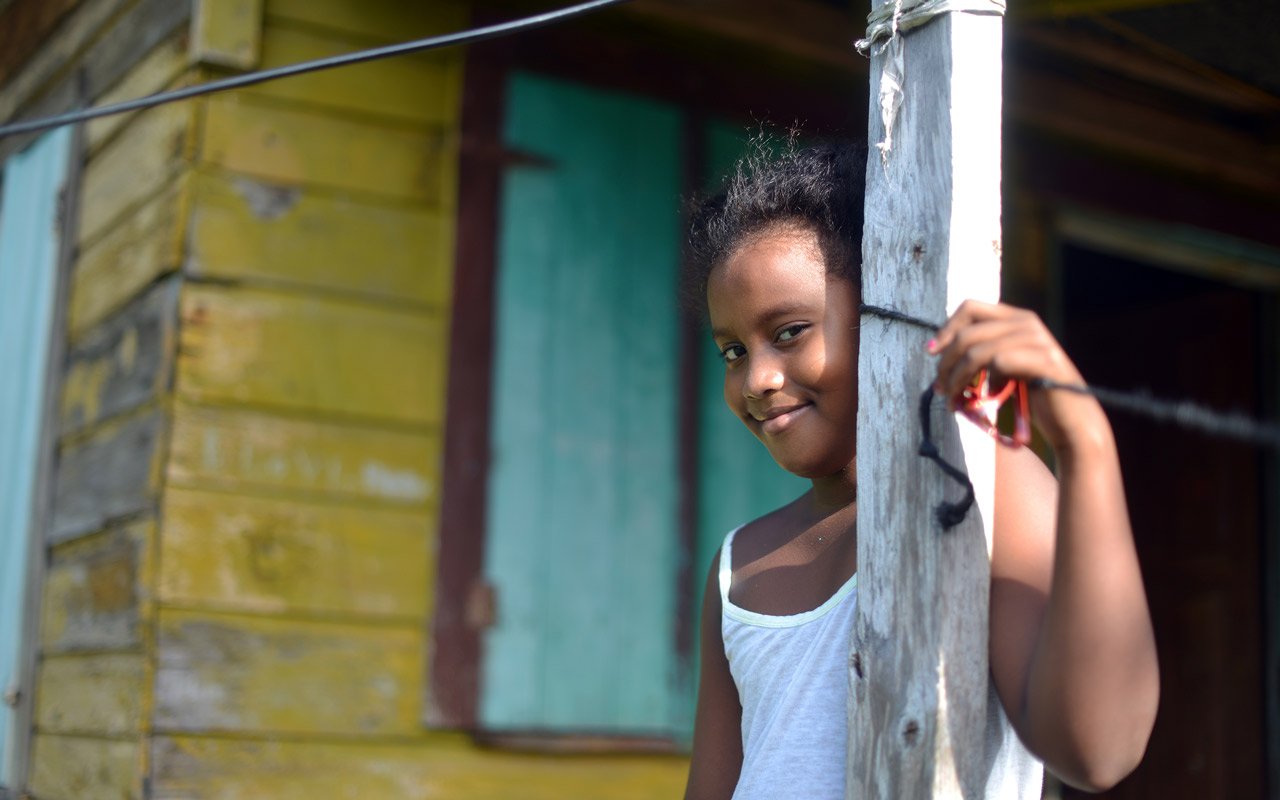
The fortress of El Castillo, the destination, comes into view. The national flag flies over the fort, probably as a reminder to our Ticos neighbors that the rio is Nicaraguan. Perhaps that’s why it’s still in its natural state, as mass green tourism has yet to arrive. What a strange impression we have when we set foot on the pier! How did a small village manage to develop so far from “civilization”? How do they get their supplies? What do the locals live on? It’s the end of the world! The welcome is warm and friendly. It had been a few weeks since a tourist had set foot in the area, and the local restaurateurs and hoteliers were all smiles as they passed us. Walking through the narrow streets of the village, passing a church, going to the fort and measuring the importance this place had in the days of the conquistadors and much later during the gold fever. We have to admit that we were surprised, and it was good to find ourselves in an authentic and peaceful place

A pleasant surprise awaited us: we were welcomed like princes at the Luna del rio hotel. A few years ago, a Spanish lady decided to set up a small, cosy and comfortable guesthouse on the banks of the river, in the heart of the village. It was a restful night, which enabled us to prepare for our visit to the reserve the following day.
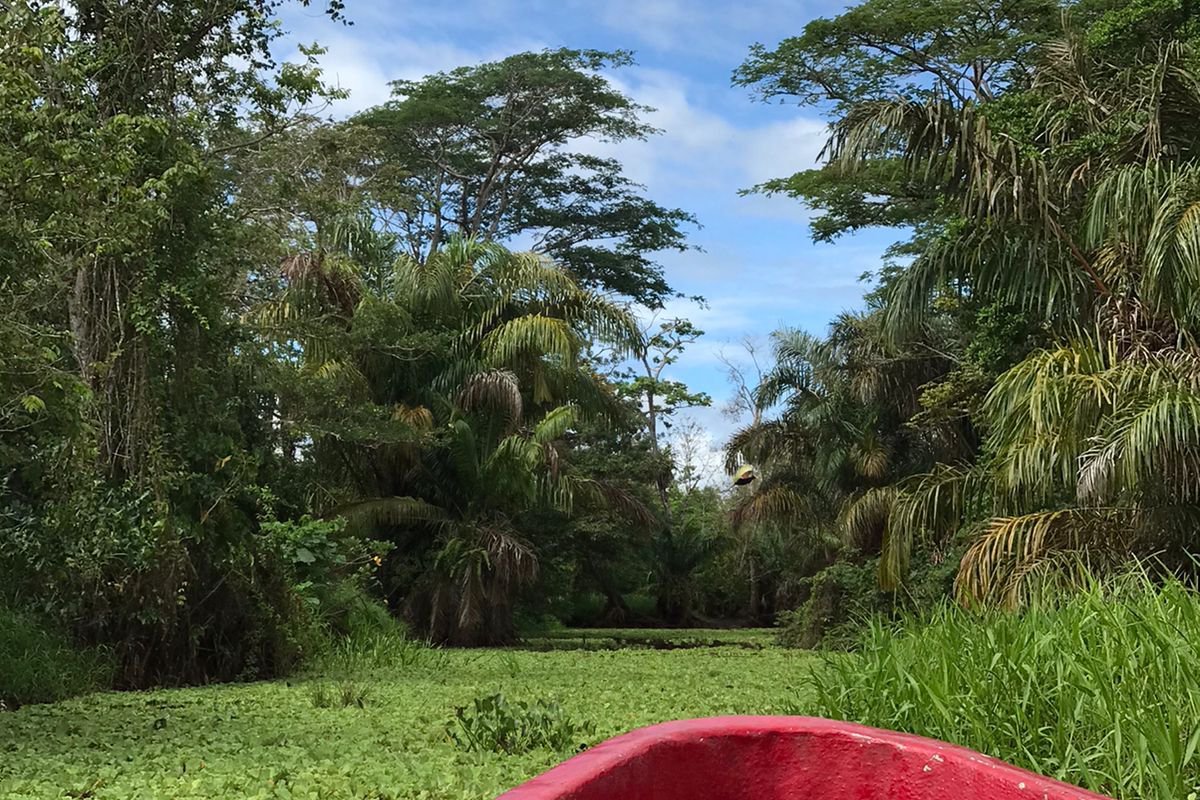
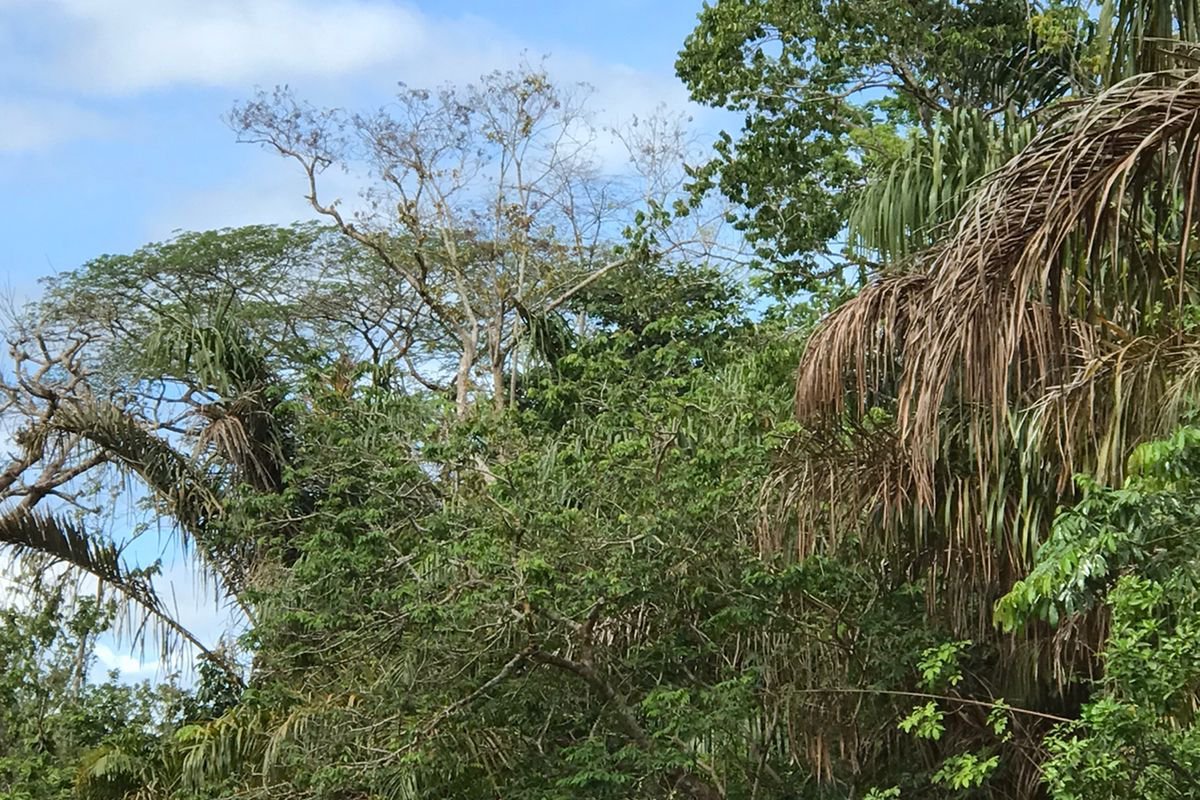
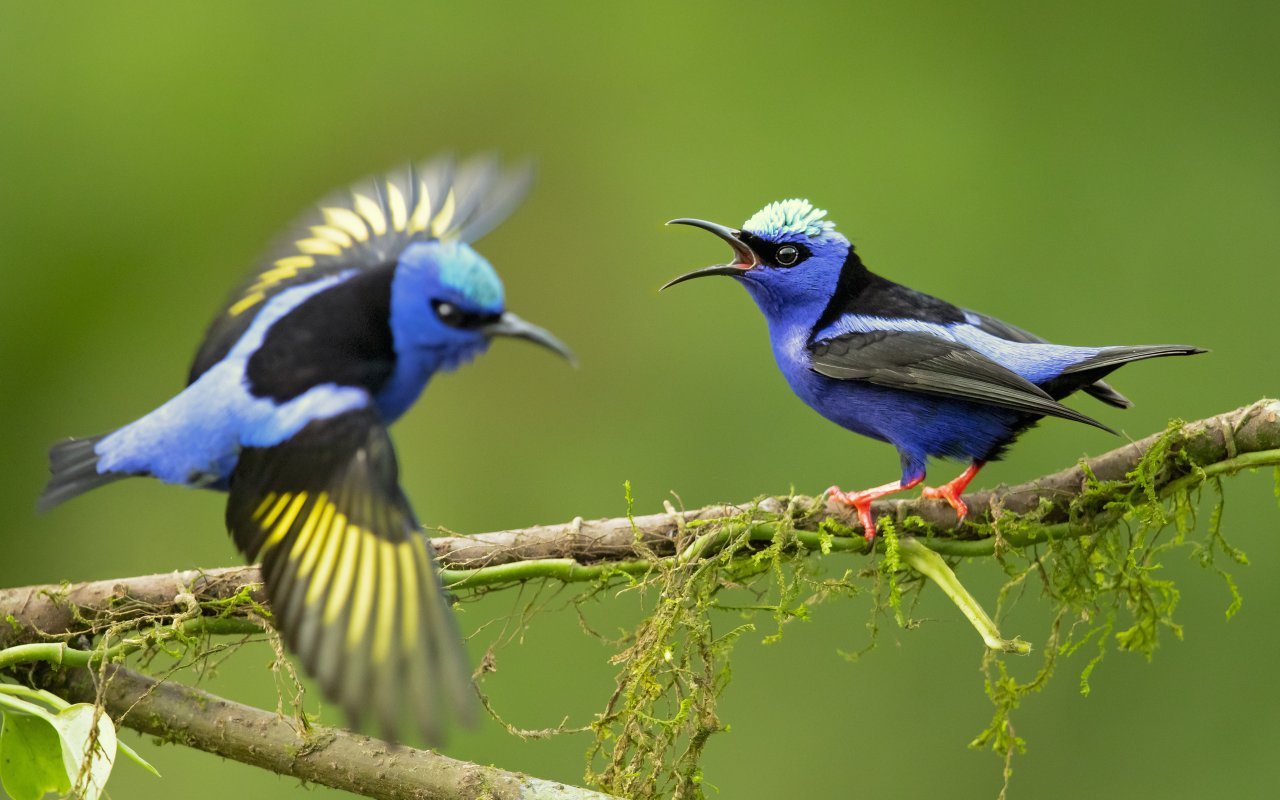
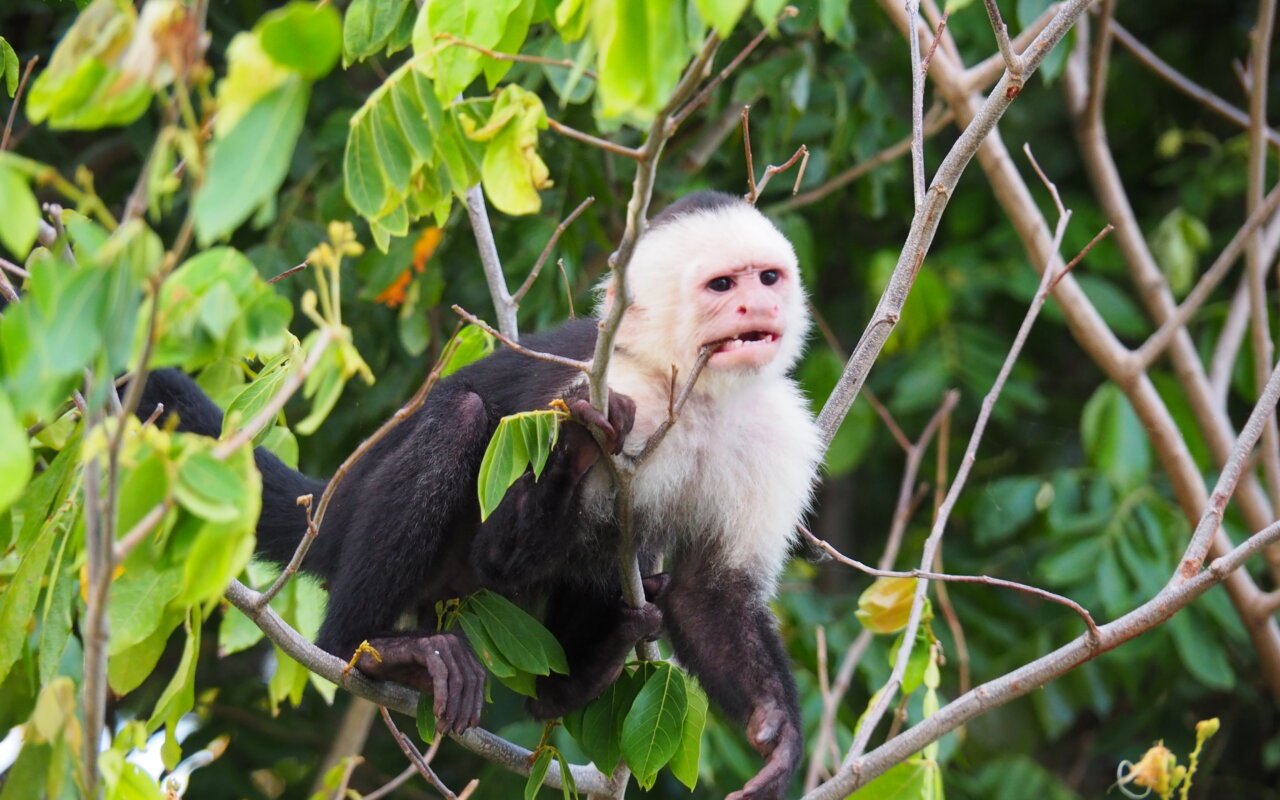
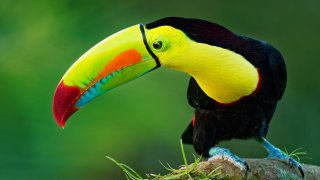
The Indio Maíz Biological Reserve is considered one of Nicaragua’s largest and most unspoilt nature reserves, covering over 3,000 km2. It is the heart of the flora and fauna of the country and the region. Among the hundred or so species of birds and other winged animals, including toucans and large mammals such as pumas and jaguars, we are fortunate enough to be able to count on the presence of three of the most beautiful species of monkey found in the area: the congo monkey, the white-faced monkey and the spider monkey. The witness and guarantor of the preservation of this area is indeed the Nicaraguan state, which to protect it forbids access to most of the reserve but allows visits to a defined territory large enough to allow us to discover all its wonders
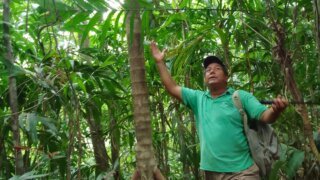
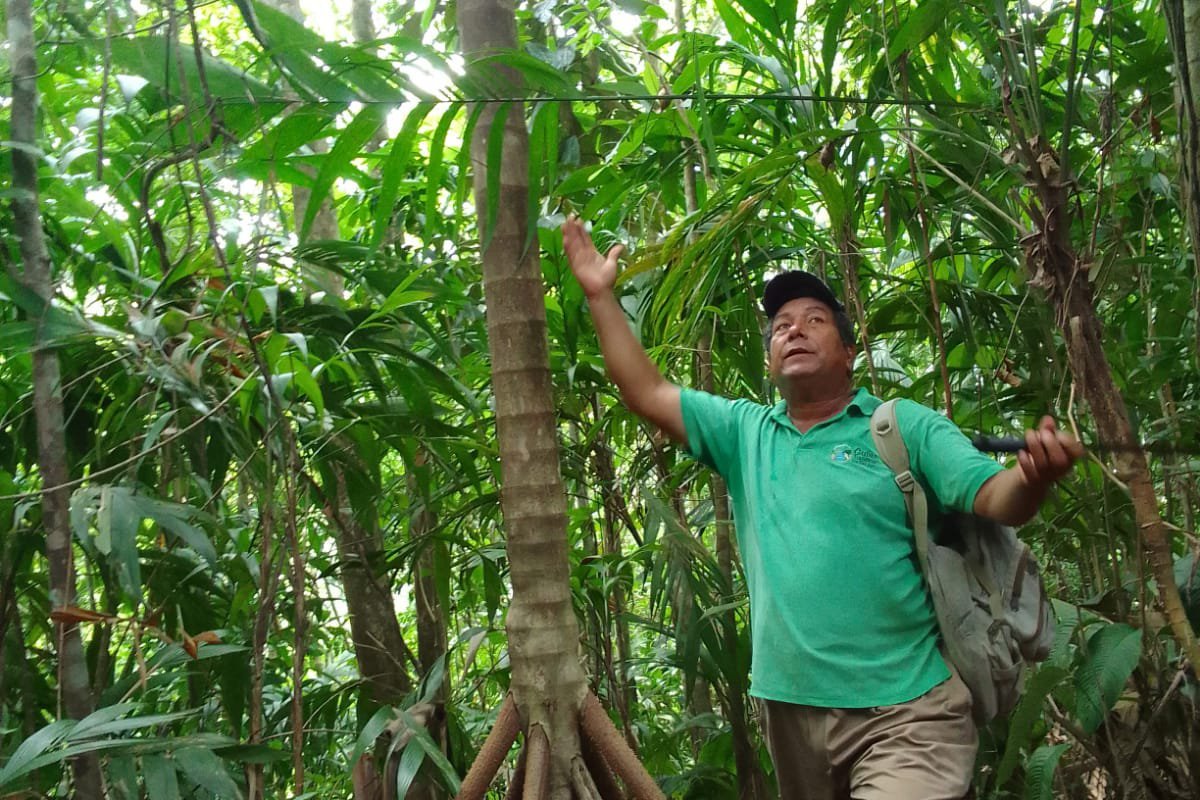
Located half an hour by lancha from El Castillo, the reserve is a real surprise, and we enjoyed our visit with Orlando
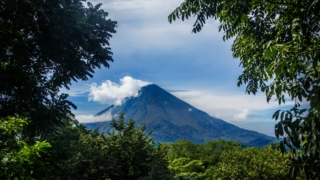
While we’re in the area, we take the opportunity to cross over to the Solentiname islands on the other side of the lake. Back in San Carlos, we embark with José for 2 days in the archipelago of 36 islands to the south of the lake. We go from a place we might consider rustic and hostile to a true paradise. Less than an hour’s sail from San Carlos and we’re in the tranquil waters of the Solentiname Islands. The reputation of this place is well established, with many artists seeking inspiration here, and we can see why. There are no tourists, no filthy infrastructures, just little islands with little houses. It’s green and flowery everywhere, and the people who live here exude peace
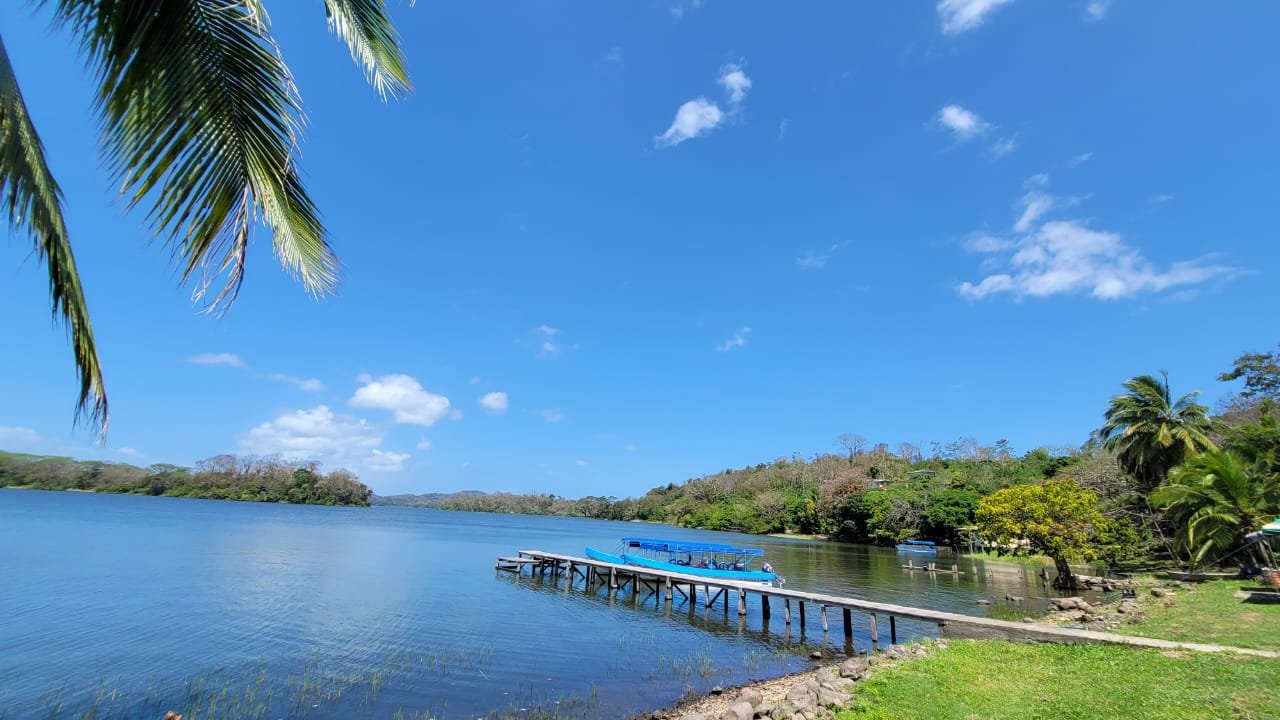
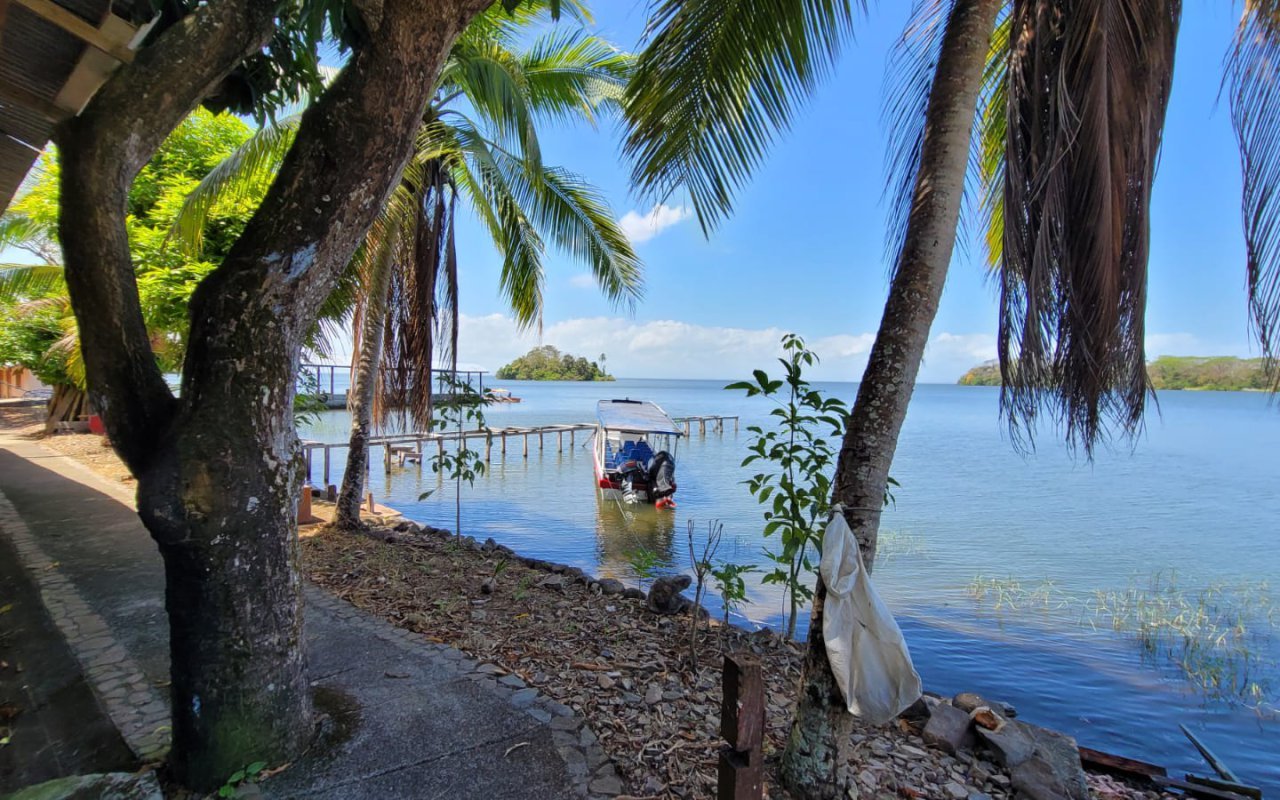
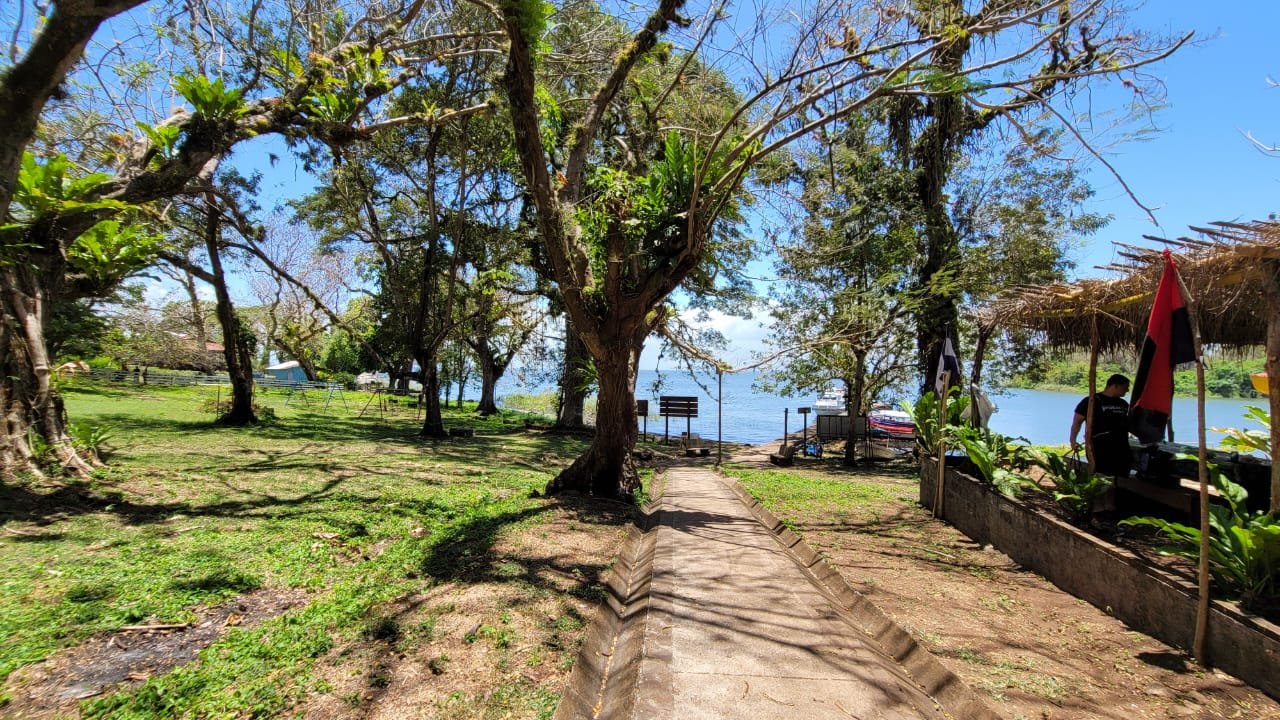
A large community of fishermen and farmers live here, surrounded by a rich and abundant natural environment. In the late 60’s, during the hippie era, Solentiname became known and recognized by the world’s artistic community. Here, you’ll find primitive paintings and distinctive handicrafts. This archipelago is literally bathed in a natural reserve, with impressive flora and fauna. Finally, it’s not far from San Carlos. Of course, access is limited, and so is electricity. And that’s one of the “resources” and strengths of this place: Nature! We had an incredible time out there and met some wonderful people. The fishing was good too, and the evening meals were truly delicious, a complete change from what we’re used to eating in Nicaragua. Over a small flan de coco flavored with mango, we organized our excursion to the nearby Gatusos reserve, a wetland forest area of over 400 km2, made up of rivers, canals and lagoons, home to an important wild ecosystem. On the flora side, you’ll find a large number of plants and trees, as well as abundant marsh vegetation. The fauna includes mammals such as pumas, jaguars, sloths, various species of monkeys, water turtles, alligators and iguanas, as well as hundreds of species of birds.

We have to admit that this last visit was our favorite. Alone in a boat in the middle of the reserve, we had the chance to see the animals up close! We ended up in a small isolated village, again! There are soldiers in the area, so we’re really close to Costa Rica. The atmosphere is good, the locals seem to have stepped out of an old adventure novel, hats cocked on their heads, machetes at their belts, they all move around in pirogues or lanchas, the caimans sleeping on the shore. Just long enough to greet our guide José and thank him for this incredible moment, we make our way to Colon, the destination port on the east side of the lake, to head back to Managua. The road is open, no problem. It starts to rain. It’s hard for all of us to realize that we’ve just had another fabulous experience.