For centuries, Nicaragua has had a rich and diverse equestrian culture that bears witness to the history and identity of the country’s eastern region and continues to thrive in the hearts and minds of its people.So if you’re passionate about horses or simply looking for an authentic and rewarding adventure, discover Nicaragua’s equestrian tradition that comes alive with traditions, breeding and unique festivities!


History and origins
The history of equestrian culture in Nicaragua dates back to the time of Spanish colonization. The conquistadors introduced horses to the region in the 16th century, radically transforming the way of life of the indigenous inhabitants. Horses quickly became a symbol of power and prestige, and their use extended from the battlefield to agricultural work and leisure.Today, horses continue to play a vital role in the daily lives of Nicaraguans, particularly in rural areas in the east of the country.
Within the fincas, emblematic agricultural estates that evoke the rustic charm of Mexican ranchos, and the vast expanses of land, horses are used for farm work, transport and herding cattle. In many communities, owning a horse is synonymous with freedom and mobility, enabling residents to access remote, hard-to-reach areas
Horse farms
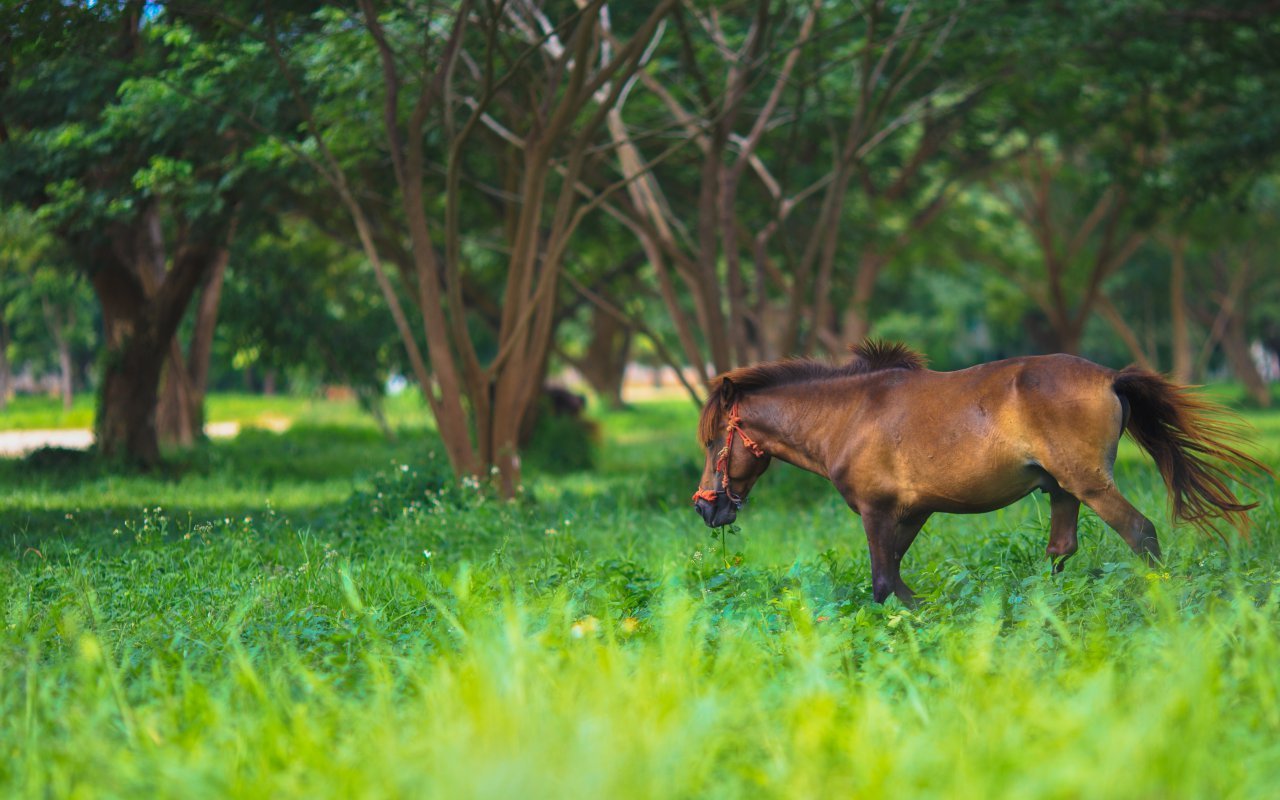
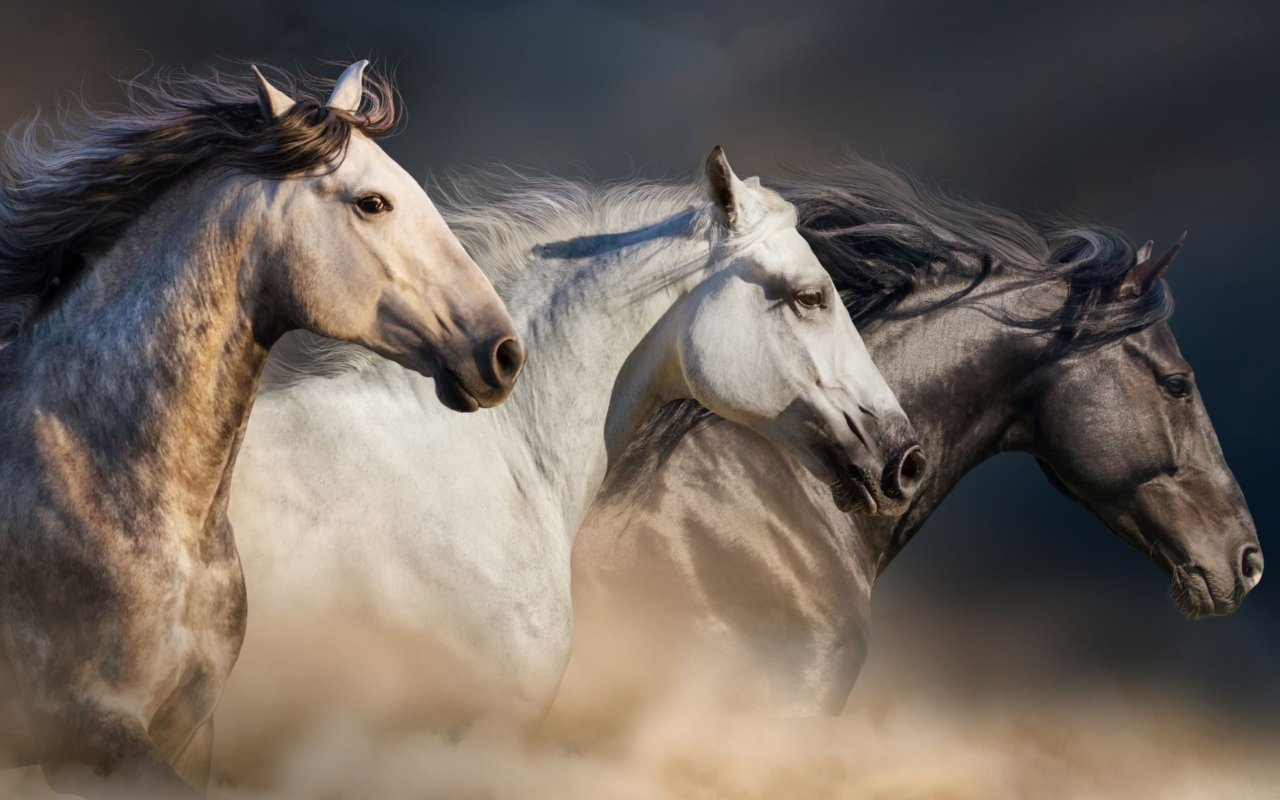
Animal husbandry is at the heart of this equestrian culture, especially in the Juigalpa region. The region’s farms are home not only to herds of cattle, but also pigs and chickens, providing a diversity of activities for ranchers and finca workers. Horses, faithful companions of cowboys or “vaqueros”, play a central role in both daily life and festivities, and are carefully bred for their strength, agility and docility, qualities essential to their activities.Nicaragua is home to numerous horse farms renowned for their excellence and diversity of breeds. From Spanish horses to Arabian thoroughbreds and robust local criollos, Nicaraguan horse farms offer a wide range of choices for equestrian enthusiasts. Horse training is a tradition rooted in Nicaraguan equestrian culture. Cowboys devote hours to training and perfecting their mounts, developing a relationship of mutual trust and respect. Equestrian skills are passed down from generation to generation, with each new rider learning the techniques of their elders

Horses at the heart of culture
Numerous traditional festivals, such as the “tope” (equestrian parades), celebrate the beauty and grace of these animals in the country’s main colonial cities: Leon, Masaya and Granada. Nicaraguans take great pleasure in parading their horses through the streets of their towns and villages, dressed in colorful outfits and adorned with festive decorations, and it’s at these festivals that this passion for horses unfolds in all its splendor.
These annual festivals are much more than just a gathering of ranchers and cowboys, they’re a vibrant celebration of equestrian culture in all its grandeur.The horses, beautifully groomed and adorned with traditional decorations, parade with grace and elegance, captivating spectators from far and wide.
By showcasing their finest mounts at these festivals, Nicaraguan breeders and cowboys demonstrate not only their love for their magnificent horses, but also the richness and diversity of their equestrian heritage. The festivals are not limited to a parade of well-kept horses, with dressage demonstrations, lasso contests and horse races also on the agenda.
To the sound of guitars and maracas, to the rhythm of traditional dances, participants have the opportunity to taste delicious culinary specialties and leave with unforgettable memories.The explosion of colors, sounds and emotions created an atmosphere of joy and camaraderie

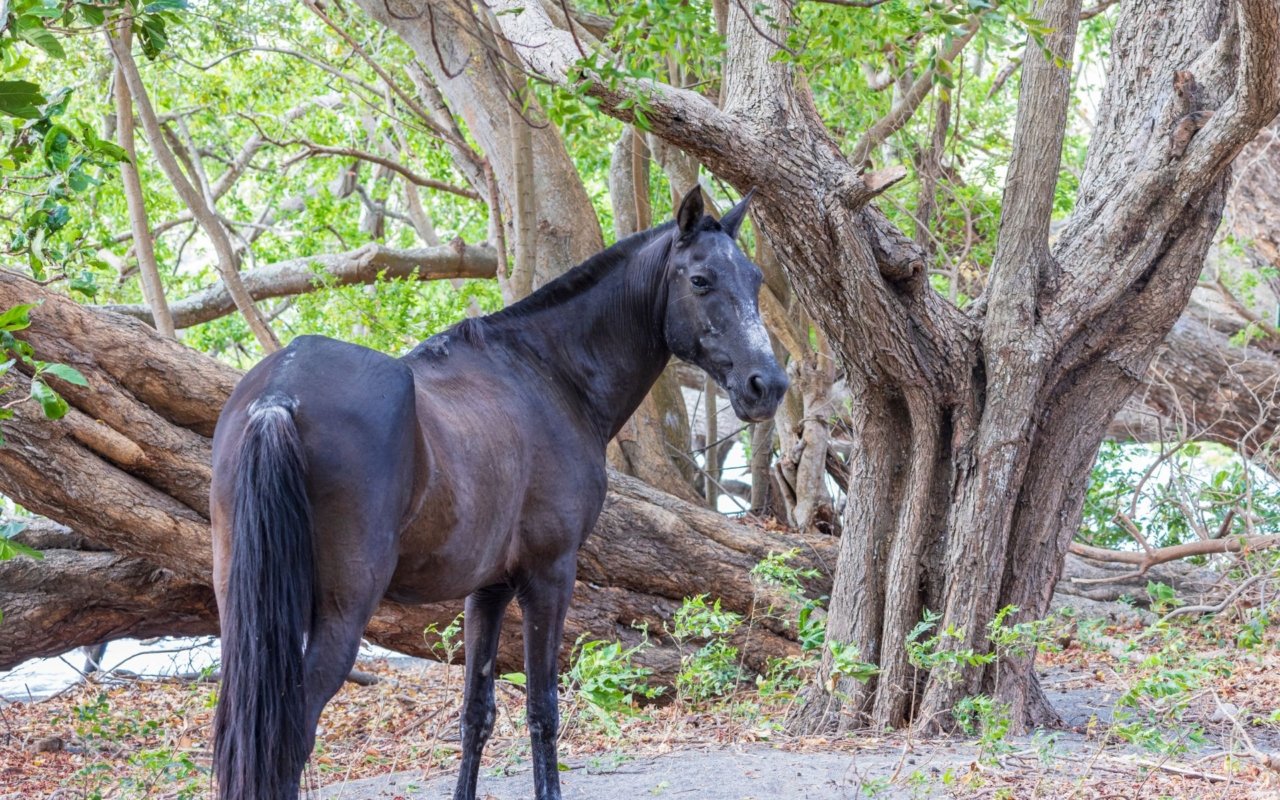
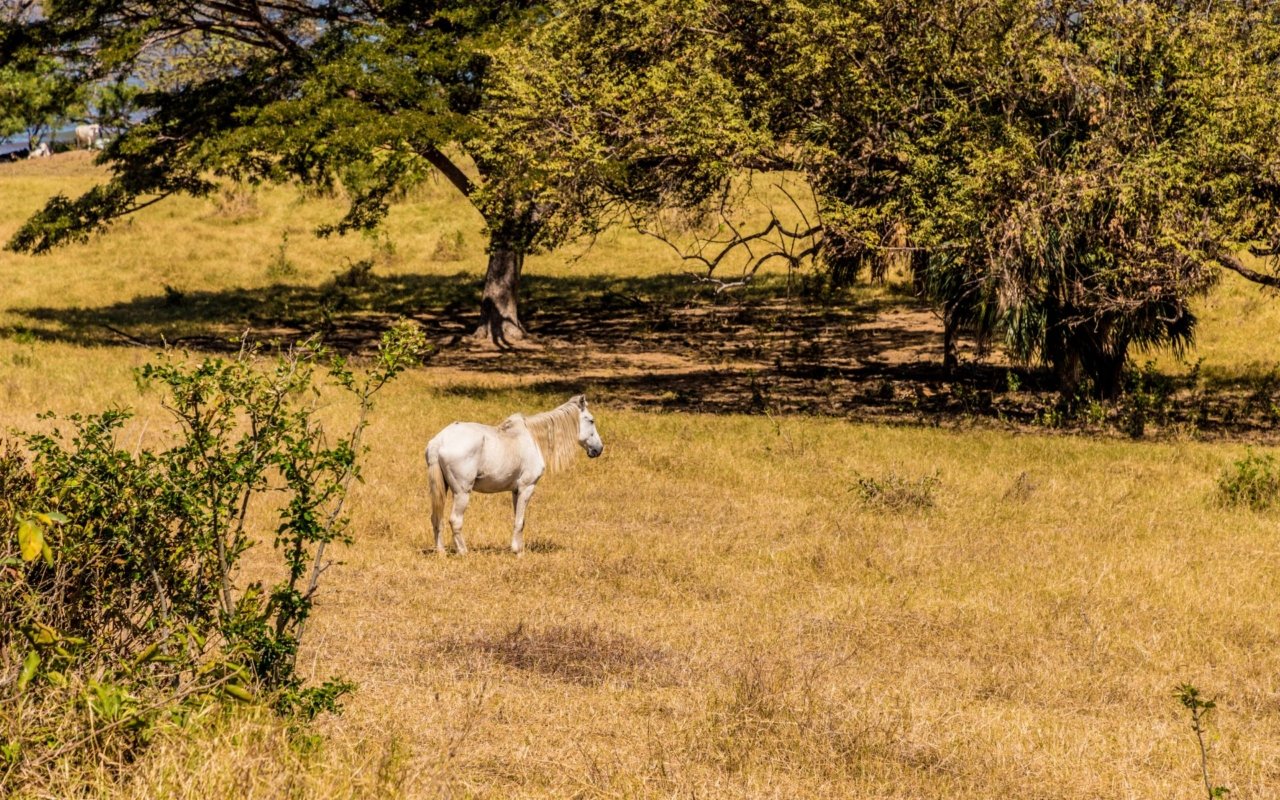
Traditional Equestrian Events
Nicaragua is also home to a variety of traditional equestrian events such as the “jineteadas”, or Nicaraguan rodeos. These captivating competitions attract numerous participants and spectators, and are an important aspect of Nicaraguan equestrian culture. Between tradition and passion, Nicaraguans celebrate the beauty and nobility of horses through festivals, races and renowned breeding farms. For travelers in search of authenticity and adventure, exploring the east of the country promises an unforgettable experience, where history and culture meet at full gallop