Gastronomy in Nicaragua
Nicaraguan cuisine is a blend of Creole, Amerindian and Spanish cuisines, according to the origins of its people. As in many Central American countries, corn is a staple food, and its flour is used in many recipes
Typical Nicaraguan dishes:
Nicaragua’s national dish is Gallo Pinto “painted rooster”. The two most common Central American ingredients, white rice and kidney beans, are cooked and fried to form a mixture. This two-tone dish is eaten at any time of day, whether for breakfast, lunch or dinner. It is often accompanied by scrambled eggs and fresh cheese, which has also been fried. Tostones, slices of fried plantain wrapped in pastry, are often added
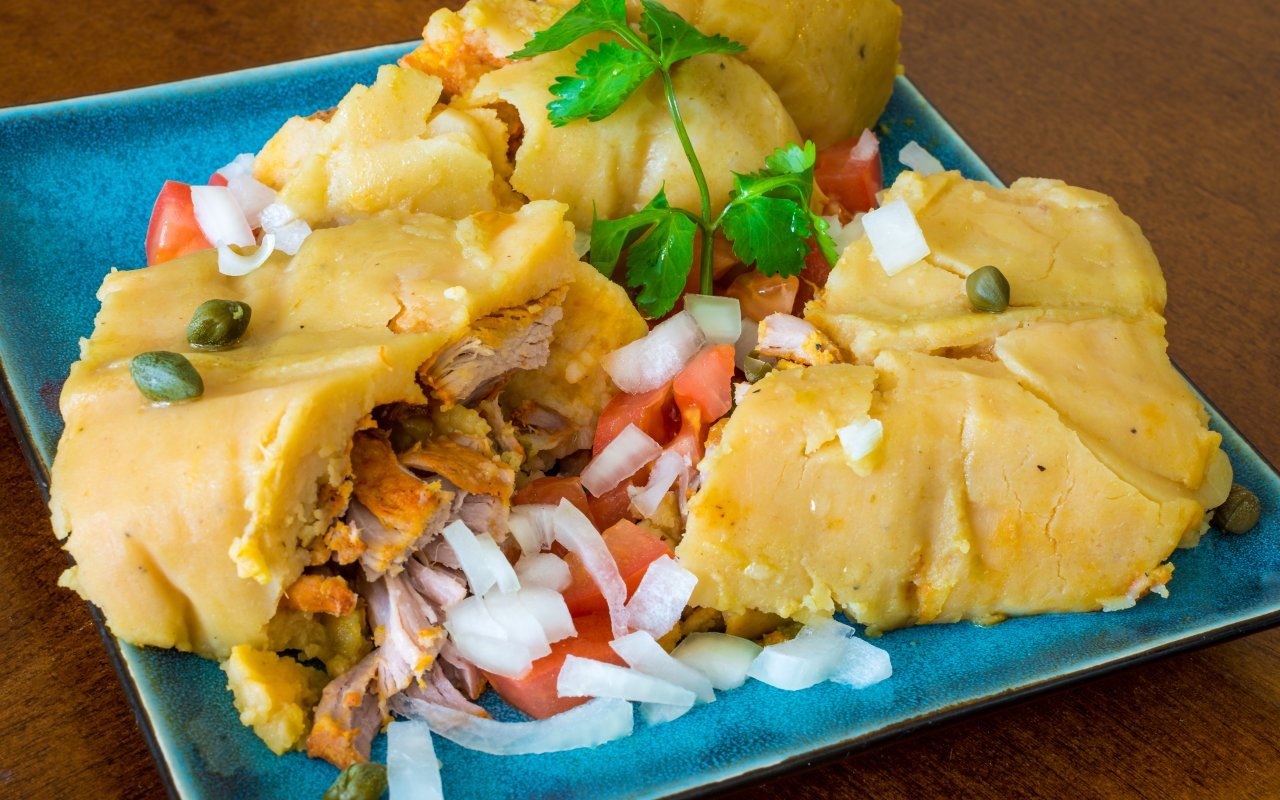
Nacatamales are also widespread here. They can be found all over the country, and are often sold directly in the homes where they are made on weekends. It’s a corn dough filled with pork or chicken, accompanied by manioc and wrapped in a banana leaf for steaming. The banana leaf gives all the flavor to this very nourishing dish.
Vigoron is Granada’s signature dish, where you’ll find the greatest specialists. With a pronounced taste of vinegar, it’s a small cabbage and carrot salad served with chicharron, fried pork rind and the meat of your choice, between beef and pork. It’s easier to find street vendors selling pupusa (a small patty made with dough and the ingredient of your choice), quesillo (a corn tortilla with cheese and pickled onions), fritos/asados (barbecued meat, beef or chicken, accompanied by plantains either fried tostones-style or potato chips), and corn on the cob grilled directly on the street, to which you add a little salt and butter before enjoying them as you walk.
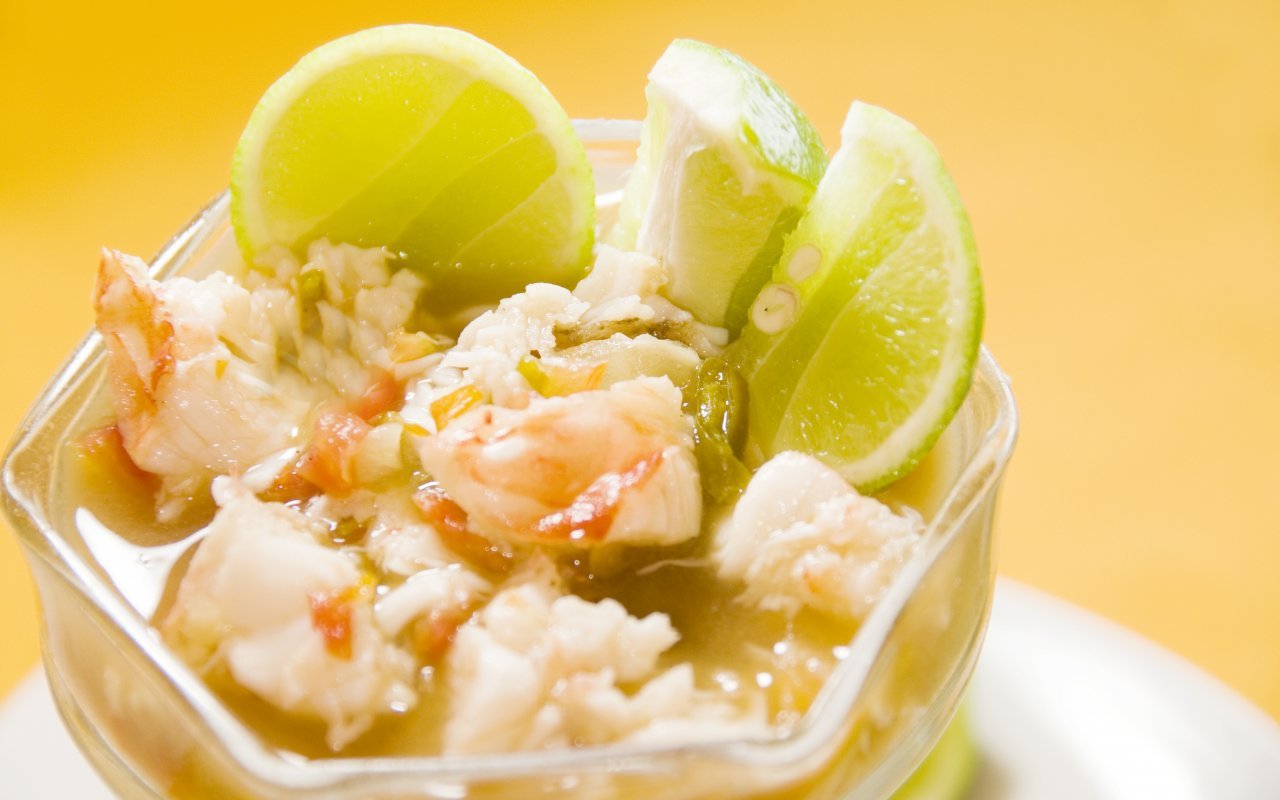
Further along the coast, ceviche, a dish based on raw fish marinated in lemon, coriander, onions and tomatoes, is also common. On Corn Island, lobsters and shrimps are sold at lower prices and, along with fresh fish, are part of the daily menu.
What do we drink in Nicaragua?
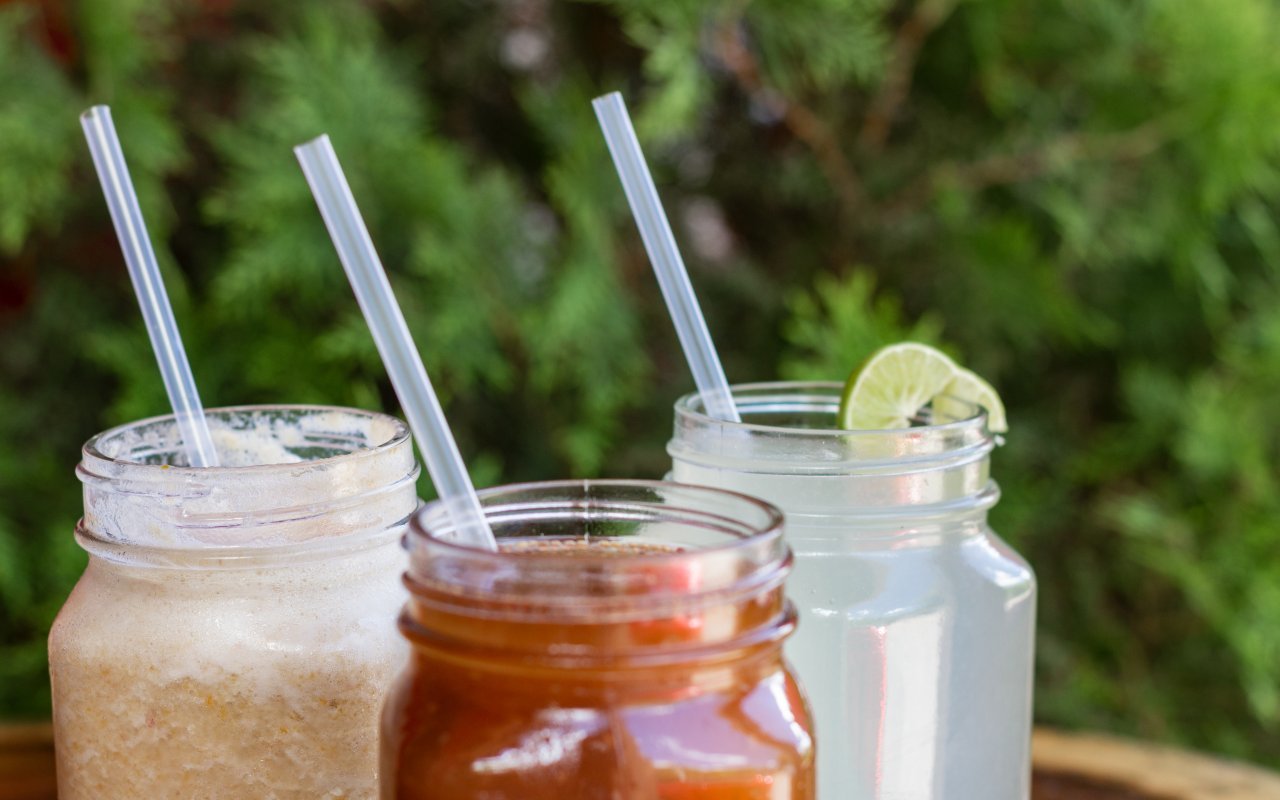
Commonly known as “frescos”, these are natural fresh fruit juices made to order. The fruit is cut up and blended, a little water is added and the mixture is poured into a small plastic bag that you can take with you to drink through a straw anywhere.
The most popular are “jamaica”, made from beetroot-colored ibiscus flowers, very tasty with or without sugar, and the grama teas typical of Granada, made from garden herbs infused and mixed with water. There are two types of national beer: the lighter Toña and the more flavorful Victoria. Nicaragua’s national drink, however, is rum, white or amber, as long as it’s Flor de Caña, the country’s world-renowned brand. You can visit the distillery near León, where tastings are organized
Traditional festivals in Nicaragua
Nicaraguans have no shortage of festive spirit. The local calendar is punctuated by traditional festivals, whether national, regional or local. Here’s an overview of the festivities that punctuate this magnificent Central American country
- January: Baseball season throughout the country, but especially the time of the finals between the best national leagues. The most impressive thing in January is to attend the Liga Nacional de Beisbol Nicaragüense match at the Managua stadium.
- February: In Granada, the International Poetry Festival takes place every year for a week at the end of February. This is one of the biggest literary festivals in Central America, bringing together hundreds of Latin American poets and up to 50 different nationalities.
- March: The Feast of San Lazaro takes place in the town of Masaya and precedes Palm Sunday, a religious festival widely celebrated in Nicaragua. Celebrated on a Sunday, its particularity lies in the fact that even dogs are invited to dress in their festive clothes.
- April: As throughout the region, Semana Santa is a big hit in Nicaragua. The whole week is punctuated by festivities and holy celebrations. April is generally the hottest time of the year, so Semana Santa is also an opportunity to celebrate the coming rains. Nicaraguans take advantage of this week to cool off on the beaches, in the lagoons and at the watering holes, which are crowded.
- May: May is the month of the Palo de Mayo festival, a traditional dance. It takes place in Bluefields on the Caribbean coast every weekend in May. This traditional festival celebrates fertility and was originally danced around a tree. Men and women gradually wrap colorful strips of cloth around a tree trunk to the sound of festive music.
- June: During the Fiesta de San Juan Bautista in the heart of the small village of Catarina, Saint John the Baptist is celebrated. On the program: typical dances, traditional cockfights and marching bands.
- July: July 17 is celebrated throughout Nicaragua as el Dia de la alegria, the Day of Joy. In 1979, it was on this day that Somoza fled Nicaragua after 46 years of dictatorship. July 19 is the anniversary of the revolution and Nicaragua’s national holiday. Dress in red and black and join the procession to celebrate the revolution alongside Sandinista supporters from all over the country. This day celebrates the arrival of the guerrillas of the Sandinista Front in Managua to achieve national liberation.
- August: During the Santo Domingo festival in Managua, a long procession takes place through the city, carrying the statue of its patron saint. Local residents accompany the procession with festive songs and dances. These processions take place from August 1 to 10, and include parades, rodeos with bulls, music and fireworks. The Corn Islands celebrate the end of slavery with the Crab Festival throughout August. With reggae-tinged concerts and Caribbean-style parades, welcome to the Corn Islands.
- September: In September, the Feria del Maiz is celebrated in the town of Jalapa in northern Nicaragua. This festival is an opportunity to celebrate corn in all its forms: food, drink, clothing, dance, etc. September 15 is a public holiday to celebrate Central America’s independence from the Spanish colonists.
- October: In Masaya, los Agüizotes are celebrated on the last Friday of October. A whole night of masked locals strolling the streets, wearing hand-made ornaments. These masks evoke the popular and legendary beliefs brought by the Spaniards and reinforced by local traditions over the years. El Torovenado takes place the day after los Agüizotes, and is a dance festival held in the town of Masaya. Participation in the parades involves a financial payment to one of the local saints, but the dances are mostly burlesque and exaggerated, from early morning until sunset.
- November: The “Carnival Acuatico” takes place in San Carlos around November 20, in the form of a parade on the Rio San Juan. Numerous boats decorated like carnival floats sail to the rhythm of brass bands carried by passengers in fancy dress. Gastronomic fairs and concerts are held along the banks, bringing life to a large part of the mouth of the rio.
- December: The “purisima” feast day is celebrated on December 8, the patron saint of Nicaragua and the feast day of the immaculate Concepción, also known as the Griteria. This festival commemorates the conception of the Virgin Mary, and for the occasion Nicaraguans throw firecrackers and rockets, sing in the streets and play music late into the night.


Nicaragua's national folklore
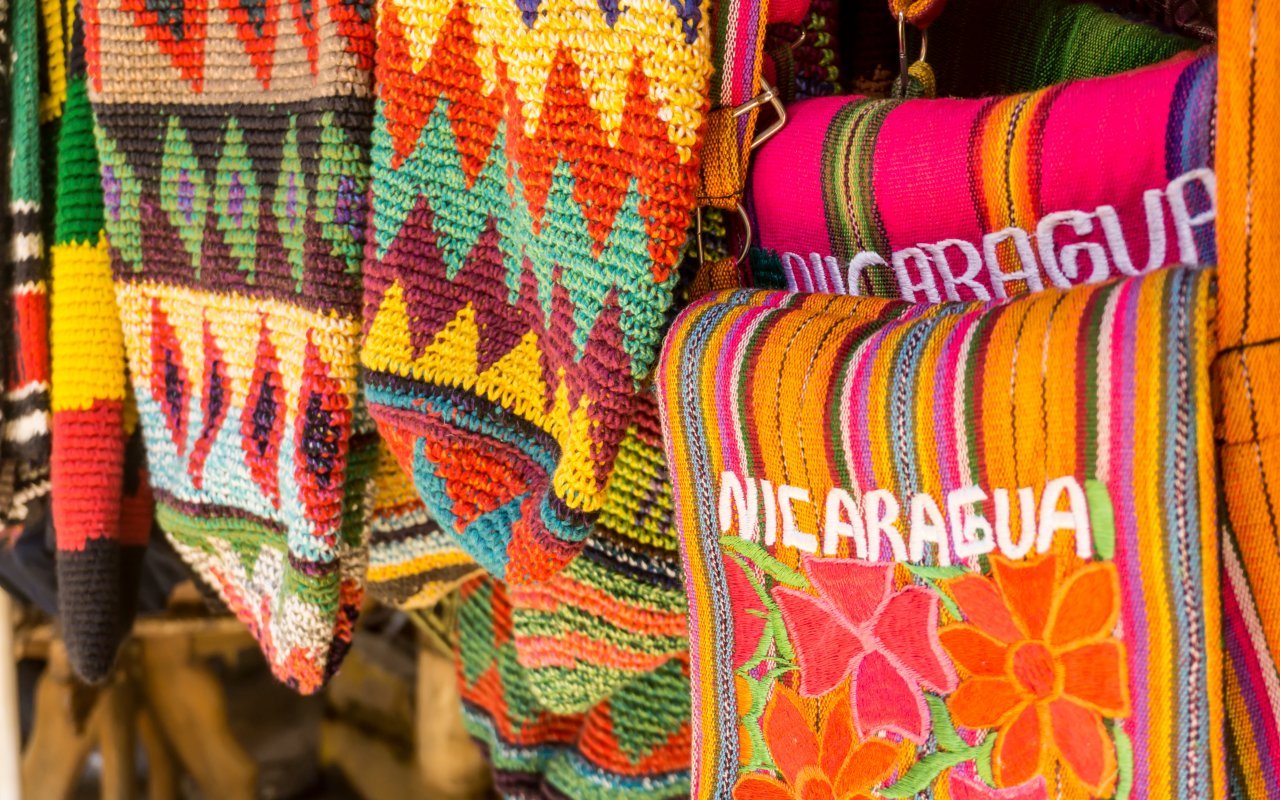
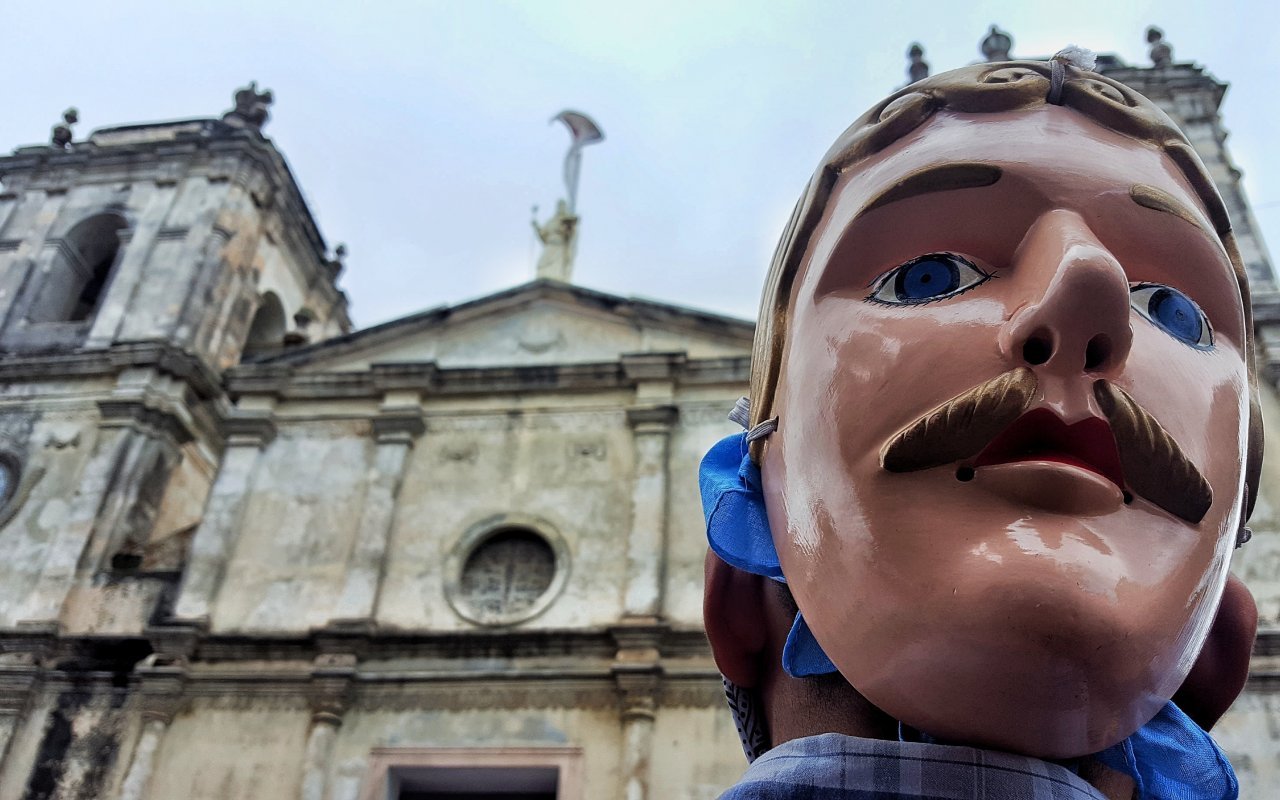
Nicaragua’s culture is a blend of indigenous (Chorotega and Nahuatl), Spanish and African cultures, and its history is intrinsically linked to that of the Europeans through colonization, slavery and the invasion of Nicaragua by these peoples. Nevertheless, the people of Nicaragua retain their own cultural traditions, such as dance, musical rhythms, colorful colonial towns and gastronomy. Nicaraguan floklore is an intangible cultural heritage that animates the people in their daily lives and aims to unite cultures. Traditional Pacific dances such as the Gigantona, El Enano Cabezon or El Toro Huaco are colorful and rhythmic and are specific to the city of León. In the Caribbean, dances are also specific to the local culture and have a precise purpose, such as the Palo de Mayo, which deals with subjects such as fertility and reproduction. Its origins date back several centuries, when the dance was performed around a tree in honor of the god Mayaya. Today, it is a festive dance performed during the month of August on the Caribbean coast. Historically, Nicaragua is a country rich in literature. Since pre-Hispanic times, there have been songs and poems recounting peasant life. These works gave rise to El Güegüense, a play set to music and dance, which was inscribed on UNESCO’s list of intangible heritage in 2005. The play is satirical and humorously recalls the main features of past Spanish colonization. Nicaraguans dress extravagantly in brightly colored fabrics to mock Spanish coquetries. Pale-skinned masks with exaggeratedly made-up features are used to mock the physique of the former colonists. On a more day-to-day basis, Nicaraguans celebrate various saints over the course of the months, to the sound of drums, trumpets and firecrackers. Towns and cities regularly come alive to the sound of national music.
Religion in Nicaragua
Religion plays a significant role in the daily lives of Nicaraguans, and you’ll quickly realize this once you’re in the country. There is no declared official religion and freedom of worship exists in Nicaragua, nevertheless, the majority of the population is Catholic
The Catholic Church was the first to be incorporated and brought over by the Spanish during the years of colonization. It was the only authorized religion for many years. Natives were converted by Spanish missionaries during colonial times. Later, Protestant groups arrived and began building churches in certain areas of the country, such as the North. Evangelicalism spread in the second half of the 20th century , following the earthquake of 1972. To put the figures more explicitly: in Nicaragua, over 80% of the population belongs to Christian groups. The most common religion is Catholicism. In 1995, 75% of the local population was Catholic, compared with 48% in 2015. Protestants accounted for just 14% in 1995, and now make up almost 38% of the population. The percentage of atheists in Nicaragua is between 8% and 10%


Plan your next trip to Nicaragua!