Sites in Nicaragua listed by UNESCO
Nicaragua has two UNESCO World Heritage sites
The ruins of León Viejo
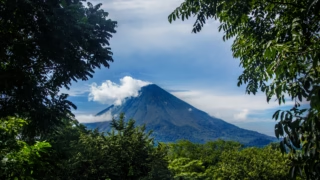
(2000): one of the oldest Spanish colonial settlements in the Americas, these are the remains of the ancient city of León. Established in 1524 by Francisco Hernandez de Cordoba, the city has suffered many natural disasters. First of all, the inhabitants fled the city in 1578 for fear of being buried by the eruption of the Momotombo volcano, which suddenly erupted. Only a few years later, the city was almost totally devastated by an earthquake that dealt the final blow in 1610. Gradually burying the ruins after each natural disaster has enabled them to be preserved in excellent condition. The remains are a remarkable testimony to the economic and social structures of the Spanish empire in the 16th century. To date, 17 colonial structures have been uncovered, including the Santa Maria de la Gracia cathedral, the La Merced church and convent, the Casa de la Fundicion, as well as housing and civil and military installations. The city of León was rebuilt 25km away.
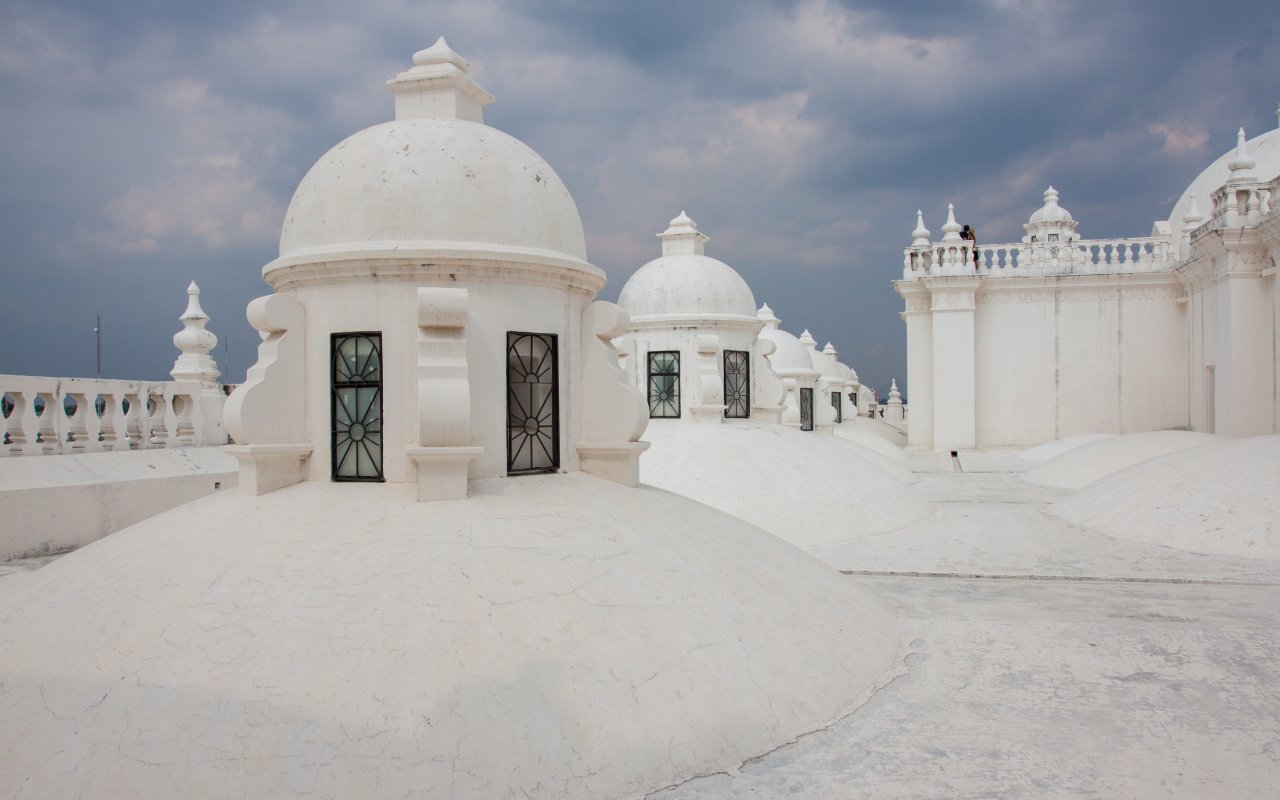
León Cathedral
(2011): The full name of the religious establishment is Cathedral-Royal Basilica of the Assumption of the Blessed Virgin Mary. It was built between 1747 and 1814 by Guatemalan architect Diego José de Porres Esquivel.
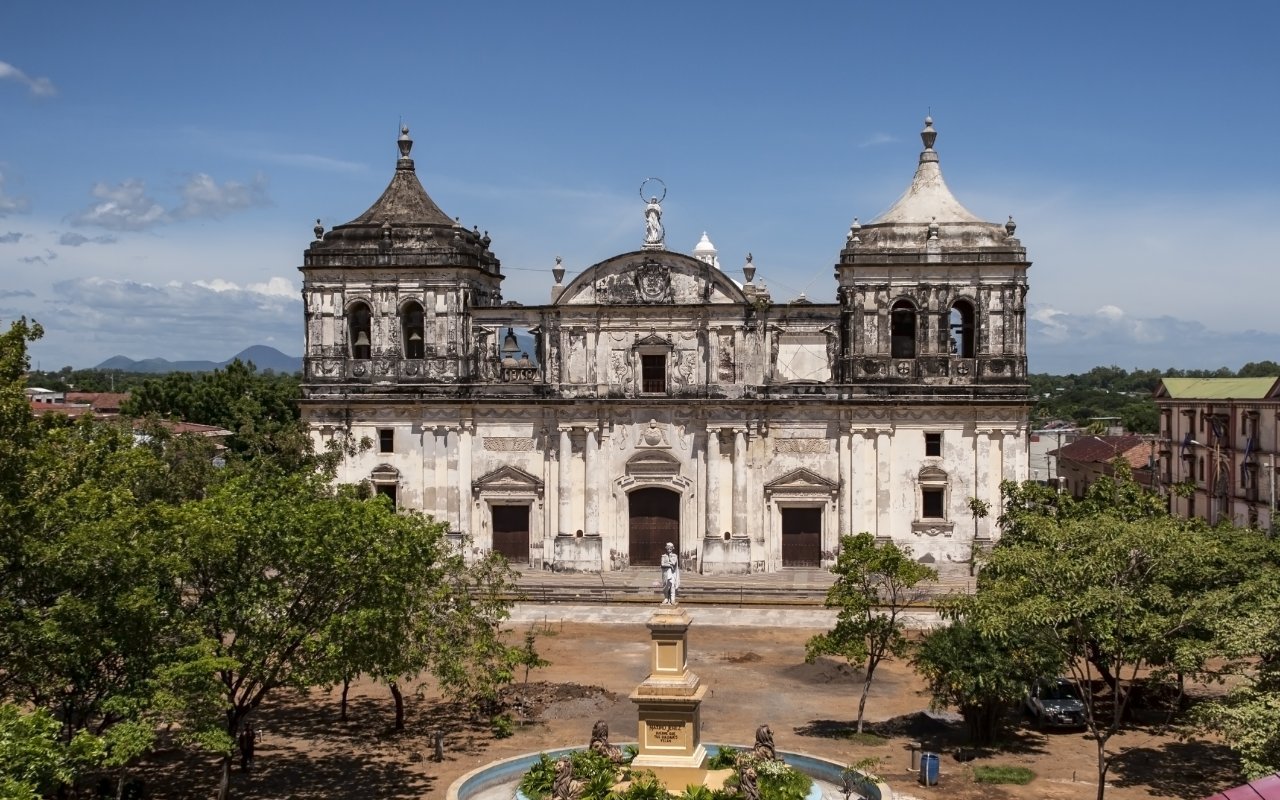
With its Baroque architectural style in combination with Spanish art and the regional characteristics left by the workers who labored to build it, León Cathedral is the material expression of the formation of Latin American society.
The cathedral is characterized by the sobriety of its decoration and the abundance of natural light, which nevertheless allows us to appreciate the richly decorated vaulting of the sanctuary. The building contains the tombs of Nicaraguan personalities such as Ruben Dario, the country’s greatest poet; musician José de la Cruz Mena; independence hero Miguel Larreynaga; poets Salomon de la Serva and Alfondo Cortès
Nicaragua has two traditions listed as intangible heritage by Unesco
El Güegüense
(2008): one of the most remarkable forms of Latin American expression from the colonial era. It is a satirical tale that mocks the former Spanish colonists. It is a play, a satirical drama set to local music and traditional dances. The earliest texts were probably composed in the early 18th century and evoke clashes between the Spanish colonial authorities and the Amerindians. Thanks to a series of verbal maneuvers, the eponymous character was able to evade the accusations levelled against him. Every year on the feast day of San Sebastián, patron saint of the town of Diriamba in the province of Carazo, this play, a virulent expression of protest against colonialism, is performed in the streets.
Garifuna language, danse and music
(2008) : Garifuna, which means “cassava eater”, is a community that today stretches from Belize to Nicaragua, via Guatemala and Honduras. Through massacres and deportations, the Garifuna were gradually settled on certain islands in the Lesser Antilles, particularly St. Vincent and Dominica. The Garifuna community is descended from the Carib Rojos Indians who occupied certain islands in the Lesser Antilles before the arrival of Christopher Columbus. Made up of runaway African slaves and castaways who found refuge on these islands, they represent one of the most singular fusions between African groups and indigenous Latin American cultures. Over the years, they gradually became a demographic minority, but passed on their native culture to the emerging Garifuna culture. In this way, they managed to keep their music, religion and traditions alive. Their ancestors possessed a wealth of know-how in the cultivation of manioc, the transmission of legends and traditional stories, canoe building and the manufacture of terracotta houses.
Other nicaraguan riches
Nicaragua Poetry
Ruben Dario (1967-1916) is Nicaragua’s best-known poet. After reading many international works, he found his own style, blending the alexandrines of Victor Hugo with the Chilean style, a country he visited as a journalist. He wrote his first verses at the age of twelve. They won him recognition throughout Latin America in 1888, and his greatest success came with the collection Azul, which earned him international renown. His birthplace can be visited in Matagalpa, and his body lies in León Cathedral. For the past 16 years, an international poetry festival has been held in Granada every February. In recent years, the festival has brought together more than 57 countries and 115 poets.
Nicaraguan Cigars
Between the land of water and fire, Nicaragua has a colorful landscape. Tobacco leaves are grown in the country’s cool, humid north-western valleys. This is one of the country’s still little-known treasures, but one that combines the richness of the landscape with the know-how of its people.

Nicaraguan cigars are among the finest in the world, thanks to its fertile volcanic soils. On the island of Ometepe, a precious, rare and unique tobacco is also grown: it grew on the volcanic island located in the largest freshwater lake in Central America. Small artisan workshops offer tours and even workshops for making your own cigar, a very fun visit
Coffee grown in Nicaragua
The black gold is also grown in the country’s north-western region, where the soil is cool and moist, and the communities work it in a traditional way. Ancestral traditions are still respected, giving Nicaraguan coffee a worldwide reputation and a presence on many international markets. In Nicaragua, the coffee capital is Jinotega, a place that lends itself well to the tasting of grand cru coffee. This town and its surrounding hills account for 80% of the country’s coffee production. Many coffee fincas can be visited and offer tours of their lands to learn a little more about their crops
Cocoa
Nicaragua produces a lot of cocoa, which is processed into chocolate, especially in the north of the country. Numerous museums are dedicated to the subject, but the best way to learn more is to join a community and make your own artisanal chocolate. Pick the fruit straight from the tree, dry the beans, roast and grind them, and then enjoy the mixture with milk and sugar. A delicacy that will delight all connoisseurs
Local crafts
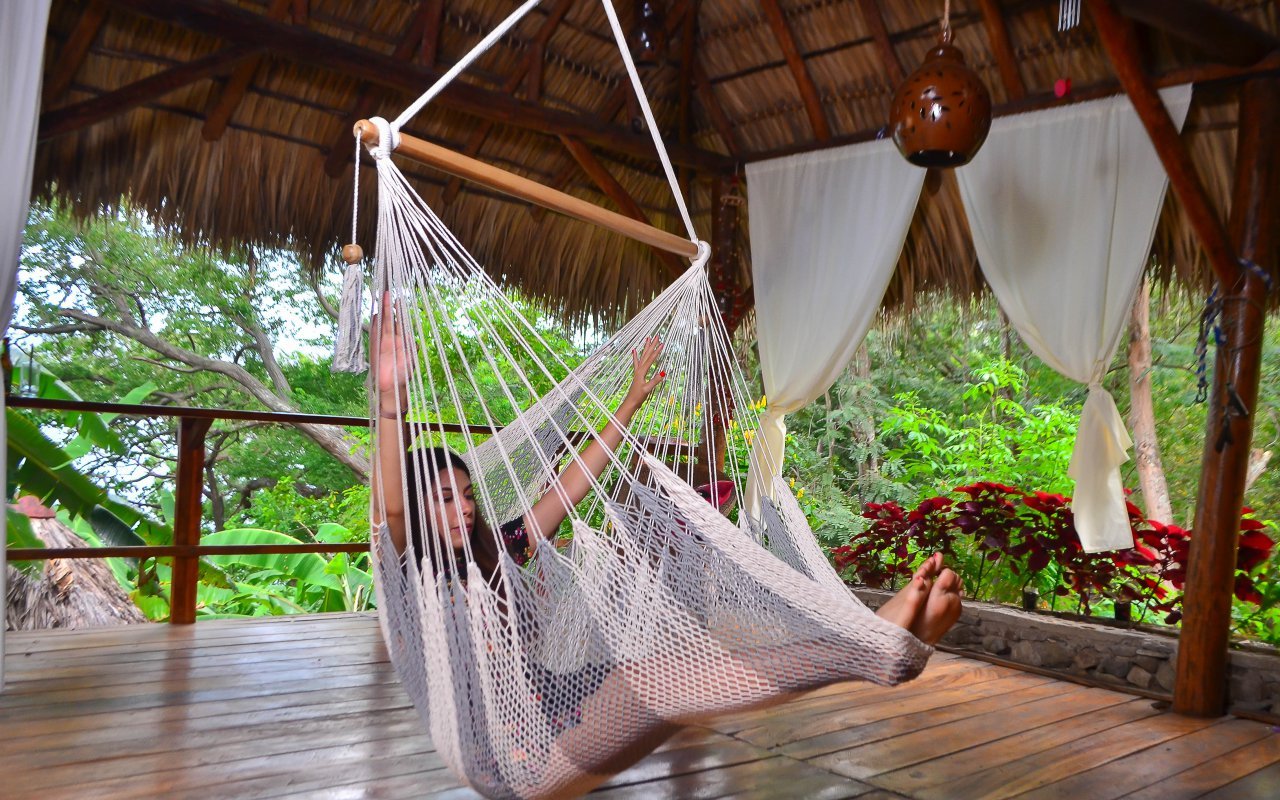
The town of Masaya is considered a great workshop for craftsmen, with its hammocks, pottery and leatherwork.
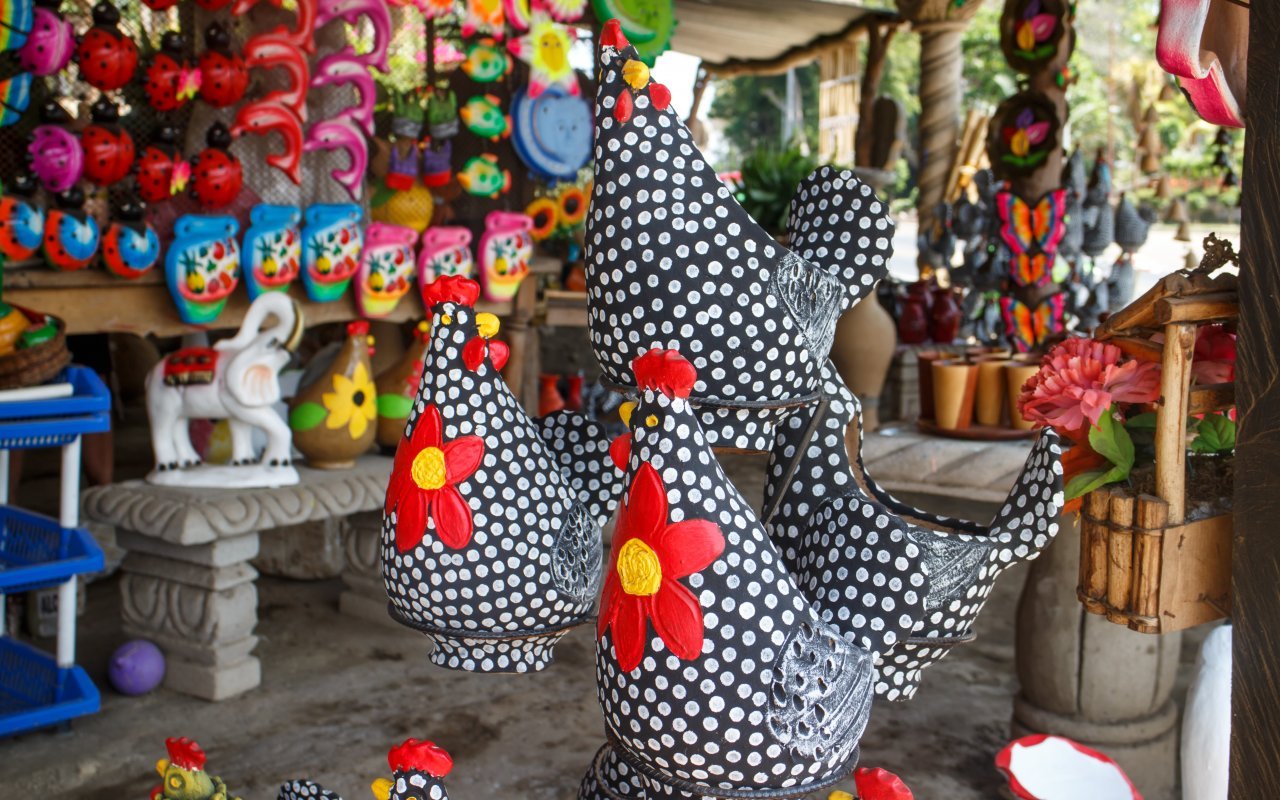
The region is renowned for the quality of its wares, which attract many locals and tourists alike. Several craft markets are scattered around the town.
In the Masaya “Los pueblos blancos” region, black pottery is produced, with a wide range of motifs painted on it. Its hammocks and leather products are exported worldwide.